April is basically the sweet spot for getting perennials in the ground. The soil’s finally warming up, there’s usually decent rain, and your plants have months to settle in before winter rolls back around. If you’ve been itching to add some color that comes back year after year without replanting, now’s your chance. I’ve pulled together 23 perennials that love being planted this month—some you probably know, and a few that might surprise you.
Black-Eyed Susan
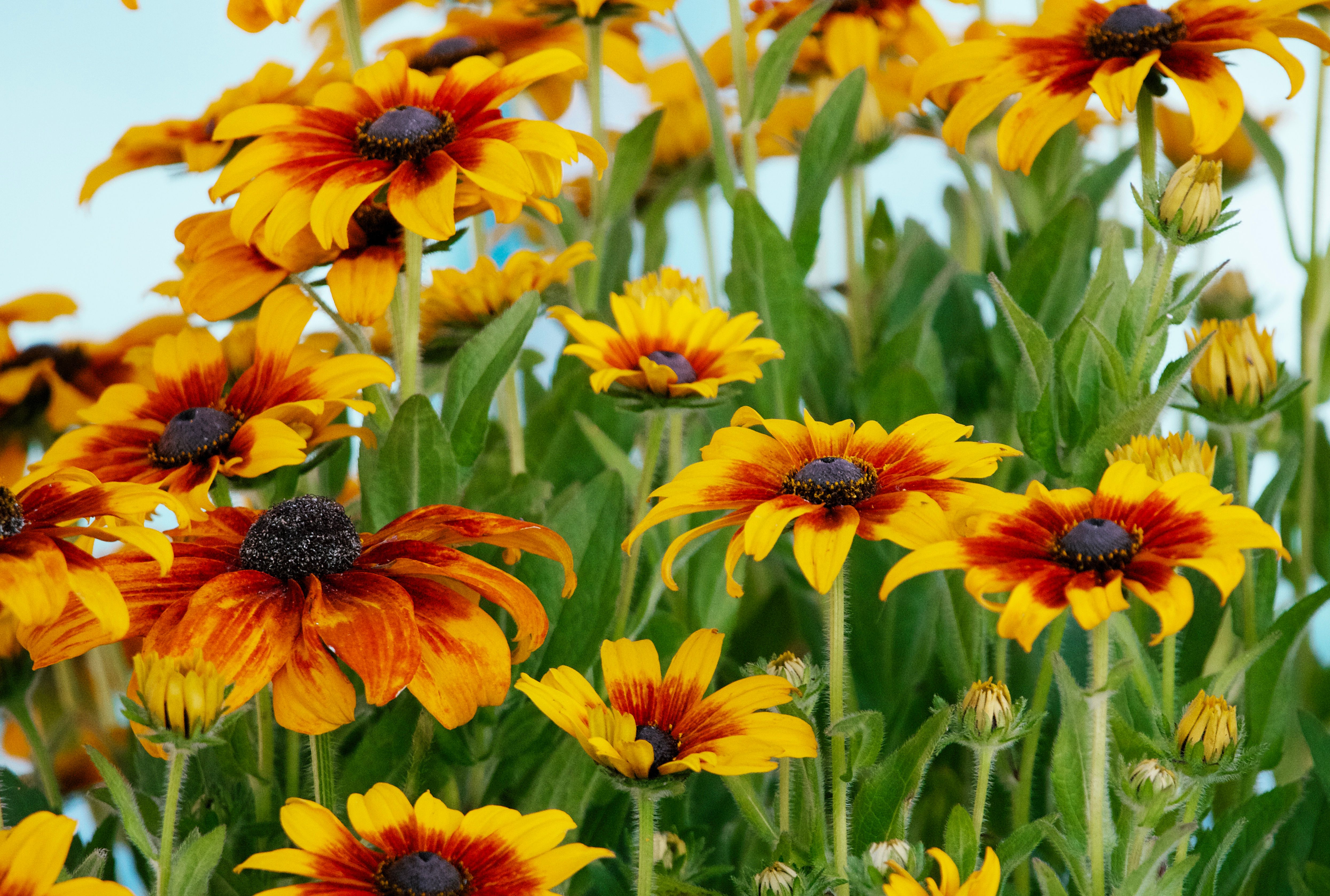
Black-Eyed Susans are reliable bloomers that bring cheerful yellow flowers with dark centers to your garden from mid-summer through fall. These native wildflowers grow 2-3 feet tall and spread easily, making them perfect for filling in bare spots or naturalizing in meadow-style gardens. They thrive in full sun and tolerate poor soil, drought, and heat once established. Hardy in zones 3-9, they’re pretty much foolproof for beginners. Deadheading spent blooms encourages more flowers, but leaving some seed heads in fall provides food for goldfinches and other birds. They also self-seed readily, so expect them to pop up in new areas each spring.
Coneflower

Coneflowers are reliable bloomers that keep your garden going from summer through early fall. These native prairie plants grow best in full sun and handle drought like champs once established. Plant them in zones 3-9 and expect purple, pink, white, or orange daisy-like flowers with spiky centers that butterflies can’t resist. They’re not picky about soil as long as it drains well. Deadhead spent blooms if you want more flowers, or leave the seed heads for goldfinches to enjoy in winter. Space plants 18-24 inches apart, water regularly the first season, then let nature take over.
Daylily

Daylilies are one of those flowers that pretty much take care of themselves once they’re in the ground. Each bloom only lasts a day (hence the name), but each plant produces so many buds that you’ll have flowers for weeks throughout summer. They grow well in zones 3-9 and aren’t picky about soil as long as it drains reasonably well. Plant them in full sun for the best blooms, though they’ll tolerate some shade. Space them about 18-24 inches apart, water them regularly during their first season, and they’ll come back bigger every year with barely any fuss.
Salvia

Salvia is a reliable perennial that blooms from late spring through fall, making it a solid choice for filling gaps in your garden. These plants produce tall spikes covered in tubular flowers that hummingbirds and butterflies love. They do best in full sun and well-drained soil, and once established, they’re pretty drought-tolerant. Most varieties are hardy in zones 4-9, though this varies by type. Deadheading spent blooms encourages more flowers, but even if you forget, they’ll keep performing. Space them about 12-18 inches apart, and they’ll form nice bushy clumps that come back bigger each year.
Coreopsis

Coreopsis, also called tickseed, brings sunny yellow blooms to your garden from early summer through fall with minimal fuss. These North American natives thrive in zones 4-9 and actually prefer lean soil, so you can skip the fertilizer. Plant them in full sun where they’ll get at least six hours of direct light daily. They’re drought-tolerant once established, making them perfect for busy gardeners or dry spots. Deadheading spent flowers keeps them blooming longer, though newer varieties will rebloom on their own. Space plants about 12-18 inches apart, and they’ll fill in nicely by midsummer.
Shasta Daisy

**Shasta Daisy**
The classic white petals and sunny yellow centers of Shasta daisies make them a reliable choice for any garden. These cheerful bloomers grow 2-3 feet tall and flower from early summer through fall, especially if you deadhead them regularly. Plant them in full sun and well-draining soil, and they’ll come back stronger each year in zones 5-9. They’re not fussy about much, though they appreciate regular watering during dry spells. Divide the clumps every few years to keep them healthy and prevent overcrowding. Perfect for cutting gardens since they last well in vases and attract butterflies to your yard.
Catmint

Catmint is a reliable bloomer that puts out purple-blue flowers from late spring through fall. It grows in mounds about 1-2 feet tall and works well along borders or pathways. The silvery-green foliage has a minty scent that deer and rabbits tend to avoid, though cats might roll around in it occasionally.
Plant catmint in full sun and well-draining soil. It’s drought-tolerant once established, making it a good choice if you forget to water sometimes. Hardy in zones 3-8, it handles both cold winters and hot summers. Shear it back by half after the first bloom to encourage another round of flowers later in the season.
Astilbe

Astilbe brings feathery plumes to shady spots where most flowers won’t bloom. These perennials thrive in zones 4-9 and actually prefer shade to full sun, making them perfect for those tricky garden areas under trees. Plant them in April when the soil is workable, spacing them about 18 inches apart. They need consistently moist soil to perform well, so don’t let them dry out during summer. The flower spikes appear in mid-summer in shades of pink, red, white, or purple, rising above fern-like foliage. Mulch around the base to help retain moisture, and divide clumps every few years to keep them healthy.
Hosta

Hostas are your go-to solution for those shady spots where most plants refuse to grow. These leafy perennials come in dozens of varieties with different leaf colors and patterns, from solid green to blue-gray and even variegated options with white or yellow stripes. They thrive in zones 3-9 and actually prefer shade, making them perfect for under trees or along north-facing walls. Plant them in spring with rich, well-draining soil, and keep them watered during dry spells. They’ll produce tall stalks with white or purple flowers in summer, though most gardeners grow them for the foliage. Deer love them, so consider protective measures.
Columbine

Columbine brings those quirky, bell-shaped flowers that almost look like they’re wearing little hats. These woodland natives do best in partial shade with soil that drains well, making them perfect for those tricky spots under trees. They’re hardy in zones 3-8 and will self-seed once they’re happy, giving you more plants each year without any extra work. Plant them in April and you’ll see blooms by late spring. They grow about 1-2 feet tall and attract hummingbirds like crazy. Just watch out for leafminers – pick off damaged leaves if you spot them.
Bleeding Heart

Bleeding Heart’s dangling, heart-shaped flowers make it a favorite for shady garden spots where many other perennials struggle. Plant it in April for blooms that arrive in late spring, usually lasting through early summer. It grows best in zones 3-9 and prefers rich, moist soil with good drainage. Give it partial to full shade—too much sun will cause the foliage to yellow and die back early. The plant naturally goes dormant by mid-summer, so pair it with hostas or ferns that’ll fill in the space once the leaves fade. Water regularly during its growing season for the best show.
Phlox

Phlox brings clusters of sweet-smelling flowers to your garden from late spring through summer, depending on the variety you choose. Garden phlox grows 2-4 feet tall and works well in the middle or back of flower beds, while creeping phlox stays low to the ground as a groundcover. Plant it in full sun to partial shade in well-draining soil, and you’ll get the best blooms. It grows in zones 4-8 and doesn’t need much fussing over once established. Water during dry spells and deadhead spent flowers to keep new ones coming. Watch out for powdery mildew in humid areas—giving plants good air circulation helps prevent it.
Yarrow

Yarrow is a low-maintenance perennial that thrives in full sun and tolerates poor soil better than most flowers. Plant it in zones 3-9, and it’ll come back year after year with flat-topped clusters of white, pink, yellow, or red blooms from early summer through fall. The feathery, fern-like foliage stays attractive even when the plant isn’t flowering. Water regularly until it’s established, then you can pretty much forget about it—yarrow handles drought like a champ. It spreads slowly through underground rhizomes, so give it some room. Deadheading encourages more flowers, but it’s not required. Great for cutting gardens and attracts butterflies.
Sedum

Sedum is a low-maintenance succulent that practically takes care of itself once established. These drought-tolerant plants work great in rock gardens, along borders, or anywhere your soil tends to run dry. Plant them in full sun and well-draining soil, and they’ll reward you with colorful blooms from late summer through fall. Most varieties are hardy in zones 3-9, making them reliable choices for various climates. The fleshy leaves store water, so you can skip watering during dry spells without worry. Butterflies and bees love the flowers, and the seed heads look interesting well into winter if you leave them standing.
Bee Balm

Bee Balm earns its name by attracting bees, butterflies, and hummingbirds throughout the summer months. Plant it in full sun to partial shade where it’ll grow 2-4 feet tall, producing red, pink, or purple tubular flowers from July through September. It thrives in zones 4-9 and prefers moist, well-drained soil. Space plants about 18-24 inches apart since they spread through underground rhizomes. Keep an eye out for powdery mildew, which can be a problem in humid conditions—improve air circulation by dividing clumps every few years. Deadhead spent blooms to encourage more flowers and prevent aggressive self-seeding.
Coral Bells

Coral Bells bring interesting foliage to your garden with leaves in shades of purple, silver, bronze, and green. These low-maintenance perennials grow well in partial shade and tolerate full sun in cooler climates. They’re hardy in zones 4-9 and prefer well-draining soil that stays slightly moist. Plant them in April after the last frost, spacing them about 12 inches apart. The small bell-shaped flowers appear on tall stems in late spring or early summer, attracting hummingbirds to your yard. Coral Bells typically grow 8-18 inches tall and make good ground cover or border plants. Divide them every 3-4 years to keep them healthy.
Delphinium

Delphiniums bring tall spires of blue, purple, pink, or white flowers to your garden beds from early to midsummer. These cottage garden favorites can reach 4 to 6 feet tall, so they work great at the back of borders or along fences. Plant them in full sun and rich, well-draining soil for best results. They grow in zones 3-7 and prefer cooler climates—hot, humid summers aren’t their thing. Stake the tall stems to prevent wind damage, and deadhead spent blooms to encourage a second flush of flowers. Keep the soil consistently moist, and apply mulch around the base to help retain moisture and keep roots cool.
Russian Sage

Russian Sage brings tall spikes of lavender-blue flowers and silvery foliage to your garden from midsummer through fall. Plant it in full sun where it’ll reach 3-4 feet tall and wide. It’s seriously tough, handling drought, poor soil, and deer without complaint—perfect if you tend to forget about watering. Hardy in zones 4-9, it needs good drainage but otherwise takes care of itself. Cut it back to about 6 inches in early spring to keep it looking tidy. The flowers attract bees and butterflies while giving off a pleasant sage scent when you brush against the leaves.
Dianthus

Dianthus brings sweet, spicy fragrance and cheerful blooms to your garden from late spring through summer. These cottage garden favorites thrive in zones 3-9 and prefer full sun with well-drained soil—they’re not fans of wet feet. Plant them in April after the last frost, spacing them about 12 inches apart. The flowers come in pink, red, white, and bicolors with distinctive fringed petals. Deadhead spent blooms regularly to keep them flowering longer. They’re pretty low-maintenance once established and attract butterflies while resisting deer. Perfect for borders, rock gardens, or edging pathways where you can enjoy their clove-like scent up close.
Peony

Peonies are those big, fluffy flowers that show up in late spring and early summer, and they’re worth the wait. Plant them in April while the soil is still cool, and they’ll reward you for decades—seriously, these plants can outlive your mortgage. They need full sun and well-draining soil to thrive. Space them about three feet apart since they get bushy. The key trick is to plant the roots only two inches deep; any deeper and they’ll sulk and refuse to bloom. They’re hardy in zones 3-8 and pretty much take care of themselves once established. Just stake taller varieties so those heavy blooms don’t flop over.
Iris

Irises make a solid choice for your April planting schedule. These sword-leaved perennials grow best in zones 3-9 and appreciate full sun with at least six hours of direct light daily. Plant rhizomes (the thick roots) just below the soil surface—burying them too deep is a common mistake that prevents blooming. They’re surprisingly low-maintenance once established and can handle various soil types, though they prefer well-draining ground. You’ll see blooms in late spring or early summer, with flowers lasting about three weeks. Divide clumps every three to four years to keep them blooming well and prevent overcrowding.
Lungwort

Lungwort gets its odd name from its spotted leaves that supposedly look like lung tissue, but don’t let that weird fact turn you away. These low-growing plants produce clusters of pink and blue flowers in early spring, making them perfect for shady spots where not much else wants to bloom. They’re pretty tough and can handle zones 4 through 8 without fussing. Plant them in moist, well-draining soil under trees or along the north side of your house. Once established, they’ll spread slowly to form a nice ground cover. Just make sure they don’t dry out completely during summer.
Candytuft

Candytuft forms neat mounds of white or pink flowers that look like little puffs of cotton candy from spring through early summer. Plant it in well-draining soil and full sun for the best blooms, though it can handle partial shade. Hardy in zones 3-9, this low-growing perennial works great along borders or spilling over rock walls. Water regularly during its first season, but once established, it’s pretty drought-tolerant. Give it a light trim after flowering to keep it compact and encourage a possible second bloom. The evergreen foliage stays attractive even when not flowering.