Citronella gets all the credit, but honestly? There are so many plants out there that do an even better job keeping mosquitoes away. It’s kind of wild how most people don’t know about them.
The good news is that a lot of these plants are easy to grow and might already be sitting in your local garden center. Here are 23 plants that could seriously change your summer evenings outside.
1.) Lavender
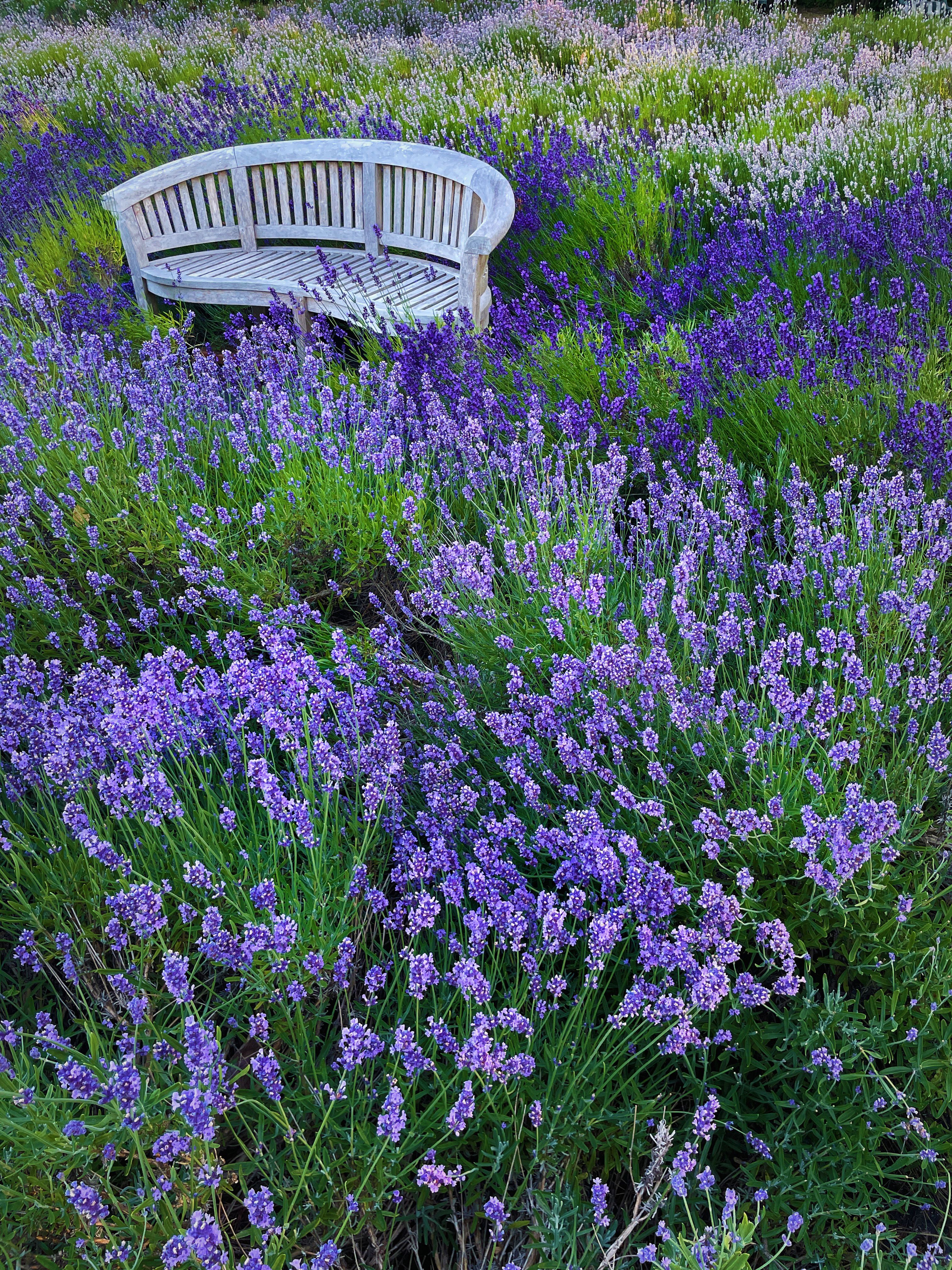
Lavender is a go-to for keeping mosquitoes away, and it smells great while doing the job. It grows best in full sun with well-drained soil and thrives in hardiness zones 5–8. Once established, it’s pretty low-maintenance and drought-tolerant.
Plant it near patios, doorways, or windows where you spend the most time outdoors. You can also crush a few leaves and rub them on your skin for a quick, natural bug repellent that actually works.
2.) Marigold
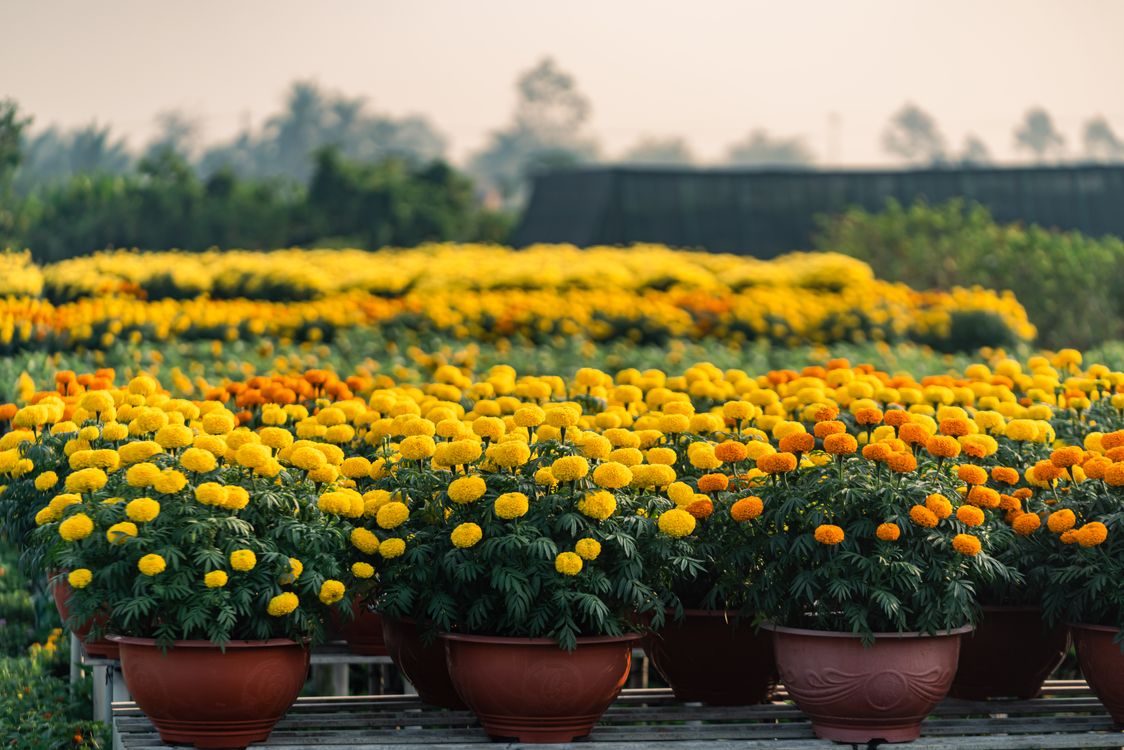
Marigolds are one of the easiest plants to grow if you want to keep mosquitoes away. They produce a natural compound called pyrethrum, which bugs genuinely can’t stand. Plant them in full sun along borders, near patios, or around doorways for the best results.
They thrive in zones 2–11 as warm-season annuals, so you can grow them almost anywhere during summer. Water them regularly but don’t overdo it, and deadhead the spent blooms to keep new flowers coming all season long.
3.) Basil
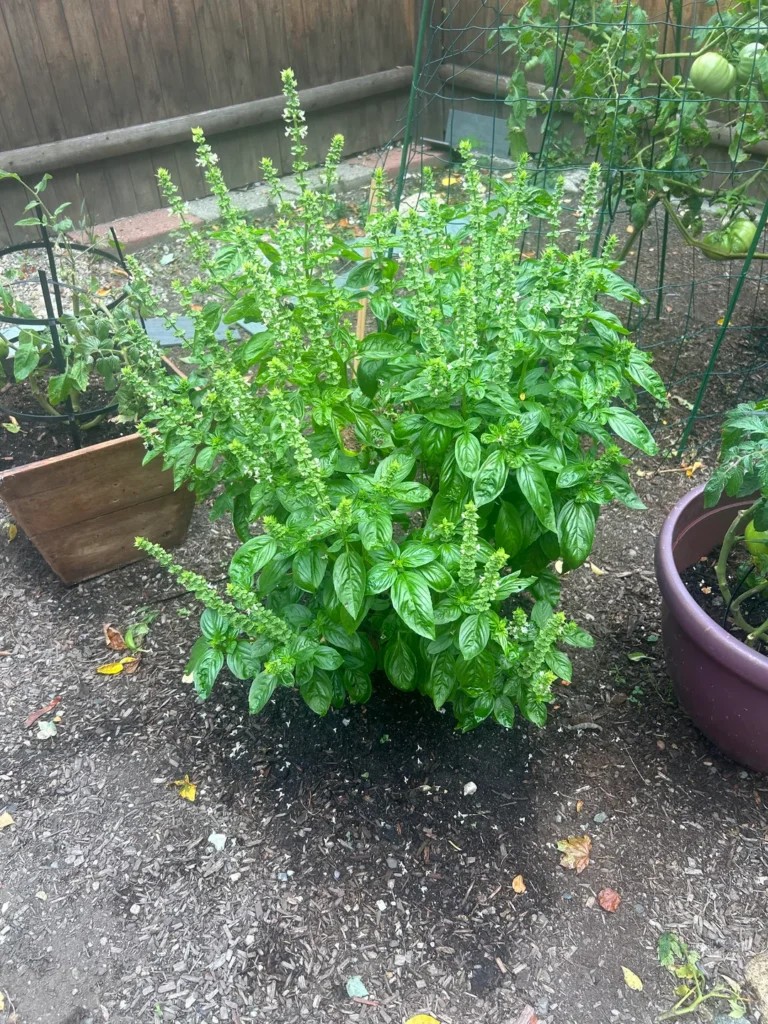
Basil is one of those plants that pulls double duty — it keeps mosquitoes away *and* ends up in your pasta. The strong scent that makes it so useful in cooking is exactly what bugs can’t stand. Plant it near a patio door or seating area for the best results.
It grows well in full sun and warm weather, so it’s a summer winner in most climates. Just keep the soil moist and pinch off flowers to keep the leaves coming.
4.) Catnip
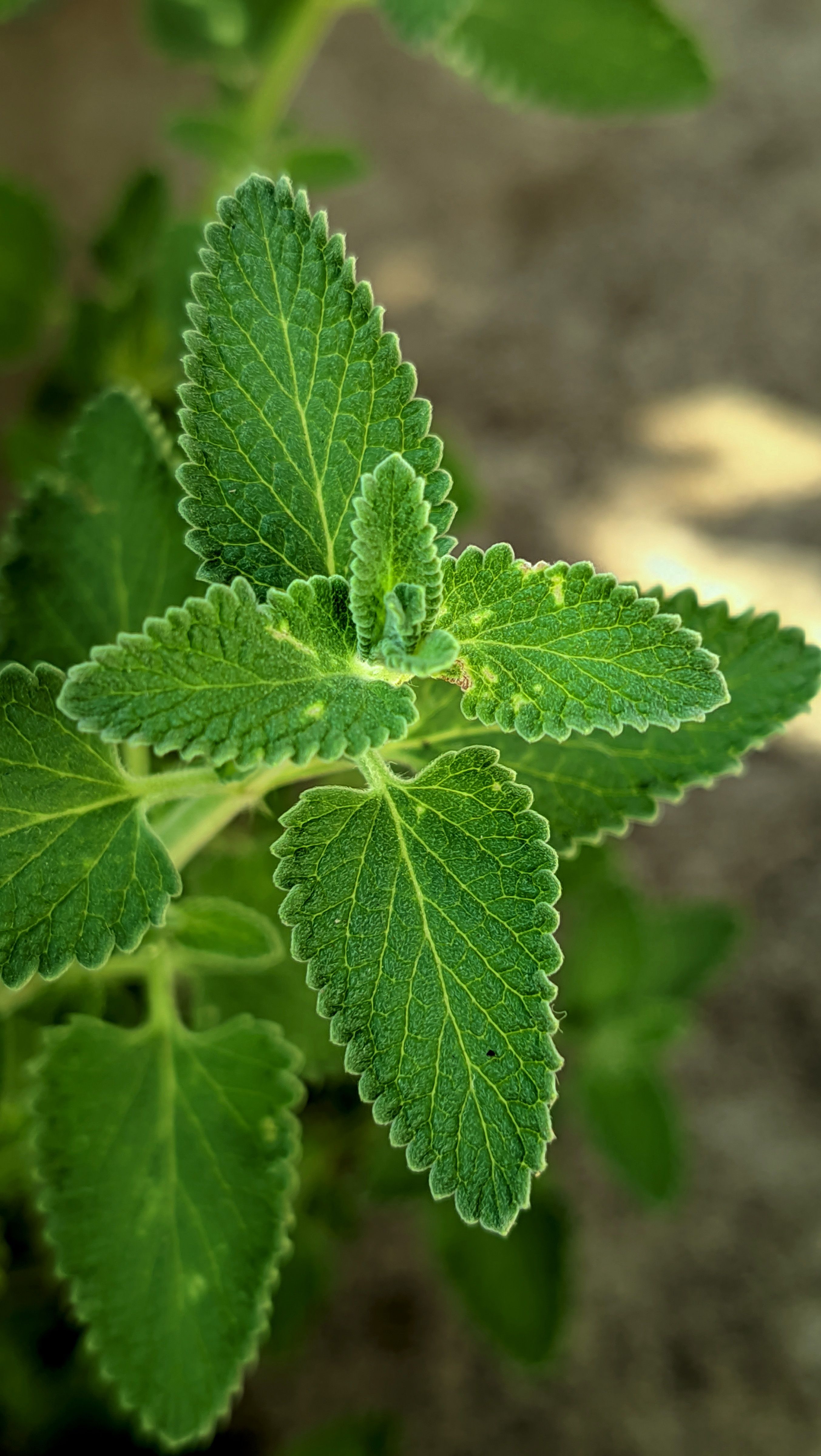
Catnip is actually one of the better mosquito repellents out there — studies have shown it can be more effective than DEET in keeping those little bloodsuckers away. The active compound, nepetalactone, is what does the heavy lifting.
It’s easy to grow in most climates (zones 3–9), prefers full sun to partial shade, and doesn’t need much attention once it’s established. Just keep in mind it spreads fast, so planting it in containers is a smart way to keep it under control.
5.) Rosemary
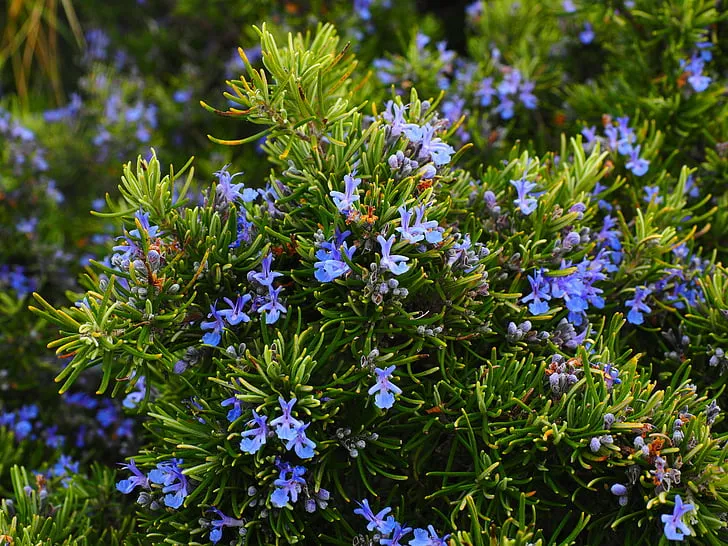
Rosemary is a great option if you want a plant that pulls double duty. Its strong, woody scent is something mosquitoes really don’t enjoy, which makes it handy to have around patios or outdoor seating areas.
It grows best in full sun and well-drained soil, and it’s pretty low-maintenance once established. Zones 7–11 are ideal for keeping it outdoors year-round, but cooler climates can grow it in pots and bring it inside when temps drop.
6.) Lemon Balm
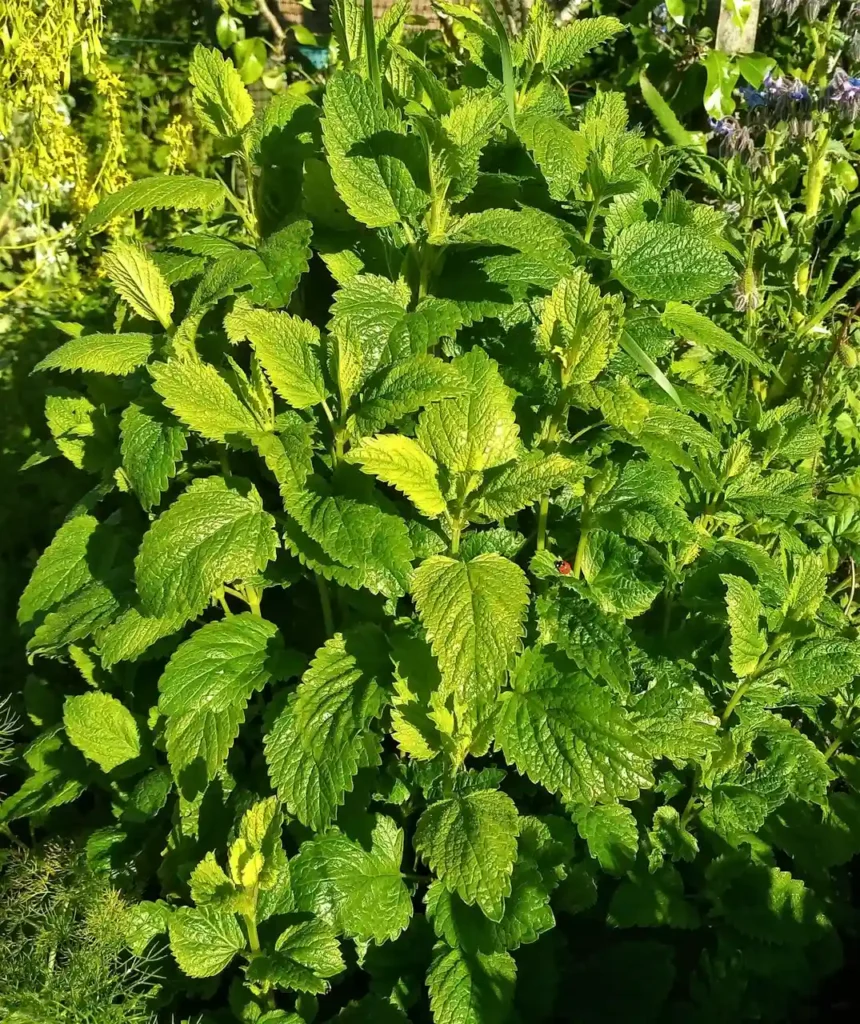
Lemon balm has a strong citrusy scent that mosquitoes really can’t stand. It grows well in most climates (zones 3–7) and does fine in partial shade, which makes it easy to tuck into spots around your yard or patio.
It spreads pretty aggressively, so planting it in containers is a smart move to keep it from taking over. Crush a few leaves and rub them on your skin for a quick, natural bug deterrent that actually works.
7.) Peppermint
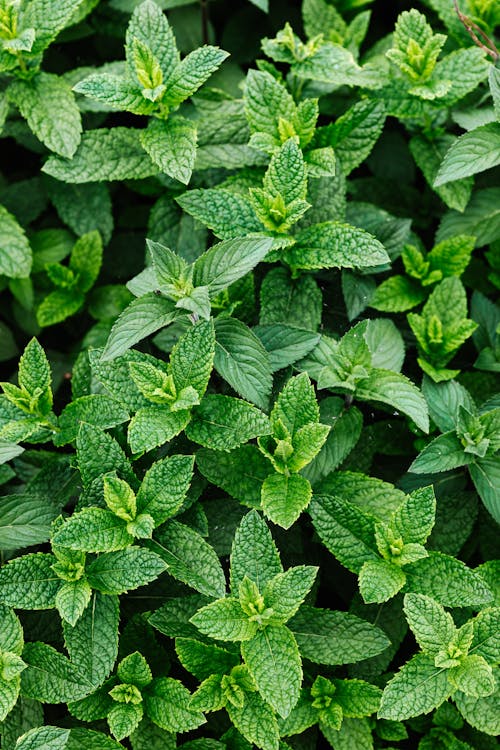
Peppermint is one of the best plants you can grow if you want to keep mosquitoes away. The strong menthol scent messes with their ability to track you down, making it surprisingly effective as a natural repellent.
It grows well in zones 3–11 and does fine in both sun and partial shade. Just keep it in a pot — peppermint spreads fast and will take over a garden bed if you’re not careful. Crush a few leaves to release even more scent.
8.) Garlic

Garlic isn’t just for keeping vampires away — it works on mosquitoes too. The sulfur compounds it releases naturally repel insects, making it a solid addition to your yard or garden beds. It grows well in zones 3–8 and does best in full sun with well-drained soil.
Plant it near patios or along borders where you spend time outside. As a bonus, it keeps other pests away from nearby plants, so it pulls double duty without any extra effort on your part.
9.) Pennyroyal
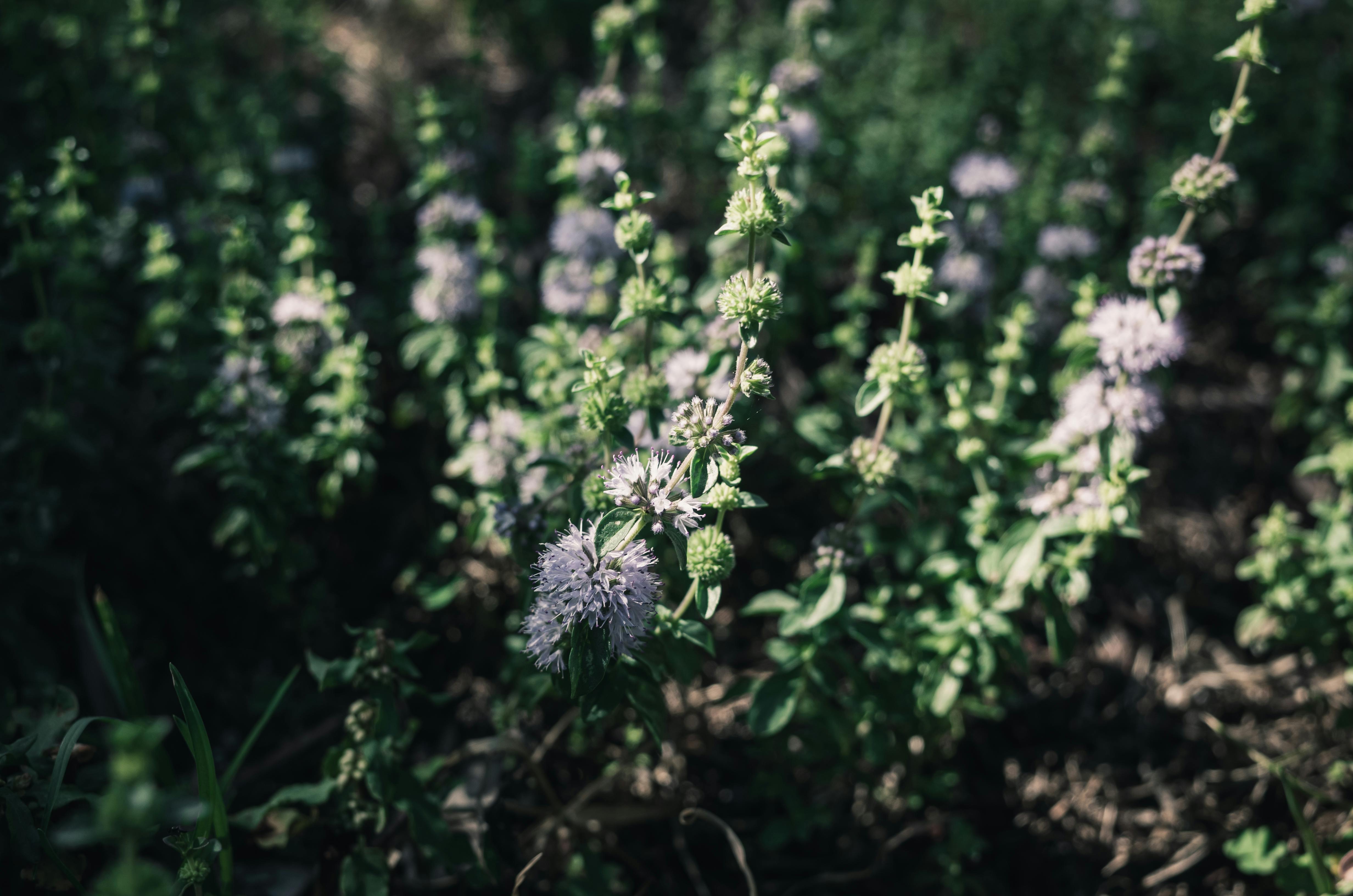
Pennyroyal is a low-growing herb in the mint family that mosquitoes genuinely can’t stand. It releases a sharp, menthol-like scent that bugs find overwhelming — especially when the leaves are brushed or crushed. Plant it along walkways or near seating areas where foot traffic will naturally activate the oils.
It grows well in zones 5–9 and prefers moist soil with partial to full sun. Just keep in mind that pennyroyal can spread quickly, so containers are a smart option if you don’t want it taking over.
10.) Sage
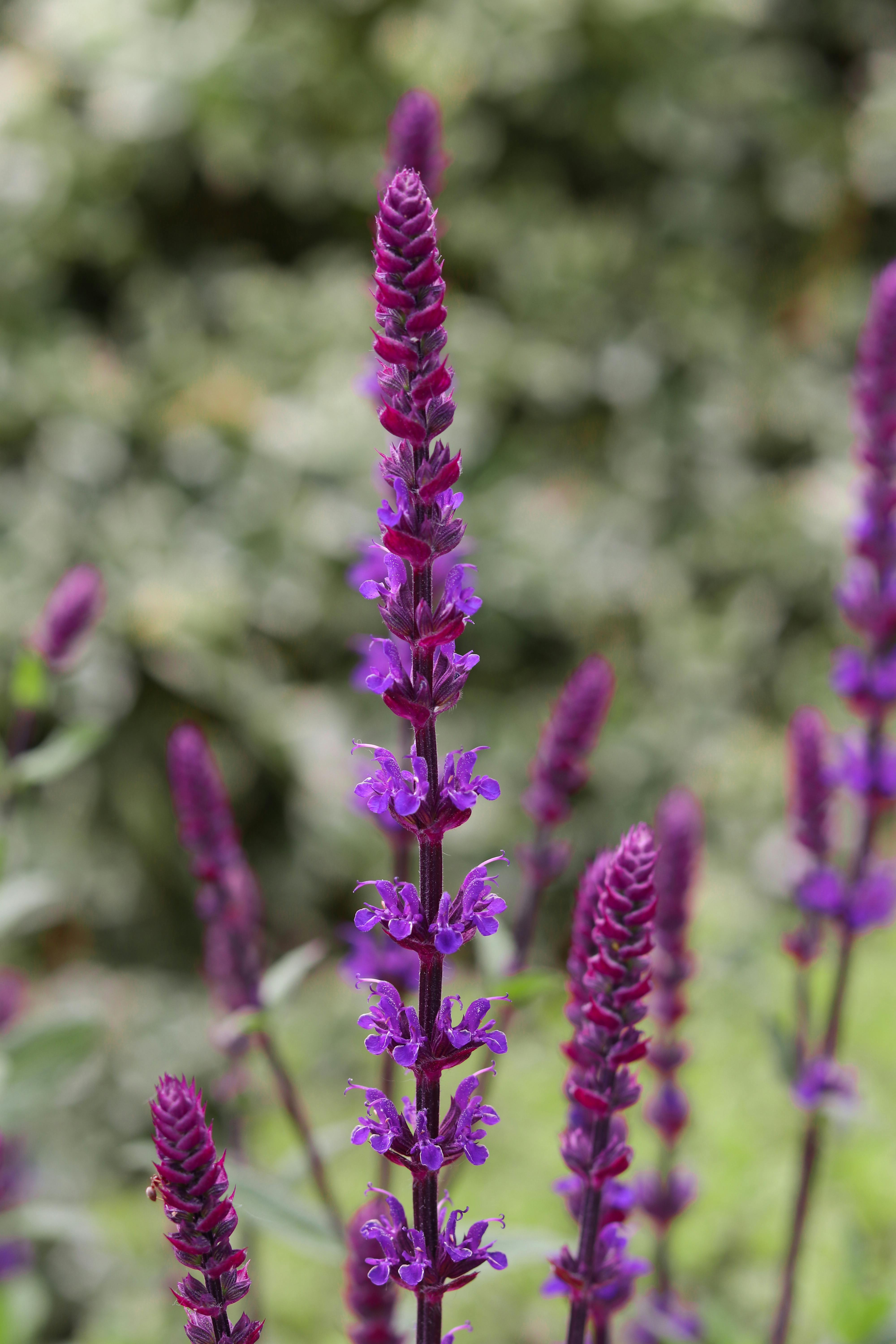
Sage is a great option if you want a plant that pulls double duty — it keeps mosquitoes away and works in the kitchen. It gives off a strong scent that bugs genuinely dislike, especially when the leaves are crushed or burned near an outdoor seating area.
It grows best in full sun with well-drained soil and doesn’t need much water once it’s established. Sage does well in zones 5–8 and comes back every year, so it’s a low-maintenance win.
11.) Thyme

Thyme is a solid pick if you want a plant that does double duty — it keeps mosquitoes away and still ends up in your dinner. The natural oils it releases, especially linalool and thymol, are what bugs hate about it.
It grows best in full sun with well-drained soil and doesn’t need much water once it’s established. Hardy in zones 5–9, it holds up through light frost too. Crush a few leaves and rub them on your skin for a quick, natural bug repellent.
12.) Lemongrass
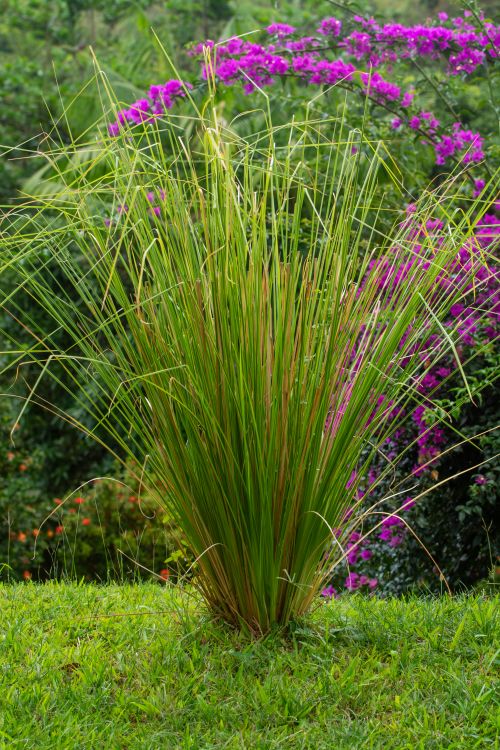
Lemongrass is a solid mosquito repellent because it naturally contains citronella oil — yes, the same stuff in those candles. The difference is you’re getting it straight from the source. Plant it in full sun and well-drained soil, and it’ll thrive in zones 9–11. In cooler areas, grow it in a pot and bring it inside before the first frost.
It can grow pretty tall (up to 4 feet), so place it near seating areas where the scent can do its job.
13.) Bee Balm

Bee balm is a great option if you want to keep mosquitoes away while adding some color to your yard. It contains thymol and carvacrol, which bugs really don’t like. It grows well in zones 4–9 and does best in full sun with moist, well-drained soil.
Plant it in borders or near a patio where you spend time outdoors. It does spread over time, so give it some room. As a bonus, it also attracts butterflies and hummingbirds.
14.) Geranium

Geraniums are a solid pick if you want a mosquito-fighting plant that also looks good on a porch or patio. They contain a natural oil called geraniol, which bugs — especially mosquitoes — really don’t like.
They grow best in full sun and well-drained soil, and they’re pretty low-maintenance once established. Most varieties do well in zones 10–11 but work great as annuals or container plants everywhere else. Keep them in pots near seating areas for the best results.
15.) Floss Flower

Floss flower (*Ageratum houstonianum*) contains coumarin, a natural chemical that mosquitoes really can’t stand. It’s one of the more low-key options on this list, but don’t let that fool you — it pulls its weight.
It grows well in USDA zones 2–11 as an annual and does best in full sun to partial shade. Plant it along borders or in pots near seating areas. Water it regularly but make sure the soil drains well so the roots don’t sit wet.
16.) Chrysanthemum

Chrysanthemums are one of the best-kept secrets in natural mosquito control. They contain a compound called pyrethrin, which is actually used in many commercial insect repellents. Plant them along borders, patios, or near doorways where mosquitoes tend to hang out.
They grow best in full sun and well-drained soil, thriving in hardiness zones 5–9. Plant them in spring for a strong summer showing. As a bonus, they’re pretty low-maintenance once established.
17.) Eucalyptus

Eucalyptus is one of the most effective natural mosquito repellents out there, thanks to its strong scent and natural oil content. In fact, eucalyptus oil is actually an approved ingredient in many commercial insect repellents.
You can grow it as a potted plant on your patio or deck, where it does best in full sun. It thrives in warmer climates (zones 8–11) but can be grown indoors in cooler areas. Just keep the soil well-drained and let it dry out between waterings.
18.) Tansy

Tansy has been used as a bug repellent for centuries, and it still holds up today. The plant contains compounds called thujone and camphor, which mosquitoes really don’t like. Plant it along borders or near seating areas for the best results.
It grows well in zones 4–8 and prefers full sun with well-drained soil. One thing to keep in mind — tansy spreads aggressively, so growing it in containers can help keep it under control.
19.) Wormwood
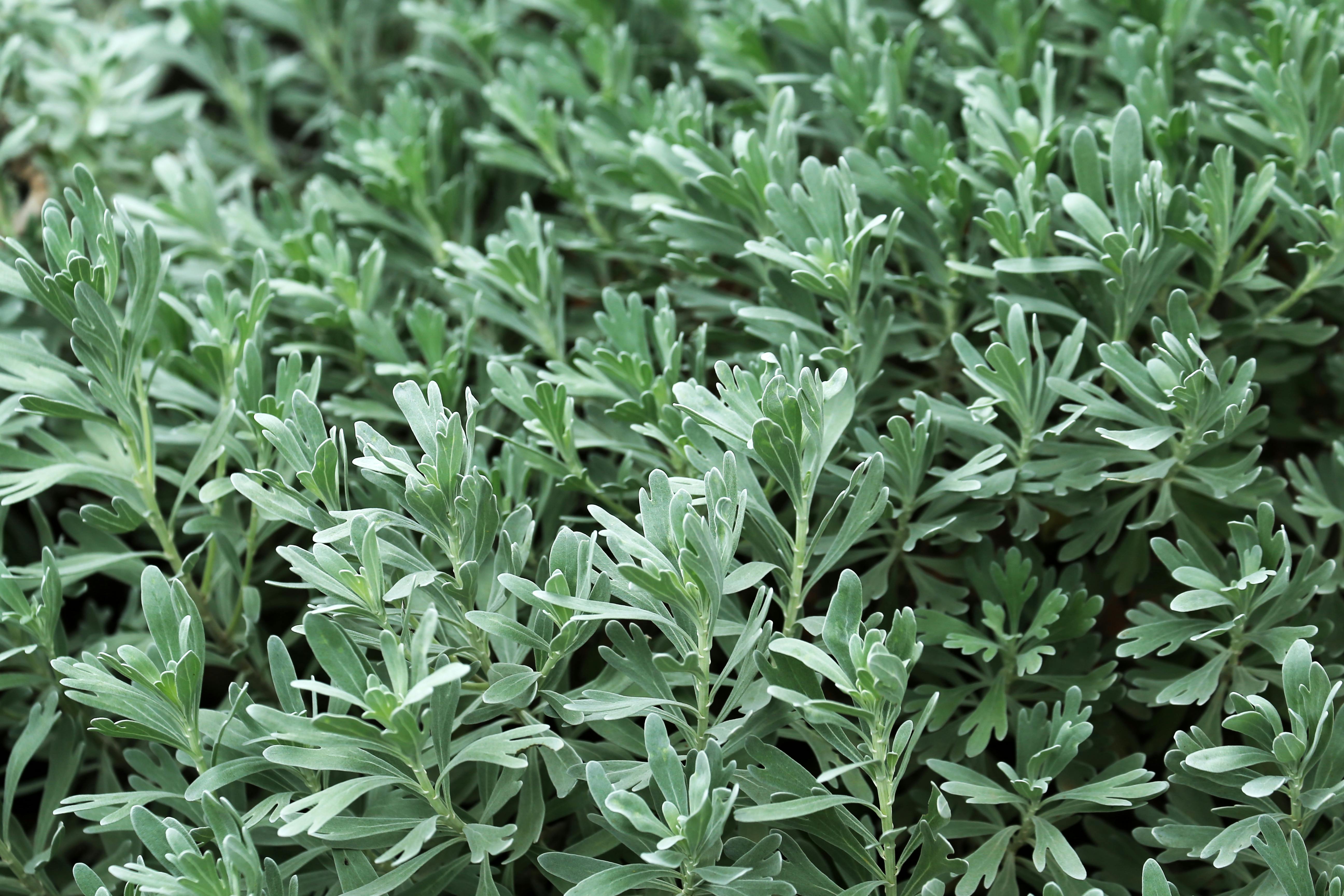
Wormwood has been keeping bugs away for centuries, and it still holds up today. The plant contains a natural compound called absinthin, which mosquitoes really don’t like. It grows well in dry, sunny spots and doesn’t need much water or attention, making it a solid low-maintenance option for your yard.
It thrives in hardiness zones 4–9 and can spread quickly, so planting it in containers is a smart move if you don’t want it taking over your garden beds.
20.) Allium

Alliums — think ornamental onions, garlic, and chives — give off a strong sulfur smell that mosquitoes really can’t stand. Plant them along borders or near seating areas where bugs tend to be the worst.
They grow best in full sun and well-drained soil, and they’re pretty low-maintenance once established. Most varieties do well in hardiness zones 3–9, so they work for a lot of climates. Bonus: they come back year after year with almost no effort on your part.
21.) Cedar

Cedar is a solid pick if you want mosquito protection without planting a whole garden. The natural oils in cedar wood and cedar chips give off a smell that bugs genuinely hate, and it lasts a long time.
You can scatter cedar mulch around your yard, use cedar planks near seating areas, or even burn cedar wood in a fire pit. It pulls double duty by keeping other pests away too, which is always a bonus.
22.) Pine

Pine trees aren’t just pretty backyard staples — they naturally release compounds called terpenes that mosquitoes really don’t like. If you already have a pine tree nearby, you’re already getting some passive protection without even trying.
You can take it a step further by using pine needle mulch around seating areas or picking up pine essential oil to use in a diffuser. It’s a low-effort way to keep things a little more comfortable when you’re spending time outside.
23.) Spearmint

Spearmint is a solid mosquito repellent that also smells amazing — think fresh and minty rather than harsh or chemical. It contains natural compounds like carvone and limonene that bugs genuinely hate.
Plant it in a pot or a dedicated garden bed, since it spreads fast and can take over if left unchecked. It grows well in zones 5–9 and loves partial to full sun. Crushing a few leaves releases even more scent, which ramps up the bug-repelling effect around your patio or porch.