Let’s be honest—most of us would rather spend less time planting and more time enjoying our gardens. The good news? There’s a whole category of vegetables that you plant just once, and they keep producing year after year. These are called perennial vegetables, and they’re about to become your new best friends.
Think of them as the set-it-and-forget-it approach to growing food. Once they’re established, they come back on their own with way less work than your typical tomatoes or lettuce. Ready to meet the vegetables that keep on giving?
1.) Asparagus

Asparagus takes some patience to get started, but it’s worth the wait. Plant crowns in early spring in a sunny spot with well-draining soil, and you’ll be harvesting spears for 15 to 20 years. The first year, let the plants grow without harvesting so they can establish strong roots.
After that, you can harvest spears in spring when they’re 6 to 8 inches tall. Asparagus grows well in zones 3 through 8 and needs regular watering during the growing season. Add compost each fall to keep plants productive.
2.) Rhubarb

Rhubarb is a reliable perennial that comes back year after year once established. It thrives in cooler climates, making it perfect for zones 3-8. Plant crowns in early spring in well-draining soil with plenty of compost mixed in.
The plant needs minimal fussing—just regular watering and a side-dressing of compost each spring. Harvest stalks by pulling them from the base rather than cutting, but always leave at least a third of the plant intact.
Remember that only the stalks are edible; the leaves contain toxic compounds and should be composted.
3.) Jerusalem Artichoke

Jerusalem artichokes are tall, sunflower-like plants that produce knobby tubers underground. Plant them once in spring, and they’ll come back year after year without much effort. They grow in zones 3-9 and can handle different soil types.
These plants spread easily, so give them their own space or they’ll take over your garden. Harvest the tubers after the first frost for the best flavor. The roots taste nutty and work well roasted or in soups.
You’ll get a steady supply each fall with almost no maintenance required.
4.) Walking Onions
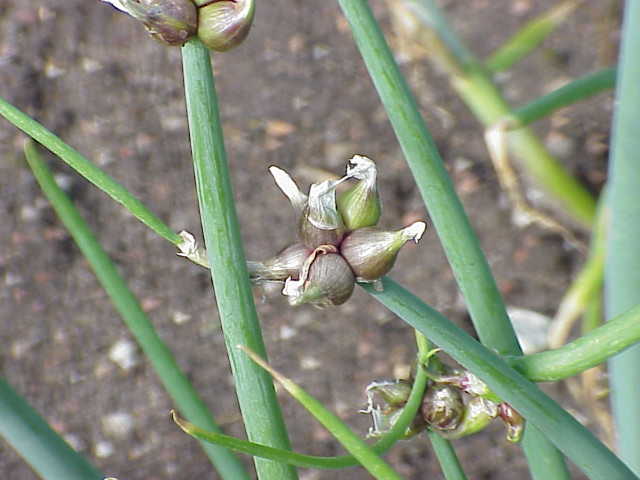
Walking onions get their name from their unusual growing habit—they form bulblets at the top of their stems that eventually weigh down the plant and fall to the ground, creating new plants. You can harvest both the underground bulbs and the topsets for cooking.
These perennial onions thrive in zones 3-9 and need full sun with well-drained soil. Plant them once, and they’ll keep spreading year after year. The greens work great in salads, while the bulbs add flavor to any dish that calls for regular onions.
5.) Egyptian Onions

Egyptian onions are one of the strangest perennials you’ll ever grow. Instead of flowers, they produce clusters of tiny bulbs at the tops of their stalks. These top bulbs eventually get heavy enough to bend the stalk down to the ground, where they plant themselves and start new patches.
You can harvest the underground bulbs, the green shoots, and even those weird top bulbs. They’re all edible and taste like regular onions. They grow well in zones 3-9 and need full sun with decent drainage. Plant them once, and they’ll spread around your garden for years without much help.
6.) Horseradish

Horseradish is a low-maintenance perennial that comes back year after year. Plant it once in spring or fall, and you’ll have a lifetime supply of spicy roots. It grows best in zones 3-9 and prefers full sun with well-drained soil.
The real trick is containing it—horseradish spreads aggressively if left unchecked. Plant it in a deep container or use buried barriers to keep it from taking over your garden.
Harvest roots in fall after the first frost when the flavor is strongest. Leave some roots in the ground, and they’ll regrow next season.
7.) Watercress
Watercress is a leafy green that grows happily in shallow water or consistently wet soil. Once you get it started, it’ll keep producing peppery leaves for years. You can even grow it in a container filled with water on your patio.
This perennial herb thrives in partial shade and cool temperatures, making it perfect for zones 3-11. Harvest the stems regularly to encourage new growth, and make sure the roots stay submerged in water.
It spreads quickly, so you’ll have plenty to add to salads and sandwiches year-round.
8.) Sorrel

Sorrel is a leafy green that comes back year after year with almost no effort on your part. It grows well in most climates and handles partial shade, making it easy to tuck into various garden spots. Hardy in zones 5-9, it’s one of those plants that just keeps producing.
The lemony, tangy leaves work great in salads, soups, and sauces. Just cut what you need, and more leaves will grow back. Sorrel spreads on its own, so you might want to keep an eye on it if you don’t want it taking over.
9.) Good King Henry

Good King Henry is a perennial vegetable that comes back year after year in zones 5-9. You can eat both the leaves like spinach and the young shoots like asparagus, giving you multiple harvests from spring through fall.
Plant it in partial shade with decent soil, and it’ll keep producing for up to 20 years with minimal care. The leaves have a slightly bitter taste that mellows when cooked.
Once established, it spreads slowly and tolerates cold winters well, making it a reliable addition to any low-maintenance garden.
10.) Sea Kale

Sea kale is a coastal perennial that produces edible shoots, leaves, and flowering stems for up to 10 years. It thrives in zones 4-9 and actually prefers sandy, well-drained soil since it naturally grows near beaches.
Plant crowns in early spring and mulch heavily to keep roots cool. The first year, let it establish without harvesting. After that, you can blanch the spring shoots by covering them with pots for sweeter, tender growth.
The plant goes dormant in winter and returns reliably each spring with minimal fuss.
11.) Turkish Rocket

Turkish Rocket is a perennial cousin of arugula that comes back year after year without replanting. It grows wild across the Mediterranean and tolerates poor soil better than most greens. The leaves have that familiar peppery bite but with a slightly milder flavor.
Plant it in spring or fall in zones 5-9, and it’ll thrive in partial shade or full sun. Once established, it needs little water and actually prefers being left alone. Harvest leaves regularly to keep new growth coming, and it’ll produce from early spring through late fall.
12.) Lovage

Lovage is a tall perennial herb that tastes like celery with a hint of anise. Plant it once in a sunny spot with decent soil, and it’ll come back bigger each year. The plants can reach up to six feet tall, so give them space.
Hardy in zones 3-8, lovage handles cold winters without problems. You can harvest the leaves throughout the growing season for soups and salads. The stems work well as a celery substitute, and even the seeds are edible.
Cut it back in fall, and it’ll return stronger next spring.
13.) Chives

Chives are one of the easiest perennials to grow in your garden. These onion-flavored herbs come back year after year without much effort on your part. Plant them once in well-drained soil with plenty of sunlight, and they’ll keep producing for at least five years.
They’re hardy in zones 3-9 and can handle cold winters just fine. Snip the green shoots whenever you need them for cooking, and they’ll grow right back. Divide the clumps every few years to keep them healthy and spread them around your garden.
14.) Globe Artichoke

Globe artichokes are tall perennial plants that can produce tasty flower buds for up to five years. They grow best in zones 7-11 and need full sun with well-draining soil. Each plant can reach 4-6 feet wide, so give them plenty of space.
You’ll get your first harvest the second year after planting. Cut the buds before the flowers open for the best flavor. These plants need regular watering and a thick layer of mulch to protect the roots during winter.
In colder zones, treat them as annuals or bring the crowns indoors over winter.
15.) Radicchio
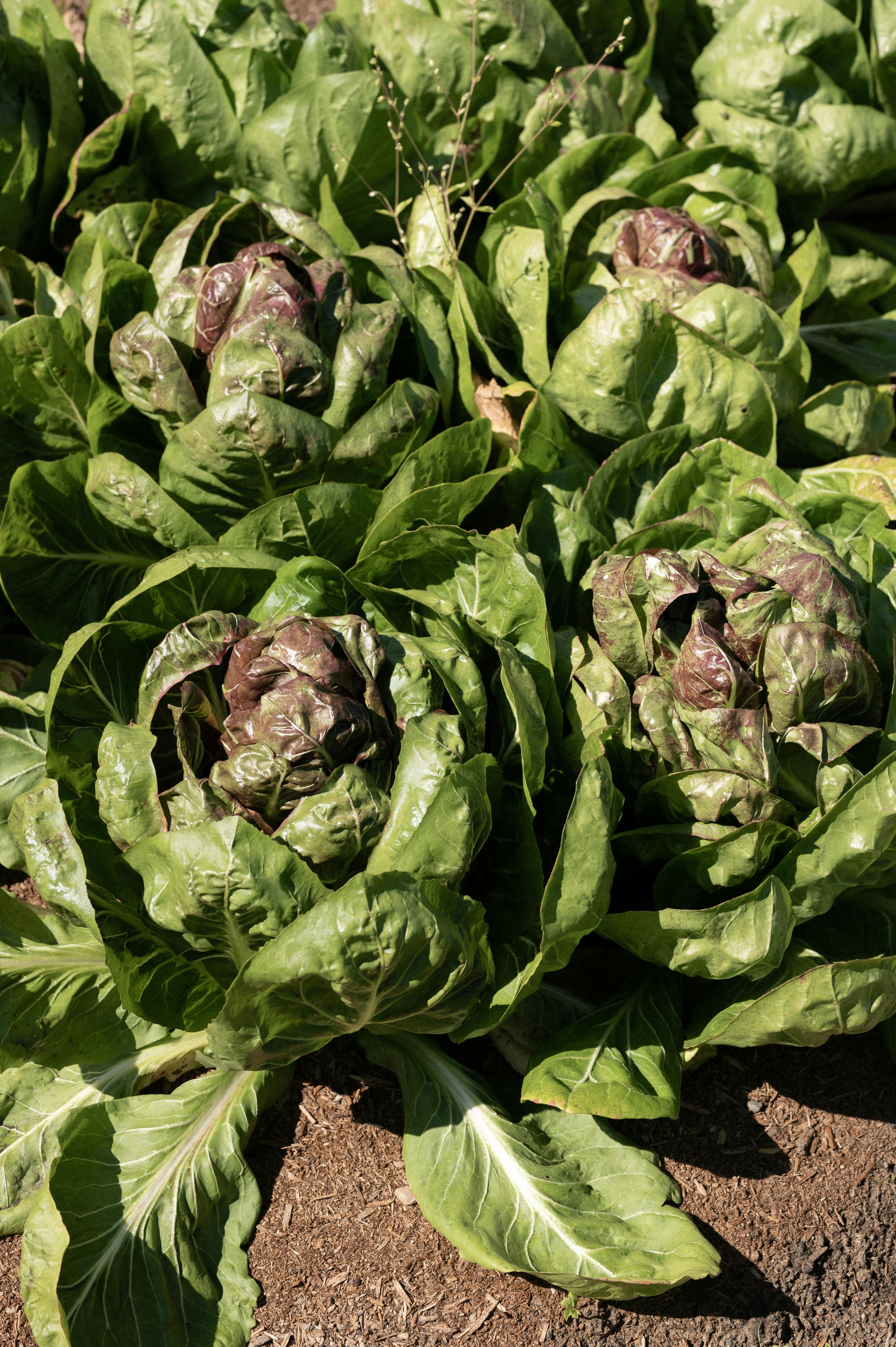
Radicchio might surprise you as a perennial option if you’re in zones 4-8. While most people treat it like an annual, it can regrow from its roots year after year when you cut the heads and leave the base intact.
Plant it in well-draining soil with full sun to partial shade. The bitter leaves develop better flavor after a light frost, which actually sweetens them up a bit.
Keep the soil moist but not waterlogged, and you’ll get multiple harvests from the same plant for several seasons.
16.) French Sorrel

French sorrel is a leafy green with a tangy, lemony flavor that works great in salads, soups, and sauces. Plant it once in your garden, and it’ll keep producing leaves for 5-10 years or more. It’s a perennial that comes back reliably each spring.
This herb grows best in zones 5-9 and prefers partial shade, though it can handle full sun in cooler climates. Keep the soil moist and harvest the outer leaves regularly to encourage new growth.
Cut off flower stalks as they appear to keep your plant focused on producing tasty leaves instead of seeds.
17.) Wild Leeks

Wild leeks, also known as ramps, are woodland perennials that come back reliably each spring. They grow best in shady spots with moist, rich soil and prefer the cooler conditions of zones 3-7. Plant them once in fall, and you’ll harvest flavorful greens for years to come.
The leaves appear early in spring, followed by white flowers. Harvest carefully by taking only one leaf from each plant to keep them healthy. Wild leeks spread slowly through seeds, so patience pays off. They taste like a mix of onion and garlic.
18.) Bunching Onions

Bunching onions keep producing new shoots after you harvest them, making them a reliable addition to your garden. Just cut the green tops when you need them, leaving about an inch above the soil, and they’ll grow back in a few weeks.
These onions do well in zones 6-9 and prefer full sun with regular watering. Plant them in spring or fall in well-draining soil.
They’re pretty low-maintenance and can handle light frost. Divide the clumps every few years to keep them healthy and productive.
19.) Tree Collards

Tree collards are a perennial version of regular collards that can produce leaves for 5-10 years. They grow as tall shrubs rather than low plants, reaching up to 8 feet in mild climates. These plants thrive in zones 8-10 and need well-draining soil with regular water.
Harvest leaves year-round by picking the outer ones first, leaving the growing tip intact. Tree collards don’t produce seeds, so you’ll need to propagate them from cuttings. They handle light frosts but need protection in colder weather.
20.) Perennial Kale
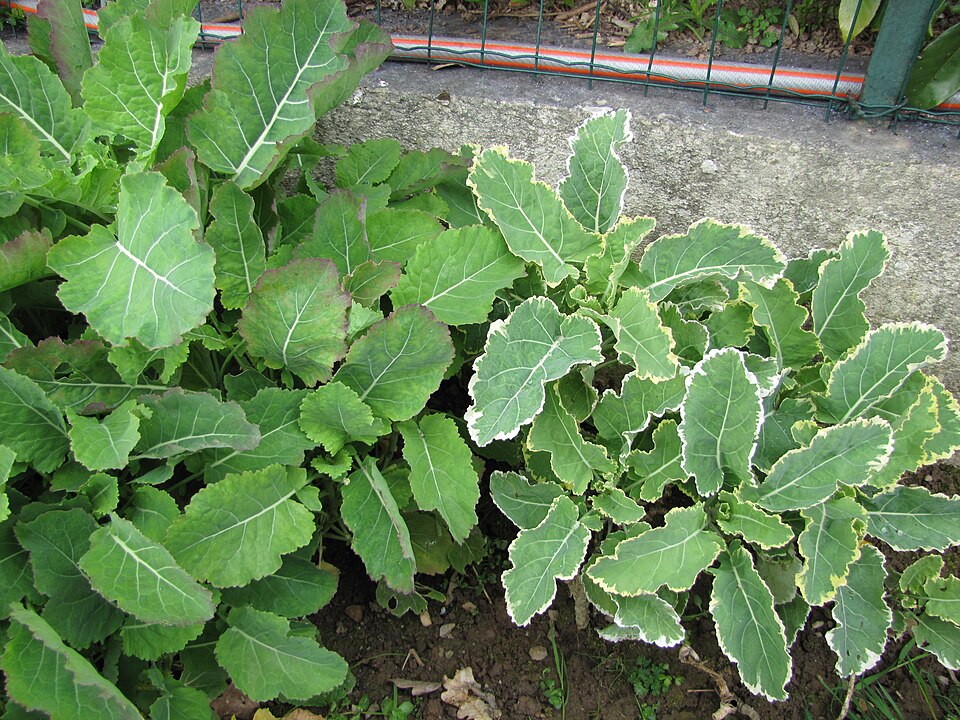
Perennial kale keeps producing leaves year after year, making it a practical choice for gardeners who want a low-maintenance food source. Unlike regular kale, varieties like Daubenton’s kale can survive for several years and keep giving you fresh greens.
Plant it in well-draining soil with full sun to partial shade. It grows well in zones 6-9 and handles cold weather better than heat. Harvest the outer leaves regularly to encourage new growth.
Water during dry spells and add compost each spring. The plants can get woody after a few years, but you can easily start new ones from cuttings.
21.) Ostrich Fern

Ostrich ferns are one of those plants that give you edible fiddleheads every spring without replanting. The tightly coiled shoots pop up early in the season and taste great sautéed or steamed. Just harvest them when they’re still curled and about 6-8 inches tall.
These ferns grow well in zones 3-7 and prefer shady spots with moist soil. Plant them once, and they’ll spread slowly through underground runners. They need consistent water and do best under trees or along stream banks where the ground stays damp.
22.) Daubenton’s Kale

Daubenton’s kale is a perennial variety that keeps producing leaves year after year without replanting. It grows as a bushy plant that you can harvest from continuously, taking leaves as you need them while the plant keeps growing.
Plant it in well-draining soil with full sun to partial shade. It’s hardy in zones 6-10 and actually tastes better after a light frost. The plant rarely flowers, which means it puts all its energy into producing tender leaves instead.
Keep it lightly watered and trim it back occasionally to encourage new growth.
23.) Wild Garlic

Wild garlic is a low-maintenance perennial that spreads naturally through bulbs and seeds. You’ll get edible leaves, flowers, and bulbs year after year without replanting. It thrives in zones 4-8 and prefers partial shade with moist soil.
Plant it in early spring or fall, and it’ll establish itself quickly. The leaves taste like mild garlic and appear in early spring, perfect for pesto or salads. Keep it contained though—wild garlic can spread aggressively if you’re not careful.
Once established, it basically takes care of itself and comes back reliably each season.
24.) Nine Star Broccoli

Nine Star Broccoli is a perennial variety that comes back year after year, producing small florets from a central head. Plant it once, and you’ll get harvests for up to five years. It grows best in zones 7-10 and needs full sun with rich, well-drained soil.
The heads look different from regular broccoli—they’re smaller and form in clusters around the main stem. Cut the florets regularly to encourage more growth throughout the season.
Give plants about two feet of space and water them consistently. They’ll go dormant in winter and bounce back when spring arrives.
25.) Chinese Artichoke

Chinese Artichoke produces small, spiral-shaped tubers that taste like a cross between artichoke hearts and water chestnuts. Plant them in spring after the last frost, and they’ll come back year after year without much fuss.
These plants thrive in zones 5-9 and prefer well-drained soil with partial shade to full sun. The tubers spread underground, so you’ll get more plants each season without replanting.
Harvest in late fall when the leaves die back. Leave a few tubers in the ground, and they’ll regrow next spring.