Want to turn your garden into a hummingbird hotspot? These tiny birds are always on the lookout for their next meal, and the right flowers will have them zooming into your yard all season long.
Some plants work like magic when it comes to attracting these fast-flying visitors—and you might be surprised by which ones make the list. Let’s check out 25 flowers that hummingbirds absolutely can’t resist.
1) Bee Balm

Bee Balm lives up to its name by attracting both bees and hummingbirds to your garden with its tubular red, pink, or purple flowers. These blooms appear in mid to late summer and sit atop stems that can reach 2-4 feet tall.
You’ll want to plant it in full sun to partial shade in zones 4-9, and make sure the soil drains well. Bee Balm spreads quickly, so give it plenty of room or be ready to divide it every few years. It’s prone to powdery mildew, especially in humid conditions, but newer varieties have better resistance to this common problem.
2) Trumpet Vine

Trumpet Vine lives up to its name with tubular flowers that hummingbirds can’t resist. The blooms come in orange, red, or yellow and appear throughout summer into fall.
Plant it in full sun and watch it climb fences, arbors, or walls—just know that it grows fast and spreads aggressively, so you’ll need to keep it under control with regular pruning.
It thrives in zones 4-9 and handles heat and drought once established, making it pretty low-maintenance. The vine can reach 30 feet or more, so give it plenty of space and a sturdy structure to climb on.
3) Cardinal Flower

Cardinal Flower lives up to its name with bright red tubular blooms that hummingbirds can’t resist. These North American natives grow 2-4 feet tall and bloom from mid-summer through early fall, providing food when hummers need it most during migration season.
Plant them in moist soil with partial shade, especially in warmer climates. They’re perfect for wet areas where other flowers struggle—think pond edges or rain gardens.
Hardy in zones 3-9, Cardinal Flowers are short-lived perennials but self-seed readily, so you’ll have new plants coming back each year. Keep the soil consistently damp for best results.
4) Salvia

Salvia comes in dozens of varieties, and hummingbirds go crazy for pretty much all of them. The tubular flowers are perfectly shaped for those long beaks, and they bloom for months on end.
Most types prefer full sun and well-drained soil, making them easy to grow in zones 4-10 depending on the variety. Annual salvias like scarlet sage give you non-stop color until frost, while perennial types like May Night come back year after year.
They’re drought-tolerant once established, so you won’t need to fuss over watering. Deadheading spent blooms keeps them flowering longer and brings even more hummingbirds to your yard.
5) Coral Honeysuckle

Coral honeysuckle produces tubular red and orange flowers that hummingbirds can’t resist. Unlike its invasive cousin, this native vine stays well-behaved in your garden while blooming from late spring through summer.
It grows in zones 4-9 and does well in full sun to partial shade, making it pretty easy to fit into most yards. The vine can climb 10-15 feet on a trellis or fence, so give it something to grow on.
It’s also drought-tolerant once established, which means less watering for you. Plant it near a window where you can watch hummingbirds visit throughout the day.
6) Columbine

Columbine’s unique, bell-shaped flowers dangle from thin stems like little lanterns, and hummingbirds go nuts for them. These perennials come back year after year in zones 3-9, blooming in late spring through early summer.
They prefer partial shade and well-draining soil, making them perfect for those tricky spots under trees where other flowers struggle. Plant them about 12 inches apart and keep the soil moist but not soggy.
Columbine self-seeds easily, so you’ll likely see new plants popping up nearby. Deadhead spent flowers to encourage more blooms, and you’ll have a hummingbird highway in your garden from May through July.
7) Fuchsia
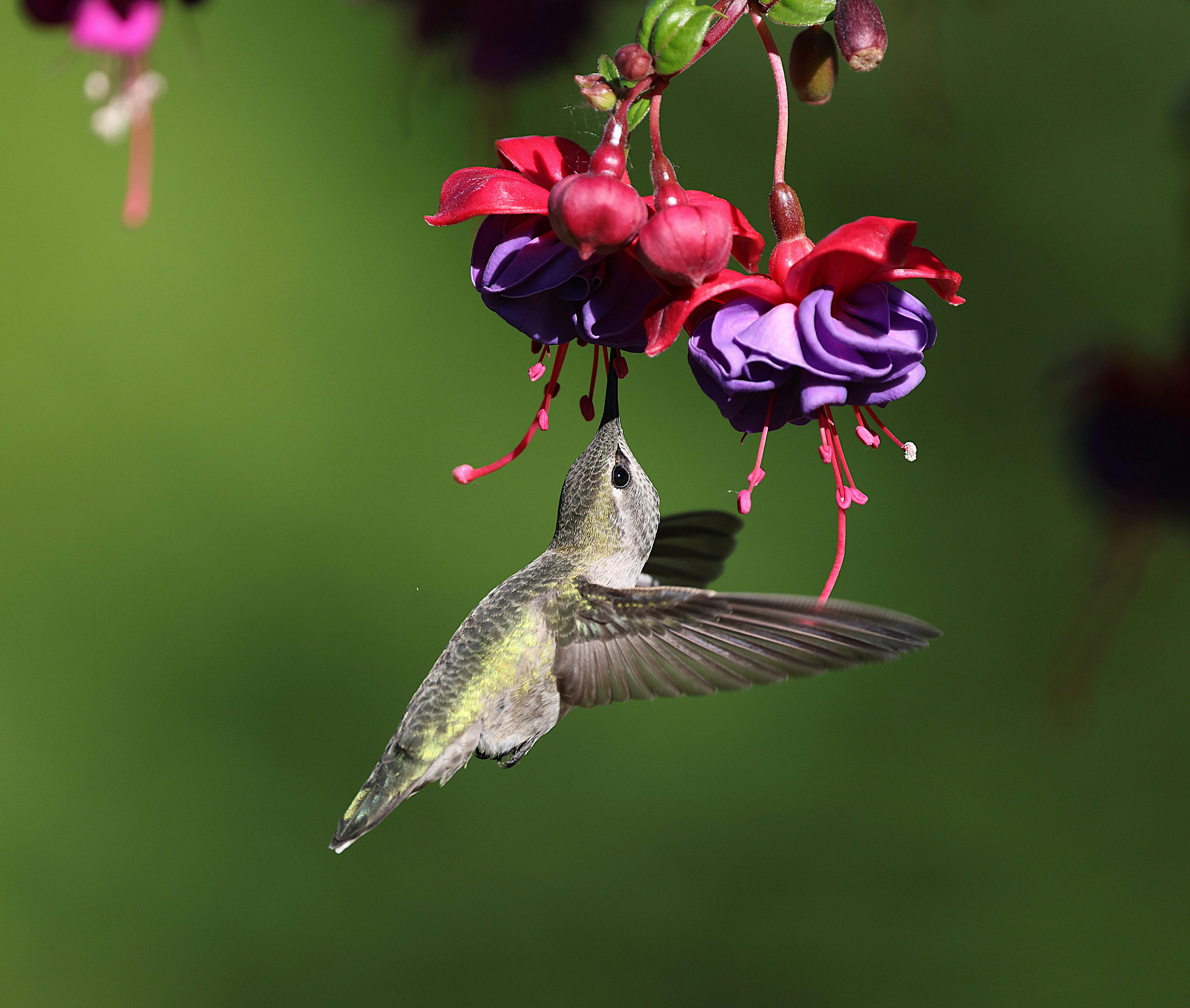
Fuchsias are like natural hummingbird feeders with their dangling, tubular blooms that practically scream “free nectar here!” These plants come in shades of pink, purple, red, and white, often in eye-catching two-tone combinations.
They prefer partial shade and consistently moist soil, making them perfect for covered patios or north-facing garden spots. Most varieties thrive in zones 6-11, though some can handle cooler climates with winter protection.
Hang them in baskets at eye level for the best hummingbird-watching opportunities. Just remember to water them regularly—fuchsias are pretty thirsty plants and will droop dramatically when they need a drink. Deadhead spent flowers to keep the blooms coming all summer long.
8) Penstemon

Penstemon, also called beardtongue, brings hummingbirds right to your garden with its tubular flowers that bloom in shades of pink, purple, red, and white. These North American natives are tough plants that handle drought well once established, making them perfect for low-maintenance gardens.
They grow best in full sun and well-draining soil—soggy roots will kill them fast. Most varieties thrive in zones 3-9, depending on the species. Deadheading spent blooms keeps them flowering from late spring through summer.
Plant them in groups for the best effect, and watch hummingbirds zip from flower to flower all season long.
9) Lantana

Lantana produces clusters of tiny tubular flowers that hummingbirds can’t resist, and you’ll often see several birds competing for the same plant. The flowers come in combinations of pink, orange, yellow, and red, sometimes changing colors as they mature.
These heat-loving plants thrive in full sun and actually prefer dry conditions once established, making them perfect for hot summer gardens. They grow well in zones 8-11 as perennials, or you can treat them as annuals in cooler areas.
Deadheading isn’t necessary, but it helps encourage more blooms. Watch out though—lantana can be aggressive and is considered invasive in some warm climates.
10) Zinnia

Zinnias are a hummingbird favorite that bloom from summer until the first frost. These cheerful flowers come in almost every color except blue, and their tubular centers make it easy for hummingbirds to feed. Plant them in full sun after the last spring frost, spacing them about 6-12 inches apart depending on the variety.
They grow best in zones 2-11 and don’t need much fussing over—just water them at the base to prevent mildew on the leaves. Deadhead spent blooms regularly to keep new flowers coming. Taller varieties might need staking, especially if you’re growing them in a windy spot.
11) Petunia

Petunias are garden workhorses that hummingbirds can’t resist, especially the trumpet-shaped varieties. These annual flowers bloom all summer long in zones 9-11, though most gardeners grow them as annuals everywhere else.
Plant them in full sun and well-draining soil, and they’ll reward you with continuous flowers that draw hummers to your yard. Deadhead spent blooms regularly to keep them producing new flowers.
They work great in hanging baskets, containers, or garden beds. Water when the top inch of soil feels dry, and feed with liquid fertilizer every couple of weeks. Red and purple varieties seem to attract the most hummingbirds.
12) Lupine
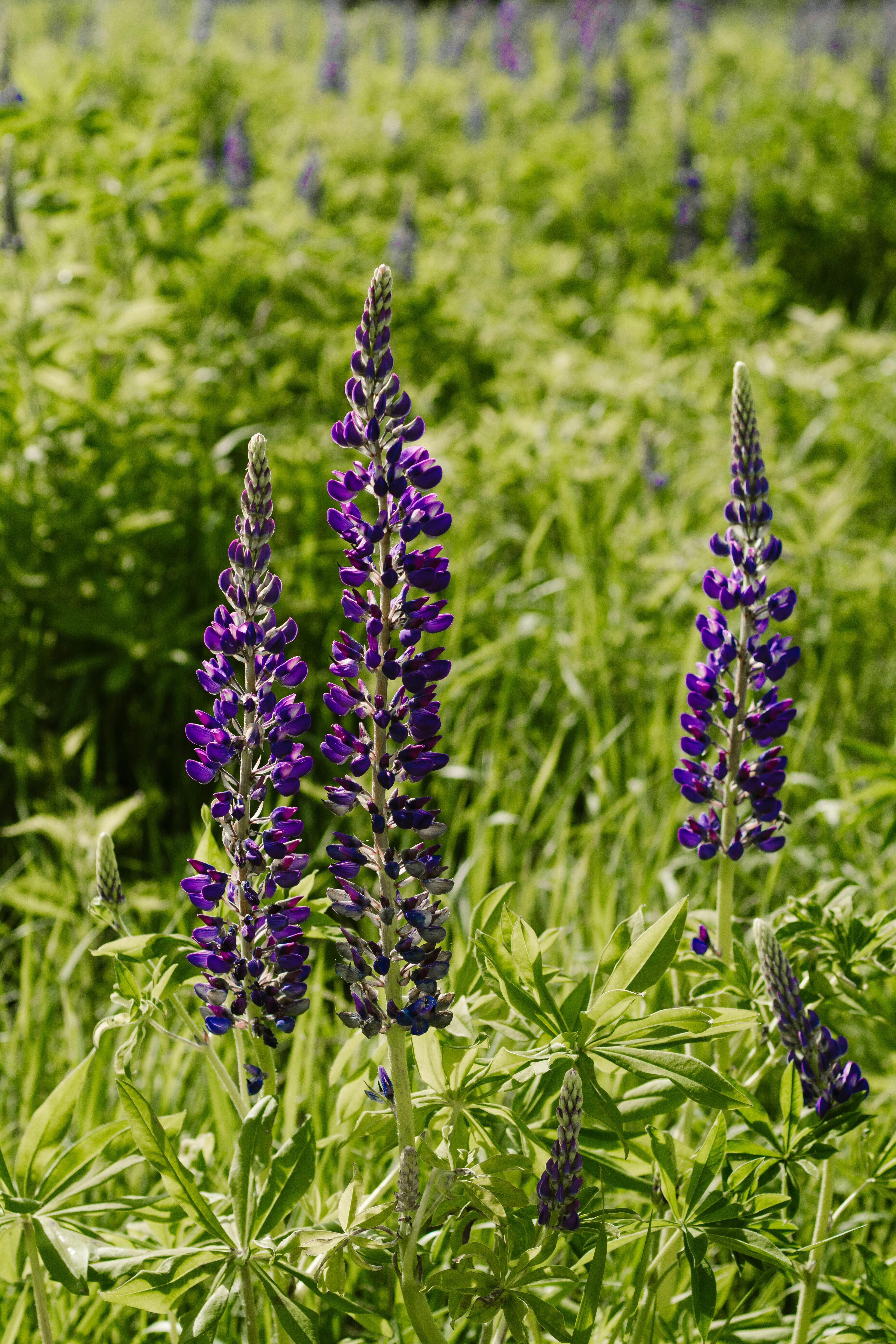
Lupines send up tall flower spikes that hummingbirds absolutely love, with their tubular blooms packed full of nectar. These perennials come in purple, pink, white, and yellow, and they’ll grow anywhere from 1 to 4 feet tall depending on the variety.
They do best in cooler climates (zones 4-8) and prefer full sun with well-drained soil. One heads up: lupines don’t like hot, humid weather, so they’re perfect for northern gardens but can be tricky in the South.
Plant them in spring or fall, and they’ll come back year after year. Their fernlike leaves look great even when they’re not blooming.
13) Red Hot Poker

Red Hot Poker lives up to its name with tall spikes of tubular flowers in fiery orange, red, and yellow shades that hummingbirds can’t resist. These plants grow in clumps of grass-like foliage and send up flower stalks that can reach 2-4 feet tall, blooming from early summer through fall.
They’re pretty easy to grow in zones 5-9, preferring full sun and well-draining soil. Once established, they handle drought well, though regular watering keeps them blooming longer. Deadhead spent flowers to encourage more blooms, and divide clumps every few years if they get crowded. The unique torch-shaped flowers make great cut arrangements too.
14) Firecracker Plant

If you want hummingbirds visiting your garden all summer long, the Firecracker Plant is a solid choice. The tubular red-orange flowers bloom continuously from late spring through fall, giving these tiny birds plenty of reasons to stick around. Growing 2-3 feet tall, it works great in containers or along garden borders.
Plant it in full sun and well-draining soil for best results. It’s hardy in zones 8-11, but gardeners in cooler areas can grow it as an annual or bring it indoors during winter. The plant handles heat and humidity pretty well, though it needs regular watering during dry spells. Deadheading isn’t necessary since it keeps blooming on its own.
15) Bleeding Heart

Bleeding heart produces distinctive heart-shaped flowers that dangle from arching stems, and hummingbirds find them irresistible. The blooms come in pink, red, or white and appear in spring through early summer. Plant them in partial to full shade with moist, well-draining soil rich in organic matter.
They grow best in zones 3-9 and typically reach about two feet tall. The foliage often dies back by midsummer, especially in warmer climates, so consider planting them alongside hostas or ferns to fill in the gaps. Water regularly during dry spells to keep the soil consistently moist but not waterlogged.
16) Trumpet Creeper
If you want hummingbirds fighting over your garden, Trumpet Creeper delivers. These orange to red tubular flowers bloom from summer through early fall, and hummers can spot them from a mile away.
The vine grows fast—sometimes too fast—so plant it where it has room to climb a fence, trellis, or arbor. It thrives in zones 4-9 and handles pretty much any soil as long as it gets full sun.
Fair warning: this plant spreads aggressively through underground runners, so you might need to keep it in check. Once established, it’s drought-tolerant and needs almost zero maintenance.
17) Impatiens
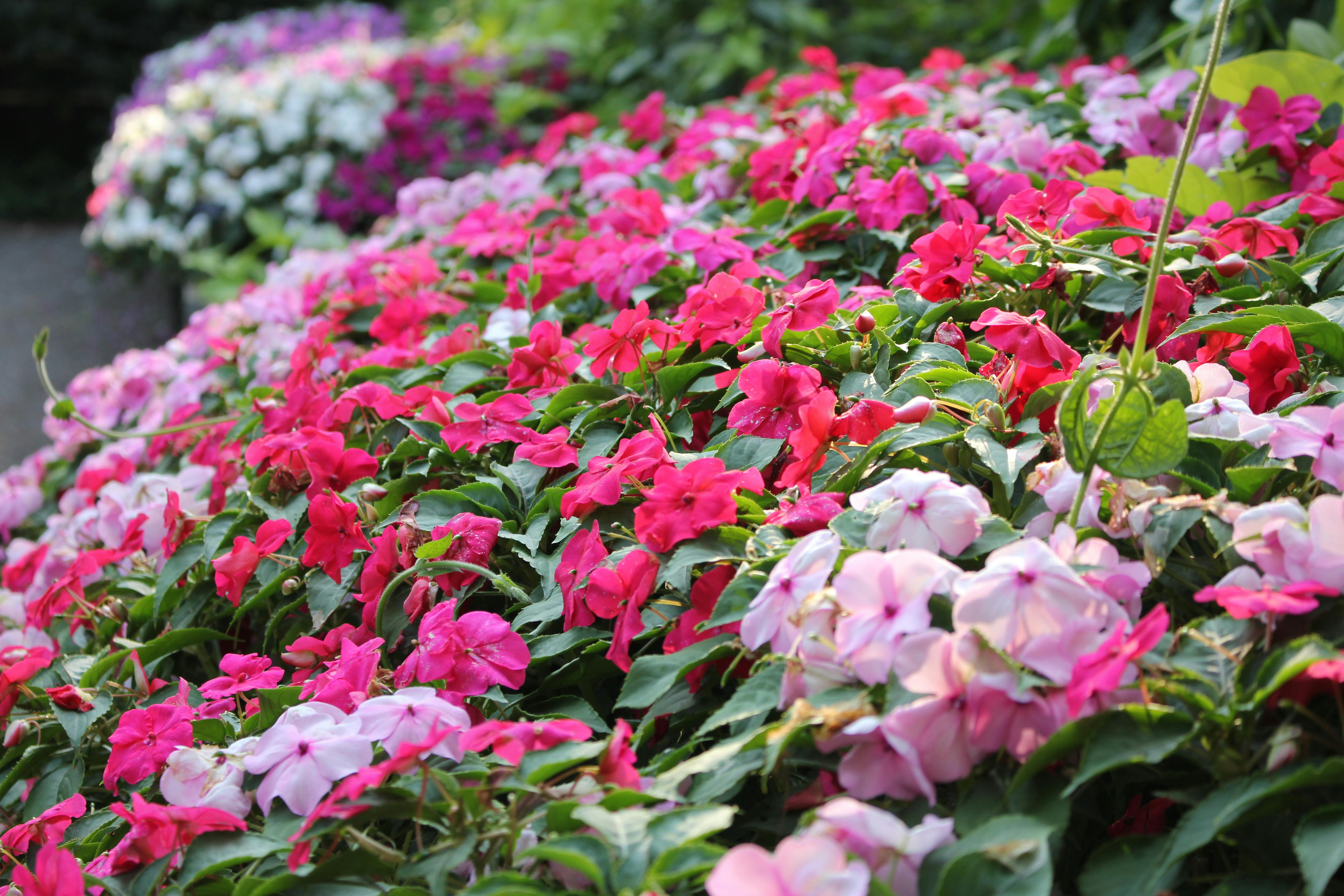
Impatiens are shade-loving annuals that hummingbirds can’t resist, especially the red and orange varieties. These plants work great under trees or on north-facing porches where most flowers struggle. They bloom nonstop from late spring until the first frost, giving hummingbirds a reliable nectar source all season long.
Plant them in moist, well-draining soil and water regularly—they’ll wilt fast if they dry out. Impatiens thrive in zones 10-11 as perennials but grow as annuals everywhere else.
They need minimal maintenance; just pinch off spent flowers occasionally. Space them about 8-12 inches apart, and they’ll fill in nicely to create a colorful ground cover that keeps hummingbirds coming back.
18) Hollyhock

Hollyhocks grow tall—sometimes reaching six to eight feet—making them perfect for the back of flower beds where hummingbirds can easily spot them. These classic cottage garden flowers bloom in summer with trumpet-shaped blossoms that hummers love to visit.
Plant them in full sun and well-draining soil in zones 3-8. They’re biennials, meaning they usually flower in their second year, then reseed themselves for continuous blooms.
Keep them watered during dry spells and stake taller varieties if your area gets windy. The flowers come in pink, red, yellow, white, and purple, giving you plenty of options to match your garden.
19) Delphinium

Delphiniums produce tall flower spikes packed with blue, purple, pink, or white blooms that hummingbirds can’t resist. These cottage garden favorites grow best in zones 3-7, where cooler summers keep them happy.
Plant them in full sun with rich, well-draining soil, and you’ll want to stake the stems since they can reach 4-6 feet tall. They bloom in early to mid-summer and appreciate regular watering. While they’re technically perennials, delphiniums can be fussy and short-lived in warmer climates.
Deadhead spent flowers to encourage a second bloom later in the season, and watch hummingbirds zip between those tubular flowers all summer long.
20) Butterfly Bush

Butterfly Bush lives up to its name by drawing in butterflies—and yes, hummingbirds too. These shrubs produce long, cone-shaped flower clusters in purple, pink, white, or yellow from summer through fall.
They’re pretty low-maintenance once established and can handle drought conditions well. Plant them in full sun and well-draining soil for best results. They grow in zones 5-9 and can reach 6-10 feet tall, though dwarf varieties stay smaller. Deadheading spent blooms keeps flowers coming.
Fair warning: these plants spread aggressively in some areas, so check if they’re considered invasive where you live before planting.
21) Crocosmia
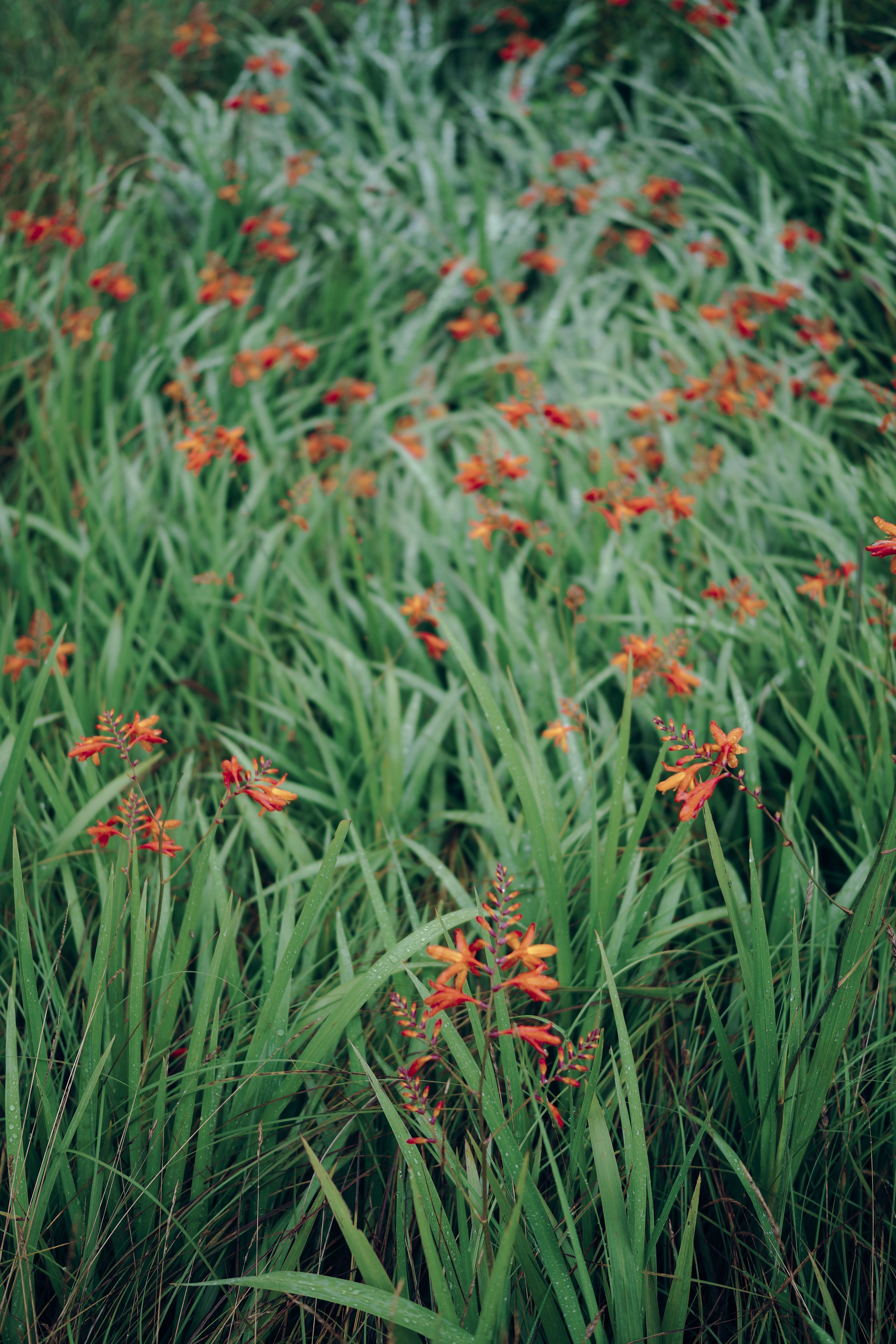
Crocosmia puts on quite a show in midsummer with its arching stems of tubular flowers in shades of red, orange, and yellow—exactly what hummingbirds can’t resist. The sword-like leaves add texture to your garden even when it’s not blooming.
Plant crocosmia corms in spring after the last frost, choosing a spot with full sun and decent drainage. They’re hardy in zones 5-9 and will multiply over time, giving you more flowers each year.
In colder areas, add a layer of mulch for winter protection. These plants handle heat well and don’t need much fussing once established. Just divide the clumps every few years to keep them blooming their best.
22) Jewelweed

Jewelweed grows wild in many shady, damp areas, but you can also plant it in your garden to bring hummingbirds right to your doorstep. The tubular orange or yellow flowers are perfectly shaped for hummingbird beaks, and these birds will visit repeatedly once they find your patch.
Jewelweed thrives in zones 2-11 and prefers moist soil with partial to full shade—think alongside streams or in woodland gardens. It self-seeds easily, so you might find it spreading year after year. As a bonus, the stems contain a sap that many people use to soothe poison ivy rashes and bug bites naturally.
23) Canna Lily

Canna lilies are tall tropical-looking plants with big, bold blooms that hummingbirds can’t resist. They produce bright flowers in red, orange, yellow, and pink throughout summer and into fall. These plants grow 3-6 feet tall, making them perfect for the back of your garden bed.
Plant cannas in full sun and rich, moist soil for best results. They’re hardy in zones 7-11, but you can dig up the rhizomes and store them indoors over winter in cooler areas. Water regularly during hot weather and deadhead spent blooms to keep new flowers coming. Cannas also attract butterflies and add a tropical feel to any yard.
24) Agastache
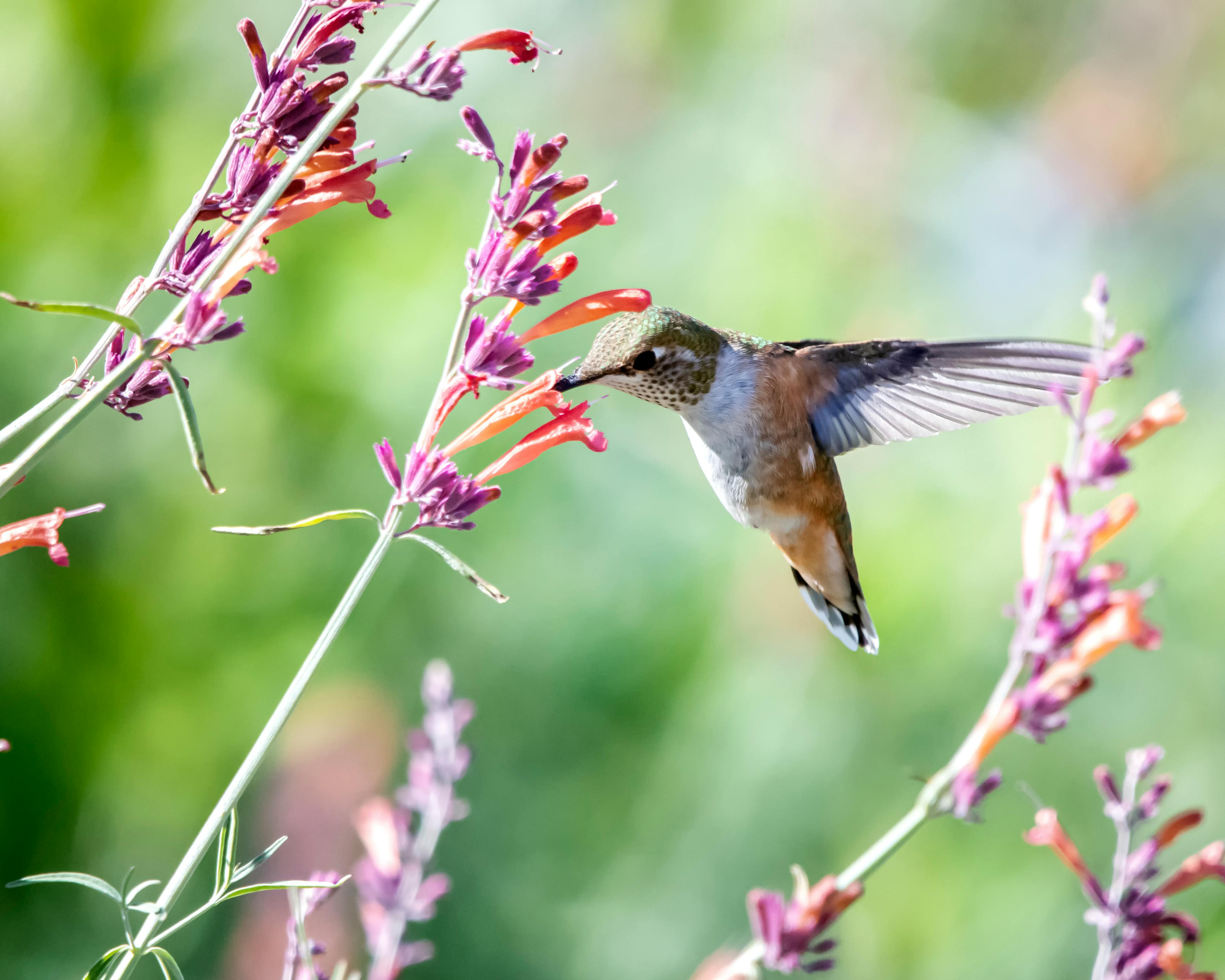
Agastache, also called hyssop or hummingbird mint, produces tall spikes of tubular flowers that hummingbirds can’t resist. The blooms come in colors like purple, orange, pink, and red, depending on the variety you choose.
These plants do best in full sun and well-drained soil, and they’re pretty drought-tolerant once established. Most varieties thrive in zones 5-10 and bloom from summer through fall, giving hummingbirds a reliable food source for months.
As a bonus, the foliage has a pleasant scent that deer tend to avoid. Deadhead spent flowers to keep new blooms coming, though these plants generally take care of themselves with minimal fuss.
25) Weigela
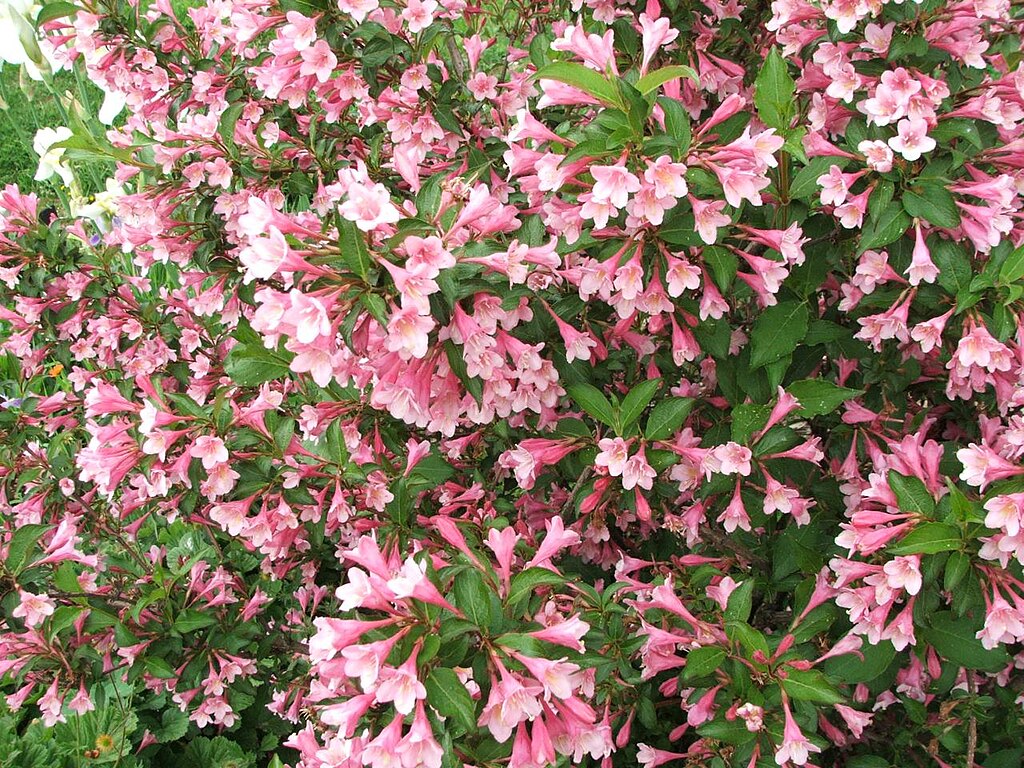
Weigela puts on quite a show in late spring when its tubular flowers cover arching branches in shades of pink, red, or white. Hummingbirds can’t resist these nectar-rich blooms that keep appearing for several weeks.
The shrub grows 3-6 feet tall depending on the variety, making it perfect for borders or as a foundation plant. It thrives in zones 4-9 and prefers full sun but can handle some shade.
Plant it in well-draining soil and water regularly during its first year. Once established, weigela is pretty low-maintenance and only needs occasional pruning after it finishes blooming to keep its shape tidy.