Salmon used to intimidate me. I’d stand at the fish counter, convinced I’d somehow mess it up and waste an expensive piece of fish. But then I discovered how simple it is to bake salmon with just a few ingredients that probably already live in your fridge.
This lemon garlic butter salmon is the recipe that changed everything for me. It takes about 20 minutes from start to finish, and there’s barely any cleanup involved. Just one baking dish and a small bowl. That’s it.
The best part? The butter and garlic create this light sauce as the salmon bakes, so every bite is moist and flavorful. Add some lemon slices on top, and you’ve got a dinner that looks like you spent way more time on it than you actually did. I make this at least twice a month now, usually on nights when I need something quick but still want everyone at the table to be happy.
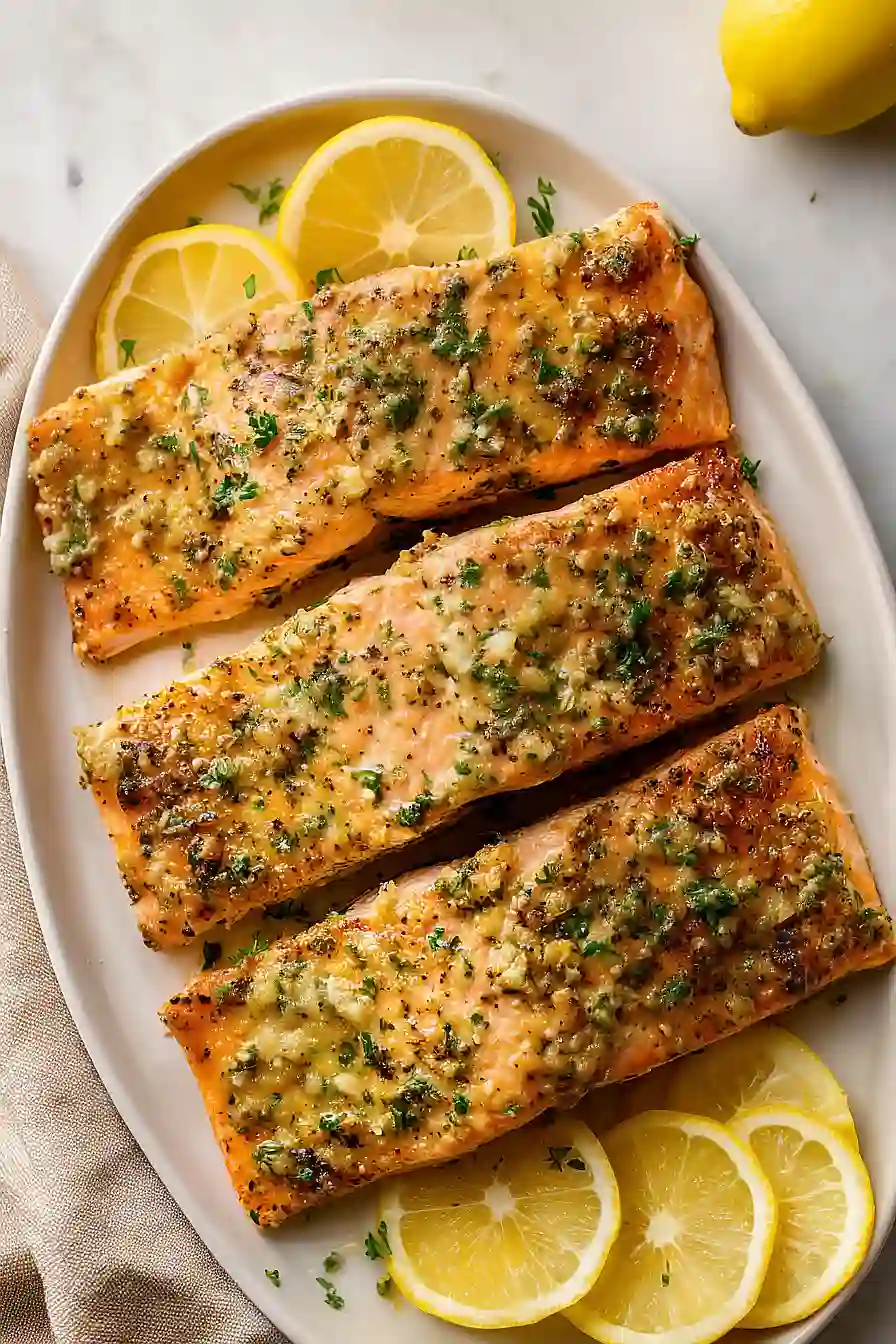
Why You’ll Love This Baked Salmon
- Ready in under 30 minutes – This recipe is perfect for busy weeknights when you need a nutritious dinner on the table fast without spending hours in the kitchen.
- Simple ingredients – You probably have most of these staples in your pantry already – just garlic, lemon, butter, and a few seasonings transform your salmon into something special.
- Healthy and protein-packed – Salmon is loaded with omega-3s and protein, making this a nutritious choice that’s naturally gluten-free and keto-friendly.
- Foolproof preparation – Baking salmon is one of the easiest cooking methods, and the garlic butter keeps it moist and flavorful every time, even if you’re new to cooking fish.
What Kind of Salmon Should I Use?
You can choose farm-raised or wild for this recipe, both will work. And, if all you have access to is frozen salmon, you’ll still be good to go. In fact, most fresh salmon at the supermarket has been previously frozen right off the boat. Just be sure it was handled properly by checking for any visible ice crystals or signs of freezer burn. For this recipe, you’ll want to use a salmon fillet with or without skin – either works fine. If you go with skin-on, just place it skin-side down in your baking dish and the skin will help hold the fillet together as it bakes.
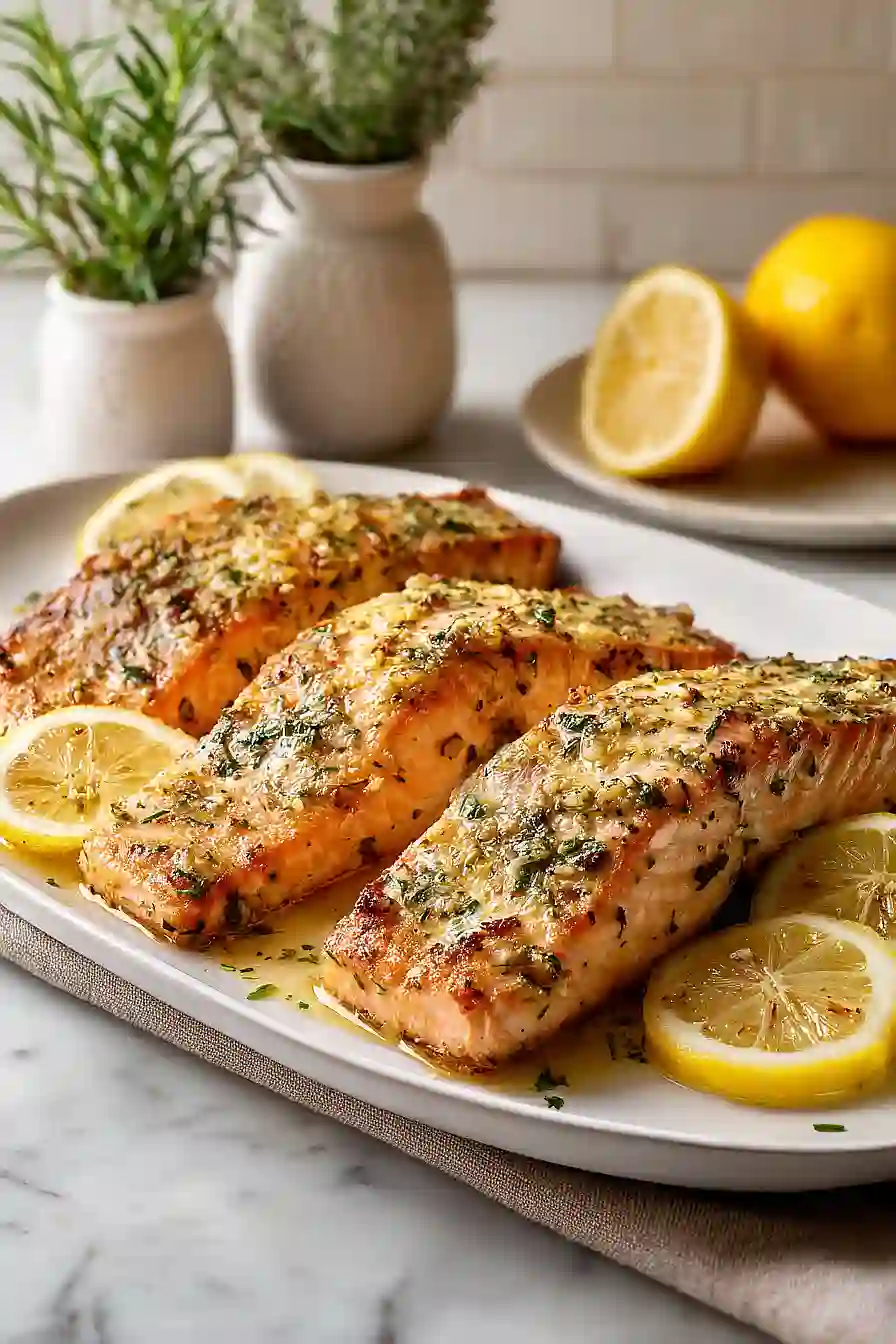
Options for Substitutions
This salmon recipe is pretty straightforward, but here are some swaps you can make if needed:
- Salmon fillet: While salmon is ideal for this recipe, you can use other fish like trout, arctic char, or even thick cod fillets. Just keep an eye on cooking time – thinner fish will cook faster than salmon.
- Fresh lemon juice: Bottled lemon juice works in a pinch, though fresh tastes better. You can also try lime juice for a slightly different citrus flavor.
- Italian seasoning: Don’t have Italian seasoning? Mix together equal parts dried basil, oregano, and thyme. Or just use dried dill, which pairs really well with salmon.
- Butter: You can replace the butter with extra olive oil if you prefer, though you’ll lose some of that rich, creamy flavor. For a dairy-free option, use ghee or vegan butter.
- Fresh garlic: In a pinch, use 3/4 teaspoon of garlic powder instead of fresh minced garlic. Add it to the olive oil mixture before brushing on the salmon.
Watch Out for These Mistakes While Baking
The biggest mistake when baking salmon is overcooking it, which turns this naturally moist fish dry and chalky – pull it from the oven when it’s still slightly translucent in the center, as it will continue cooking while it rests.
Sealing the foil too loosely is another common error that lets steam escape, so make sure to crimp the edges tightly to create a proper packet that locks in moisture and flavor.
Don’t skip patting the salmon dry with paper towels before seasoning, since excess moisture prevents the garlic and butter from sticking properly and can lead to steaming instead of that light caramelization you want.
Finally, let the salmon rest for 3-5 minutes after opening the foil packet – this allows the juices to redistribute throughout the fish and makes it even more tender.
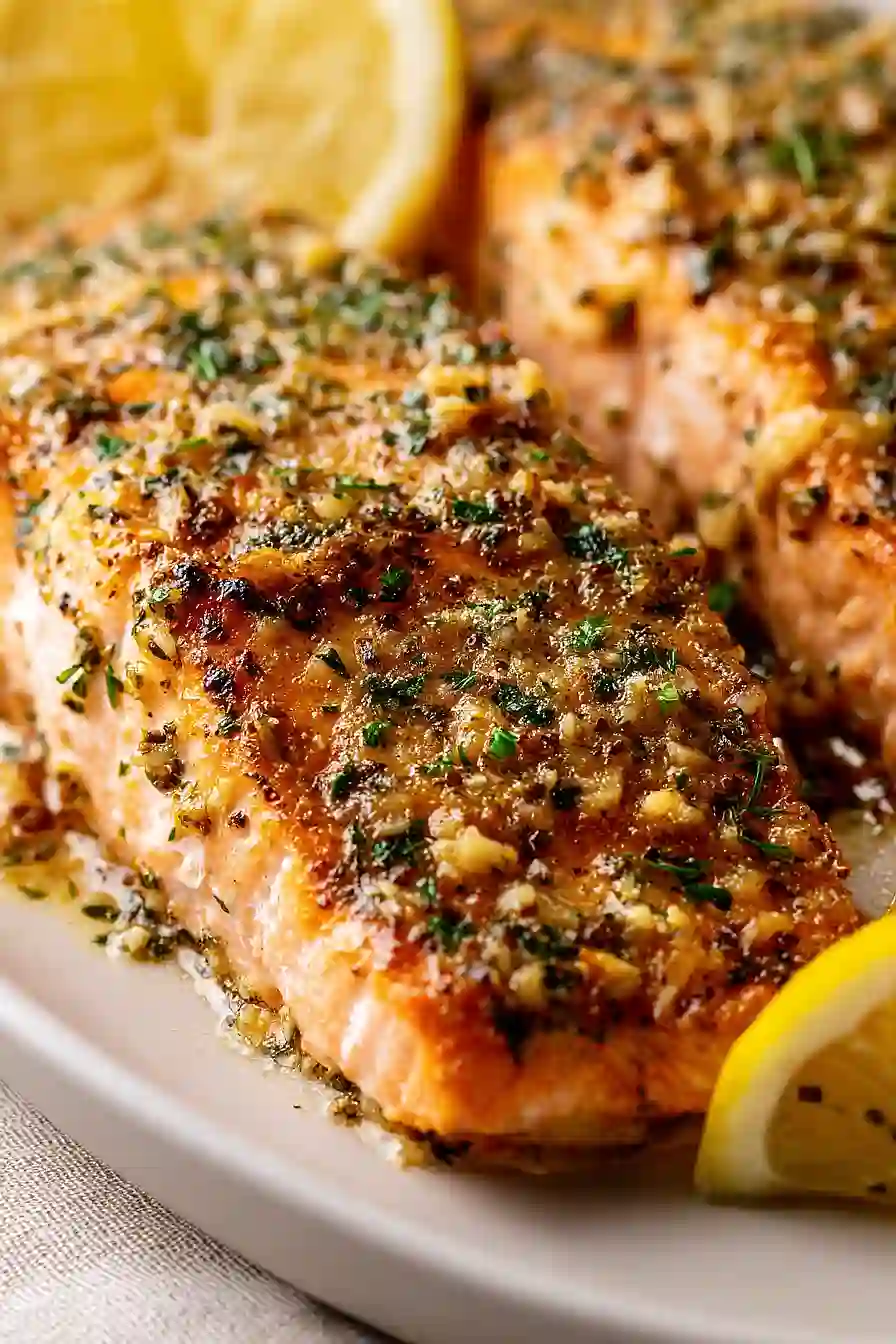
What to Serve With Baked Salmon?
This lemon garlic salmon pairs beautifully with roasted vegetables like asparagus, green beans, or Brussels sprouts that can cook in the oven alongside the fish. I love serving it over a bed of fluffy rice or creamy mashed potatoes to soak up all that buttery lemon sauce. A simple arugula salad with a light vinaigrette cuts through the richness of the salmon nicely, or you could go with some crusty bread to mop up every bit of that garlic butter. For a heartier meal, try it with pasta tossed in olive oil and parmesan, or alongside some roasted baby potatoes with herbs.
Storage Instructions
Store: Leftover salmon keeps well in an airtight container in the fridge for up to 3 days. I like to flake it over salads or mix it into pasta for easy lunches throughout the week.
Freeze: You can freeze cooked salmon for up to 2 months in a freezer-safe container or bag. Just know that the texture might be a bit softer after freezing, so it works best when you plan to use it in dishes like salmon cakes or mixed into casseroles.
Reheat: Gently warm the salmon in the oven at 275°F for about 10-15 minutes, or use the microwave on low power to avoid drying it out. You can also enjoy it cold straight from the fridge, which is actually my favorite way to eat leftover salmon!
| Preparation Time | 10-15 minutes |
| Cooking Time | 10-15 minutes |
| Total Time | 20-30 minutes |
| Level of Difficulty | Easy |
| Servings | 4 servings |
Estimated Nutrition
Estimated nutrition for the whole recipe (without optional ingredients):
- Calories: 1100-1250
- Protein: 100-110 g
- Fat: 80-90 g
- Carbohydrates: 4-7 g
Ingredients
- black pepper to taste (freshly ground for best flavor)
- 1/2 lemon (sliced into rounds)
- 1/4 tsp salt
- 1 tbsp olive oil (or any neutral oil)
- 3 garlic cloves (minced fine, about 1 tbsp)
- 2 tbsp butter (unsalted, room temperature)
- 1.5 lb salmon fillet (skin-on, about 1-inch thick)
- 1 tsp Italian seasoning (dried)
Step 1: Prepare the Oven and Mise en Place
- 3 garlic cloves
- 1/2 lemon
- 1.5 lb salmon fillet
Preheat your oven to 400°F.
While it heats, mince the garlic cloves finely and slice the lemon into thin rounds.
Pat the salmon fillet dry with paper towels—this helps the seasonings stick better and allows the skin to crisp slightly during baking.
Measure out all remaining ingredients so everything is ready to go when you start assembling.
Step 2: Prepare the Foil Packet and Season the Salmon
- 1 tbsp olive oil
- 1.5 lb salmon fillet
- 3 garlic cloves
- 1 tsp Italian seasoning
- 1/4 tsp salt
- black pepper to taste
Tear off a large piece of foil and place it in a baking dish or directly on a baking sheet.
Brush the foil lightly with olive oil to prevent sticking.
Lay the salmon skin-side down on the foil.
Drizzle the top of the fillet with the remaining olive oil, then scatter the minced garlic evenly across the surface.
Sprinkle the Italian seasoning, salt, and freshly ground black pepper over the salmon.
I like to taste a tiny pinch of the seasoning mix before applying it to make sure the salt level feels right—it should taste just slightly salty on its own.
Step 3: Add Lemon and Butter, Then Seal the Packet
- 1/2 lemon
- 2 tbsp butter
- seasoned salmon from Step 2
Arrange the lemon slices from Step 1 over the seasoned salmon—they’ll release their juice as the fish bakes and infuse it with bright citrus flavor.
Dot the top of the fillet with small pieces of the room-temperature butter; this will melt and create a rich, silky sauce.
Fold the foil up and over the salmon, sealing the edges tightly to trap steam.
This creates a gentle, moist cooking environment that keeps the salmon tender and juicy.
Step 4: Bake Until Tender and Finish
- sealed foil packet from Step 3
Place the foil packet in the preheated 400°F oven and bake for 10-15 minutes, depending on the exact thickness of your fillet.
The salmon is done when it flakes easily with a fork and the flesh is opaque throughout—I check by gently pressing the thickest part; it should feel just slightly firm but not hard.
Carefully open the foil packet (watch out for the hot steam!) and transfer the salmon to a serving plate.
Pour the accumulated butter and lemon sauce from the foil over the top and serve immediately.
30-Minute Baked Lemon Garlic Butter Salmon
Ingredients
- black pepper to taste (freshly ground for best flavor)
- 1/2 lemon (sliced into rounds)
- 1/4 tsp salt
- 1 tbsp olive oil (or any neutral oil)
- 3 garlic cloves (minced fine, about 1 tbsp)
- 2 tbsp butter (unsalted, room temperature)
- 1.5 lb salmon fillet (skin-on, about 1-inch thick)
- 1 tsp Italian seasoning (dried)
Instructions
- Preheat your oven to 400°F. While it heats, mince the garlic cloves finely and slice the lemon into thin rounds. Pat the salmon fillet dry with paper towels—this helps the seasonings stick better and allows the skin to crisp slightly during baking. Measure out all remaining ingredients so everything is ready to go when you start assembling.
- Tear off a large piece of foil and place it in a baking dish or directly on a baking sheet. Brush the foil lightly with olive oil to prevent sticking. Lay the salmon skin-side down on the foil. Drizzle the top of the fillet with the remaining olive oil, then scatter the minced garlic evenly across the surface. Sprinkle the Italian seasoning, salt, and freshly ground black pepper over the salmon. I like to taste a tiny pinch of the seasoning mix before applying it to make sure the salt level feels right—it should taste just slightly salty on its own.
- Arrange the lemon slices from Step 1 over the seasoned salmon—they'll release their juice as the fish bakes and infuse it with bright citrus flavor. Dot the top of the fillet with small pieces of the room-temperature butter; this will melt and create a rich, silky sauce. Fold the foil up and over the salmon, sealing the edges tightly to trap steam. This creates a gentle, moist cooking environment that keeps the salmon tender and juicy.
- Place the foil packet in the preheated 400°F oven and bake for 10-15 minutes, depending on the exact thickness of your fillet. The salmon is done when it flakes easily with a fork and the flesh is opaque throughout—I check by gently pressing the thickest part; it should feel just slightly firm but not hard. Carefully open the foil packet (watch out for the hot steam!) and transfer the salmon to a serving plate. Pour the accumulated butter and lemon sauce from the foil over the top and serve immediately.