I grew up in a house with a classic 1980s basement, and looking back now, some of the stuff down there was pretty weird. What’s funny is how many of those quirky basement items actually relate to gardening and growing things indoors – even if we didn’t realize it at the time.
From strange growing setups to odd storage solutions for garden tools, these basements had some interesting plant-related features. If you’re under 30, get ready to scratch your head at what passed for normal back then.
1.) Wood-Paneled Walls Everywhere

Those dark wood panels covered every inch of basement walls back in the day. Your parents probably thought they made the space feel warm and cozy, but really they just soaked up all the light and made everything look like a cave.
The wood required zero maintenance, which was probably the whole point. No painting, no wallpapering, just occasional dusting. Some panels had grooves running vertically, others had a weird crosshatch pattern.
Most of these got ripped out during renovations in the 2000s, replaced with drywall and actual colors.
2.) Shag Carpet in Bold Colors
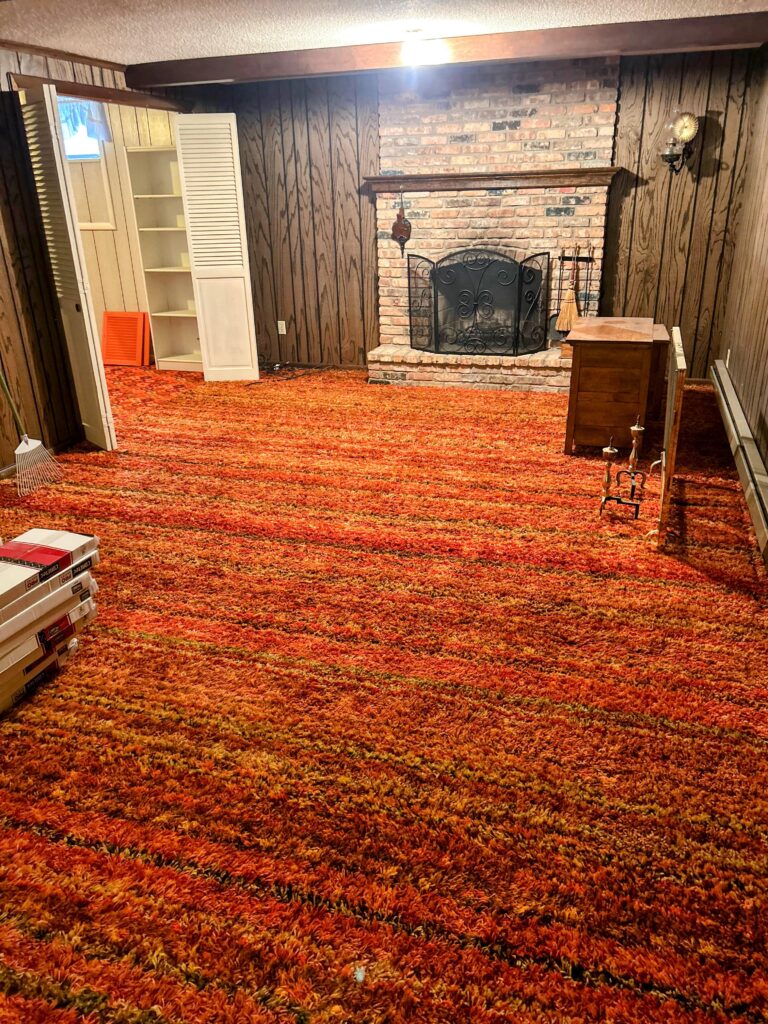
Nothing said “finished basement” quite like wall-to-wall shag carpeting in orange, avocado green, or harvest gold. The thick, long fibers were supposed to feel luxurious underfoot, but mostly they just collected crumbs, lost toys, and mystery stains that never quite came out.
Maintaining shag carpet meant raking it with a special tool to keep the fibers standing up straight. Regular vacuums couldn’t handle the depth, so you needed specific attachments. When something spilled, good luck getting it clean – those deep fibers held onto everything like they were being paid to do it.
3.) Drop Ceiling Tiles

Every 1980s basement had those white rectangular tiles hanging overhead, usually stained with brown water spots that looked like mysterious continents. They’d sag in the middle when someone walked on the floor above, and occasionally one would fall down completely.
The tiles were meant to hide all the pipes and wires running across the ceiling, plus they did an okay job of muffling sound from upstairs. Parents loved them because you could pop them out to access plumbing without tearing down drywall.
Kids quickly learned they made perfect hiding spots for contraband.
4.) Faux Stone Wall Accents

Nobody really needed fake rocks on their walls, but 1980s homeowners disagreed. These faux stone panels were glued or nailed up to make basement rec rooms look like medieval castles or mountain lodges. The plastic or foam pieces came in colors like gray granite or red brick.
Installation was pretty easy—just stick them on with adhesive. The downside? They collected dust in all those fake crevices and started looking dingy after a few years. Plus, they made already-dark basements feel even darker and smaller.
5.) Built-In Wet Bar

Every 1980s finished basement needed a built-in wet bar, complete with a small sink, mini fridge, and dark wood cabinetry. Dad would install mirrored backsplashes and overhead glass racks for stemware that rarely got used. The bar stools usually had vinyl seats in burgundy or forest green.
These wet bars were supposed to be the entertaining hub, but they mostly collected dust and stored off-season decorations. Today’s homeowners rip them out for open concept spaces, wondering why anyone needed a full bar setup just ten feet from their actual kitchen.
6.) Conversation Pit Seating

Conversation pits were sunken living areas built right into the basement floor, usually a few steps down from the main level. They featured built-in seating around all sides, often covered in shag carpet or funky upholstery that matched the era’s bold patterns.
These cozy spots became the center of basement entertainment, perfect for parties or family game nights. The problem was they collected dust like crazy and made furniture rearranging impossible. Plus, guests who didn’t know about the drop-off often took an unexpected tumble.
7.) Wall-Mounted Rotary Phone
Every basement in the 80s had one of these mounted on the wall with that crazy long, curly cord. You’d stretch that cord as far as it would go when you wanted a semi-private conversation, usually ending up in the laundry room or behind the water heater.
The rotary dial meant you had to actually wait for it to spin back after each number. If you messed up the last digit, you had to start all over again.
Kids today would have no idea how to even make a call on one of these things.
8.) Console TV Entertainment Center
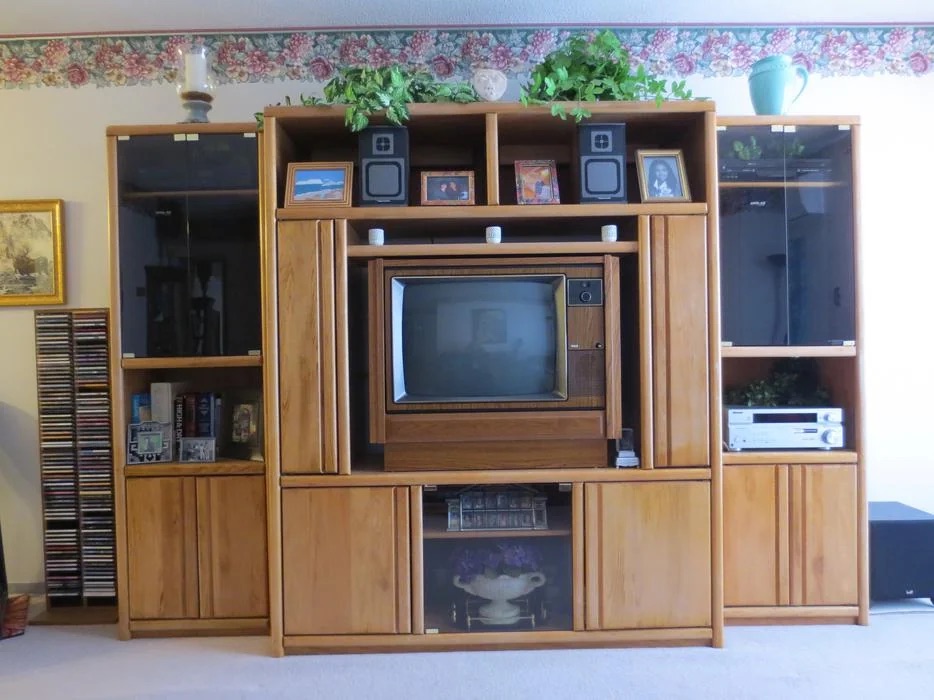
Every basement in the 1980s had one of these massive wooden entertainment centers that took up an entire wall. The TV itself was built right into the cabinet, and you couldn’t just move it around like today’s flat screens.
The top of the console became an accidental display area for fake plants—usually dusty silk ferns or plastic ivy that never needed watering. These artificial plants were perfect for basements since they didn’t need sunlight and thrived on complete neglect.
The cabinet doors hid VCRs, cassette players, and tangled messes of cables that nobody wanted to deal with.
9.) Linoleum Tile Flooring
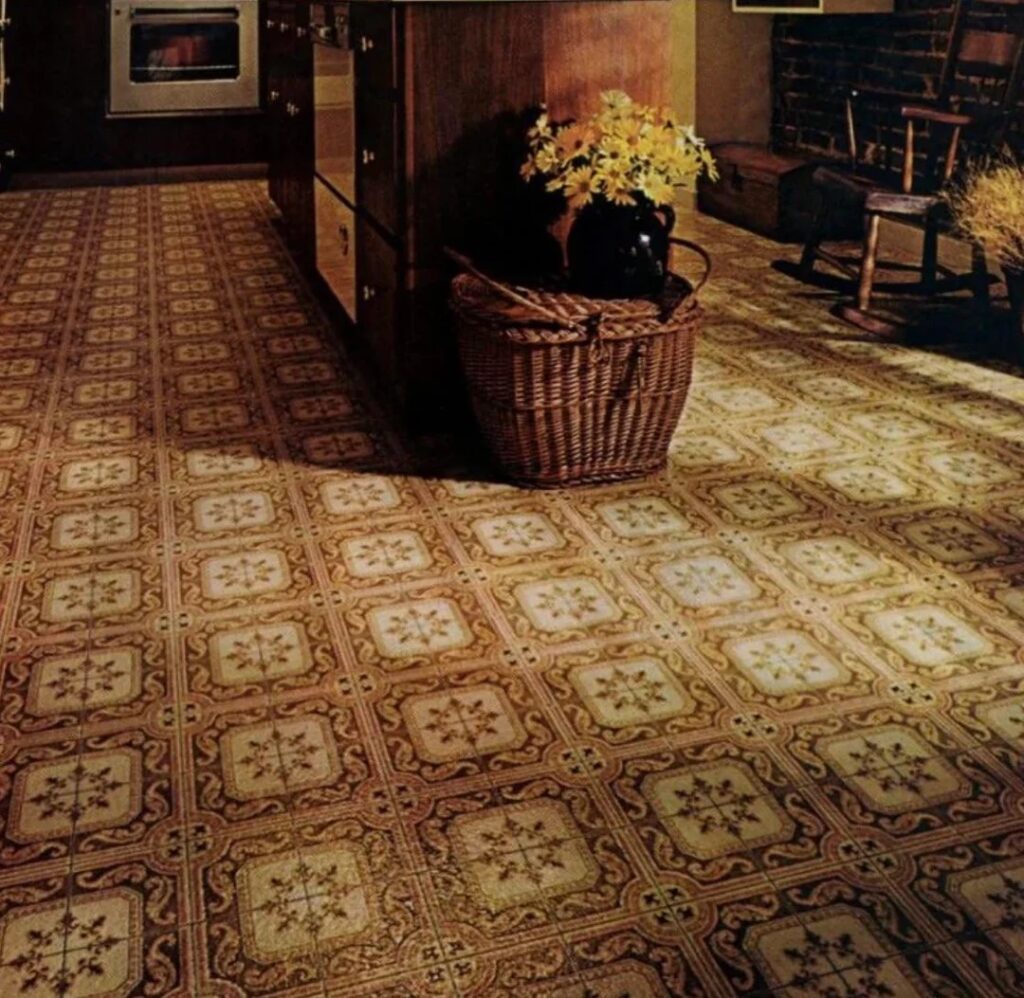
Linoleum tile flooring was the go-to choice for basement floors in the 1980s. You’d find it in bold geometric patterns or fake brick designs that nobody really asked for. The tiles were usually self-adhesive squares that homeowners could install themselves over a weekend.
The appeal was simple: linoleum was cheap, water-resistant, and covered up cold concrete. Over time, though, the edges would peel up, and the patterns would fade from foot traffic. Most of these floors have been ripped out by now, replaced by carpet or vinyl planking.
10.) Brass Light Fixtures
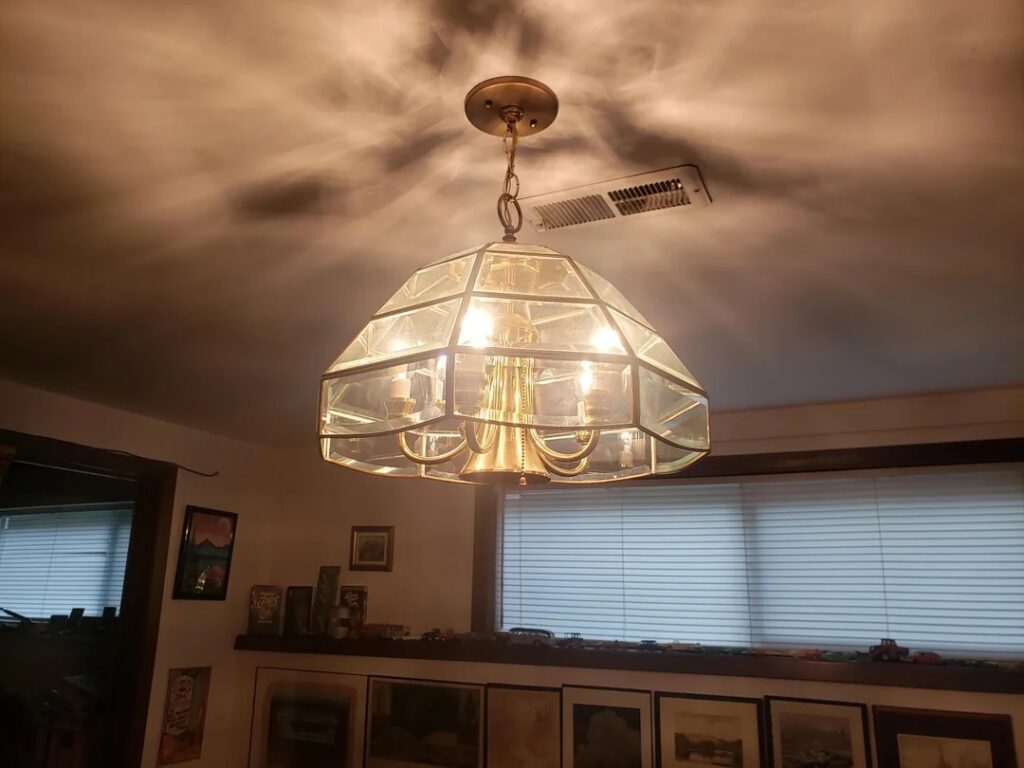
Brass light fixtures were everywhere in 1980s basements, usually hanging over the wet bar or pool table. These chunky ceiling fans and pendant lights had that yellowish gold finish that seemed fancy at the time but now just screams “outdated.”
The problem with brass is that it tarnishes pretty fast in damp basement air. You’d need to polish those fixtures regularly with special cleaner to keep them shiny. Most people today would rather rip them out than deal with the upkeep, but some folks actually hunt for vintage brass fixtures now for that retro look.
11.) Macramé Wall Hangings

Macramé wall hangings were basically required decor in every 1980s basement, usually supporting a trailing pothos or spider plant. The knotted rope holders came in shades of tan and cream, hanging from ceiling hooks in corners that needed “something.”
Spider plants were the go-to choice since they tolerated low light and practically never died. You’d water them maybe once a week, forget about them for months, and they’d still produce baby plantlets that dangled down through the macramé knots.
These setups required zero effort and somehow survived basement conditions that would kill most houseplants.
12.) Bean Bag Chair Collection
Every cool basement had at least three bean bag chairs scattered around, usually in shades of brown, orange, or avocado green. They were the ultimate seating choice for watching TV or playing Atari, molding perfectly to your body as the little styrofoam beads shifted inside.
The vinyl covers would stick to your legs in summer, and you’d hear that distinct crunching sound every time someone flopped down. They were impossible to get out of gracefully, but nobody cared. If the zipper broke, those tiny beads would end up everywhere for months.
13.) Foosball or Pool Table

Every self-respecting 1980s basement had either a foosball or pool table taking up half the room. These weren’t fancy pieces of furniture – they were usually worn, with faded felt and missing handles, but they were the center of every basement hangout.
Your parents probably bought it at a garage sale or inherited it from someone’s rec room. The pool table always had that one wobbly leg propped up with cardboard, and the foosball table made that distinctive clacking sound that echoed through the whole house whenever kids were over.
14.) Record Player Cabinet
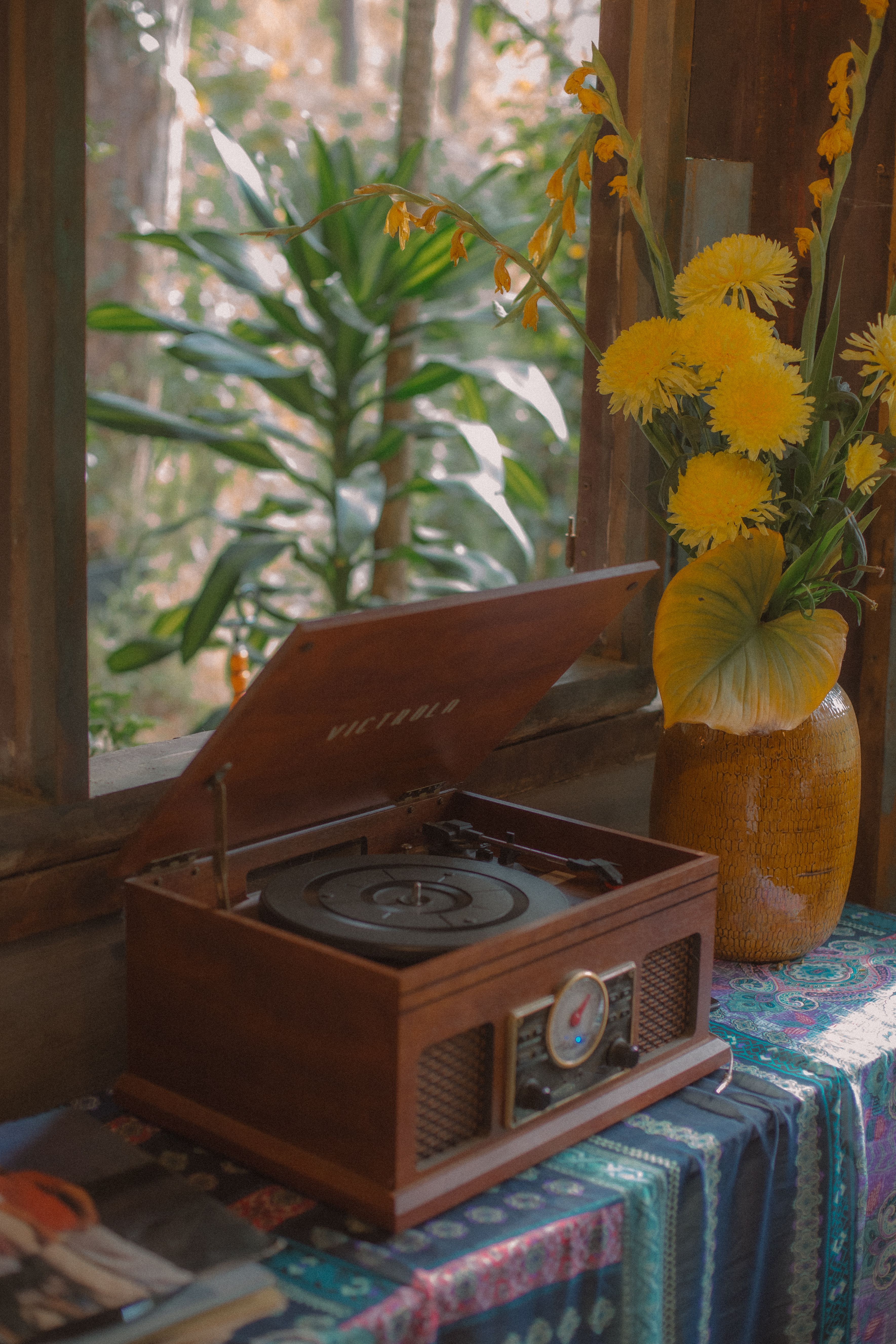
Every basement in the ’80s had one of these wooden monsters taking up prime real estate. Your parents probably had their entire record collection stored inside, from Led Zeppelin to Fleetwood Mac, carefully organized like precious artifacts.
These cabinets were built like tanks and weighed about as much as a small car. They usually sat in the corner collecting dust, and the actual record player on top probably stopped working sometime around 1987.
The bottom shelves made great hiding spots for board games and forgotten Christmas decorations that nobody wanted to drag upstairs.
15.) Vinyl Album Storage Shelves
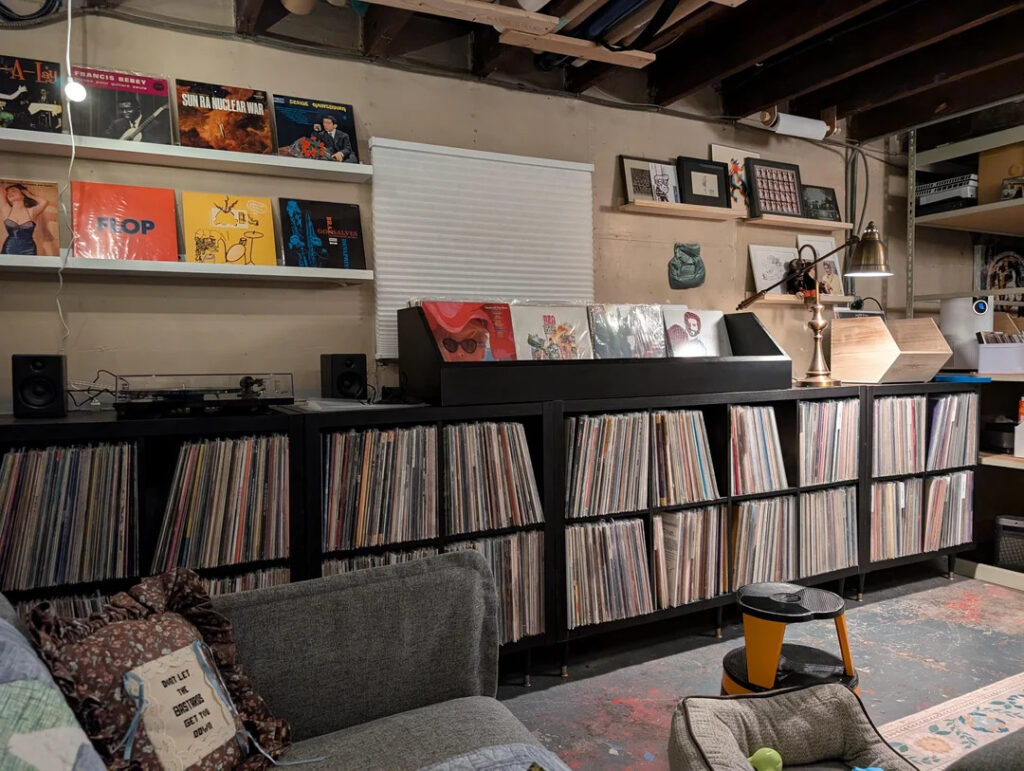
Every 1980s basement had at least one wall dedicated to record storage. These wooden or particle board shelves were built specifically to hold vinyl albums upright, with dividers spaced just right to keep your collection organized by artist or genre.
You’d find them next to the stereo system, usually overflowing with classic rock, disco, and new wave albums. The shelves collected dust quickly in those damp basement conditions, and the records would warp if stored near the furnace.
Kids today stream everything from their phones and have no idea what it’s like to flip through physical albums.
16.) Orange or Avocado Appliances
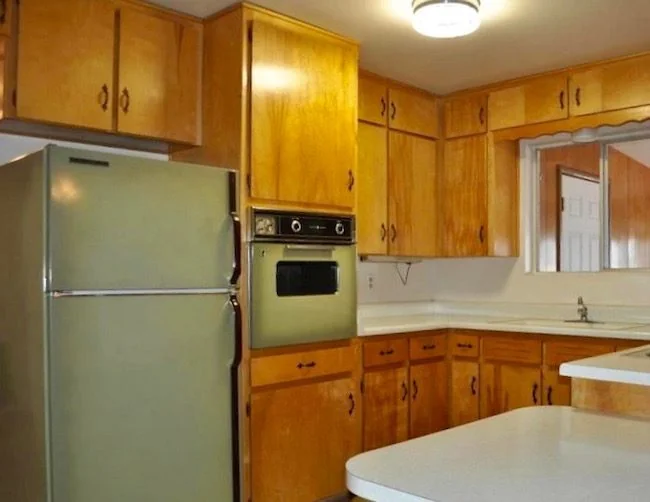
Back in the 1980s, basement kitchenettes came decked out in harvest gold, burnt orange, or avocado green appliances. These colors were everywhere—mini fridges, microwaves, and full-size stoves all matched in these earthy tones. Your parents probably had at least one piece hiding in the basement rec room.
These appliances worked just fine, but the colors? Total mystery to anyone under 30. Today’s stainless steel and white would look completely out of place next to wood paneling and shag carpet. That orange fridge was the height of style back then.
17.) Cigarette Smoke Stains

Back in the ’80s, nearly every basement had those telltale yellow-brown stains on ceilings and walls from cigarette smoke. Adults would chain-smoke while watching TV or playing cards, and nobody thought twice about it. The stains would build up over years, creating patterns that looked almost like nicotine wallpaper.
Getting rid of these stains required serious elbow grease. You’d need heavy-duty cleaners, multiple scrubbings, and probably a few coats of primer before repainting. Most modern homeowners can’t imagine why anyone would let their basement get like that in the first place.
18.) Standalone Space Heaters

Back in the ’80s, basements ran cold, and central heating wasn’t always reliable enough to reach those lower levels. Families would drag out standalone space heaters that glowed orange and radiated dry heat into musty rec rooms.
These units came with sketchy two-prong plugs and zero safety features we’d expect today. No automatic shut-off, no tip-over protection—just raw heating elements that could toast your shins if you sat too close.
Kids learned quickly to give them a wide berth, especially after seeing the “don’t drape clothes over this” warning label.
19.) Wall-to-Wall Mirror Sections
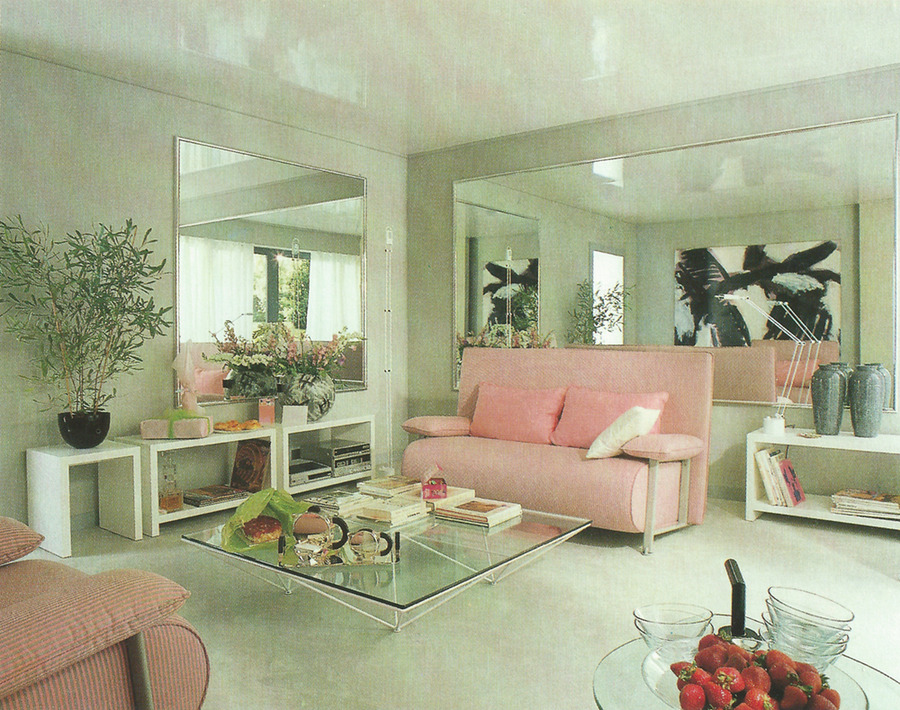
Back in the ’80s, covering entire basement walls with mirror panels was somehow considered a good design choice. People installed these floor-to-ceiling reflective sections to make their rec rooms feel bigger and brighter, though the effect was more disorienting than spacious.
The mirrors collected fingerprints, dust, and required constant cleaning with glass cleaner and newspaper. They also had a nasty habit of developing black spots along the edges where moisture seeped behind them.
Most homeowners today rip these out immediately, wondering what their predecessors were thinking.
20.) Velvet Couch or Loveseat

Every 1980s basement had at least one of these plush velvet couches, usually in burgundy, forest green, or that weird mauve color. The fabric attracted pet hair like nobody’s business and showed every hand print you made while sitting down.
These things were built like tanks though. They could survive decades of use, basement flooding concerns, and countless sleepovers. The cushions were so soft you’d sink right in and practically need help getting back up.
Your parents probably still have one collecting dust somewhere downstairs.
21.) Cork Board Wall Covering

Cork board walls were everywhere in ’80s basements, usually covering at least one entire wall from floor to ceiling. Parents loved them because kids could pin up posters, photos, and random school stuff without damaging the actual walls underneath.
The cork came in big squares or rolls that got glued directly onto drywall or paneling. It had that distinctive tan color and bumpy texture that you could press your finger into.
Nobody really has these anymore since they collected dust like crazy and started falling off in chunks after a few years.
22.) Lava Lamp Display
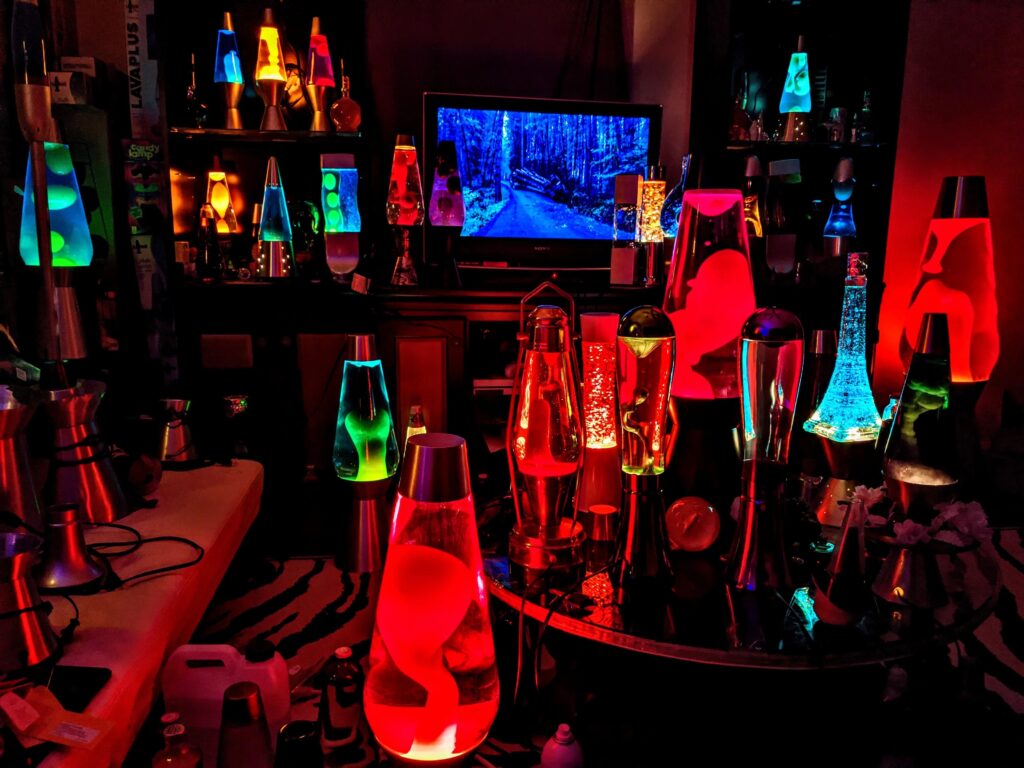
Lava lamps were basically required decorating in any self-respecting ’80s basement. These groovy fixtures sat on corner tables or TV stands, bubbling away while you watched MTV or played Atari. The wax would slowly heat up and create those weird, hypnotic blobs that floated around inside.
You had to plug them in about an hour before they’d really get going. Most people just left them on constantly, which probably wasn’t great for the electric bill. They came in colors like orange, blue, and purple, and the light they gave off made everything look sort of trippy.
23.) Built-In Stereo System

Every cool 1980s basement had speakers built right into the walls or ceiling, usually paired with a receiver the size of a microwave. Dad’s pride and joy sat in a custom wood cabinet, complete with a glass door and interior lighting to show off all those silver knobs and VU meters.
The system required constant dusting and the occasional degaussing of tape heads. You’d find miles of speaker wire snaking behind drywall, and someone always knew which wall studs hid the good speakers. Playing music meant actually getting up to flip through albums or cassettes.
24.) VHS Tape Collection

Rows and rows of black plastic rectangles lined basement shelves like some kind of analog library. VHS tapes needed careful storage away from heat sources and humidity—basements weren’t always ideal, but that’s where they ended up anyway. You had to rewind them before returning to Blockbuster, or face the fee.
The collection usually included recorded TV shows, family videos, and movie rentals you forgot to return. Over time, the magnetic tape would degrade, especially in damp conditions. Labels written in marker would fade, leaving mystery tapes that nobody wanted to throw away.
25.) Dartboard on Wall
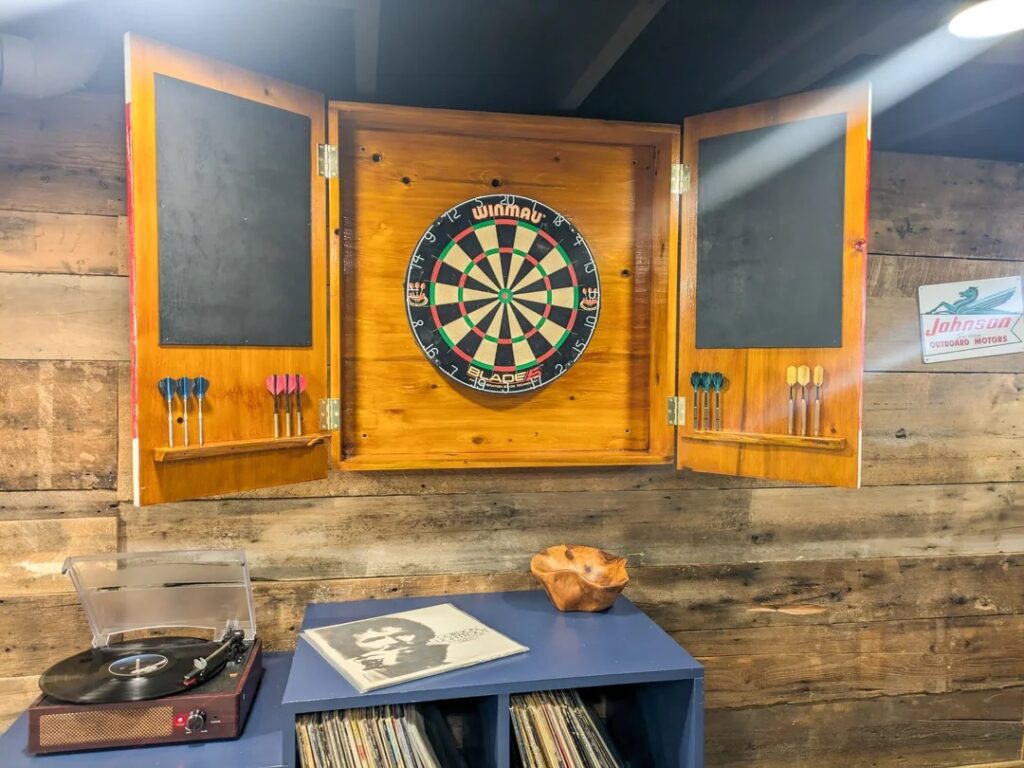
Every self-respecting ’80s basement had a dartboard mounted on the wood paneling, usually surrounded by mysterious holes from wild throws. It hung next to the bar area, often with a permanent ring of cigarette burns on the carpet below it.
The board needed regular rotation to prevent wear in the high-traffic sections, and serious players kept their tungsten darts in velvet-lined cases. Most families just used the beat-up brass ones that came with it.
Cork bulletin boards behind the dartboard protected the walls, though dad’s off-target throws still left their mark.
26.) Mini Fridge for Entertaining
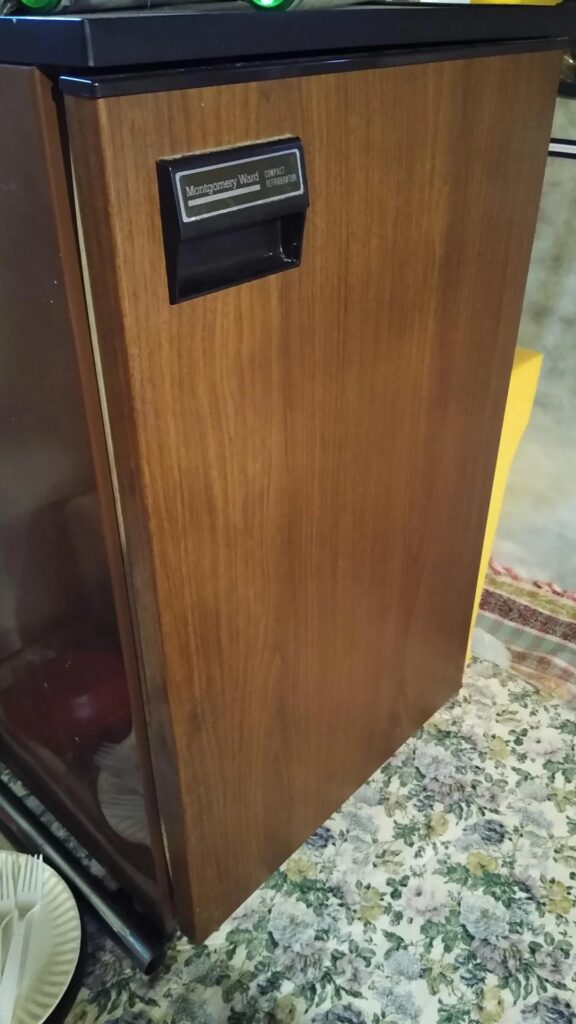
Every self-respecting 1980s basement had a second fridge tucked in the corner, usually stocked with soda pop and beer. It wasn’t about extra food storage—it was a status symbol that said your family knew how to host a party.
These fridges ran constantly in the cool basement environment, humming away 24/7 without anyone thinking twice about the electric bill. They were perfect for keeping drinks cold during Super Bowl parties and holiday gatherings.
Today’s energy-conscious homeowners would cringe at the inefficiency, but back then, convenience ruled everything.
27.) Popcorn Ceiling Texture
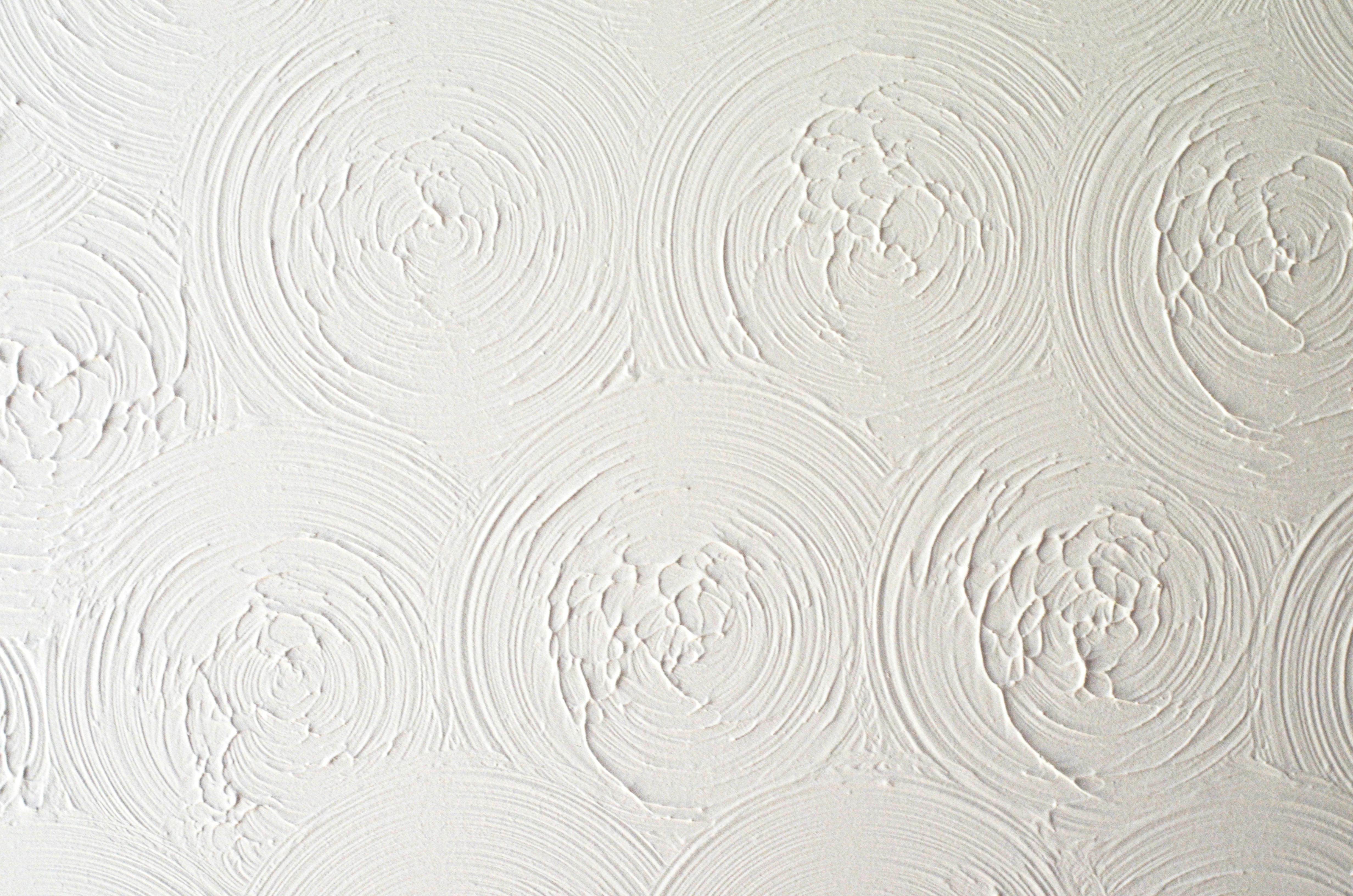
Popcorn ceilings were everywhere in 1980s basements, covering up imperfections with their bumpy, cottage-cheese texture. Homeowners loved them because they hid uneven surfaces and absorbed sound in rec rooms and family hangout spaces.
The application process involved spraying on a wet mixture that dried into those signature peaks and valleys. Most people painted over them with flat white paint to keep things looking clean.
Getting rid of popcorn texture today is a messy job that often requires professional help, especially if it contains asbestos from older installations.
28.) Neon Beer Signs
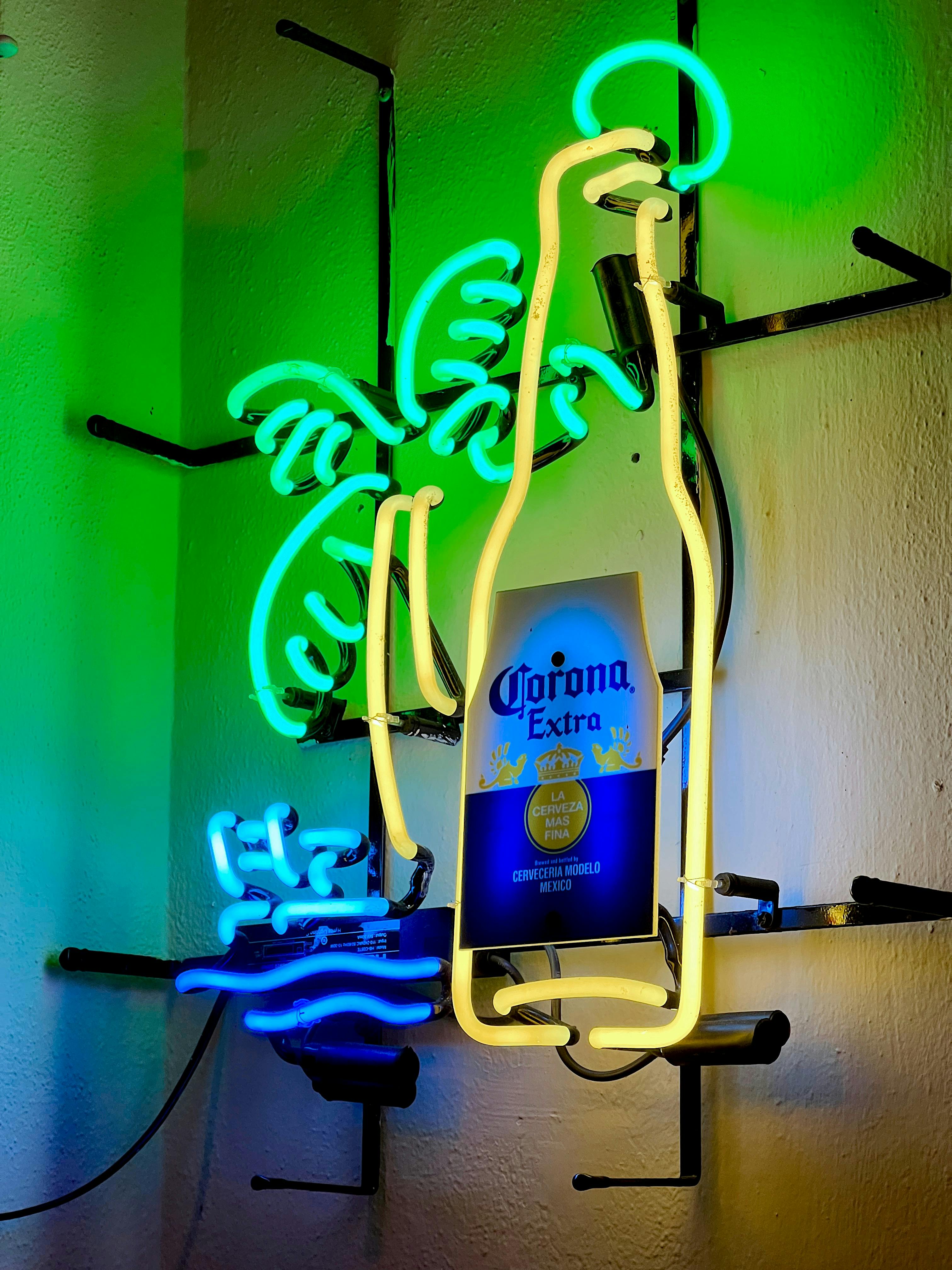
Every dad in the ’80s seemed to have at least one neon beer sign glowing in the corner of their basement bar. These electric signs advertised Budweiser, Miller, or Coors and gave off that distinct buzzing sound that became part of the background noise during poker nights and football games.
The signs ran hot and used a fair amount of electricity, but nobody cared much about energy efficiency back then. They’d stay plugged in 24/7, casting their colored glow over wood-paneled walls and shag carpeting while attracting the occasional confused moth.
29.) Rattan or Wicker Furniture
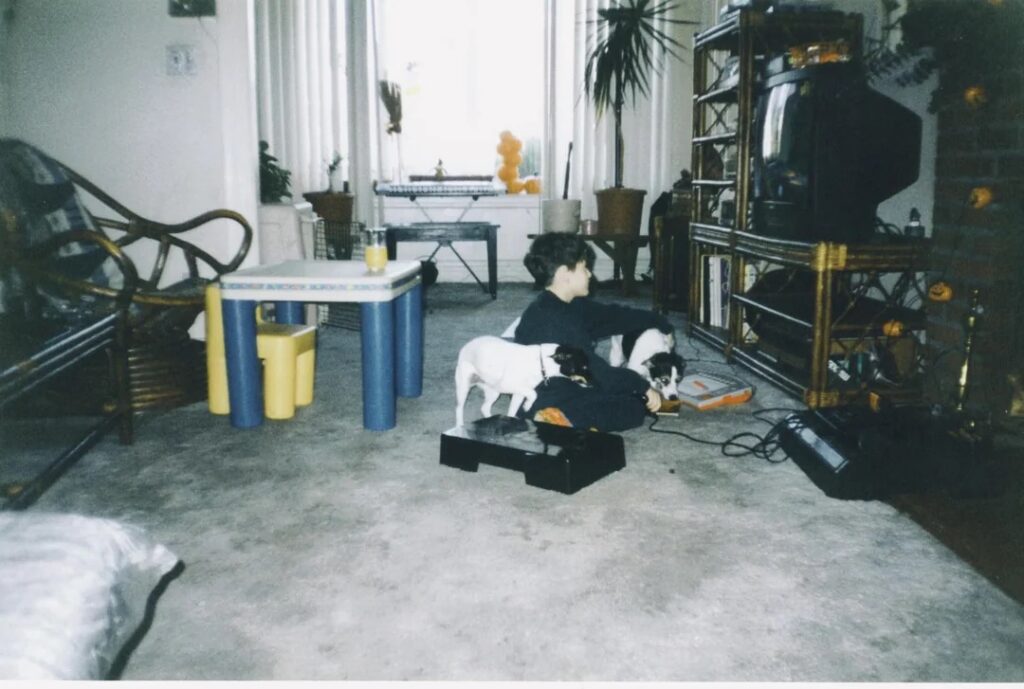
Back in the ’80s, every basement had at least one piece of rattan or wicker furniture, usually painted white or left natural. These pieces were lightweight and easy to move around, which made them perfect for basement rec rooms and TV areas.
The problem was that basements tend to be damp, and wicker doesn’t handle moisture well. The furniture would get musty and start to unravel at the edges. You’d often find cushions that smelled like mildew no matter how many times they got washed.
30.) Exercise Equipment Area
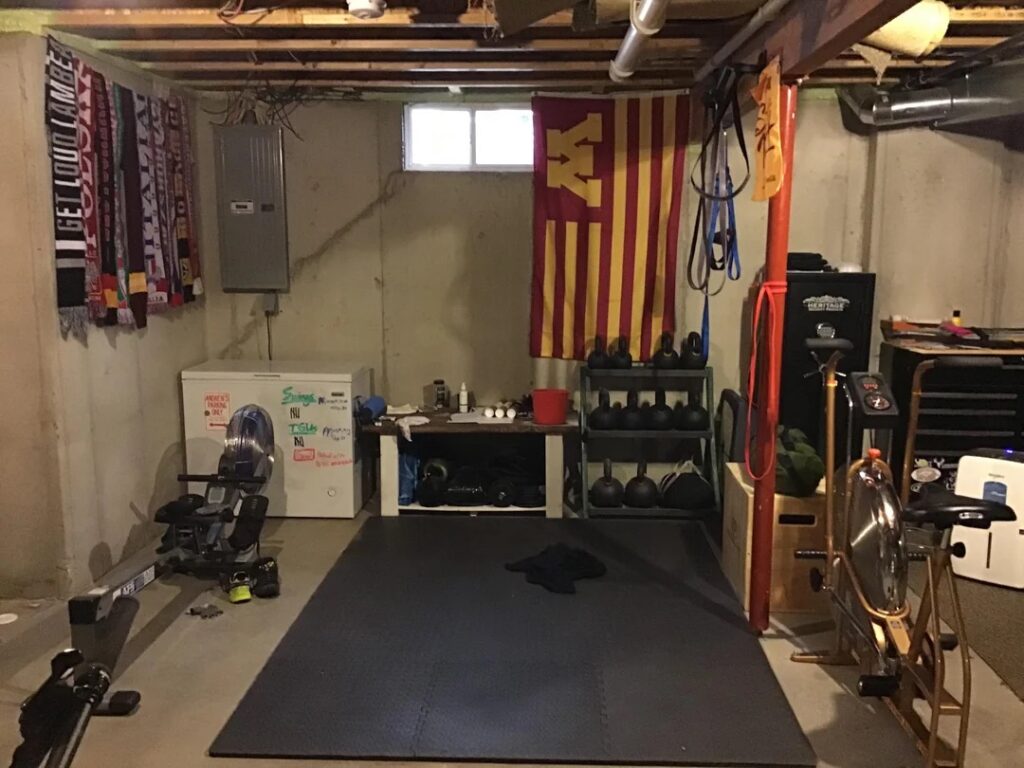
Back in the ’80s, parents loved setting up a workout corner in the basement with a stationary bike or a treadmill. The equipment usually gathered dust after a few months, but it stayed there for years because nobody wanted to haul it back upstairs.
These machines needed good lighting and a dehumidifier nearby to prevent rust on the metal parts. A lot of basements were damp, which wasn’t great for the vinyl seats or electronic displays. Most families just threw a towel over everything and called it storage.
31.) Analog Cable Box

Remember when you needed one of these clunky boxes just to watch MTV or HBO? The analog cable box sat on top of your TV, connected by thick coaxial cables, and got warm enough to heat a small room. You had to physically get up and push the buttons on the box itself since remote controls were still pretty basic.
These boxes picked up all those extra channels your parents paid for each month. The constant humming sound and blinking lights were just part of the basement hangout experience back then.
32.) Wall-Mounted Intercom System

Remember when every basement had that beige plastic box on the wall that let you talk to other rooms in the house? Before cell phones, these intercom systems were how families communicated across floors. You’d press a button, wait for the buzz, and yell upstairs for dinner.
Most of them collected dust after a few years because nobody wanted to walk to the wall when they could just shout. They usually had an AM/FM radio built in too, which was probably their most-used feature. Installing one meant drilling holes and running wires through your walls.
33.) Sump Pump in Corner

A sump pump sitting in the corner of an 80s basement was basically flood insurance. These mechanical devices lived in a pit dug into the concrete floor, ready to kick on whenever groundwater started creeping up. You’d hear that familiar hum during heavy rainstorms, telling you it was doing its job.
Most basements back then had that one spot where the pump sat, usually covered with a plastic lid. Kids learned early not to mess with it, and homeowners checked it seasonally to make sure it still worked when needed.