If you’ve been thinking about giving your garden a fresh look, you’re not alone. A lot of people are already planning ahead for 2026, and the trends coming our way are pretty exciting.
We talked to seven garden experts to find out what styles and ideas are going to be everywhere next year. Trust me, a few of these caught me off guard — in the best way possible!
1.) Edible Ornamental Gardens

Forget choosing between a pretty garden and a productive one — edible ornamental gardens let you have both. Think raised beds filled with rainbow chard, purple basil, and climbing beans that actually look good while feeding you all season long.
The key is pairing plants that work together visually. Mix different heights, leaf textures, and colors just like you would in a regular flower bed. Herbs like rosemary and sage are especially easy to work with and come back year after year in most zones.
2.) Climate-Resilient Native Plantings

Native plants are having a serious moment right now, and honestly, it makes total sense. These are plants that naturally grow in your region, so they’re already built for your local weather, soil, and rainfall patterns. Think less watering, less fussing, and way better survival rates during heat waves or droughts.
Experts suggest researching your hardiness zone first, then choosing natives that thrive in your specific conditions. Bonus: they tend to support local pollinators, which is just a nice extra win.
3.) Outdoor Lighting as Garden Art
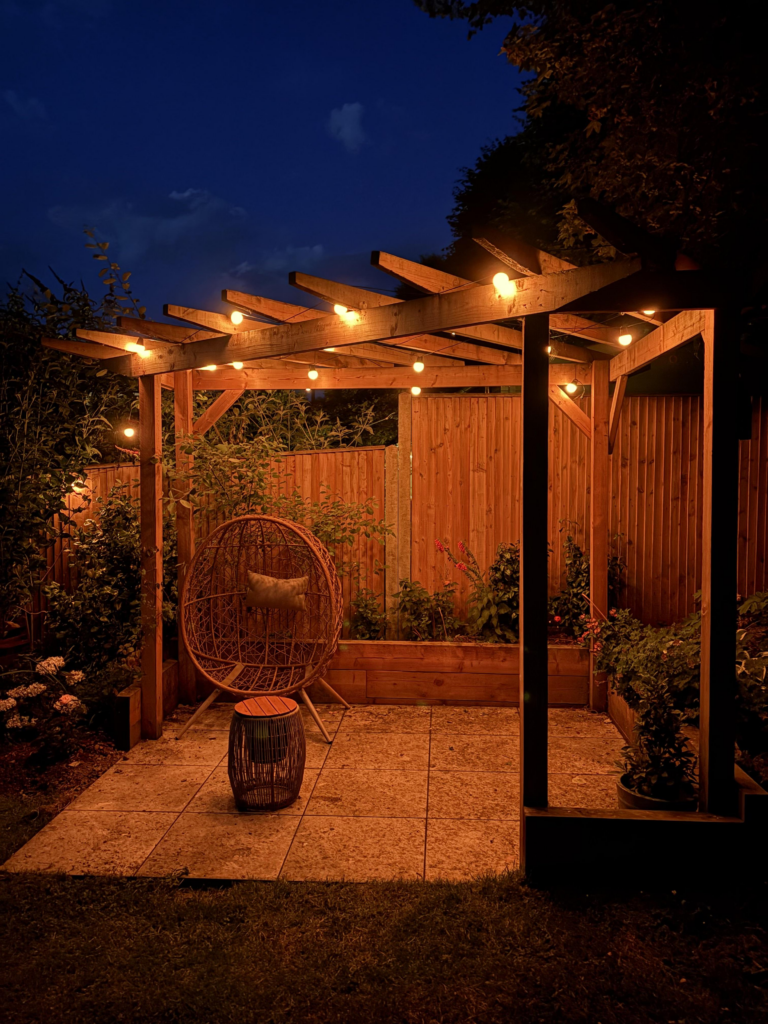
Outdoor lighting is moving way beyond basic path lights and porch fixtures. In 2026, people are treating lights like actual art pieces — think sculptural lanterns, globe string lights draped through trees, or low-voltage LED spotlights aimed at a favorite shrub or garden wall.
The key is layering. Mix ground-level lights with overhead ones to create depth after dark. Solar-powered options work well for areas without easy outlet access, and they’ve gotten much better quality in recent years.
4.) Pollinator Pathways and Corridors
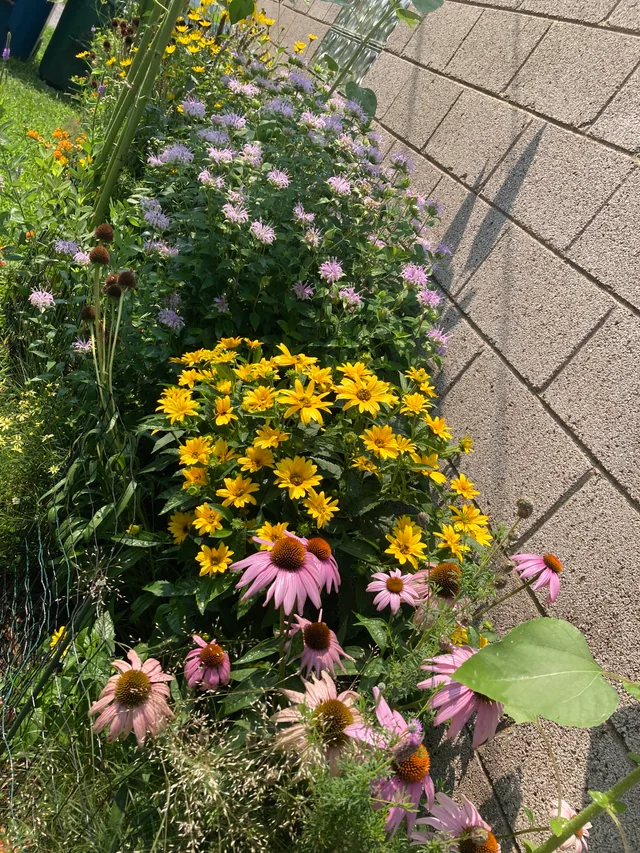
Pollinator pathways are basically connected stretches of flowering plants that give bees, butterflies, and other helpful insects a safe route through your neighborhood. Think of it like a highway for pollinators, linking your yard to your neighbors’ gardens and local green spaces.
To get started, plant native flowers in clusters rather than scattered singles, and skip the pesticides. Even a small strip along a fence or pathway counts. Experts say this approach is catching on fast because it’s low-maintenance and actually good for your whole garden.
5.) Gravel Gardens and Xeriscaping

Gravel gardens and xeriscaping are picking up serious momentum heading into 2026. The basic idea is simple — replace thirsty grass or high-maintenance beds with drought-tolerant plants, gravel mulch, and smart hardscaping that barely needs watering.
It works especially well in sunny, dry climates, but gardeners everywhere are giving it a shot to cut down on water bills and weekend yard work. Pair ornamental grasses or succulents with decorative gravel for a low-effort setup that still looks intentional and put-together.
6.) Vertical Garden Walls
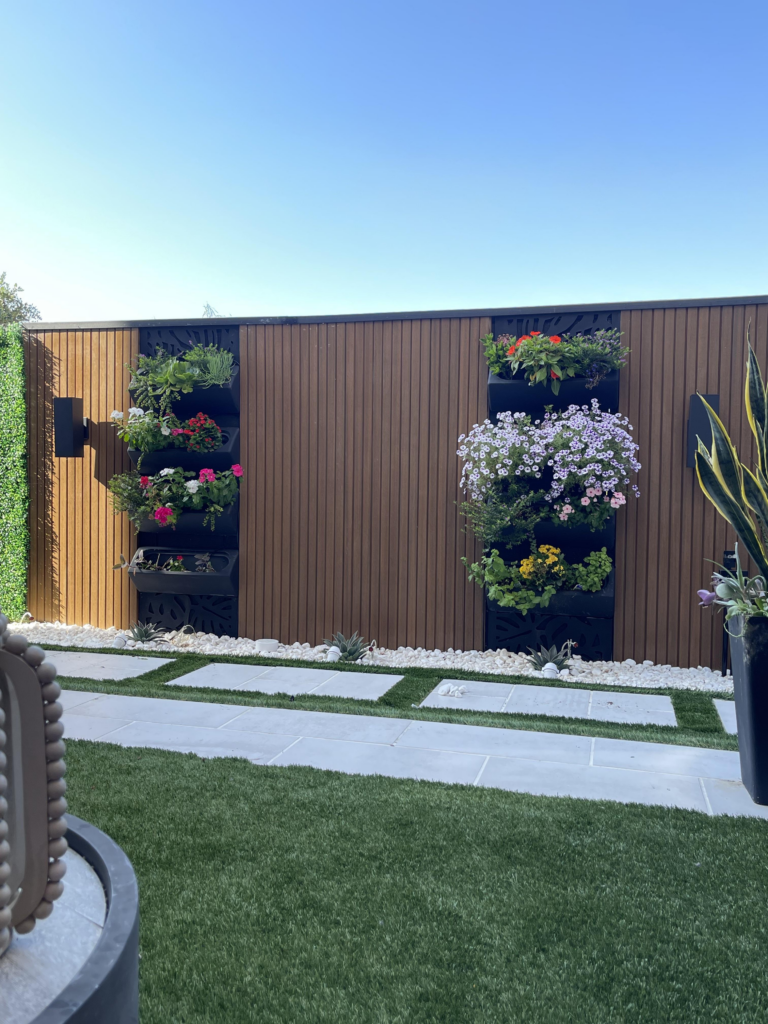
Vertical garden walls are exactly what they sound like — plants growing up a wall instead of taking up floor space. They work great on fences, exterior walls, or even indoors near a bright window. You can use pocket planters, modular panels, or simple trellises to get started.
This trend is catching on fast because it solves a real problem: limited space. Whether you have a tiny balcony or a bare side fence, growing upward just makes sense heading into 2026.
7.) Rewilding and Low-Mow Lawns
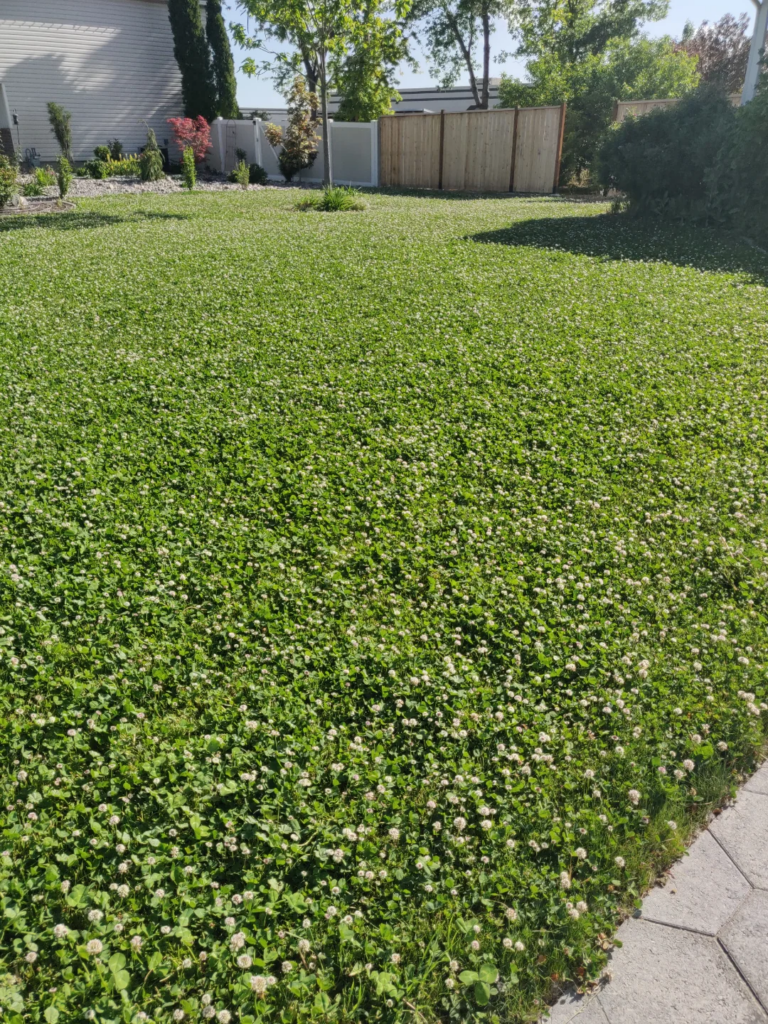
Say goodbye to the perfectly manicured lawn. Rewilding and low-mow grass blends are taking over in 2026, and honestly, they make so much sense. Instead of mowing every week, you let native grasses, wildflowers, and ground cover plants do their thing.
The key is starting small — swap out a section of your lawn first. Look for low-mow seed mixes suited to your region. Less watering, less upkeep, and pollinators will actually show up. It’s a win all around.