Let’s be honest—April is when weeds start plotting their summer takeover. You know how it goes: one dandelion today, a jungle by July. The good news? A little bit of work now will save you hours of weeding later when you’d rather be enjoying your garden.
I’ve learned these tricks the hard way over the years, and they really do make a difference. If you tackle weeds this month before they get comfortable, you’ll actually have time to relax with your iced tea come summer.
1.) Apply Pre-Emergent Herbicide Early
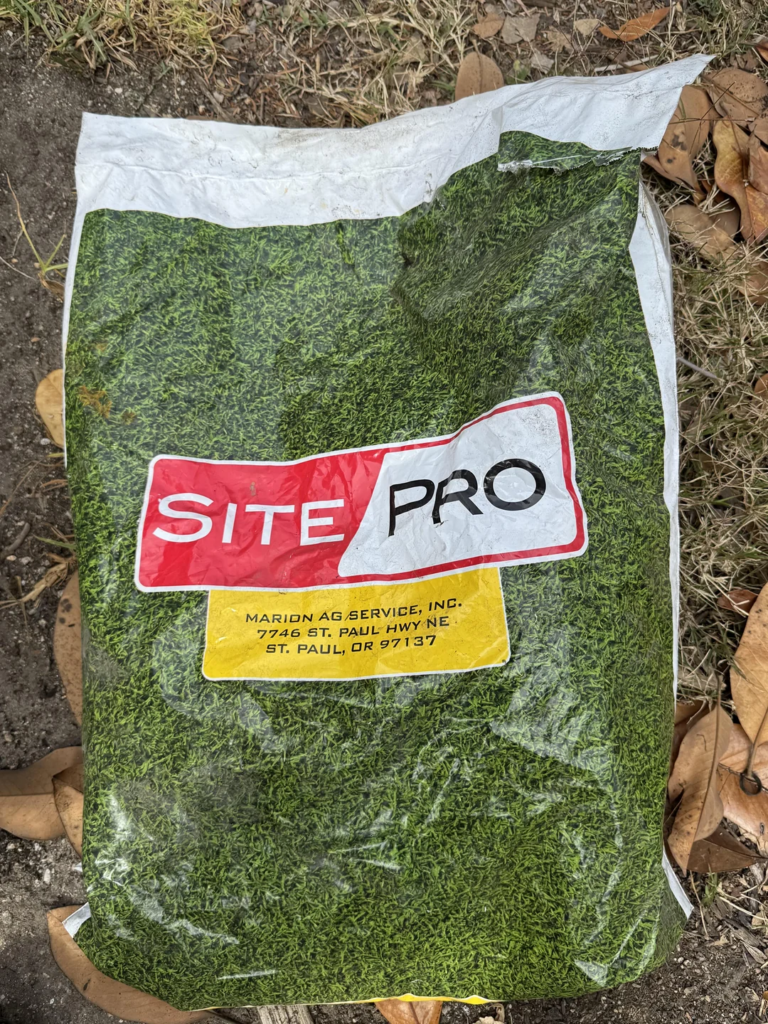
Pre-emergent herbicides work by stopping weed seeds from sprouting, but timing is everything. You need to apply them before soil temperatures consistently hit 55°F, which usually happens in early to mid-April for most regions.
Think of it as creating an invisible barrier in your soil. The product won’t kill existing weeds, so make sure you’ve cleared those out first. Water it in lightly after application to activate it.
One application typically protects your garden beds and lawn for about two to three months.
2.) Mulch Garden Beds Deeply
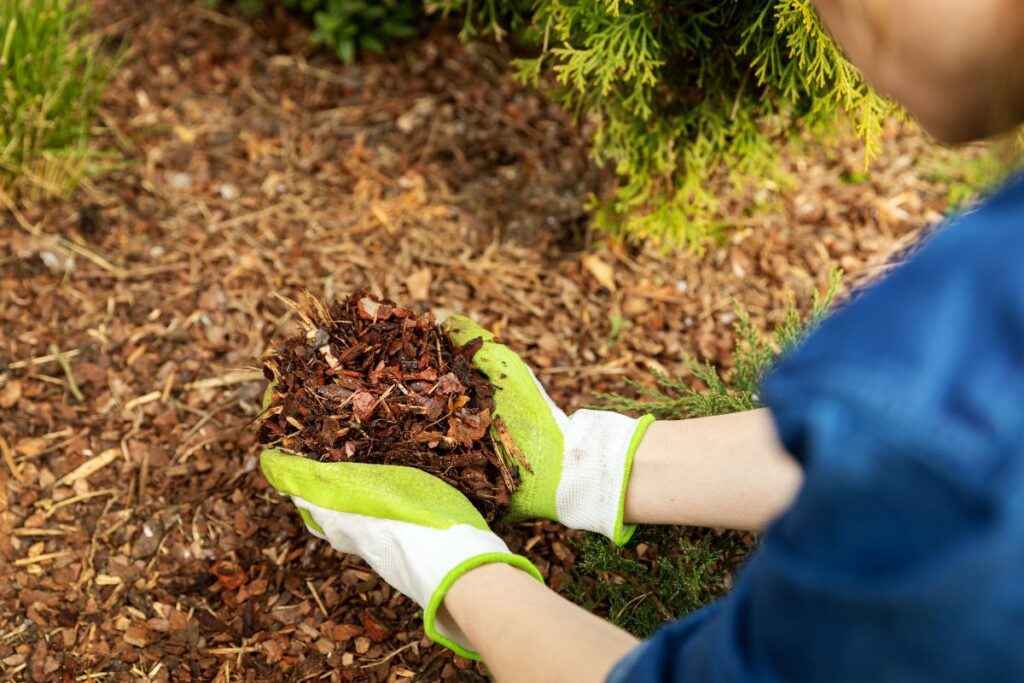
Laying down a thick layer of mulch—around 3 to 4 inches—is one of the best ways to stop weeds before they start. The mulch blocks sunlight from reaching weed seeds, so they can’t sprout. Plus, it helps keep moisture in the soil and regulates temperature.
April is the perfect time to refresh your mulch since the ground is warming up. Use shredded bark, wood chips, or straw around your plants. Just keep the mulch a few inches away from plant stems to prevent rot and give your garden beds that clean, finished look.
3.) Hand-Pull Emerging Weeds Now
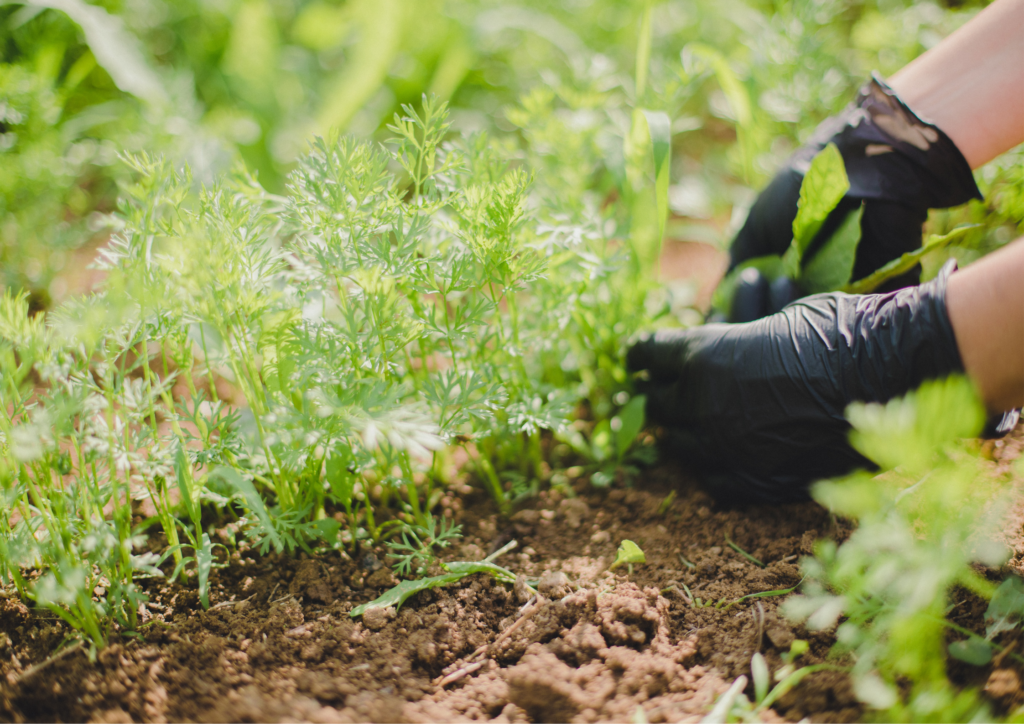
April is prime time to tackle young weeds before they develop deep roots and spread seeds. When the soil is slightly moist from spring rains, you can easily pull out whole weeds, roots and all. Look for dandelions, chickweed, and clover starting to pop up.
Make a quick walk around your garden beds and lawn every few days. Young weeds come out with minimal effort compared to established ones that might need a shovel or special tools.
Getting them now saves hours of frustration later in summer.
4.) Overseed Bare Lawn Patches

Bare spots in your lawn are open invitations for weeds to move in. April’s cool temperatures and spring rain make it the perfect time to overseed those thin or empty patches before unwanted plants grab the opportunity.
Choose a grass seed that matches your existing lawn and spread it over bare areas. Keep the soil moist for the next two weeks while seeds germinate. Most cool-season grasses will fill in within three to four weeks.
Once your grass gets growing, it naturally crowds out weeds by competing for space, sunlight, and nutrients.
5.) Use Landscape Fabric Strategically

Landscape fabric works best when you place it around permanent plants like shrubs and trees, not in vegetable gardens where you’ll be digging often. Lay it down in April before weeds start their spring growth, and you’ll block sunlight that weed seeds need to sprout.
Cut X-shaped slits for your plants and secure the fabric with metal staples every few feet. Cover it with 2-3 inches of mulch to protect it from UV damage and make your beds look finished. Skip fabric in areas where you want ground cover to spread naturally.
6.) Maintain Proper Mowing Height
Keeping your grass at the right height is one of the easiest ways to stop weeds before they start. Set your mower blade to about 3 inches during spring. Taller grass shades the soil, which makes it harder for weed seeds to sprout and grow.
Most people cut their lawns too short, thinking it means less mowing. But short grass actually stresses your lawn and gives weeds an opening. Each grass type has its ideal height, but 3 inches works well for most cool-season varieties in April.
7.) Create Dense Plant Spacing
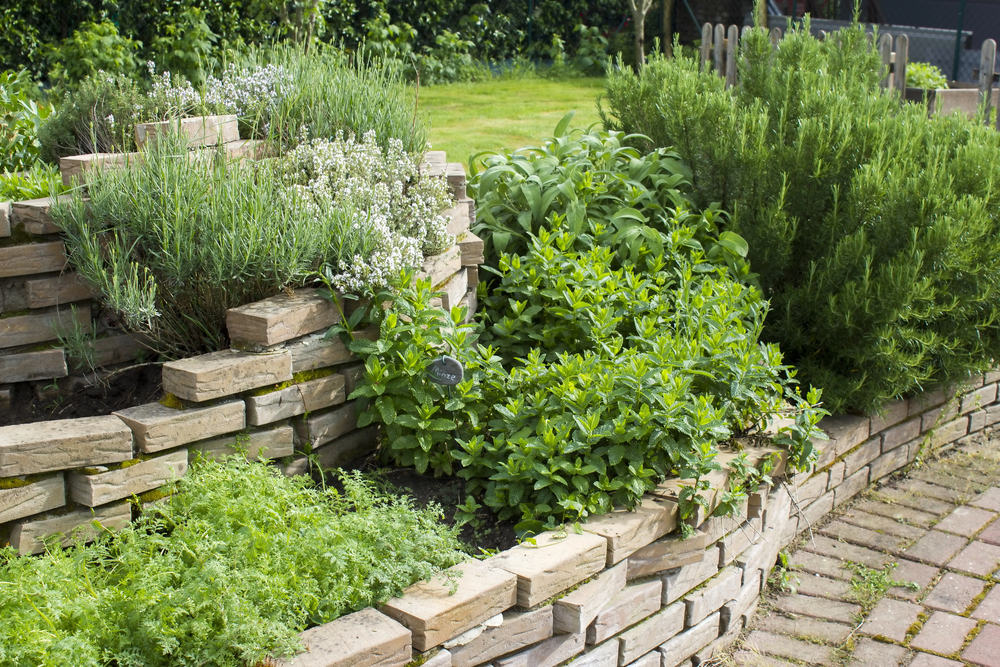
Weeds need light, water, and space to grow. When you plant your flowers and vegetables close together, they crowd out potential invaders before they can get started. Think of it as filling every available spot in your garden bed with something you actually want.
Space your plants just close enough that their leaves will touch when they reach full size. This works especially well with ground covers, perennials, and leafy crops like lettuce.
The густой canopy blocks sunlight from reaching the soil, making it tough for weed seeds to germinate.