You open your electric bill, and your jaw drops. You’ve barely been home all month — so why does it look like you’ve been running a hotel?
Here’s the thing: some appliances and habits quietly drain power even when you’re not around. And the culprits might seriously surprise you. Let’s break down the seven reasons your bill keeps climbing, even when you’re doing everything right.
1.) Phantom Energy From Standby Devices

Your TV, gaming console, microwave, and phone charger are all quietly pulling power even when they’re not in use. It’s called phantom energy, and it adds up fast — sometimes accounting for 10% or more of your monthly bill.
The fix is pretty simple. Plug your devices into a power strip and switch it off when you’re done for the day. You can also unplug anything you rarely use. Small habit, real savings.
2.) Inefficient HVAC System Running Constantly

Your HVAC system is probably the biggest energy hog in your home, and if it’s older or hasn’t been serviced in a while, it has to work extra hard just to keep up. That constant running adds up fast on your bill.
A simple fix is replacing your air filter regularly — every 1 to 3 months — and scheduling an annual tune-up. Also check that your vents aren’t blocked by furniture. Small changes like these can make a noticeable difference.
3.) Poor Home Insulation and Air Leaks

Poor insulation and air leaks are sneaky energy drains that work against you around the clock. Even when you’re away, your HVAC system keeps running to make up for the heat or cool air escaping through gaps in windows, doors, and walls.
A quick way to check is to hold your hand near window frames and door edges on a windy day. Feel a draft? That’s money leaving your house. Weatherstripping and foam sealant are cheap fixes that can make a real difference.
4.) Outdated or Malfunctioning Appliances

Old appliances are often energy hogs, even when they seem to be working fine. A refrigerator from the early 2000s, for example, can use twice the electricity of a newer model. The same goes for washing machines, dishwashers, and water heaters.
If your appliances are more than 10–15 years old, it’s worth checking their energy ratings. Look for the ENERGY STAR label when replacing them. Even a small upgrade can make a noticeable difference on your monthly bill.
5.) Water Heater Temperature Set Too High
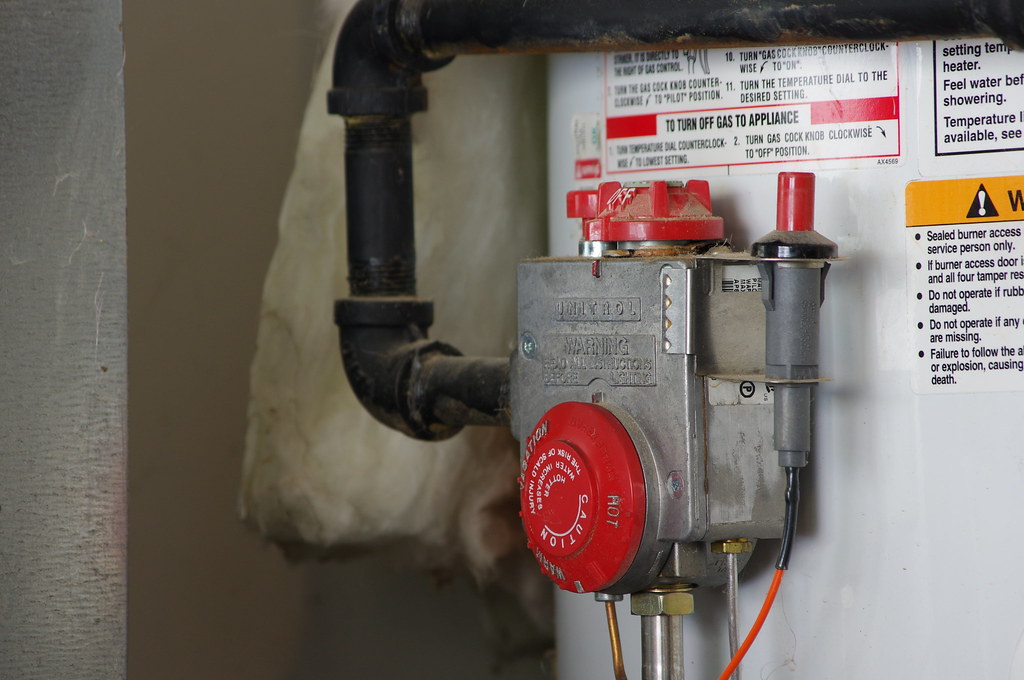
Your water heater might be working overtime without you even realizing it. Most units come set to 140°F from the factory, but the U.S. Department of Energy actually recommends 120°F for most households.
That 20-degree difference adds up fast on your bill. The heater has to work constantly to maintain that higher temp, even when no one’s home using hot water.
Try turning it down and giving it a month — you’ll likely notice the savings right away.
6.) Hidden Vampire Loads From Chargers

Your phone charger sitting in the wall all day — even with nothing plugged into it — is still pulling power. The same goes for laptop bricks, tablet chargers, and gaming controllers. It’s a small draw per device, but it adds up fast when you’ve got six or seven of them scattered around the house.
The easy fix is to unplug chargers when you’re not using them, or plug them into a power strip you can switch off with one click.
7.) Faulty Thermostat Programming or Placement
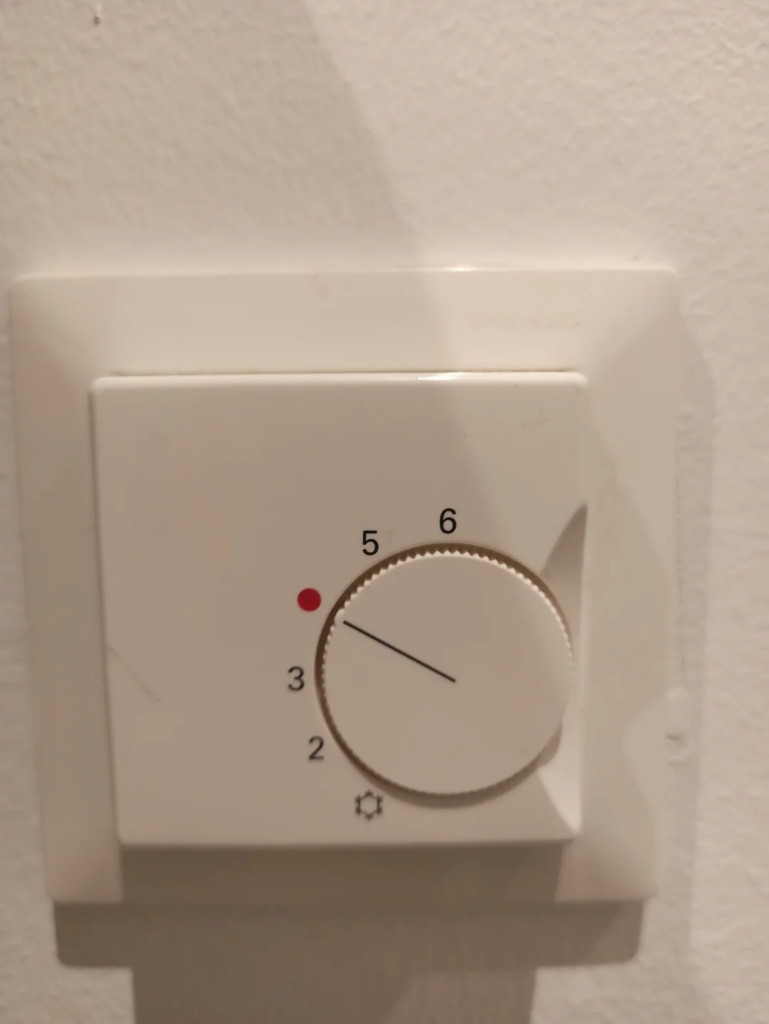
Your thermostat might be working against you without you even realizing it. If it’s programmed to keep the house cool or warm all day while you’re at work, you’re basically paying to climate-control an empty home.
Placement matters too. A thermostat sitting near a sunny window or a heat-producing appliance will read the wrong temperature and run your system more than needed.
Try setting it to “away” mode during work hours and check that it’s on an interior wall away from heat sources.