If you’ve ever watched a squirrel dig up your freshly planted bulbs, you know how frustrating it can be. These little guys are cute, sure, but they can do a real number on your garden.
The good news? You don’t need traps or harsh chemicals to keep them away. Nature has some pretty clever solutions, and they’re probably closer than you think. Let’s get into it!
1.) Peppermint Oil
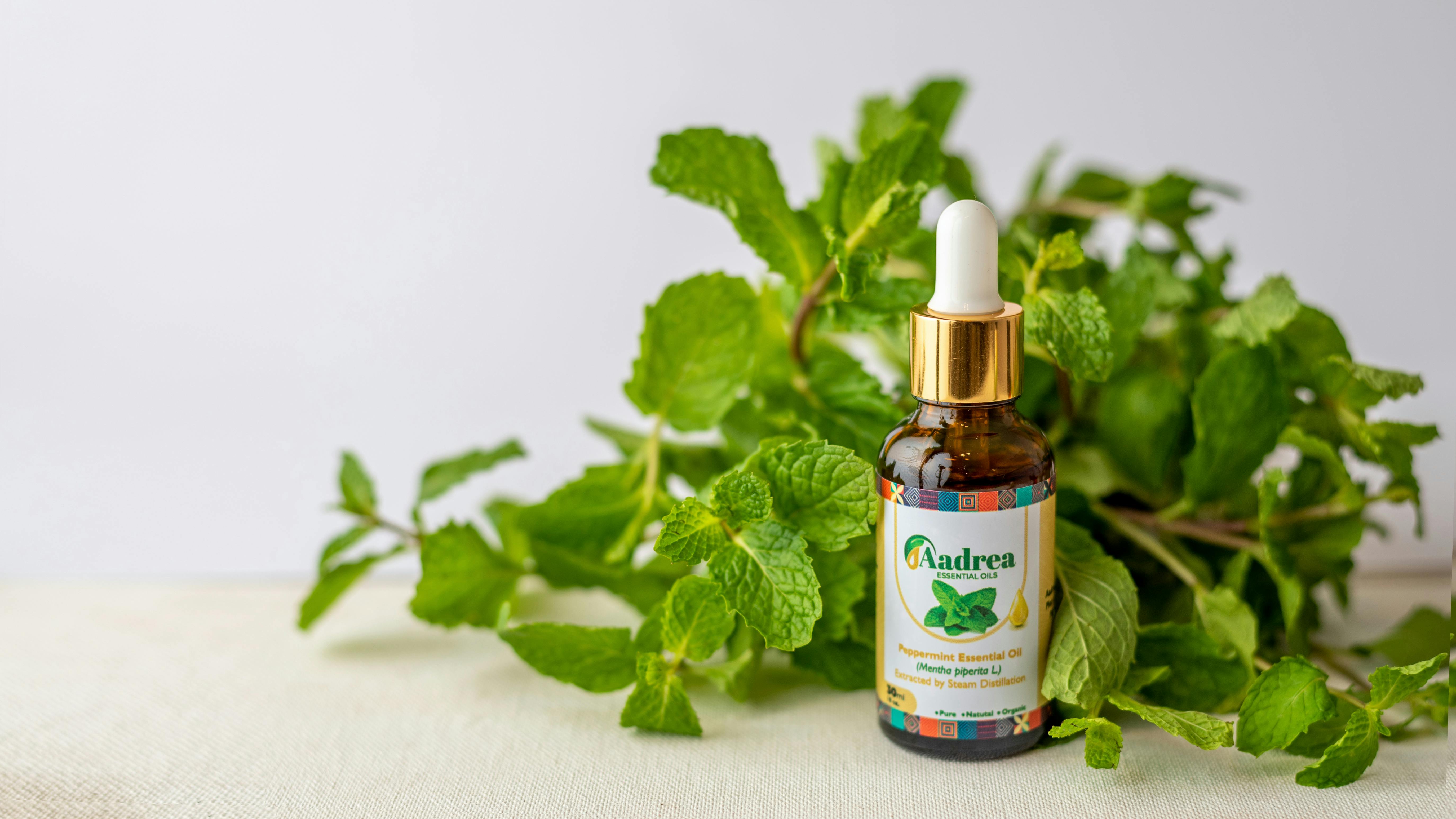
Peppermint oil is one of the easiest squirrel deterrents you can use around your yard. Squirrels really dislike the strong, sharp scent, so even a little goes a long way.
Just soak some cotton balls in peppermint oil and place them near bird feeders, garden beds, or entry points around your home. Reapply every few days, especially after rain.
It’s affordable, simple to find at most stores, and safe to use around kids and pets when applied carefully.
2.) White Vinegar

White vinegar is one of the easiest and cheapest squirrel deterrents you can find, and you probably already have some in your kitchen cabinet. Squirrels really dislike the sharp, sour smell it puts off, so it works well as a garden spray.
Mix equal parts white vinegar and water in a spray bottle, then apply it around garden beds, pots, or bird feeders. Reapply every few days or after rain since the smell fades quickly outdoors.
3.) Garlic

Garlic is one of the easiest plants to grow, and squirrels really can’t stand the smell of it. Plant cloves in fall for a spring harvest, or in early spring in colder areas. It does well in zones 3–8 and just needs full sun and well-drained soil.
Space cloves about 6 inches apart, pointed side up, and water regularly without overwatering. Once the lower leaves start turning brown, it’s ready to harvest. Plus, you get to eat it afterward — win-win.
4.) Coffee Grounds
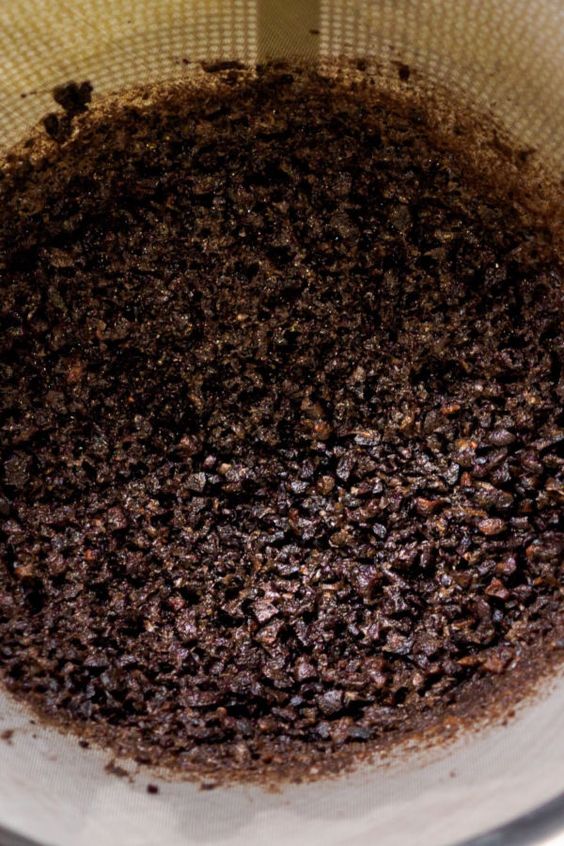
If you’re a coffee drinker, you already have a free squirrel repellent sitting in your kitchen. Squirrels really don’t like the strong smell of used coffee grounds, making them a handy tool for protecting your garden beds and potted plants.
Just sprinkle the grounds around the base of your plants or along garden borders. Reapply after rain since the smell fades when wet. As a bonus, coffee grounds also add nitrogen to your soil, giving your plants a little extra help.
5.) Cayenne Pepper
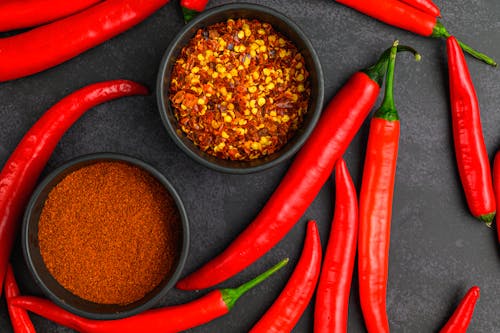
Cayenne pepper is a solid choice for keeping squirrels away, since they absolutely hate the burning sensation capsaicin causes. Sprinkle dried cayenne powder around garden beds, bird feeders, or potted plants to send those little troublemakers running.
If you want to grow your own supply, cayenne peppers do well in full sun and warm temperatures. They’re best suited for zones 9–11 but grow easily as annuals in cooler areas. Water regularly and harvest peppers once they turn bright red.
6.) Predator Urine
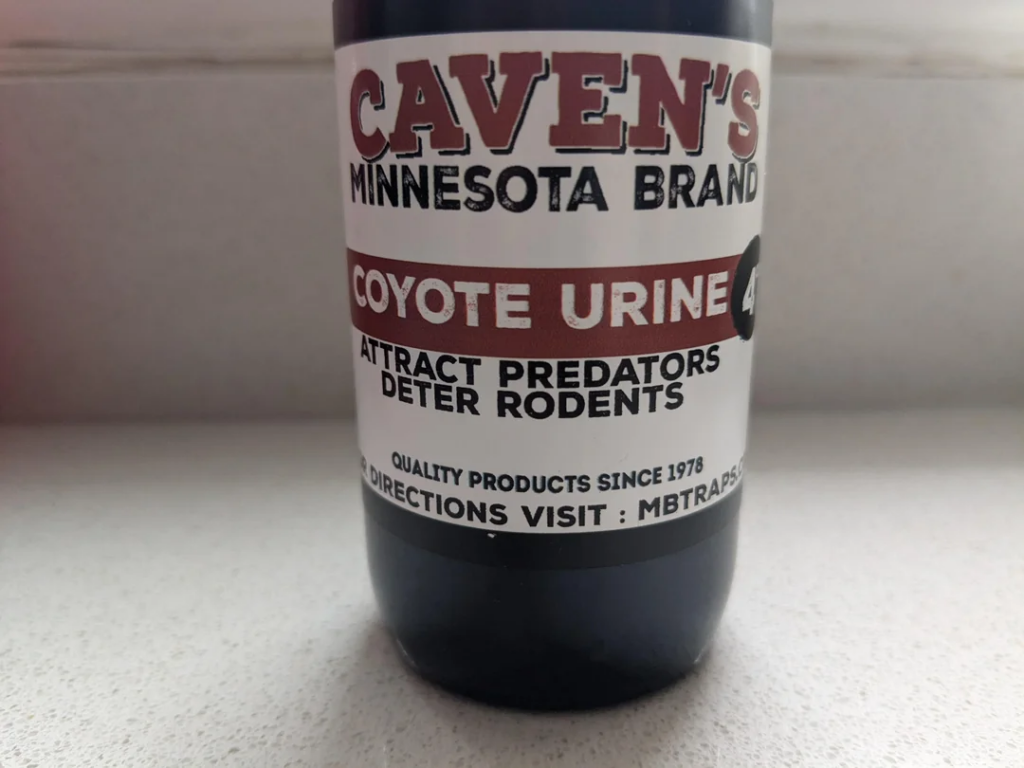
If you want to tap into a squirrel’s natural instincts, predator urine is worth trying. Coyote and fox urine are the most common options, and you can find them at garden centers or online. Squirrels smell a predator nearby and want nothing to do with your yard.
Spray or sprinkle it around garden beds, near bird feeders, or along fence lines. Reapply after rain since it washes away quickly. It works best in fall and winter when squirrels are actively foraging.
7.) Mothballs

Mothballs have been used for decades to keep pests away, and squirrels are no fans of that sharp, chemical smell. You can place them around the base of trees, near bird feeders, or along garden borders to create a scent barrier that squirrels tend to avoid.
One thing to keep in mind — mothballs contain toxic chemicals, so keep them away from edible plants, pets, and kids. They also break down faster in rain, so you’ll need to replace them regularly.
8.) Black Pepper

Black pepper (*Piper nigrum*) isn’t just a kitchen staple — squirrels really can’t stand the smell of it. Sprinkling ground black pepper around your garden beds or near bulbs is a simple, affordable way to keep those bushy-tailed thieves away.
You can reapply after rain since it loses its punch when wet. If you want to grow your own, black pepper thrives in warm, humid climates (zones 10–12) with partial shade and well-drained soil. It’s a tropical vine, so most gardeners grow it in containers indoors.