If you’ve ever grown tomatoes and ended up with a sad, underwhelming harvest, you’re not alone. The secret might actually be what’s going on *underground* before your plants even get started.
Turns out, a few simple things buried right at planting time can make a huge difference in how your tomatoes grow. Some of these might already be sitting in your kitchen or backyard right now!
1.) Fish Heads or Fish Scraps

If you’ve ever heard of planting fish under tomatoes, this is the old-school trick behind it. Native American farmers buried fish beneath their crops to feed the soil, and it actually works really well.
Fish heads or scraps break down slowly and release nitrogen, phosphorus, and calcium — exactly what tomato plants crave. Just dig about a foot down, drop them in, and cover well.
One thing to watch out for: bury deep enough so neighborhood animals don’t dig them up.
2.) Crushed Eggshells
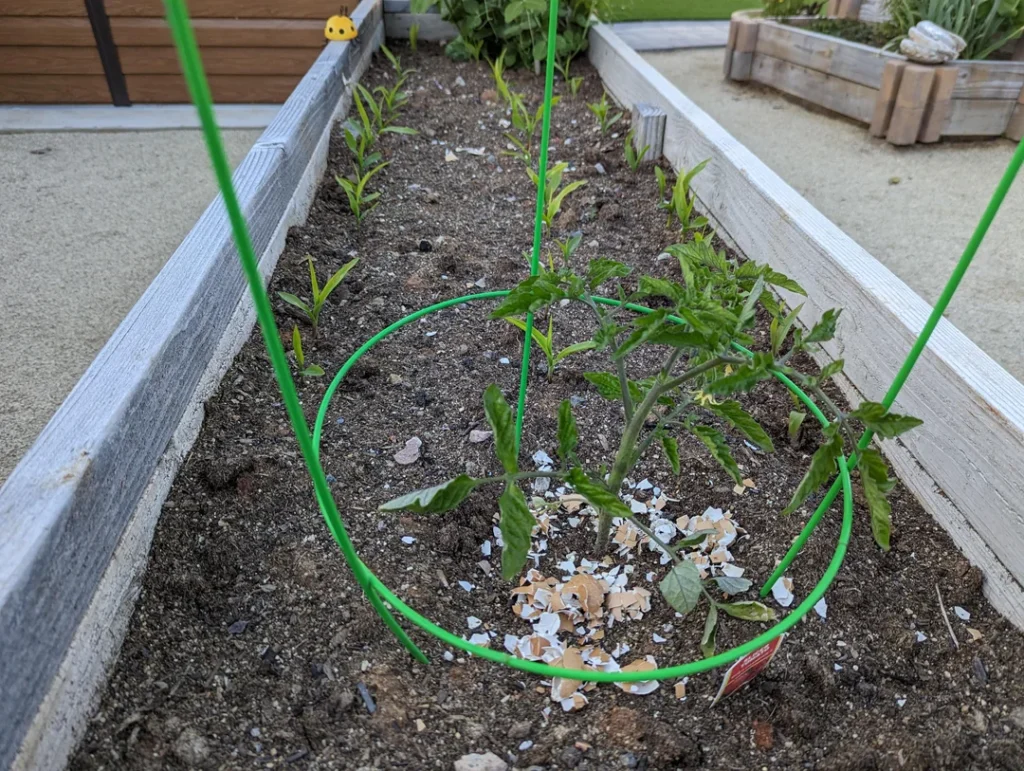
Don’t toss those eggshells — save them up and crush them before burying a small handful a few inches below your tomato transplants.
Eggshells are packed with calcium, which helps prevent blossom end rot, a really common problem where the bottoms of your tomatoes turn black and mushy. They break down slowly, feeding your plants over the whole season.
Dry the shells first so they don’t smell, then crush them into small pieces so they break down faster in the soil.
3.) Banana Peels
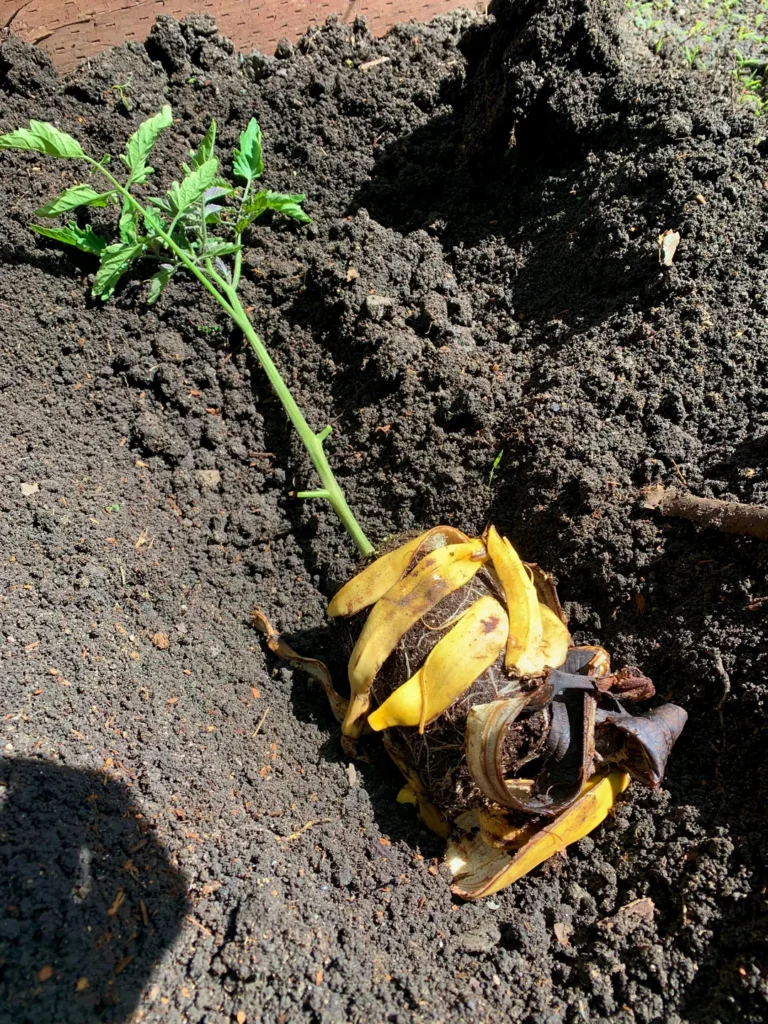
Don’t toss those banana peels — bury them! They break down quickly in the soil and release potassium, which tomatoes absolutely love during fruit development. More potassium means better-tasting tomatoes and stronger plants overall.
Just chop the peels into smaller pieces before burying them a few inches deep near the base of your plants. Smaller pieces break down faster and get to work sooner. Do this every couple of weeks through June and July for the best results.
4.) Epsom Salt

Epsom salt is magnesium sulfate, and tomatoes absolutely love magnesium. Without enough of it, your plants can’t absorb nutrients properly, which leads to yellow leaves and weak fruit production.
Before planting, toss about a tablespoon of Epsom salt into the bottom of the hole. It dissolves slowly as you water, feeding the roots right where they need it most.
You can also dissolve a tablespoon in a gallon of water and spray the leaves every few weeks for an extra boost.
5.) Aspirin Tablet

Toss one regular aspirin tablet into the hole before planting your tomato seedlings. The salicylic acid in aspirin is known to trigger a plant’s natural defense system, helping it fight off disease and stress more effectively throughout the season.
Just use one standard 325mg uncoated tablet per plant — no need to crush it. It breaks down slowly in the soil over time. Gardeners who try this often report fewer fungal issues and stronger overall growth by midsummer.
6.) Baking Soda
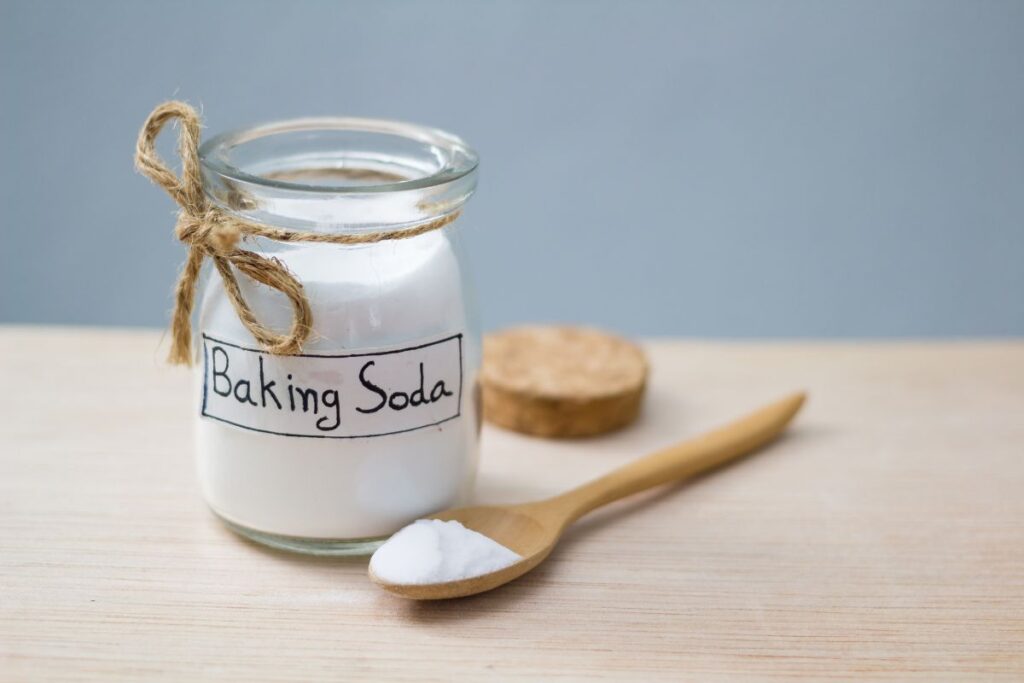
Baking soda might seem like a strange thing to bury in your garden, but hear me out. A small pinch worked into the soil near your tomato roots can help balance pH levels and reduce the acidity that leads to bitter-tasting fruit.
Just don’t go overboard — a teaspoon per plant is plenty. Too much can throw off your soil chemistry and actually slow growth. Sprinkle it in when transplanting and let it work its magic as the season heats up.
7.) Coffee Grounds

Used coffee grounds are worth saving before you toss them out. They’re packed with nitrogen, which tomatoes absolutely love, and they can help improve drainage in dense soil.
Just sprinkle a thin layer around the base of your plant before covering it back up. Don’t go overboard, though — too much can make the soil too acidic. A small handful per plant is plenty.
It’s an easy, free way to give your tomatoes a little extra boost right from the start.
8.) Dried Leaves or Compost

Dried leaves and compost are basically free food for your tomatoes. When you bury them a few inches below the planting hole, they break down slowly and release nutrients right where the roots can grab them. It’s a simple way to feed your plants without relying too much on store-bought fertilizer.
Compost also helps the soil hold moisture, which matters a lot during hot June days. Just avoid fresh, uncomposted materials, as they can temporarily pull nitrogen away from your plants while breaking down.
9.) Bone Meal

Bone meal is basically slow-release fertilizer made from ground-up animal bones, and tomatoes absolutely love it. It’s packed with phosphorus, which helps roots grow strong and supports fruit development throughout the season.
Just toss a small handful into the planting hole before you set your transplant in. A quarter cup per plant is usually enough. Too much phosphorus can actually block your plant from absorbing other nutrients, so don’t go overboard. A little goes a long way here.

