Worried about soil erosion when it rains?
We’ve got you covered.
Here are 9 easy tips to keep your soil in place during heavy rains. Protect your garden and land with these simple strategies.
Let’s get started!
1. Plant Grass and Shrubs
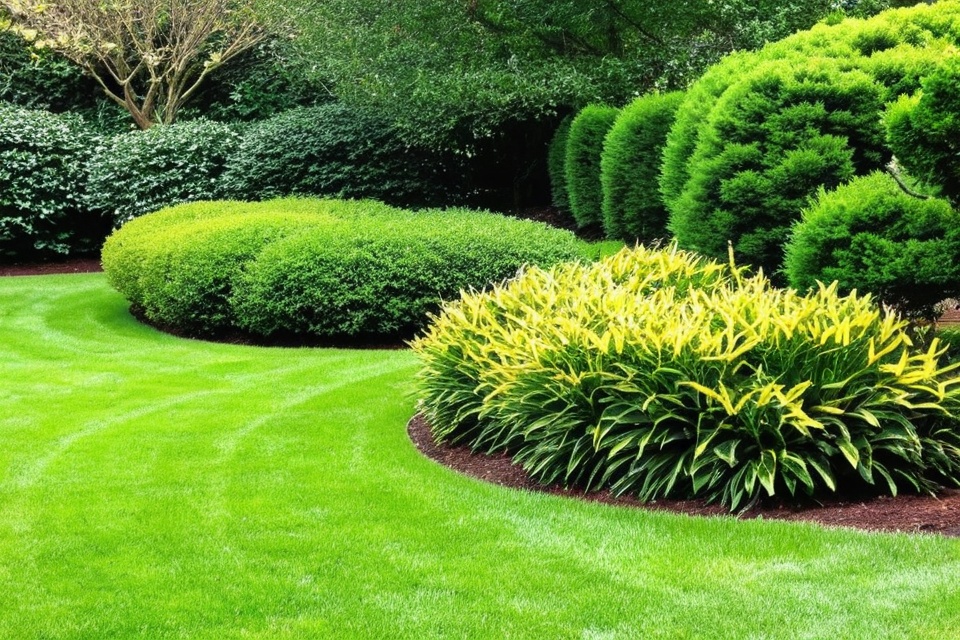
Planting grass and shrubs isn’t just about making your yard look nice. Their roots help hold the soil together, making it less likely to wash away when the rain comes pouring down.
Choose plants that grow well in your local climate for the best results.
2. Use Mulch
Spreading a layer of mulch over your soil can work wonders. It helps to keep the moisture in while protecting the topsoil from getting swept away.
Mulch also decomposes eventually, adding more nutrients to your soil.
3. Build Terraces
If you have a sloped yard, building terraces can be a game-changer. Terraces break up the slope into smaller, flat areas, which reduce the speed of water runoff.
You can use stone, wood, or even old bricks to build them.
4. Install Rain Barrels
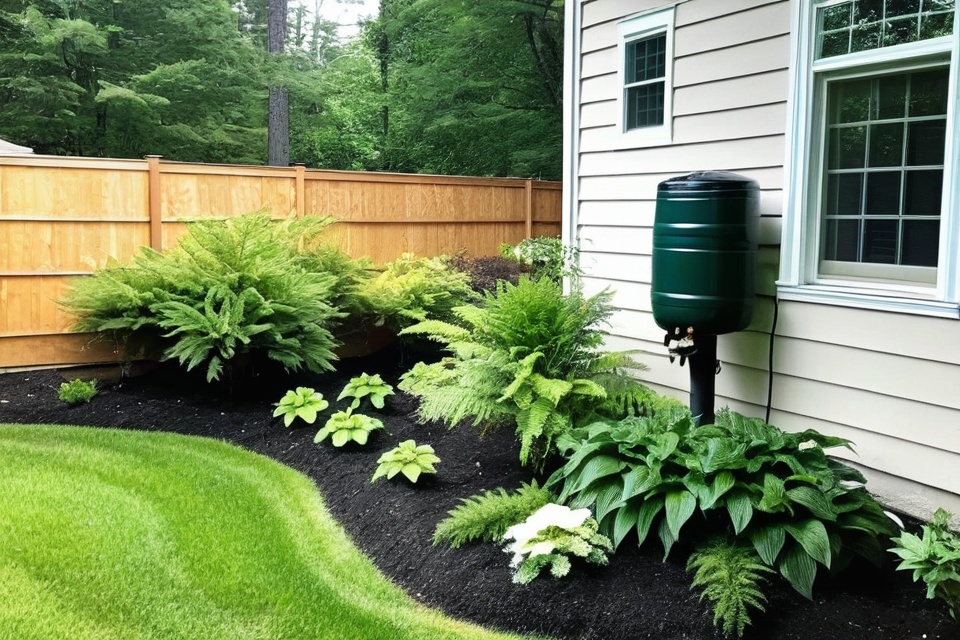
Rain barrels are not only eco-friendly but also great for preventing soil erosion. By capturing rainwater, you can control the amount of water that reaches the soil.
Plus, you can use the collected water for gardening during dry spells.
5. Apply Erosion Control Blankets
These blankets are usually made from natural fibers and can be laid over vulnerable soil. They help keep the soil in place while allowing water to pass through.
Over time, they decompose and enrich the soil.
6. Create Windbreaks
Planting trees and large shrubs around the edges of your yard can act as windbreaks. They reduce the wind’s speed, which can otherwise blow away topsoil.
Evergreen trees are particularly effective since they provide year-round protection.
7. Check Your Gutters and Downspouts
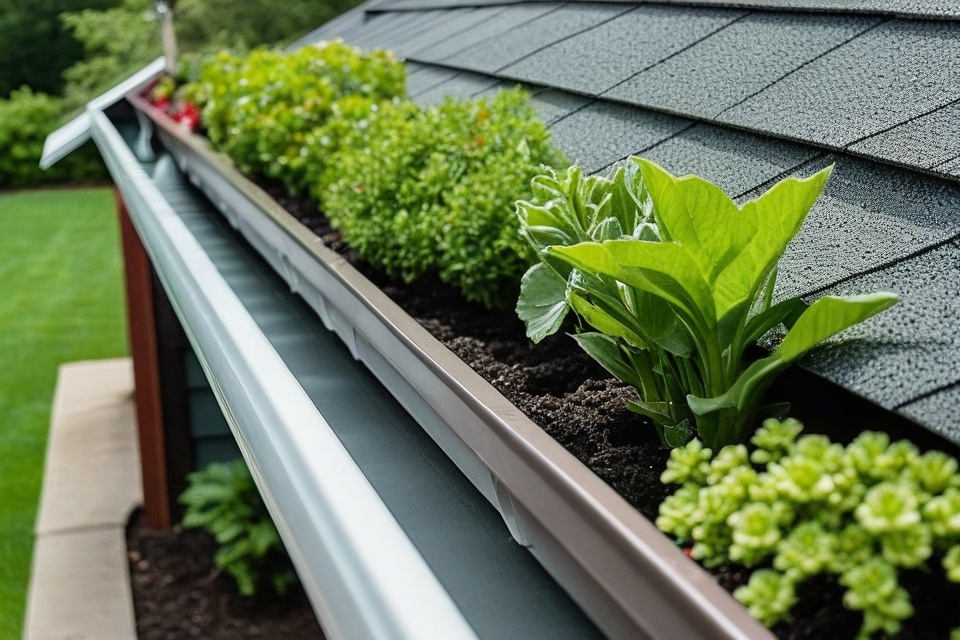
Make sure to regularly clean your gutters and downspouts. A clogged gutter can overflow and direct torrents of water into your yard, causing erosion.
Position your downspouts to direct water away from vulnerable areas.
8. Lay Down Geotextiles
Geotextiles are permeable fabrics that can be laid down on soil. They help to stabilize the soil while allowing water to filter through.
They’re particularly useful for areas that are heavily trafficked or prone to erosion.
9. Construct a Rain Garden
Why not turn a potential problem into a beautiful feature? A rain garden is designed to capture and absorb rainwater runoff.
Plant it with water-loving plants to create a lush, attractive space that helps prevent soil erosion.