Finding a good homemade bread recipe that’s both easy and interesting can feel like searching for a needle in a haystack. Between juggling work deadlines and family commitments, most of us don’t have time to spend hours in the kitchen kneading dough and waiting for it to rise multiple times.
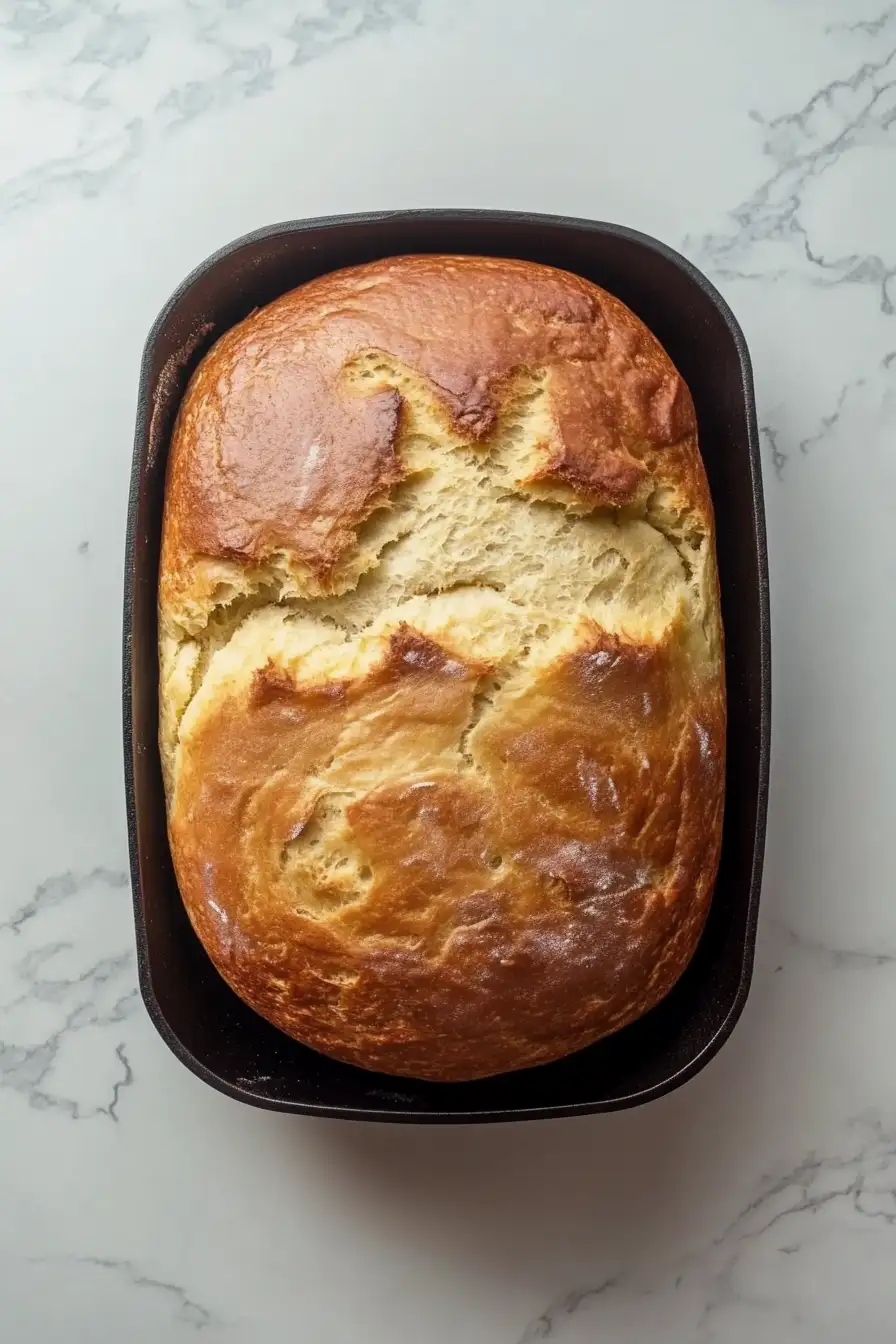
That’s why this fennel bread has become my go-to recipe – it’s straightforward to make, requires minimal hands-on time, and brings a subtle, unique flavor that makes it stand out from your typical loaf. Plus, it works perfectly for everything from morning toast to dinner-time sandwiches.
Why You’ll Love This Fennel Bread
- No-fuss preparation – This quick bread requires no yeast or proofing time – just mix, pour, and bake. Perfect for those days when you want fresh bread without the wait.
- Unique flavor profile – The sweet, licorice-like taste of fennel seeds adds an unexpected twist to this classic quick bread, making it stand out from ordinary loaves.
- Simple ingredients – You’ll likely have most of these pantry staples on hand already, with fennel seeds being the only slightly specialty item.
- Versatile serving options – This bread works beautifully as a breakfast side, with soups and stews, or even toasted with butter for an afternoon snack.
What Kind of Fennel Seeds Should I Use?
For this bread recipe, you’ll want to use whole fennel seeds rather than ground fennel powder to get that classic crunch and burst of flavor in every bite. Green fennel seeds (which are actually more yellowish-brown in color) are the most common type you’ll find at the grocery store, and they work perfectly in this recipe. If you have access to both, pick seeds that smell fresh and sweet rather than musty – a quick sniff test will tell you everything you need to know. To bring out even more flavor, try lightly toasting the fennel seeds in a dry pan for about 30 seconds before adding them to your bread dough.
Options for Substitutions
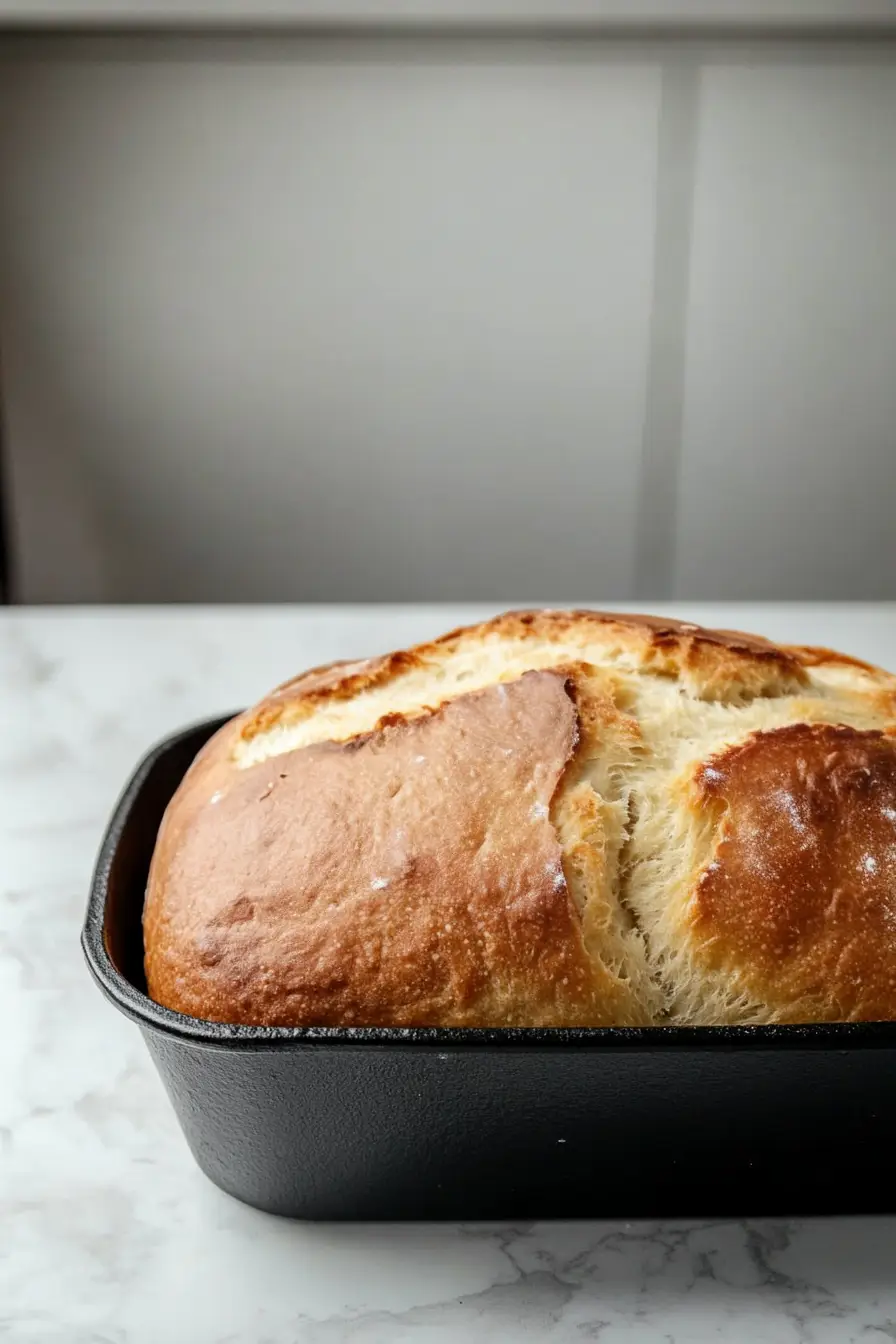
This fennel bread recipe can be adapted with several ingredient swaps if needed:
- Plain flour: You can use whole wheat flour for up to half of the plain flour amount – just note your bread will be denser. For a gluten-free version, try a 1:1 gluten-free flour blend, though the texture might be slightly different.
- Buttermilk: No buttermilk? Make your own by adding 1¾ tablespoons of lemon juice or white vinegar to regular milk and letting it sit for 5 minutes. You can also use plain yogurt thinned with a bit of milk.
- Fennel seeds: These give the bread its signature flavor, but if you’re not a fan, try caraway seeds or anise seeds instead. Keep in mind this will change the traditional taste of the bread.
- Butter: You can swap the butter with olive oil or vegetable oil (use the same amounts), though butter does add a nice richness to the final product.
- Granulated sugar: Feel free to use brown sugar instead, or reduce the amount to ½ cup if you prefer less sweetness. Honey can also work – use ½ cup and reduce the buttermilk by 2 tablespoons.
Watch Out for These Mistakes While Baking
The biggest challenge when making fennel bread is overmixing the dough – once you combine the wet and dry ingredients, mix just until they’re barely incorporated, as overmixing will lead to a tough, dense loaf.
Temperature control is crucial too – make sure your buttermilk and eggs are at room temperature before starting, as cold ingredients can prevent proper rising and lead to an uneven texture.
When it comes to the fennel seeds, don’t skip toasting them in a dry pan for 1-2 minutes before adding them to the dough – this simple step releases their natural oils and creates a much more flavorful bread.
Finally, resist the urge to cut into the bread right away; letting it cool for at least 30 minutes allows the crumb to set properly and makes slicing much easier.
What to Serve With Fennel Bread?
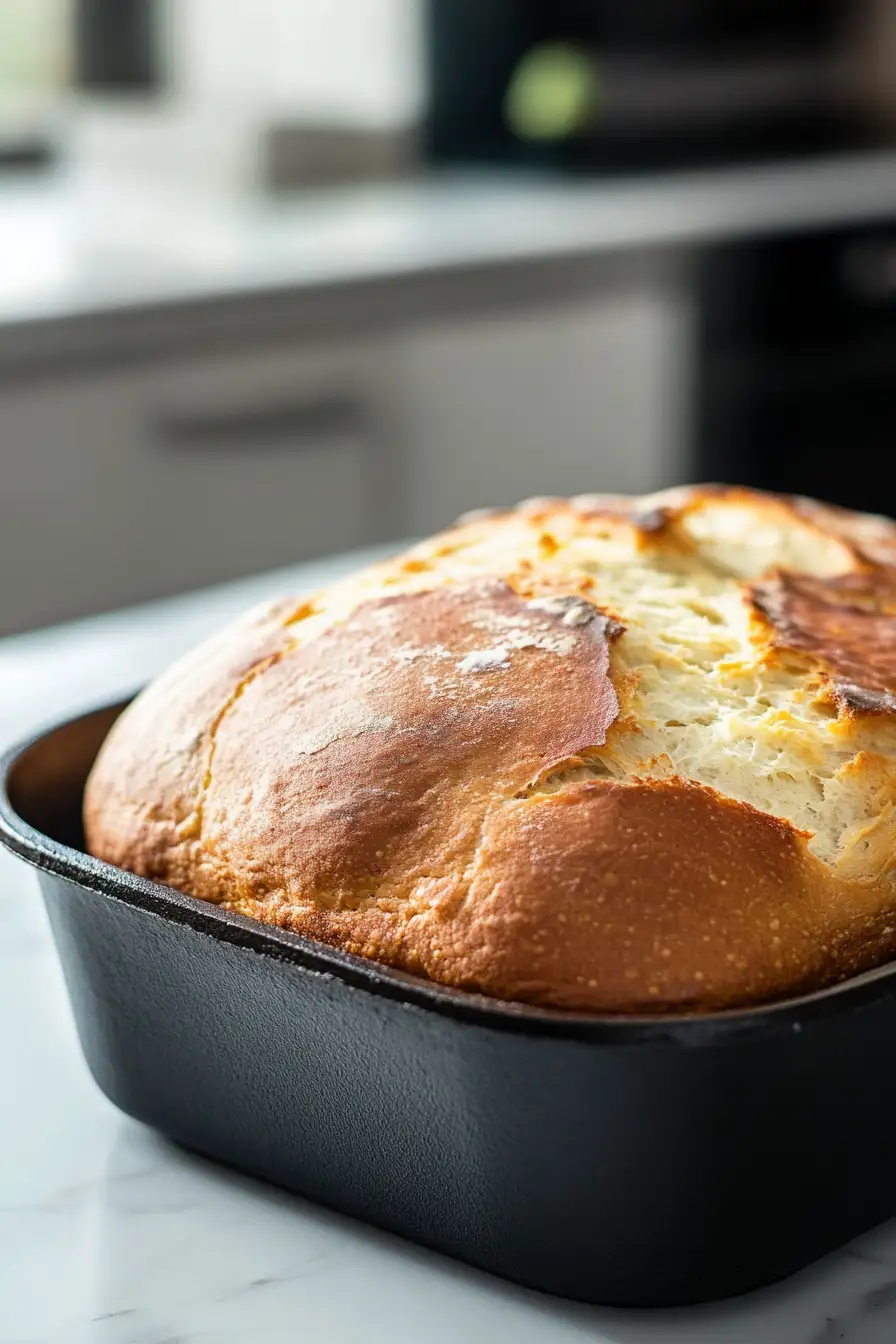
This lightly sweet and aromatic fennel bread makes a wonderful partner for soups and stews – especially those with Italian or Mediterranean flavors. The bread’s subtle licorice notes from the fennel seeds taste great when spread with salted butter and served alongside a bowl of minestrone or lentil soup. For breakfast or brunch, try toasting thick slices and serving them with honey and fresh ricotta cheese, or use it to make sandwiches filled with prosciutto and fresh mozzarella. If you’re serving it as part of a cheese board, pair it with aged hard cheeses like pecorino or parmesan that complement its fennel flavor.
Storage Instructions
Keep Fresh: This fennel bread stays fresh at room temperature for up to 3 days when wrapped well in plastic wrap or stored in an airtight container. I like to place a paper towel in the container to absorb any excess moisture and keep the bread from getting too soft.
Freeze: Want to save some for later? Cut the bread into slices, wrap them individually in plastic wrap, and pop them in a freezer bag. They’ll keep nicely for up to 3 months in the freezer. This way, you can grab just what you need when you want it!
Refresh: To bring back that fresh-baked taste, warm the bread in a 350°F oven for about 5 minutes. If using frozen slices, let them thaw at room temperature first. You can also toast individual slices – they make a really nice base for breakfast or sandwiches.
| Preparation Time | 15-20 minutes |
| Cooking Time | 50-60 minutes |
| Total Time | 65-80 minutes |
| Level of Difficulty | Easy |
Estimated Nutrition
Estimated nutrition for the whole recipe (without optional ingredients):
- Calories: 1800-2000
- Protein: 35-40 g
- Fat: 80-90 g
- Carbohydrates: 250-270 g
Ingredients
- 1 tbsp fennel seeds (freshly ground for best flavor)
- 3/4 cup granulated sugar
- 3 tbsp cold butter (cut into small pieces for easier blending)
- 1 tbsp baking powder
- 2 tsp melted butter
- 2 large eggs, beaten (room temperature for better incorporation)
- 1 3/4 cups buttermilk
- 1/2 tsp salt
- 3 cups all-purpose flour (I always use King Arthur all-purpose flour)
- 1 tsp baking soda
Step 1: Prepare the Oven and Cake Pan
Begin by preheating your oven to 350 degrees F (175 degrees C).
While the oven is heating, grease a 10-inch round cake pan to prevent the cake from sticking and ensure easy removal after baking.
Step 2: Combine Dry Ingredients
In a large bowl, stir together the flour, baking powder, baking soda, salt, sugar, and fennel seed.
Make sure all dry ingredients are evenly mixed, which will help create a uniform cake texture.
Step 3: Mix Wet Ingredients
In a separate bowl, whisk together the eggs, buttermilk, and melted butter until they are well combined.
This mixture will help incorporate air and moisture into your cake batter.
Step 4: Combine Wet and Dry Ingredients
Gently stir the wet ingredients into the bowl of dry ingredients.
Use a large spoon to mix until just blended, being careful not to overmix, as this can lead to a dense cake.
The batter should be slightly lumpy but well combined.
Step 5: Fill the Cake Pan and Dot with Butter
Spoon the prepared batter into your greased 10-inch round cake pan.
Once the batter is evenly distributed, dot the top with 3 tablespoons of chilled butter for extra richness and flavor.
Step 6: Bake and Serve
Bake the cake in your preheated oven for about 1 hour, or until it is puffed, golden, and a toothpick inserted in the center comes out clean.
Once done, remove from the oven and let it cool slightly.
Cut into wedges and serve warm for the best experience.