I grew up thinking mashed potatoes absolutely needed milk or cream to be good. That’s just what you did—boil the potatoes, add butter, pour in some milk, and mash away. But then I ran out of milk one Thanksgiving (of course), and I had to figure something else out.
Turns out, you don’t need milk at all. The secret is using good butter—I’m talking the real stuff with actual flavor—and adding just enough starchy potato water back into your mash. The potatoes themselves have enough natural creaminess when you treat them right. Now I actually prefer them this way, especially when someone at the table is lactose intolerant or we’re just out of milk on a regular Tuesday night.
Why You’ll Love These Mashed Potatoes
- Dairy-free friendly – These mashed potatoes skip the milk entirely, making them perfect if you’re lactose intolerant or just ran out of milk at the last minute.
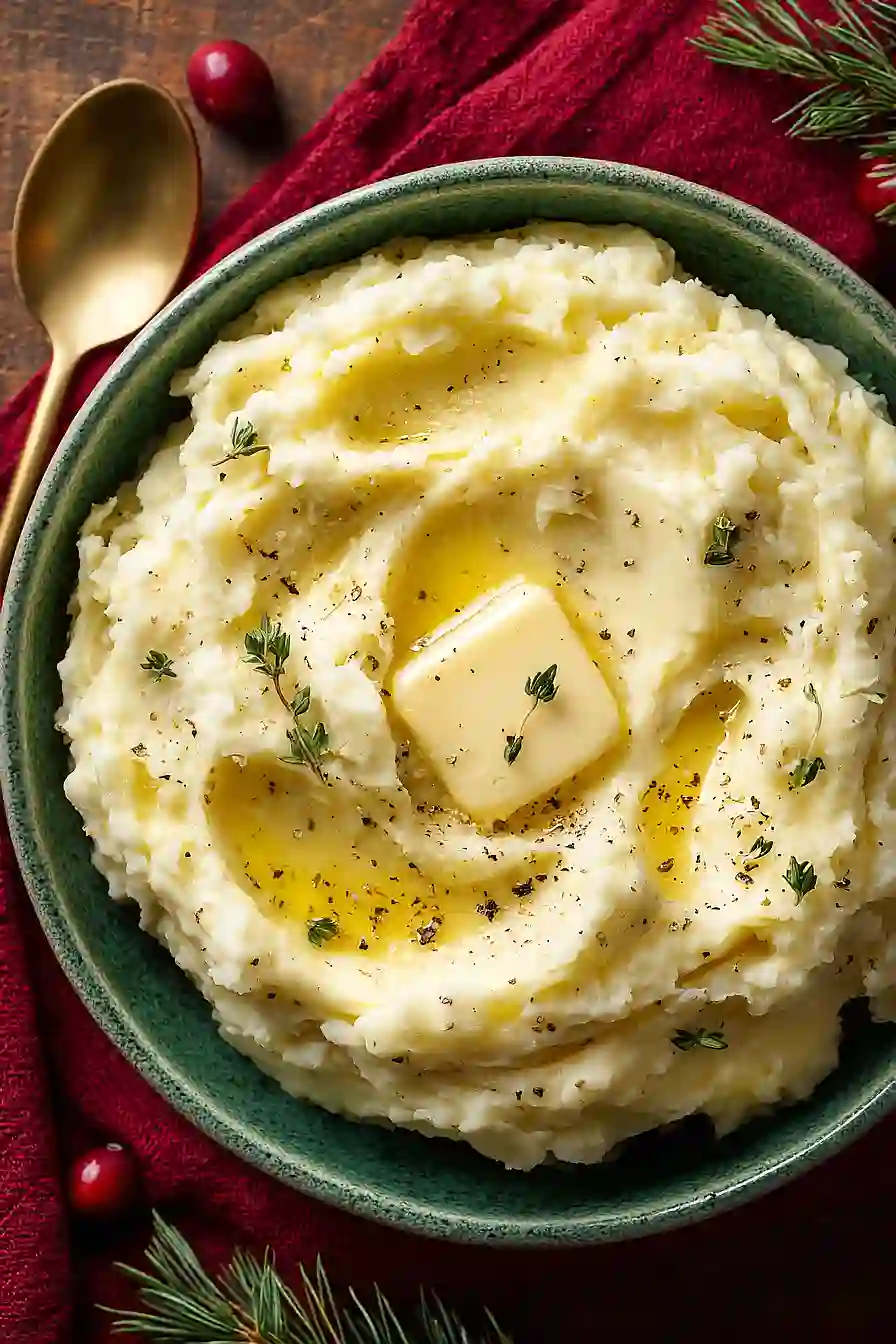
- Rich and creamy texture – You won’t miss the milk at all. The butter and starchy Yukon golds create a smooth, velvety texture that’s just as good as traditional mashed potatoes.
- Simple ingredients – With just potatoes, butter, and basic seasonings, you probably have everything you need already sitting in your kitchen.
- Quick weeknight side – Ready in under 45 minutes, these mashed potatoes are easy enough for busy weeknights but tasty enough for holiday dinners.
What Kind of Potatoes Should I Use?
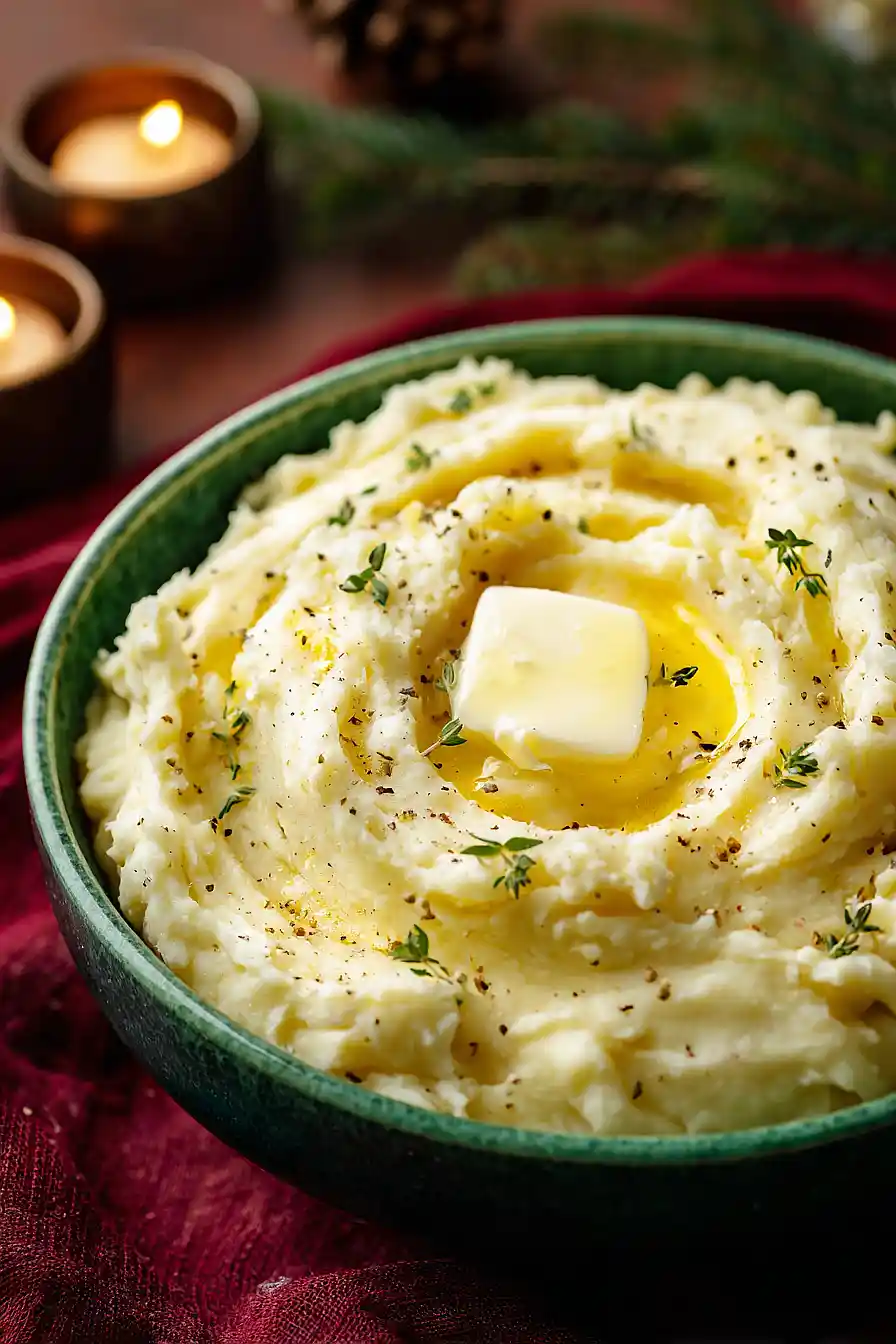
Yukon gold potatoes are my go-to for mashed potatoes because they have a naturally buttery flavor and creamy texture that works perfectly for this recipe. If you can’t find Yukon golds, russet potatoes are another solid option – they’re starchy and fluffy, though they’ll give you a slightly different texture. Red potatoes can work too, but they tend to be a bit waxier and won’t mash quite as smoothly. Whatever you choose, make sure your potatoes are all roughly the same size when you cut them so they cook evenly.
Options for Substitutions
This recipe is straightforward, but here are some swaps you can make if needed:
- Yukon gold potatoes: Russet potatoes work great too and give you a fluffier texture. Red potatoes are another option, though they’ll be a bit creamier and less fluffy. Whatever you choose, just keep the total weight around 2 1/2 pounds.
- Salted butter: If you only have unsalted butter, go ahead and use it – just add an extra pinch of salt to taste. You can also use olive oil or even the starchy potato cooking water for a dairy-free version, though the flavor will be different.
- Garlic powder: Fresh minced garlic (about 2 cloves) or roasted garlic can replace the powder. Just mix it in while the potatoes are still hot so it blends smoothly.
- Fresh herbs: If you don’t have fresh herbs on hand, dried herbs work fine – just use about 1/3 of the amount since dried herbs are more concentrated.
Watch Out for These Mistakes While Cooking
The biggest mistake people make with mashed potatoes is overworking them, which activates the starch and turns your fluffy side dish into a gluey, paste-like mess – use a potato masher or ricer and stop as soon as they’re smooth.
Starting your potatoes in cold water instead of boiling water helps them cook more evenly from the outside in, preventing that dreaded situation where the outsides are mushy but the centers are still hard.
Since this recipe doesn’t use milk or cream, adding cold butter straight from the fridge can cool down your potatoes too quickly and make them harder to mash smoothly, so make sure your butter is at room temperature or slightly melted.
Don’t forget to salt your cooking water generously (it should taste like the sea) because this is your main opportunity to season the potatoes from the inside out, and always drain them completely before mashing to avoid watery results.
What to Serve With Mashed Potatoes?
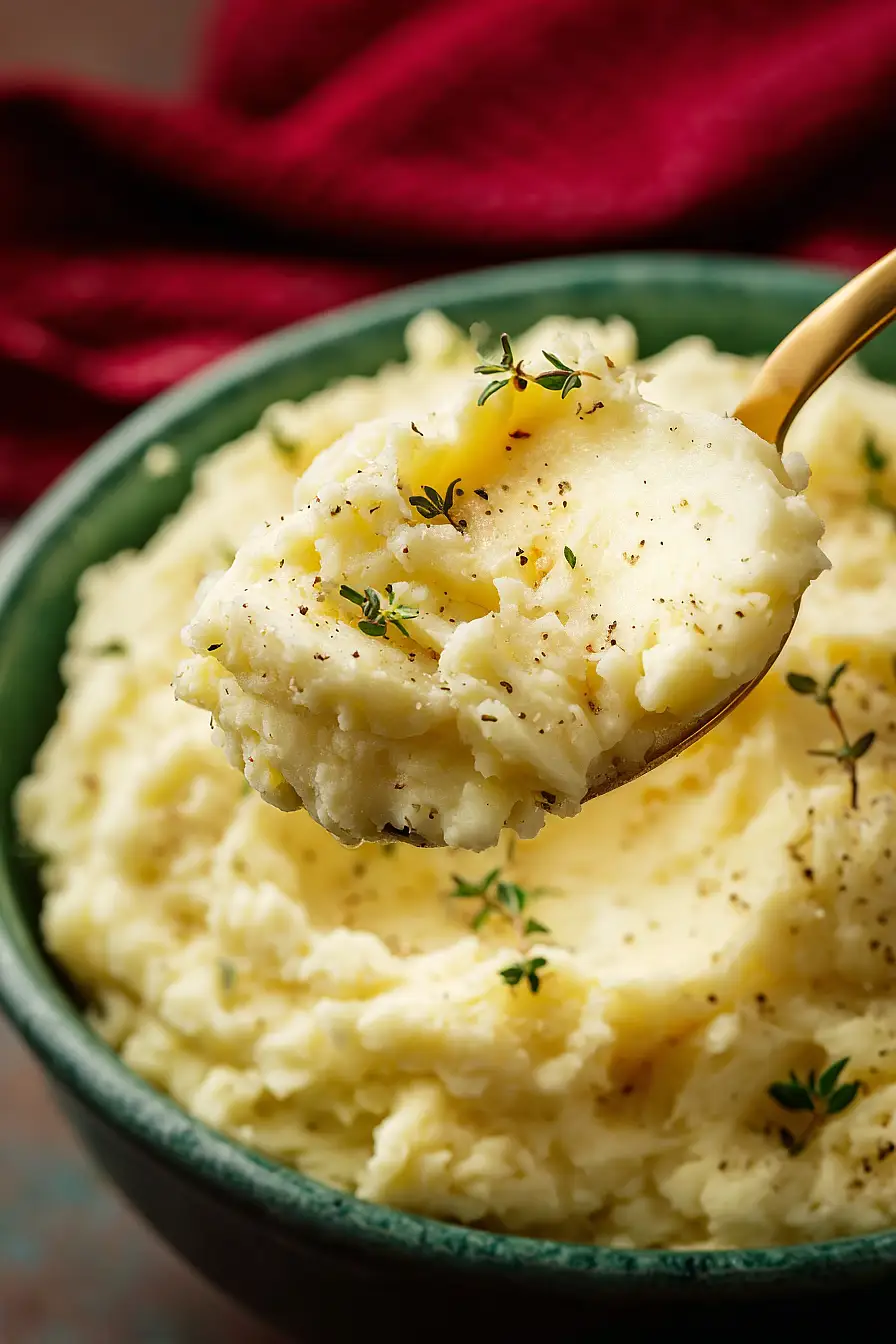
Mashed potatoes are the perfect side dish for just about any protein you’re serving for dinner. They pair beautifully with roasted chicken, grilled steak, pork chops, or meatloaf – basically anything with a good gravy or sauce that can pool into those creamy potatoes. I love serving them alongside green beans, roasted Brussels sprouts, or glazed carrots to round out the plate. For a cozy weeknight meal, try them with pot roast or slow-cooked beef, where they can soak up all those rich cooking juices.
Storage Instructions
Store: Keep your leftover mashed potatoes in an airtight container in the fridge for up to 4 days. They might firm up a bit as they cool, but that’s totally normal. When you’re ready to eat them again, just add a little extra butter or a splash of water to bring back that creamy texture.
Freeze: Mashed potatoes freeze surprisingly well for up to 2 months. Portion them into freezer-safe containers or bags, and make sure to press out any extra air. I like to freeze them in smaller portions so I can thaw just what I need for a quick side dish.
Reheat: Warm them up in the microwave with a pat of butter, stirring every minute or so until heated through. You can also reheat them on the stovetop over low heat, stirring frequently. If they seem dry, just stir in a bit more butter or warm water until they’re creamy again.
| Preparation Time | 10-15 minutes |
| Cooking Time | 20-30 minutes |
| Total Time | 30-45 minutes |
| Level of Difficulty | Easy |
| Servings | 4 servings |
Estimated Nutrition
Estimated nutrition for the whole recipe (without optional ingredients):
- Calories: 1100-1300
- Protein: 18-22 g
- Fat: 45-55 g
- Carbohydrates: 170-190 g
Ingredients
- 1/2 tsp cracked black pepper
- 1/2 tsp garlic powder (freshly ground preferred)
- 8 large Yukon gold potatoes (waxy variety holds shape better)
- 5 tbsp salted butter (I use Kerrygold for richness)
- 3/4 tsp kosher salt
- fresh thyme, parsley, or chives (optional, adds brightness and color)
Step 1: Prepare and Cook the Potatoes
- 8 large Yukon gold potatoes
Cut the Yukon gold potatoes into even-sized chunks (about 2-3 inches) to ensure they cook uniformly.
Place them in a large pot and cover completely with cold water.
Bring to a boil over high heat, then reduce to a simmer and cook for 15-20 minutes until a fork easily pierces the largest piece.
The potatoes are done when they’re completely tender but not falling apart.
While they cook, reserve the pot you’ll use for mashing so it’s ready to go.
Step 2: Drain and Return Potatoes
- cooked potatoes from Step 1
- reserved potato cooking liquid
Carefully drain the cooked potatoes in a colander, reserving about 1 cup of the starchy cooking liquid—this is your secret ingredient for creamy mashed potatoes without milk.
Return the drained potatoes to the original pot (or a large bowl if you prefer).
I like to use the reserved potato water because it contains natural starches that create a silky texture better than any milk could.
Step 3: Mash and Season
- cooked potatoes from Step 1
- 5 tbsp salted butter
- 3/4 tsp kosher salt
- 1/2 tsp garlic powder
- 1/2 tsp cracked black pepper
- reserved potato cooking liquid from Step 2
Add the butter, kosher salt, garlic powder, and cracked black pepper to the hot potatoes.
Using a potato masher, begin breaking down the potatoes with firm, controlled strokes—work methodically until most lumps are gone.
Gradually add the reserved potato cooking liquid a little at a time, mashing between additions, until you reach your desired consistency.
Start with a smooth texture and add more liquid if you prefer them creamier.
I find that stopping when there are still a few small lumps gives the best texture—completely smooth potatoes can become gluey if overworked.
Step 4: Finish and Serve
- mashed potatoes from Step 3
- fresh thyme, parsley, or chives
Transfer the mashed potatoes to a serving dish.
If using fresh herbs, finely chop the thyme, parsley, or chives and scatter them over the top just before serving for a pop of color and freshness.
Serve immediately while still hot for the best creamy texture.
Best Mashed Potatoes Without Milk
Ingredients
- 1/2 tsp cracked black pepper
- 1/2 tsp garlic powder (freshly ground preferred)
- 8 large Yukon gold potatoes (waxy variety holds shape better)
- 5 tbsp salted butter (I use Kerrygold for richness)
- 3/4 tsp kosher salt
- fresh thyme, parsley, or chives (optional, adds brightness and color)
Instructions
- Cut the Yukon gold potatoes into even-sized chunks (about 2-3 inches) to ensure they cook uniformly. Place them in a large pot and cover completely with cold water. Bring to a boil over high heat, then reduce to a simmer and cook for 15-20 minutes until a fork easily pierces the largest piece. The potatoes are done when they're completely tender but not falling apart. While they cook, reserve the pot you'll use for mashing so it's ready to go.
- Carefully drain the cooked potatoes in a colander, reserving about 1 cup of the starchy cooking liquid—this is your secret ingredient for creamy mashed potatoes without milk. Return the drained potatoes to the original pot (or a large bowl if you prefer). I like to use the reserved potato water because it contains natural starches that create a silky texture better than any milk could.
- Add the butter, kosher salt, garlic powder, and cracked black pepper to the hot potatoes. Using a potato masher, begin breaking down the potatoes with firm, controlled strokes—work methodically until most lumps are gone. Gradually add the reserved potato cooking liquid a little at a time, mashing between additions, until you reach your desired consistency. Start with a smooth texture and add more liquid if you prefer them creamier. I find that stopping when there are still a few small lumps gives the best texture—completely smooth potatoes can become gluey if overworked.
- Transfer the mashed potatoes to a serving dish. If using fresh herbs, finely chop the thyme, parsley, or chives and scatter them over the top just before serving for a pop of color and freshness. Serve immediately while still hot for the best creamy texture.