Here is my favorite cast iron skillet frittata recipe, with fluffy eggs, almond milk, and six different vegetable and cheese combinations you can mix and match—from broccoli and feta to mushrooms with tarragon.
This frittata has become my go-to for weekend brunch and busy weeknight dinners. I love that you can customize it based on what’s in your fridge, and it tastes just as good the next day. Nothing better than a one-pan meal that feeds the whole family, right?
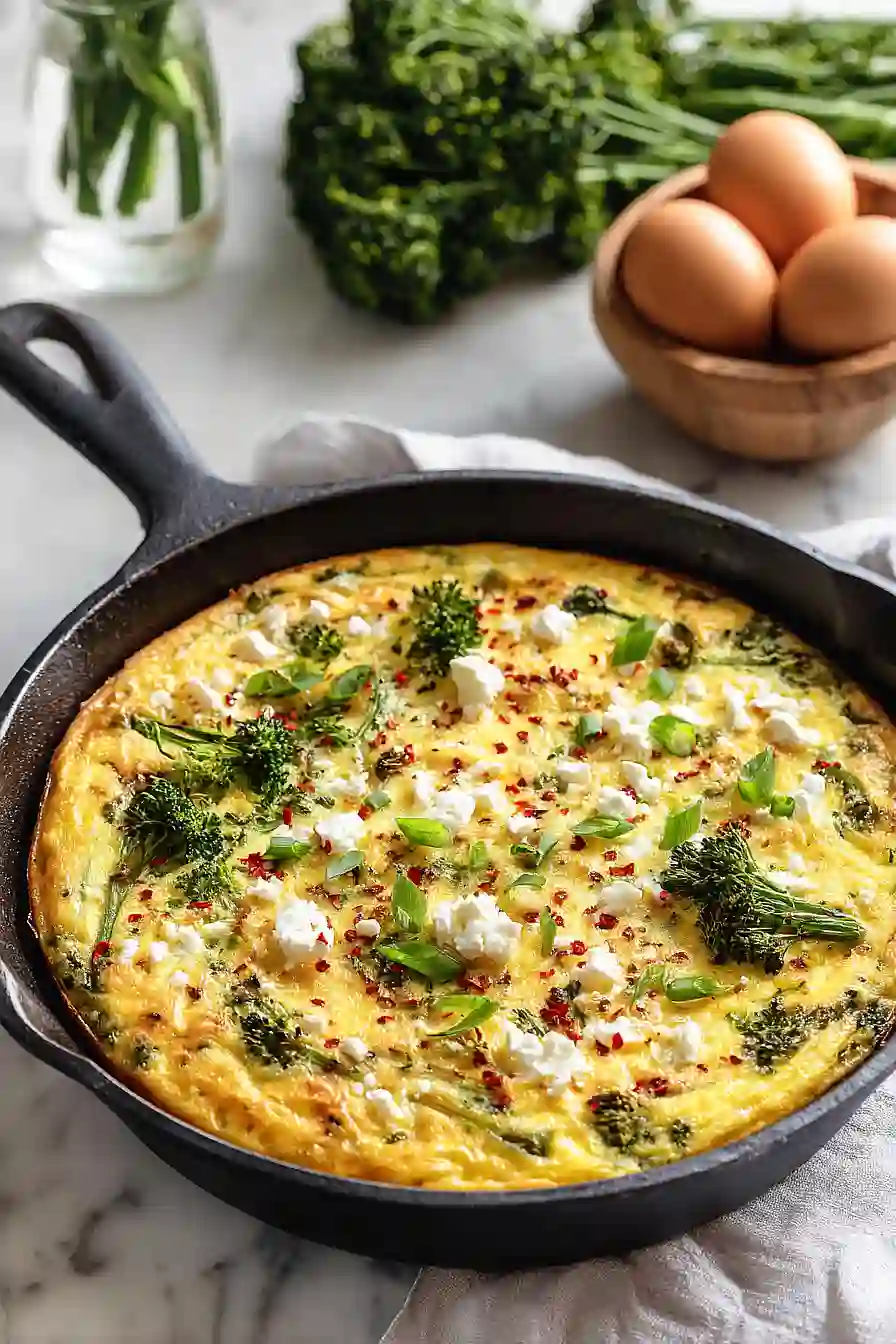
Why You’ll Love This Cast Iron Skillet Frittata
- High-protein breakfast or brunch – Packed with eggs and cheese, this frittata keeps you full and satisfied throughout the morning without weighing you down.
- Flexible and customizable – You can mix and match vegetables, cheeses, and herbs based on what you have in your fridge, making it perfect for using up leftovers.
- One-pan cooking – Everything cooks in a single cast iron skillet, which means less cleanup and an easier cooking process from start to finish.
- Great for meal prep – This frittata tastes just as good cold or reheated, so you can make it ahead and enjoy slices throughout the week for quick breakfasts or lunches.
- Naturally gluten-free – With no flour or bread involved, this recipe fits perfectly into a gluten-free lifestyle without any modifications needed.
What Kind of Eggs Should I Use?
For this frittata, you’ll want to use large eggs since that’s the standard size most recipes are built around. Fresh eggs from the farmers market or your local grocery store both work great, though farm-fresh eggs tend to have richer, more golden yolks if you can get your hands on them. There’s no need to bring your eggs to room temperature for this recipe – you can use them straight from the fridge. Just make sure to whisk them really well with the almond milk to get that light, fluffy texture you’re looking for in a good frittata.
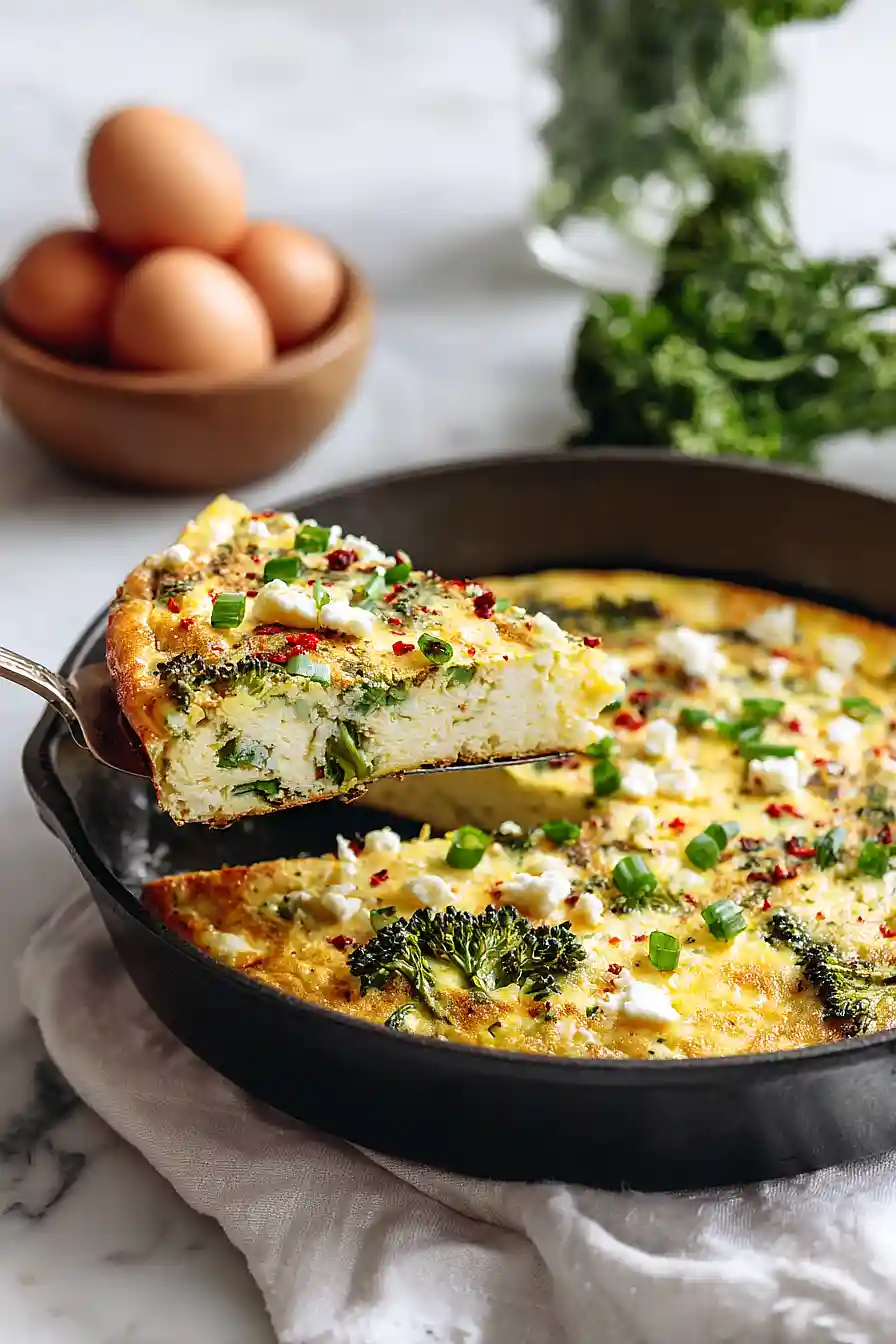
Options for Substitutions
This frittata is super forgiving and works well with whatever you have in your fridge:
- Eggs: Eggs are the base of this dish, so you’ll want to stick with them – they’re what makes a frittata a frittata. However, you can use a combination of whole eggs and egg whites if you’re looking to lighten things up.
- Almond milk: Any milk works here – regular dairy milk, oat milk, soy milk, or even half-and-half if you want something richer. You can also skip the milk entirely and just use eggs.
- Vegetables: The vegetable combinations listed are just suggestions. Mix and match based on what you have – zucchini, kale, sun-dried tomatoes, or roasted red peppers all work great. Just keep the total amount of veggies around 2-3 cups so the frittata sets properly.
- Cheese: Feel free to swap any of the cheeses mentioned. Goat cheese, cheddar, gruyere, or parmesan all melt nicely. Just use about 1/2 to 3/4 cup total of whatever cheese you prefer.
- Fresh herbs: Don’t have tarragon or basil? Try parsley, dill, chives, or thyme instead. You can also use about 1 tablespoon of dried herbs in place of 1/4 cup fresh.
- Scallions, spring onions, or shallots: These are all pretty interchangeable. A small yellow or white onion works too – just dice it up and sauté it a bit longer until softened.
Watch Out for These Mistakes While Cooking
The biggest mistake when making a frittata is cranking up the heat too high on the stovetop, which can cause the bottom to burn before the eggs are set – stick with medium heat and be patient while your vegetables soften.
Another common error is overcooking the frittata in the oven, so pull it out when the center still has a slight jiggle (around 15 minutes for most ovens), as it will continue cooking from residual heat and stay creamy instead of rubbery.
Don’t forget to use an oven-safe skillet, and if you’re not sure, wrap the handle in aluminum foil to protect it from the high heat.
For the best texture, avoid overcrowding your skillet with too many vegetables, which can release excess moisture and make your frittata watery – cook them until most of the liquid has evaporated before adding the eggs.
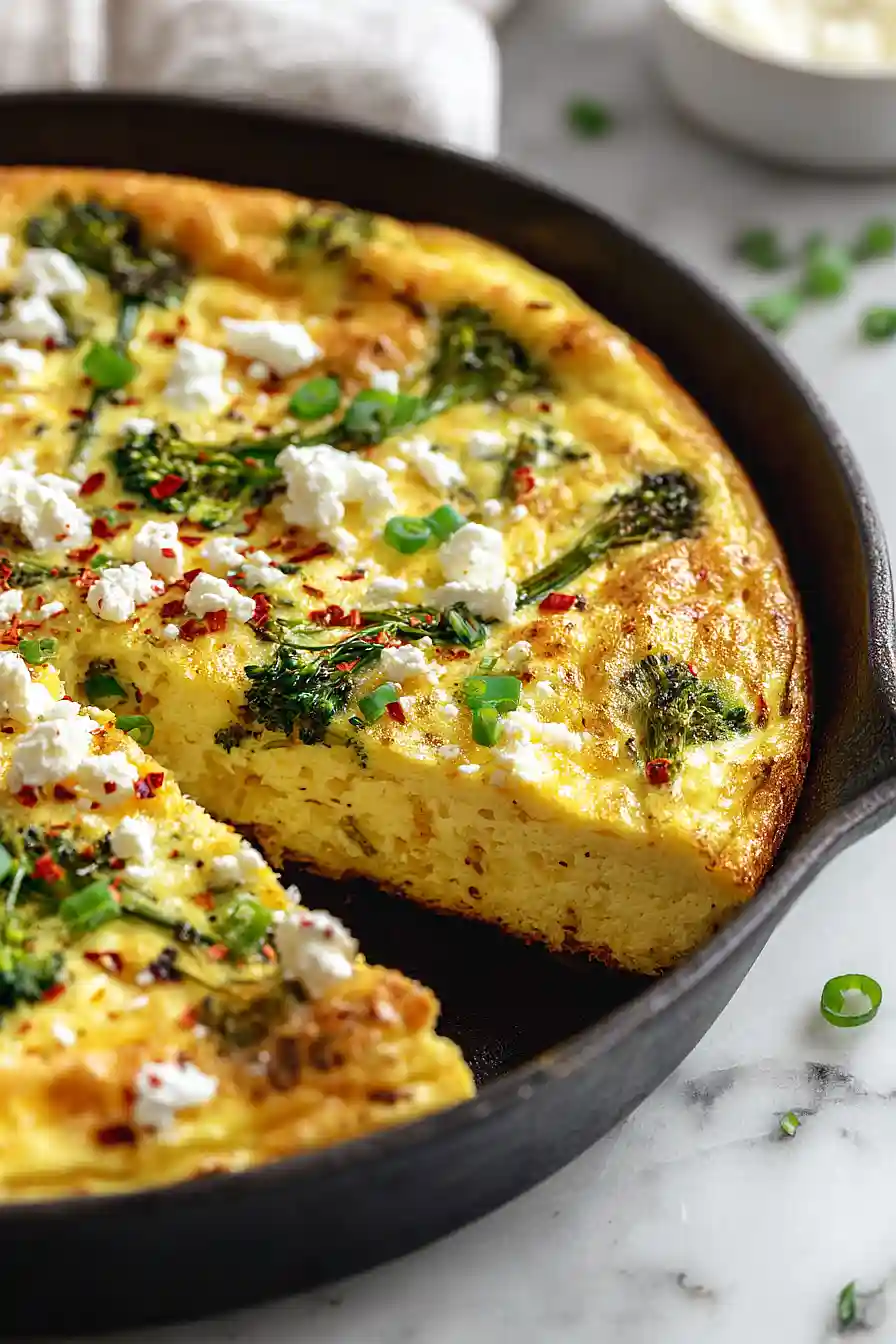
What to Serve With Frittata?
A frittata is great for any meal of the day, so I like to serve it with a simple side salad dressed with lemon vinaigrette to balance out the richness of the eggs and cheese. For breakfast or brunch, you can add some crispy bacon or breakfast sausage on the side, along with buttered toast or a warm baguette for scooping up every bite. If you’re serving it for dinner, roasted potatoes or a light soup make it feel more like a complete meal. Since frittatas are already packed with veggies, you really just need something simple on the side to round things out.
Storage Instructions
Store: Leftover frittata keeps really well in the fridge for up to 4 days. Just let it cool completely, then cover the skillet with plastic wrap or transfer slices to an airtight container. I actually think frittata tastes great cold straight from the fridge, making it perfect for quick breakfasts or lunch throughout the week.
Freeze: You can freeze individual slices of frittata for up to 2 months. Wrap each piece in plastic wrap, then place them all in a freezer bag. This way you can grab just what you need for a quick meal without thawing the whole thing.
Reheat: To warm up your frittata, pop it in the microwave for about 30-45 seconds, or heat it in a 350°F oven for 10-15 minutes until warmed through. If you’re reheating from frozen, let it thaw in the fridge overnight first for the best texture.
| Preparation Time | 15-20 minutes |
| Cooking Time | 20-30 minutes |
| Total Time | 35-50 minutes |
| Level of Difficulty | Easy |
| Servings | 6 servings |
Estimated Nutrition
Estimated nutrition for the whole recipe (without optional ingredients):
- Calories: 1400-1600
- Protein: 90-110 g
- Fat: 85-100 g
- Carbohydrates: 80-100 g
Ingredients
For the egg base:
- 9 large eggs
- 1/3 cup almond milk (I use Blue Diamond Unsweetened for a neutral flavor)
- 2 garlic cloves (freshly minced for best flavor)
- 1/2 tsp salt
- pinch of black pepper
For the Broccoli Feta variation:
- 1 tbsp olive oil
- 7 scallions (white and light green parts only)
- 2.5 cups broccoli (cut into small 1/2-inch florets)
- 1/4 tsp paprika
- 1/3 cup feta (I prefer President Feta for its creamy texture)
- pinch of red pepper flakes
For the Roasted Red Pepper & Spinach variation:
- 1/2 tbsp olive oil
- 1 shallot
- 2 red bell peppers (roasted and sliced into 1/4-inch strips)
- 2.5 cups spinach
- 1/2 cup feta
For the Spring Veggie variation:
- 1/2 tbsp olive oil
- 5 spring onions
- 1/2 cup asparagus (woody ends removed and cut into 1-inch pieces)
- 3/4 cup peas
- 1/2 cup mozzarella
- 1/3 cup feta
For the Mixed Mushroom & Tarragon variation:
- 1 tbsp olive oil
- 1 shallot
- 14 oz mushrooms (thinly sliced to ensure even browning)
- 1/3 cup fresh tarragon (chopped)
- 1/2 cup pecorino (I like Locatelli Pecorino Romano for extra sharpness)
For the Caprese variation:
- 1/2 tbsp olive oil
- 1 shallot
- 2.5 cups cherry tomatoes (halved to release juices during cooking)
- 3/4 cup basil (freshly chopped)
- 1 cup mozzarella (fresh pearls give the best melt and texture)
Step 1: Prepare the Mise en Place and Preheat
- 2 garlic cloves, minced
- 7 scallions or 5 spring onions, sliced
- 2.5 cups broccoli, cut into florets
- 2 red bell peppers, sliced
- 2.5 cups spinach
- 0.5 cup asparagus, cut into 1-inch pieces
- 0.75 cup peas
- 14 oz mushrooms, thinly sliced
- 2.5 cups cherry tomatoes, halved
- 1 shallot, diced
- 0.33 cup fresh tarragon, basil, or herbs, chopped
Preheat your oven to 400°F.
While it heats, prepare all your vegetables according to your chosen frittata variation: cut broccoli into small florets, slice bell peppers into strips, remove woody ends from asparagus and cut into 1-inch pieces, halve cherry tomatoes, slice mushrooms thinly, dice shallots, and slice scallions or spring onions.
Chop your fresh herbs (tarragon, basil, or fresh parsley).
Mince the garlic cloves.
Having everything prepped and ready before you start cooking ensures the vegetables cook evenly and you’re not scrambling mid-recipe.
Step 2: Create the Egg Base
- 9 large eggs
- 0.33 cup almond milk
- 2 garlic cloves, minced
- 0.5 tsp salt
- pinch of black pepper
In a large bowl, whisk together 9 eggs and 1/3 cup almond milk until well combined and slightly frothy.
Add the minced garlic, 1/2 teaspoon salt, and a pinch of black pepper.
Whisk until smooth.
This base can sit for a minute or two while you start cooking the vegetables—it won’t separate.
Step 3: Sauté the Vegetables and Build Flavor
- 1 tbsp olive oil
- vegetables from Step 1
- 0.25 tsp paprika or pinch of red pepper flakes
- salt and black pepper to taste
Heat 1 tablespoon olive oil in a 10-inch cast iron skillet over medium-high heat.
Add your chosen vegetables (start with harder vegetables like broccoli, mushrooms, or asparagus if using them, which need 4-5 minutes; add softer items like spinach, tomatoes, or pre-roasted peppers in the last minute).
Season with a pinch of salt and black pepper as they cook.
I like to add paprika or red pepper flakes here for extra depth—it blooms in the hot oil and gives the frittata much better flavor.
Cook until vegetables are softened but not mushy, about 3-8 minutes depending on what you’re using.
Step 4: Pour in the Egg Mixture and Set
- egg base from Step 2
Reduce heat to medium and pour the egg base from Step 2 evenly over the sautéed vegetables.
Gently shake and tilt the pan so the egg mixture distributes evenly and fills the gaps around the vegetables.
Let it cook undisturbed for 2-3 minutes until the edges start to set and pull away slightly from the sides of the skillet.
The center should still jiggle slightly—this is intentional, as it will finish cooking in the oven.
Step 5: Add Cheese and Finish in the Oven
- 0.33 to 0.5 cup cheese
Sprinkle your chosen cheese evenly over the top of the frittata.
Use 1/3 to 1/2 cup depending on your preference and which cheese you’re using: feta crumbles beautifully, fresh mozzarella pearls melt gorgeously and create a creamy texture, and pecorino Romano gives a sharp, salty finish.
Transfer the skillet to the preheated 400°F oven and bake for 15-20 minutes, until the eggs are set in the center and the top is lightly golden.
The frittata is done when a knife inserted in the center comes out clean.
Step 6: Garnish and Serve
- 0.33 cup fresh herbs from Step 1, chopped
Remove the skillet from the oven and let it rest for 2 minutes—this allows the frittata to set up completely and makes slicing cleaner.
Sprinkle the fresh herbs you prepped in Step 1 over the top.
I find that adding herbs after cooking keeps them bright and fresh-tasting rather than wilted.
Slice directly in the skillet and serve warm or at room temperature.

Cheesy Cast Iron Skillet Frittata
Ingredients
For the egg base::
- 9 large eggs
- 1/3 cup almond milk (I use Blue Diamond Unsweetened for a neutral flavor)
- 2 garlic cloves (freshly minced for best flavor)
- 1/2 tsp salt
- pinch of black pepper
For the Broccoli Feta variation::
- 1 tbsp olive oil
- 7 scallions (white and light green parts only)
- 2.5 cups broccoli (cut into small 1/2-inch florets)
- 1/4 tsp paprika
- 1/3 cup feta (I prefer President Feta for its creamy texture)
- pinch of red pepper flakes
For the Roasted Red Pepper & Spinach variation::
- 1/2 tbsp olive oil
- 1 shallot
- 2 red bell peppers (roasted and sliced into 1/4-inch strips)
- 2.5 cups spinach
- 1/2 cup feta
For the Spring Veggie variation::
- 1/2 tbsp olive oil
- 5 spring onions
- 1/2 cup asparagus (woody ends removed and cut into 1-inch pieces)
- 3/4 cup peas
- 1/2 cup mozzarella
- 1/3 cup feta
For the Mixed Mushroom & Tarragon variation::
- 1 tbsp olive oil
- 1 shallot
- 14 oz mushrooms (thinly sliced to ensure even browning)
- 1/3 cup fresh tarragon (chopped)
- 1/2 cup pecorino (I like Locatelli Pecorino Romano for extra sharpness)
For the Caprese variation::
- 1/2 tbsp olive oil
- 1 shallot
- 2.5 cups cherry tomatoes (halved to release juices during cooking)
- 3/4 cup basil (freshly chopped)
- 1 cup mozzarella (fresh pearls give the best melt and texture)
Instructions
- Preheat your oven to 400°F. While it heats, prepare all your vegetables according to your chosen frittata variation: cut broccoli into small florets, slice bell peppers into strips, remove woody ends from asparagus and cut into 1-inch pieces, halve cherry tomatoes, slice mushrooms thinly, dice shallots, and slice scallions or spring onions. Chop your fresh herbs (tarragon, basil, or fresh parsley). Mince the garlic cloves. Having everything prepped and ready before you start cooking ensures the vegetables cook evenly and you're not scrambling mid-recipe.
- In a large bowl, whisk together 9 eggs and 1/3 cup almond milk until well combined and slightly frothy. Add the minced garlic, 1/2 teaspoon salt, and a pinch of black pepper. Whisk until smooth. This base can sit for a minute or two while you start cooking the vegetables—it won't separate.
- Heat 1 tablespoon olive oil in a 10-inch cast iron skillet over medium-high heat. Add your chosen vegetables (start with harder vegetables like broccoli, mushrooms, or asparagus if using them, which need 4-5 minutes; add softer items like spinach, tomatoes, or pre-roasted peppers in the last minute). Season with a pinch of salt and black pepper as they cook. I like to add paprika or red pepper flakes here for extra depth—it blooms in the hot oil and gives the frittata much better flavor. Cook until vegetables are softened but not mushy, about 3-8 minutes depending on what you're using.
- Reduce heat to medium and pour the egg base from Step 2 evenly over the sautéed vegetables. Gently shake and tilt the pan so the egg mixture distributes evenly and fills the gaps around the vegetables. Let it cook undisturbed for 2-3 minutes until the edges start to set and pull away slightly from the sides of the skillet. The center should still jiggle slightly—this is intentional, as it will finish cooking in the oven.
- Sprinkle your chosen cheese evenly over the top of the frittata. Use 1/3 to 1/2 cup depending on your preference and which cheese you're using: feta crumbles beautifully, fresh mozzarella pearls melt gorgeously and create a creamy texture, and pecorino Romano gives a sharp, salty finish. Transfer the skillet to the preheated 400°F oven and bake for 15-20 minutes, until the eggs are set in the center and the top is lightly golden. The frittata is done when a knife inserted in the center comes out clean.
- Remove the skillet from the oven and let it rest for 2 minutes—this allows the frittata to set up completely and makes slicing cleaner. Sprinkle the fresh herbs you prepped in Step 1 over the top. I find that adding herbs after cooking keeps them bright and fresh-tasting rather than wilted. Slice directly in the skillet and serve warm or at room temperature.