If you ask me, lobster tail pasta is one of those dishes that feels fancy but isn’t actually hard to make.
This Italian-inspired dish brings together tender chunks of lobster meat with perfectly cooked pasta in a light sauce that lets the seafood shine. Fresh herbs and a touch of lemon add just the right amount of brightness.
It’s tossed with garlic and white wine, then finished with a pat of butter that creates a silky smooth sauce that coats every strand of pasta. A sprinkle of fresh parsley and a crack of black pepper are all you need to finish it off.
It’s a restaurant-quality meal that’s perfect for date nights at home or when you want to make any dinner feel special.
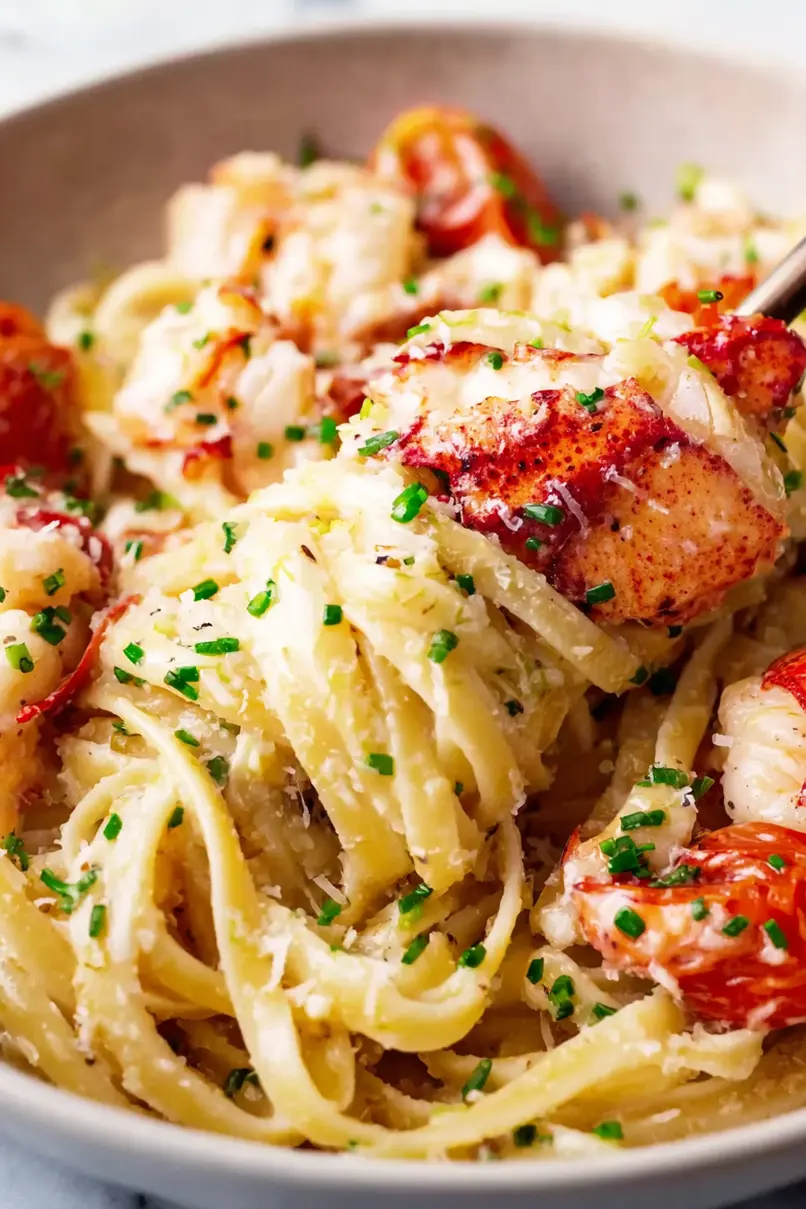
Why You’ll Love This Lobster Pasta
- Restaurant-quality at home – This pasta dish brings the luxury of fine dining to your kitchen, using simple techniques that anyone can master.
- Quick special occasion meal – Ready in under an hour, it’s perfect for date nights, anniversaries, or when you want to make any dinner feel extra special.
- Simple ingredients – Despite its fancy appearance, this recipe uses straightforward ingredients you can find at most grocery stores.
- Creamy, rich sauce – The combination of cream, wine, and butter creates a silky sauce that perfectly coats each strand of pasta and complements the sweet lobster meat.
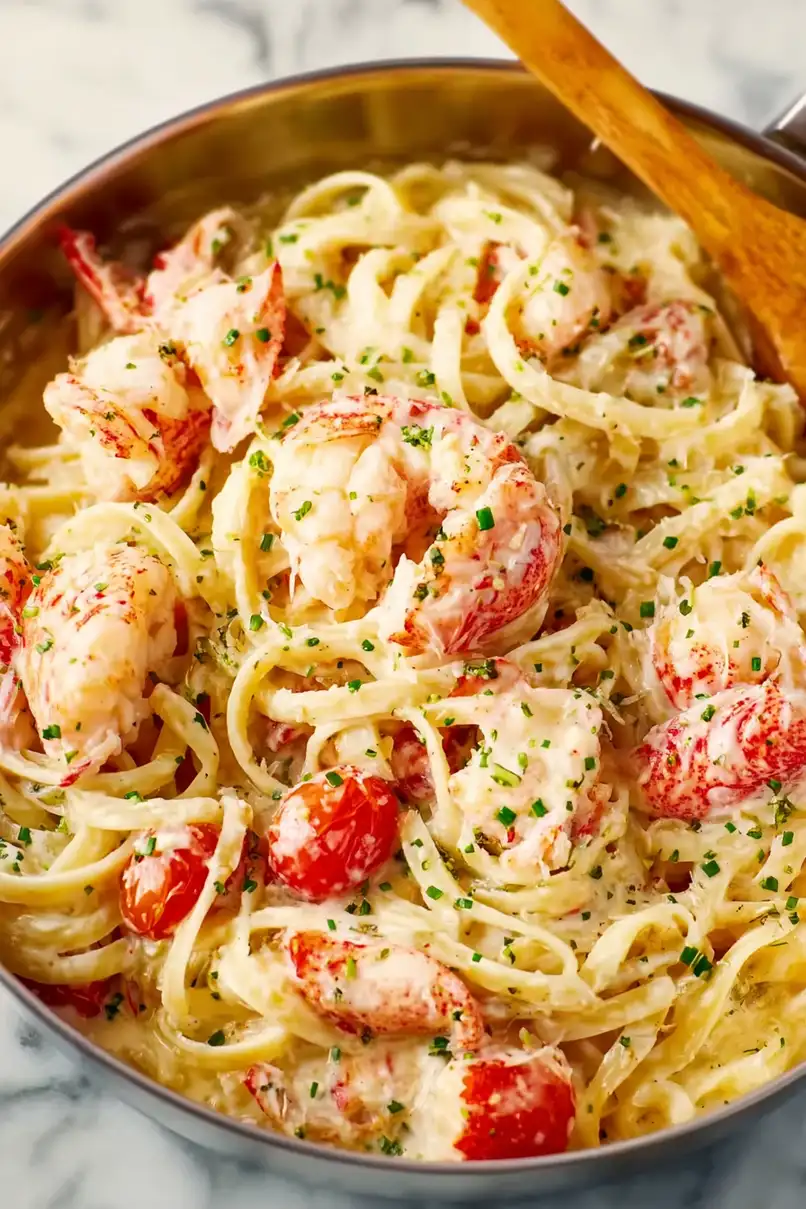
What Kind of Lobster Tails Should I Use?
For pasta dishes, both cold water and warm water lobster tails will work, though cold water tails (from places like Maine or Canada) tend to have sweeter, more tender meat. You’ll typically find tails ranging from 4-10 ounces at the store – for this recipe, medium-sized tails around 6 ounces each are perfect since they’ll give you nice chunks of meat that won’t overwhelm the pasta. If you’re buying frozen tails, look for ones with shells that are free from discoloration and make sure to thaw them overnight in the refrigerator rather than using quick-thaw methods. When you’re at the store, gently press the tail meat – it should be firm and spring back when touched, and the shells shouldn’t feel soft or have any black spots.
Options for Substitutions
While this pasta dish really shines with lobster, here are some helpful substitutions if you need them:
- Lobster tails: If lobster isn’t available or is out of your budget, try using large shrimp or scallops instead. Cook them just until they turn pink to keep them tender. Lump crab meat can work too, but add it at the very end to avoid breaking it up.
- Tagliolini pasta: Any long pasta works great here – try linguine, spaghetti, or fettuccine. Fresh pasta is nice but dried pasta is perfectly fine too.
- Heavy cream: Half-and-half can work in place of heavy cream, though the sauce won’t be quite as rich. Don’t substitute milk as it’s too thin and might separate.
- Shallot: No shallots? Use 1/4 of a small sweet onion or 2 green onions instead.
- Tarragon: Fresh basil or dill make good alternatives if you can’t find tarragon. Each will give the dish its own unique taste, but they all work well with seafood.
- White wine: If you prefer not to use wine, substitute with seafood stock or clam juice plus a splash of lemon juice to add some acidity.
Watch Out for These Mistakes While Cooking
The biggest mistake when cooking lobster tail pasta is overcooking the lobster meat, which can turn it tough and rubbery – remove the tails from the pan as soon as they turn opaque and slightly firm, usually around 4-5 minutes. Getting the pasta timing right is crucial too, so start cooking your pasta only when the sauce is nearly ready, and always reserve a cup of pasta water before draining – this starchy liquid is essential for creating a silky sauce that clings perfectly to the noodles. Another common error is rushing the sauce reduction process – let the wine cook down properly to eliminate any harsh alcohol taste, and make sure to simmer the cream sauce until it reaches the right consistency, usually about 3-4 minutes. For the best flavor development, don’t skip the step of sautéing the shallots and garlic until they’re soft and fragrant before adding the wine, as this creates a solid flavor foundation for your sauce.
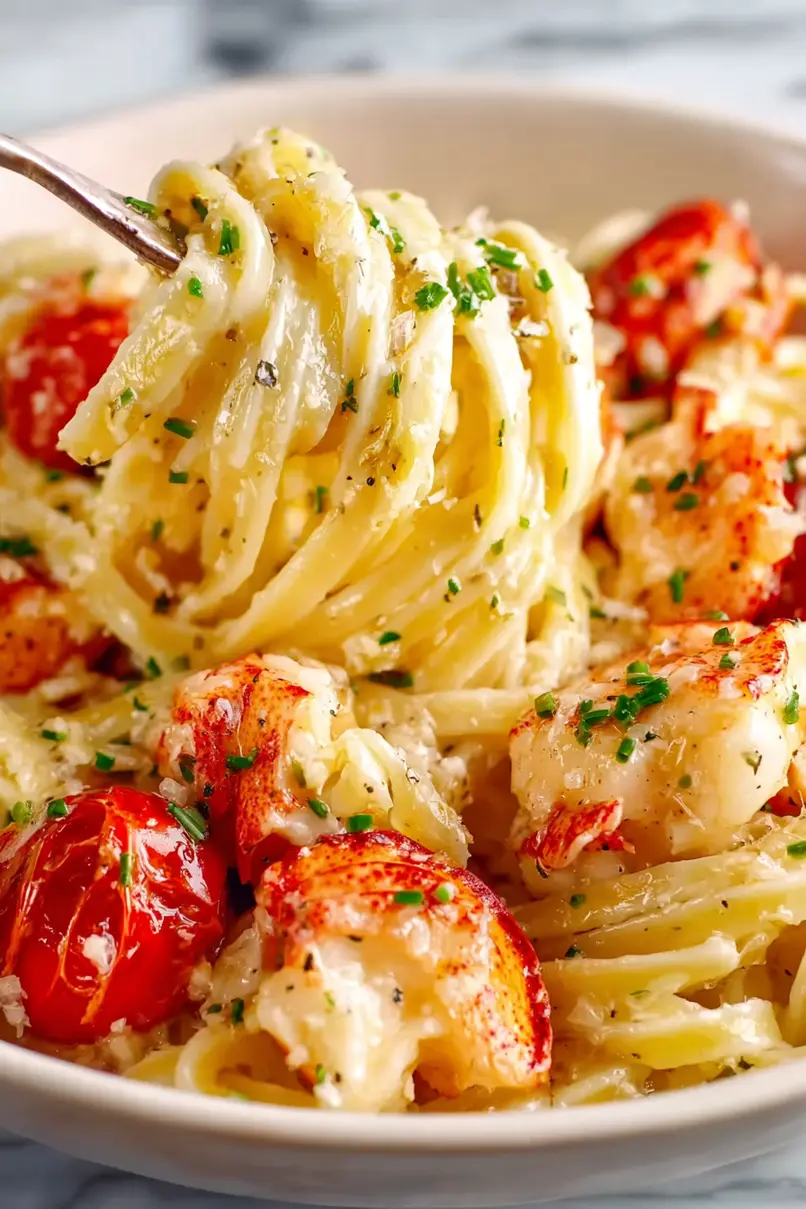
What to Serve With Lobster Tail Pasta?
This rich and luxurious pasta dish pairs beautifully with light, fresh sides that won’t overshadow the sweet lobster meat. A simple arugula salad with lemon vinaigrette and shaved parmesan makes a perfect starter or side dish. If you’re looking to add some vegetables to your plate, roasted asparagus or sautéed broccolini work really well with the creamy sauce and seafood flavors. For bread lovers, a crusty baguette or garlic bread is perfect for soaking up any extra sauce – and trust me, you won’t want to leave any of that delicious sauce behind!
Storage Instructions
Keep Fresh: If you have any leftover lobster tail pasta (though I doubt you will!), place it in an airtight container and keep it in the fridge for up to 2 days. The cream sauce might thicken up a bit, but don’t worry – that’s totally normal.
Make Ahead: While this pasta is best enjoyed fresh, you can prep some components ahead of time. Clean and cut the lobster meat, chop the shallots and garlic, and measure out your ingredients. Store them separately in the fridge until you’re ready to cook – it’ll make the cooking process much smoother!
Warm Up: To enjoy your leftover pasta, warm it gently in a pan over medium-low heat with a splash of cream or white wine to loosen up the sauce. Stir occasionally and heat just until warm – you don’t want to overcook the lobster. A quick zap in the microwave works too, but use medium power and short intervals to keep the lobster tender.
| Preparation Time | 20-30 minutes |
| Cooking Time | 20-30 minutes |
| Total Time | 40-60 minutes |
| Level of Difficulty | Medium |
Estimated Nutrition
Estimated nutrition for the whole recipe (without optional ingredients):
- Calories: 1200-1400
- Protein: 70-80 g
- Fat: 80-90 g
- Carbohydrates: 100-110 g
Ingredients
For the pasta:
- 8 oz long pasta (such as linguine or fettuccine)
For the lobster:
- 2 medium lobster tails (6-8 oz)
For the sauce:
- 1/2 cup cherry tomatoes (halved)
- 2 cloves garlic (finely minced for best flavor)
- black pepper to taste
- 1/2 cup heavy cream (I use Organic Valley heavy cream)
- 1/4 cup dry white wine
- 2 tbsp butter
- 1 tsp lemon zest
- 2 sprigs tarragon
- 1 shallot
- salt to taste
Step 1: Prepare the Lobster
If using a whole, live lobster, begin by humanely killing it by using a sharp knife on the line at the top of the head.
Twist off the tail, claws, and remove the shell using scissors.
Alternatively, boil the lobster until cooked through after killing.
For store-bought lobster tails, use kitchen shears to cut down the middle of the shell from top to bottom on both sides of the tail and gently pull the meat out.
Roughly chop the lobster meat.
Step 2: Prepare Ingredients
Mince the garlic, shallot, and fresh tarragon.
Zest the lemon and slice the cherry tomatoes in half lengthwise.
Step 3: Cook the Pasta
Bring a large pot of salted water to a boil, then cook the pasta according to the package instructions until al dente.
Drain the pasta and reserve a cup of the pasta water to adjust the sauce later if needed.
Step 4: Sauté the Aromatics and Tomatoes
In a large skillet over medium heat, add about 2 tablespoons of olive oil and the minced shallots.
Sauté until translucent, then add the minced garlic and continue to cook until softened.
Add the cherry tomatoes and sauté until they start to blister.
Pour in the white wine off the flame, but while the pan is still hot, and deglaze the pan by scraping any stuck bits with a wooden spoon.
Step 5: Cook the Lobster and Combine Ingredients
Add uncooked lobster meat, minced tarragon, and heavy cream to the skillet.
Sauté the lobster meat until cooked through.
If using boxed pasta, reduce the cream by half and adjust as needed.
Add butter and lemon zest, then simmer on low to emulsify.
Step 6: Combine Pasta and Finish
Add the cooked pasta to the sauce and toss to combine.
Season with salt and pepper.
Adjust the consistency of the sauce with reserved pasta water or additional cream if needed.
Garnish with extra lemon zest or lemon juice, fresh chopped chives, and red pepper flakes.
Optionally, top with Parmesan cheese and serve warm.