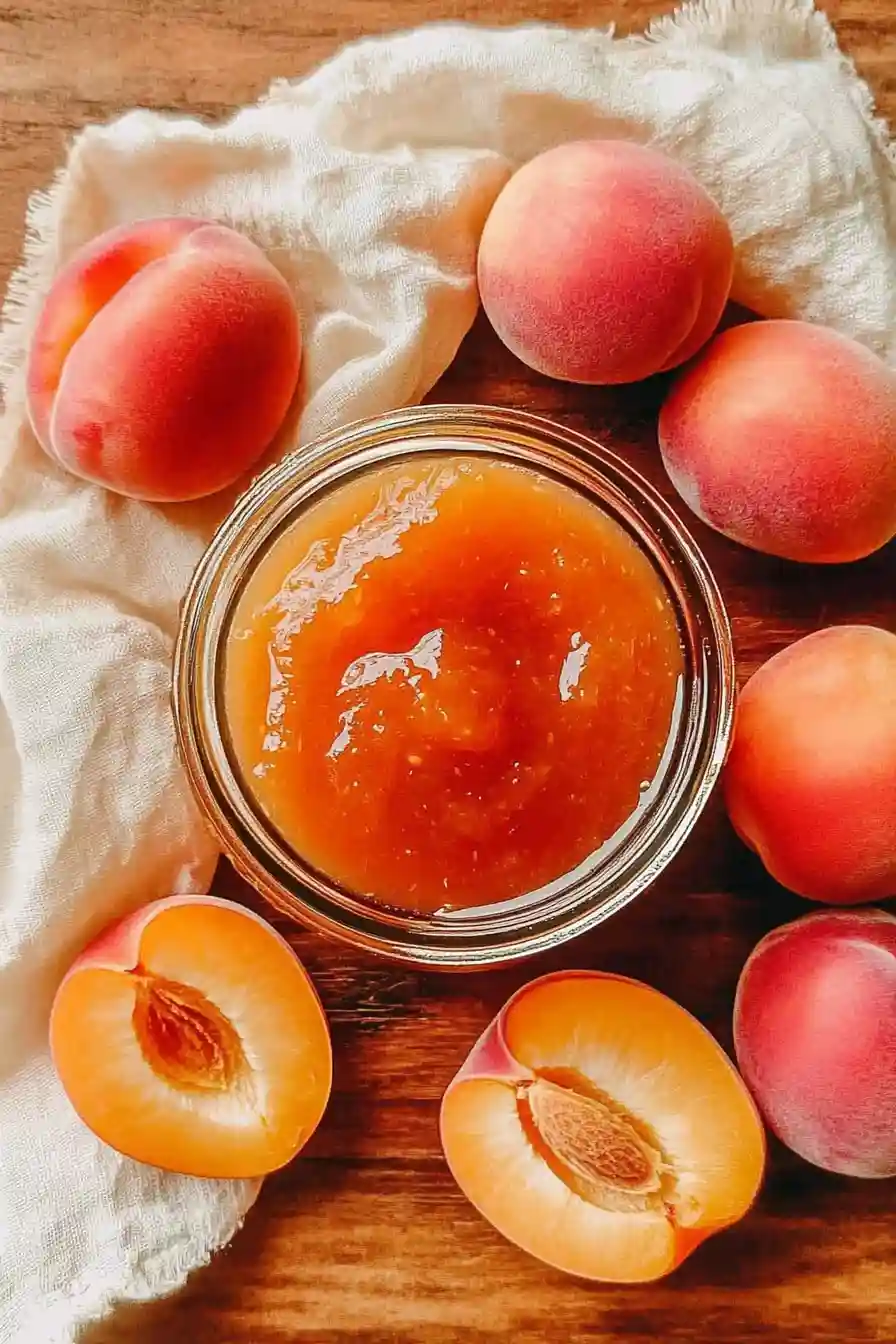
If you ask me, homemade apricot jam is pure comfort in a jar.
This sweet and slightly tart spread brings back memories of summer mornings, when the fruit is at its peak and begging to be preserved. Fresh apricots cook down with sugar until they’re soft and jammy, creating something that’s miles better than anything from the store.
It’s a simple process that fills your kitchen with the most wonderful smell – the kind that makes your neighbors wish they lived closer. A touch of lemon juice helps balance the sweetness and makes everything taste fresh and bright.
It’s a classic recipe that works on just about everything, from morning toast to afternoon scones, and makes any breakfast feel a bit more special.
Why You’ll Love This Apricot Jam
- Just 5 ingredients – This recipe keeps things wonderfully simple with only apricots, sugar, water, and a splash of lemon juice – no artificial preservatives or complicated additions needed.
- Quick homemade preserves – In less than an hour, you can transform fresh apricots into sweet, spreadable jam that tastes like summer in a jar.
- Customizable sweetness – You can easily adjust the sugar levels based on your apricots’ ripeness and your personal taste preferences.
- Money-saving – Making jam at home lets you take advantage of apricots when they’re in season and at their lowest price, giving you delicious preserves for months to come.
What Kind of Apricots Should I Use?
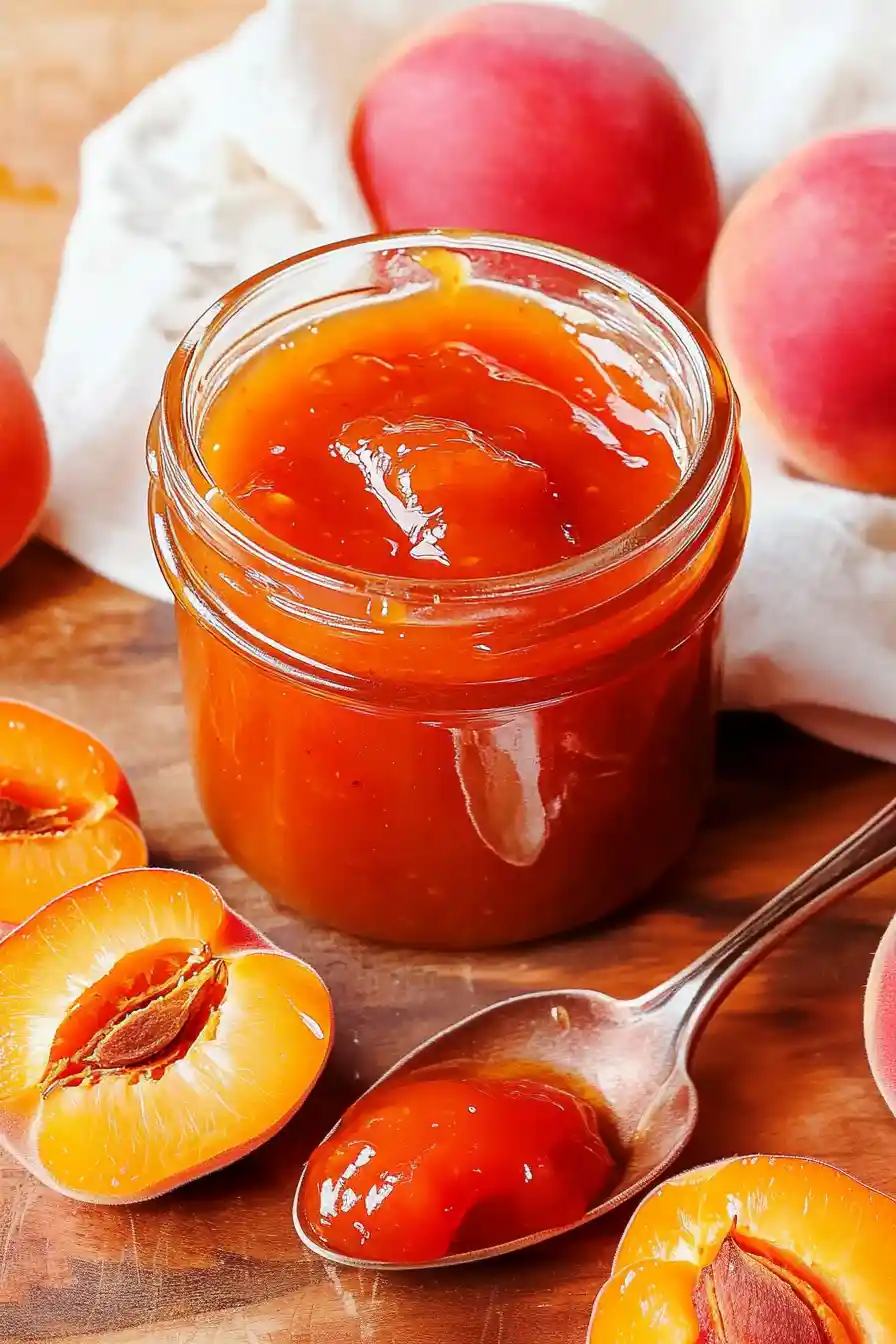
For making jam, you can use either fresh apricots when they’re in season (usually summer) or frozen apricots if fresh ones aren’t available. The best apricots for jam-making are those that are ripe but still firm – they should give slightly when gently squeezed. If your apricots are very soft and mature, you’ll want to use less water in your recipe since they naturally contain more moisture. Look for fruits with a deep orange color and avoid any with green spots or blemishes. If you’re using fresh apricots, let them ripen at room temperature for a day or two if they’re still a bit firm, as this will develop their natural sweetness and make your jam taste even better.
Options for Substitutions
When making this jam, here are some helpful substitution tips to keep in mind:
- Apricots: Fresh apricots are key to this recipe, but if you can’t find them, you can use frozen apricots – just thaw and drain them first. Peaches can work too, though you’ll get a different flavor and might need to adjust the sugar.
- White sugar: Regular white sugar works best for jam-making because it helps with preservation and setting. While you can try using less sugar, I don’t recommend substituting it with alternatives like honey or artificial sweeteners as they’ll affect the jam’s texture and shelf life.
- Lemon juice: Fresh lemon juice is best, but bottled lemon juice will work in a pinch. You can also use citric acid – use about 1/4 teaspoon to replace 2 tablespoons of lemon juice. Don’t skip this ingredient as it’s needed for safe preservation and proper setting.
- Water: The water amount is flexible based on your fruit’s ripeness. If your apricots are super juicy, you might not need any water at all. Just keep an eye on the pot and add a splash if needed during cooking.
Watch Out for These Mistakes While Cooking
The biggest challenge when making apricot jam is getting the right set – using overripe apricots can result in a runny consistency since they contain less natural pectin, so aim for fruit that’s ripe but still slightly firm.
Temperature control is crucial – cooking the jam at too high heat can lead to scorching at the bottom of the pot and a bitter taste, so maintain a gentle simmer and stir frequently with a wooden spoon to prevent sticking.
A common mistake is skipping the testing phase – to check if your jam is ready, place a small plate in the freezer before you start cooking, then drop a small amount of hot jam onto the cold plate and run your finger through it; if the line holds and the surface wrinkles when pushed, your jam has reached the setting point.
Remember to sterilize your jars properly before filling them with hot jam, and leave adequate headspace at the top of each jar to ensure proper sealing.
What to Serve With Apricot Jam?
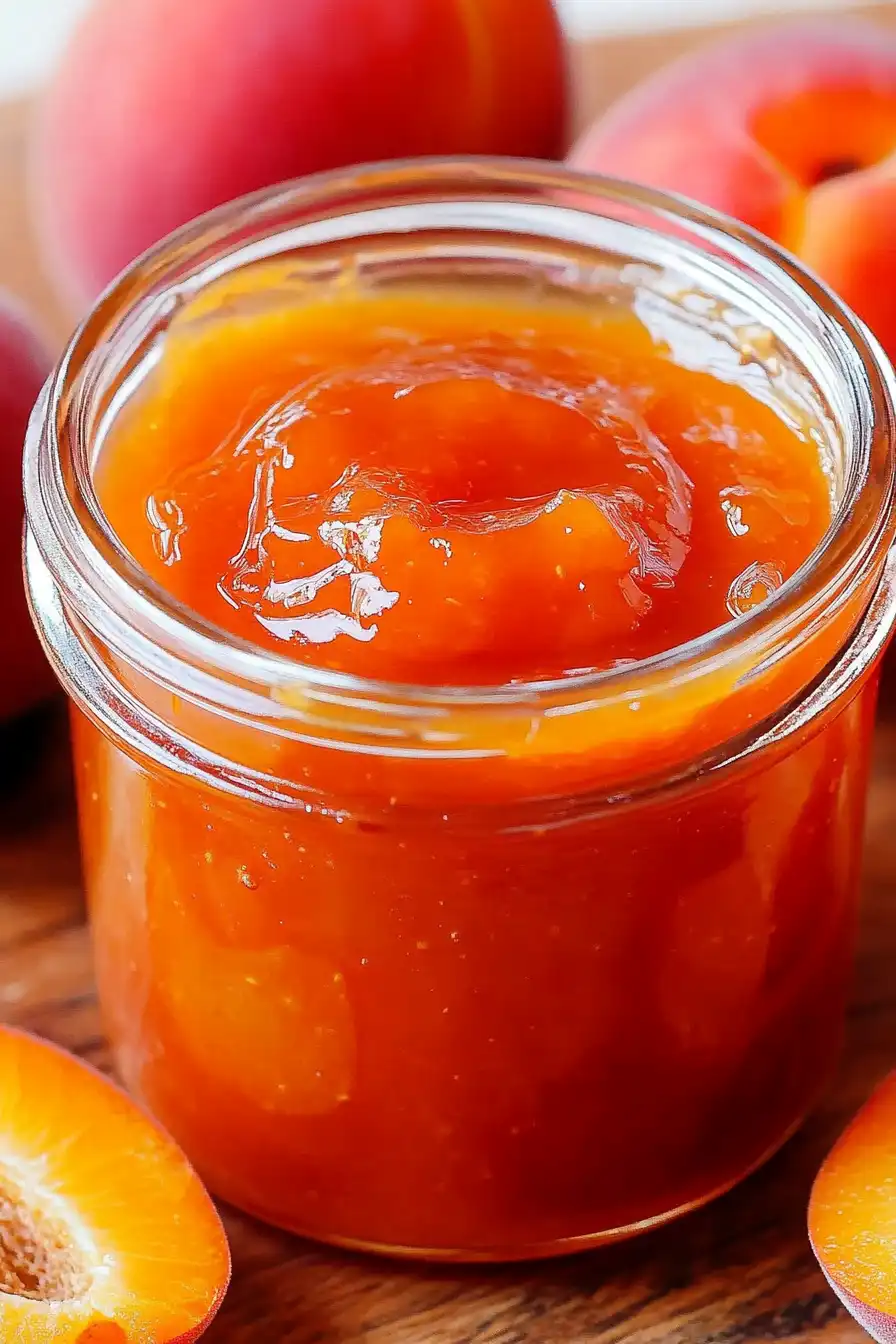
This sweet and fruity apricot jam is super versatile and goes well with all sorts of breakfast and snack options! Spread it on warm, buttered toast or fresh croissants for a classic morning treat. For breakfast or brunch, try dolloping it on plain yogurt with some crunchy granola, or swirl it into hot oatmeal for natural sweetness. When I’m feeling fancy, I like to serve this jam alongside a cheese board – it pairs especially well with mild cheeses like brie or cream cheese, and makes a great addition to any afternoon tea spread with scones.
Storage Instructions
Preserve: Once you’ve filled your sterilized jars with the hot jam and sealed them properly, let them cool completely at room temperature. Unopened jars will keep in a cool, dark pantry or cupboard for up to 12 months. For the best results, store them away from direct sunlight to maintain that lovely apricot color.
Keep Fresh: After opening a jar, pop it in the fridge and use it within 1-2 months. The high sugar content helps preserve it, but refrigeration keeps it fresh and prevents any unwanted mold growth. A little tip: always use a clean spoon when scooping out the jam to make it last longer!
Check Quality: Keep an eye on your jam’s appearance and smell. If you notice any odd colors, mold, or strange odors, it’s best to say goodbye to that jar. The jam should maintain its bright apricot color and sweet fruity smell throughout its shelf life.
| Preparation Time | 15-20 minutes |
| Cooking Time | 25-30 minutes |
| Total Time | 40-50 minutes |
| Level of Difficulty | Medium |
Estimated Nutrition
Estimated nutrition for the whole recipe (without optional ingredients):
- Calories: 2200-2400
- Protein: 0-5 g
- Fat: 0-5 g
- Carbohydrates: 550-600 g
Ingredients
- 2 tbsp fresh lemon juice (for brightness and to aid setting)
- 4 fl oz water (for less mature apricots, or omit if apricots are very juicy and ripe)
- 17.64 oz apricots (fresh, ripe, pitted and roughly chopped)
- 2 fl oz water
- 17.64 oz white sugar (granulated)
Step 1: Prepare the Apricots
Start by washing and drying the apricots thoroughly.
Once cleaned, cut each apricot in half and remove the stones (pits).
Step 2: Simmer the Apricots
Add the appropriate amount of water and lemon juice to the apricots: 120 milliliters for unripe apricots or 60 milliliters for ripe apricots.
Place the mixture in a saucepan and bring it to a gentle simmer.
Cook until the fruit has softened but not falling apart, ensuring the apricots maintain their shape.
Step 3: Add Sugar and Dissolve
Reduce the heat to low and add sugar to the softened apricots.
Stir gently until all the sugar has completely dissolved, ensuring it incorporates well with the fruit.
Step 4: Boil the Mixture
Increase the heat and bring the fruit and sugar mixture to a rolling boil.
Continue boiling the mixture for 15 minutes.
This step intensifies the flavor and starts the setting process for the jam.
Step 5: Test Jam for Set
Remove the pan from the heat and perform the wrinkle test to check if the jam is ready to set.
Ensure you have placed 3 saucers in the fridge before starting the jam.
Take a teaspoon of the jam and place it on one of the chilled saucers.
Return the saucer to the fridge for 5 minutes.
Afterward, remove the saucer and gently push your finger across the jam.
It should form a wrinkle if it is ready.
If it does, proceed to the next step; if not, return it to the heat for an additional 5 minutes and test again.