Here’s my go-to recipe for smoked ribs using a pellet smoker, with a foolproof method that gives you tender, fall-off-the-bone meat and that perfect smoky flavor every single time.
These ribs have become our weekend tradition whenever we have friends over. I always make an extra rack because everyone wants to take some home – and trust me, you’ll want leftovers for sandwiches the next day!
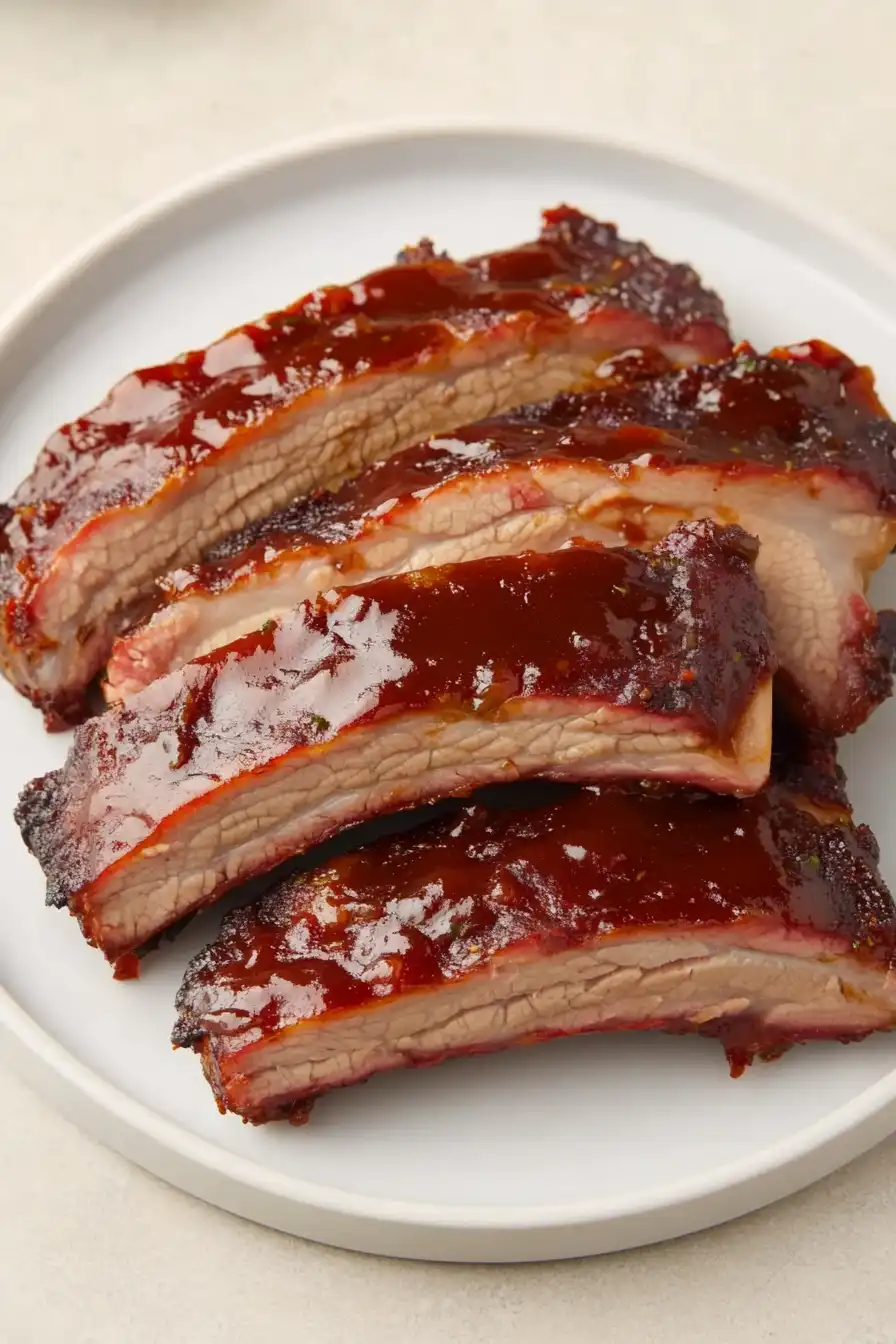
Why You’ll Love These Smoked Ribs
- Set-it-and-forget-it cooking – The pellet smoker does most of the work for you – just season your ribs, set the temperature, and let the smoker create that perfect smoky flavor.
- Simple ingredients – You only need two main ingredients to make these ribs: the meat and your favorite BBQ seasoning. No complicated ingredient lists or special shopping trips needed.
- Restaurant-quality results – The low-and-slow smoking method gives you tender, fall-off-the-bone ribs that taste like they came from your favorite BBQ joint.
- Perfect for entertaining – While these ribs take time to cook, they require minimal hands-on effort, letting you focus on your guests or other party preparations while they smoke to perfection.
What Kind of Ribs Should I Use?
When it comes to smoking ribs, you’ve got two main options: baby back ribs or spare ribs. Baby backs are cut from the top of the rib cage near the spine – they’re shorter, more curved, and typically more tender with leaner meat. Spare ribs, on the other hand, come from the belly area and are larger, flatter, and have more meat between the bones with a higher fat content that renders down during smoking. If you’re new to smoking ribs, baby backs might be your best bet since they’re a bit more forgiving and cook faster (usually 4-5 hours compared to 5-6 for spares). Just make sure whichever type you choose, look for ribs with good meat coverage and avoid ones with too many surface fat deposits or visible bone fragments.
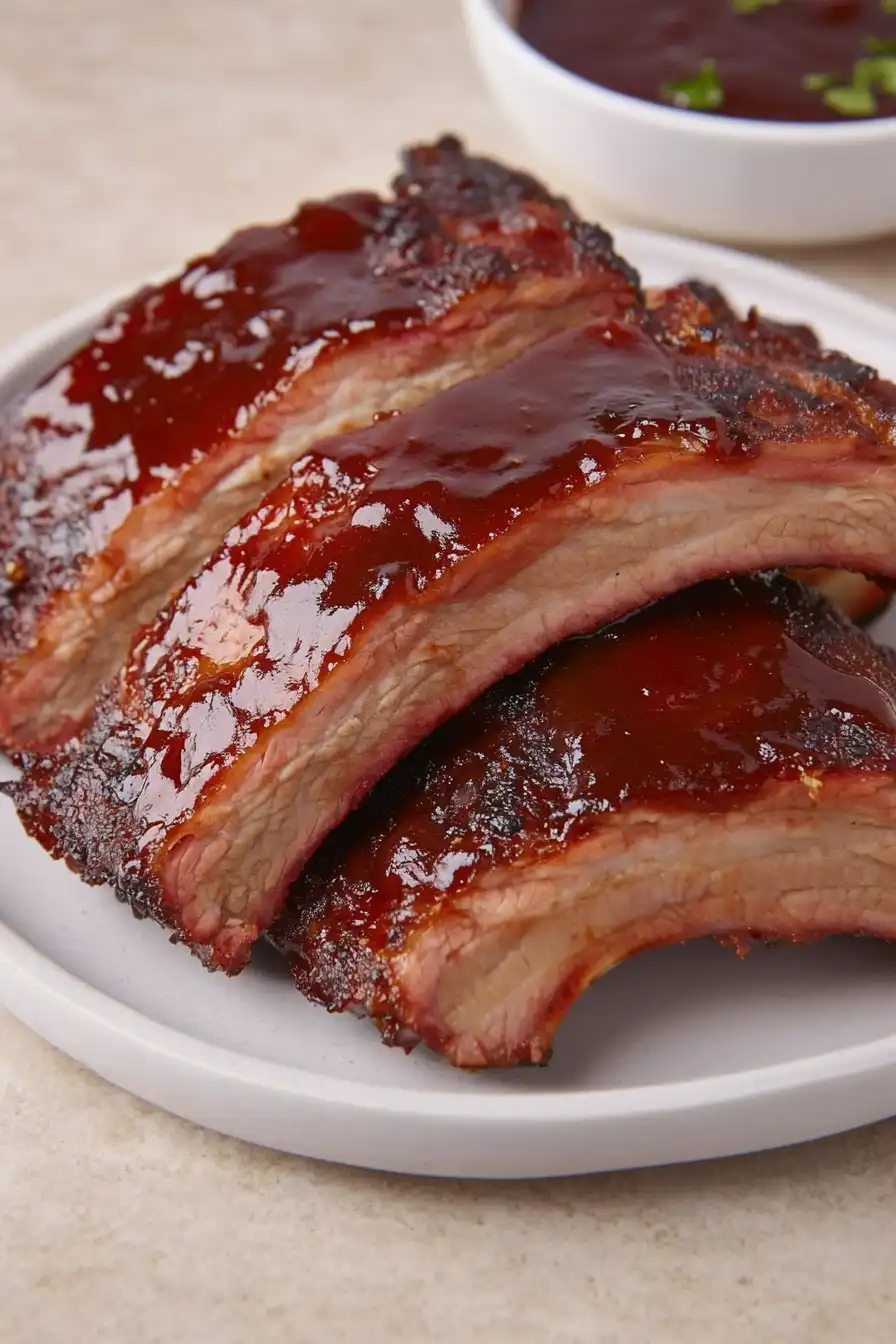
Options for Substitutions
While smoking ribs is pretty straightforward, here are some helpful substitution tips:
- Baby Back or Spare Ribs: You can switch between baby back and spare ribs based on what’s available. Just remember that spare ribs are larger and meatier, so they’ll need about 1-2 hours extra cooking time. St. Louis style ribs (trimmed spare ribs) are another good option.
- Barbecue Rib Seasoning: Don’t have a pre-made rib rub? Make your own by mixing brown sugar, paprika, black pepper, garlic powder, onion powder, and salt. For a spicier version, add some chili powder or cayenne. You can also use any basic BBQ dry rub that you have on hand.
- Wood Pellets: While not listed in ingredients, the type of pellets matters! Hickory is classic for ribs, but you can use apple, cherry, or maple for a milder smoke flavor. Oak or mesquite work too, but they give a stronger smoke taste.
Watch Out for These Mistakes While Smoking
The biggest mistake when smoking ribs is not removing the tough membrane from the back of the ribs – simply slide a butter knife under it near the bone, grip with a paper towel, and pull it off in one piece for more tender meat. Another common error is rushing the cooking process by cranking up the temperature – remember that low and slow at 225°F is the sweet spot for developing that perfect smoke ring and tender texture. Checking for doneness by just looking at the clock can lead to either tough or mushy ribs – instead, use the bend test (pick up the rack with tongs in the middle; properly cooked ribs will bend until the meat starts to crack on the surface) or look for the meat to pull back from the bone by about 1/2 inch. For the juiciest results, let your ribs rest for 10-15 minutes after smoking, loosely tented with foil, which allows the meat to reabsorb its flavorful juices.
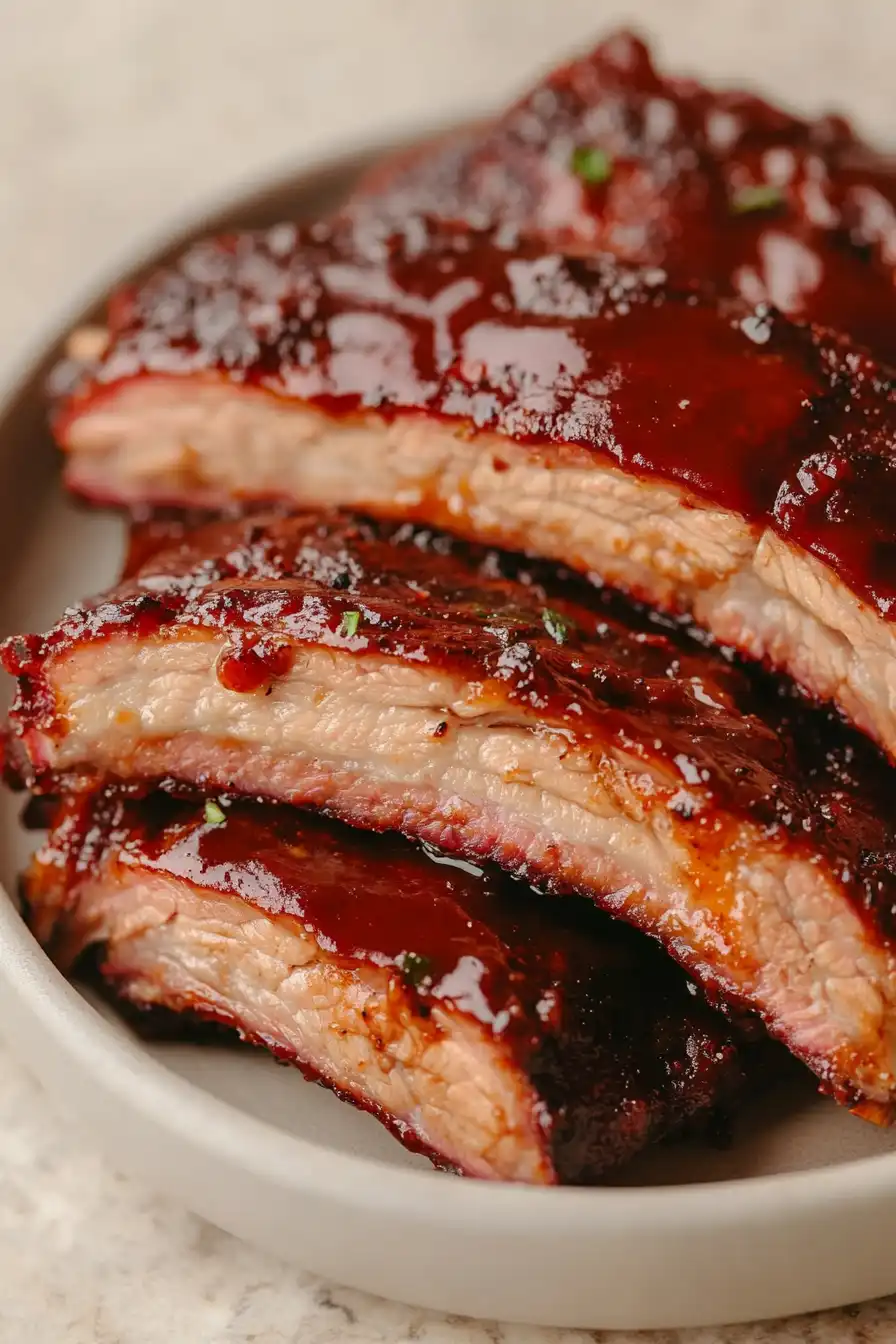
What to Serve With Smoked Ribs?
When you’ve got smoky, tender ribs on the table, you’ll want some classic BBQ sides to round out your meal. Creamy coleslaw and potato salad are natural choices that bring a cool, crisp contrast to the rich meat. For something hot, mac and cheese or baked beans hit the spot – they’re crowd-pleasers that soak up any extra BBQ sauce from the ribs. I also like to throw some corn on the cob on the grill while the ribs are resting, and a basket of warm cornbread never disappoints. Keep some extra napkins handy – these sides are just as crave-worthy as the ribs themselves!
Storage Instructions
Keep Fresh: Your leftover smoked ribs will stay good in the fridge for 3-4 days when wrapped tightly in foil or stored in an airtight container. Pro tip: keep any extra BBQ sauce separate to prevent the ribs from getting too soggy.
Freeze: These ribs freeze really well! Wrap them tightly in foil, then place in a freezer bag with as much air removed as possible. They’ll keep their smoky goodness for up to 3 months. I like to freeze them in portions – it makes it super easy to grab just what you need.
Warm Up: To get your ribs tasting fresh-off-the-smoker again, wrap them in foil and heat in a 250°F oven for about 20-30 minutes. You can also add a splash of apple juice or water to the foil packet to keep them moist. For quick reheating, the microwave works too, but the texture won’t be quite the same.
| Preparation Time | 15-30 minutes |
| Cooking Time | 240-420 minutes |
| Total Time | 255-450 minutes |
| Level of Difficulty | Medium |
Estimated Nutrition
Estimated nutrition for the whole recipe (without optional ingredients):
- Calories: 1800-2200
- Protein: 120-140 g
- Fat: 120-150 g
- Carbohydrates: 20-30 g
Ingredients
- 2 racks baby back or spare ribs (about 2-3 lbs each, St. Louis style preferred for more meat)
- barbecue rib seasoning
Step 1: Preheat the Pellet Smoker
While you’re preparing the ribs, initiate the preheating of your pellet smoker to 225°F.
Follow the specific start-up instructions for your brand of smoker, as processes may vary.
It’s advisable to line the bottom of the smoker with foil for easier cleanup and potentially better heat distribution.
Step 2: Prepare the Ribs
Ribs often have a layer of silver skin on the underside of the rack that should be removed for optimal seasoning penetration.
Refer to the video in the post for guidance on how to remove this layer effectively.
Once removed, lay the ribs on a sheet tray.
Step 3: Apply the Dry Rub
In a small bowl, combine the ingredients for your dry rub recipe.
Generously apply about 2-3 tablespoons of the rib rub to each side of the ribs.
While seasoning, allow some areas of the meat to remain visible without completely covering it, which ensures a balanced flavor profile.
Step 4: Smoke the Ribs
Once the smoker reaches the desired temperature, place the rack (or racks) directly on the grates.
Allow them to smoke undisturbed for at least 4 hours.
Minimize opening the grill to maintain a consistent temperature and shorten the cook time.
Monitor the smoker’s temperature periodically to ensure it remains stable at 225°F.
Step 5: Check for Doneness
A rack of baby back ribs will typically take 4 to 5 hours to cook, while spare ribs may require 6 to 7 hours.
Towards the end of the cooking time, use tongs to lift the ribs.
If the bark cracks and the ribs nearly split in half, they are done.
If not, continue smoking until they pass the bend test.
Step 6: Optional BBQ Sauce Finish
If desired, when the ribs pass the bend test and are ready to come off the smoker, coat them with a thin layer of your favorite BBQ sauce.
Return them to the smoker at 225°F for an additional 30 minutes to allow the sauce to caramelize, enhancing the flavors and providing a delicious glaze.