If you ask me, Turkish roasted lamb is one of those dishes that just feels special.
This Middle Eastern classic brings together tender meat and warm spices in a way that makes any dinner feel like a celebration. The lamb comes out with a nicely browned outside while staying juicy on the inside, thanks to a simple mix of herbs and garlic.
When it’s roasting, the smell that fills your kitchen is enough to make everyone gather around asking when dinner will be ready. The meat becomes perfectly seasoned all the way through, and the bits of garlic turn soft and mellow.
It’s a comforting dish that’s surprisingly simple to make, perfect for those Sunday family dinners when you want something a little different but completely satisfying.
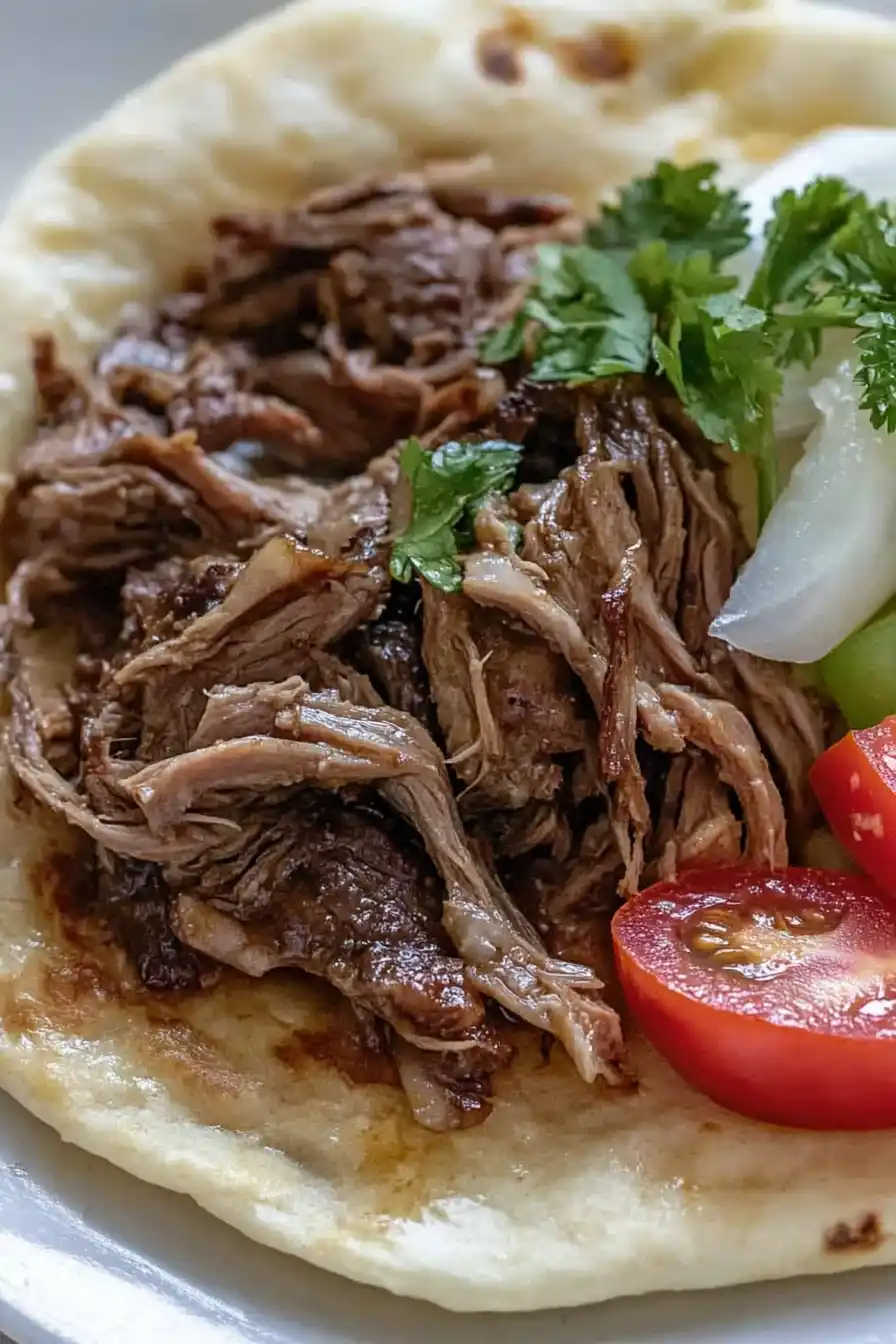
Why You’ll Love This Turkish Roasted Lamb
- Melt-in-your-mouth tender – The slow roasting process ensures your lamb shoulder becomes incredibly tender and falls apart with just a fork – it’s practically impossible to mess up!
- Minimal ingredients – With just a handful of basic seasonings and spices, this recipe proves that sometimes the simplest preparations yield the most flavorful results.
- Perfect for entertaining – While it takes time to cook, most of it is hands-off, letting you prepare side dishes or spend time with your guests while the oven does all the work.
- Traditional flavor – The combination of garlic, herbs, and quality lamb creates an authentic Turkish taste that’ll make you feel like you’re dining in Istanbul.
What Kind of Lamb Should I Use?
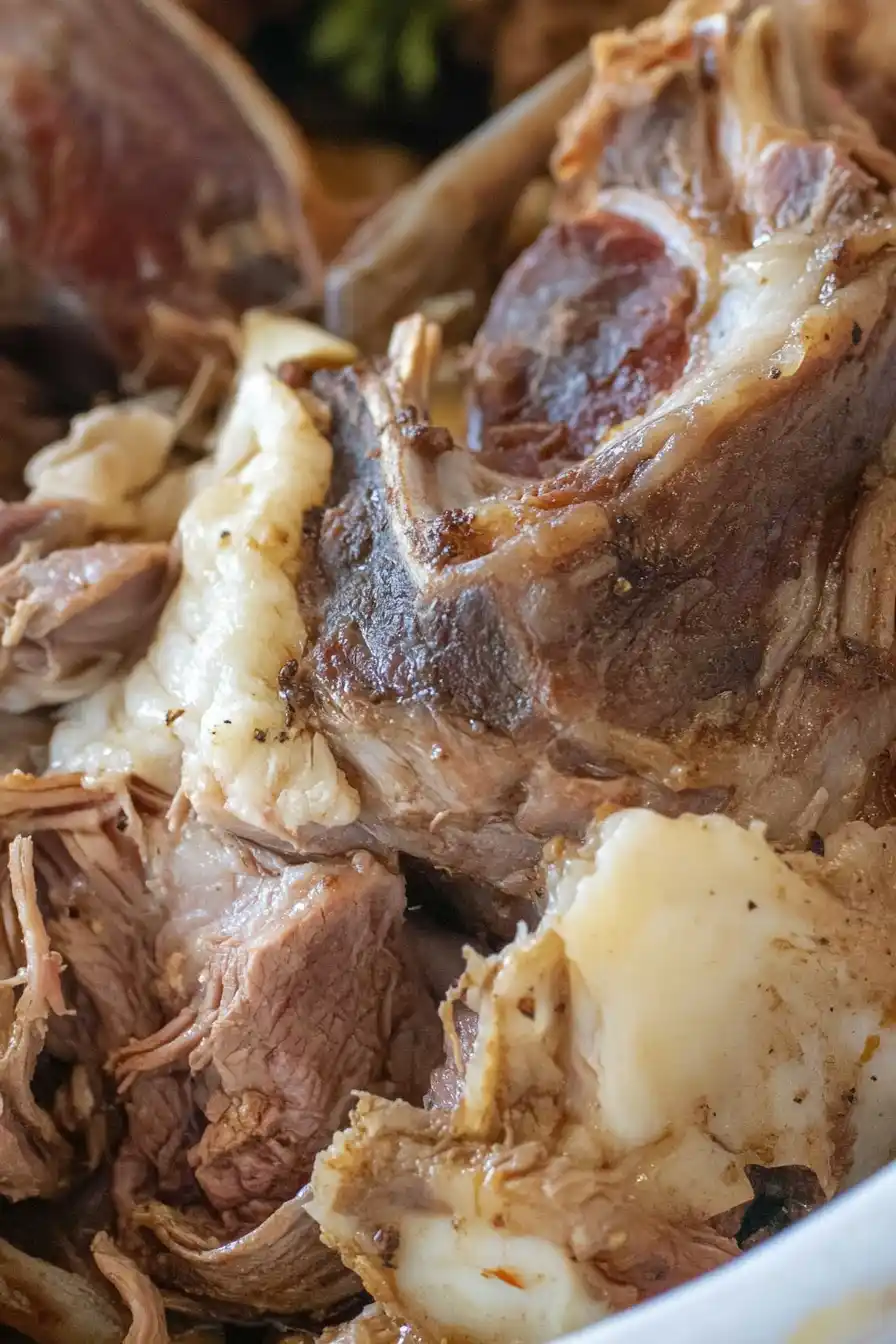
Lamb shoulder is the star of this Turkish roast, and it’s actually one of the more forgiving cuts of lamb to work with. While you might see both bone-in and boneless options at the store, bone-in shoulder typically gives you more flavor and helps keep the meat moist during the long cooking process. If you’re new to cooking lamb, look for meat that’s pink to pale red with white (not yellow) fat, and try to choose a piece that has some marbling throughout. For this recipe, you can also use lamb leg as a substitute, though shoulder is preferred since it has more connective tissue that breaks down into tender, flavorful meat during roasting.
Options for Substitutions
Let me share some helpful substitutions for this Turkish lamb recipe:
- Lamb shoulder: While lamb shoulder gives the best results for this dish, you can use leg of lamb or even lamb neck. If lamb isn’t available, goat meat makes a good alternative. I wouldn’t recommend using beef here, as the distinct lamb flavor is key to this Turkish dish.
- Dried thyme/oregano: Feel free to use fresh herbs instead – use 1 tablespoon of fresh thyme or oregano for every teaspoon of dried. You can also try za’atar or a mix of Mediterranean herbs.
- Naan bread: Don’t have naan? No worries! Pita bread works great, or you can serve it with flatbread or even Turkish pide. Regular crusty bread will do in a pinch.
- Olive oil: Any good quality cooking oil will work here, though olive oil adds nice flavor. Avocado oil is a good alternative.
- Fresh garlic: If you’re out of fresh garlic, you can use 1/4 teaspoon of garlic powder for each clove. Just add it to your dry seasonings.
Watch Out for These Mistakes While Roasting
The biggest mistake when roasting lamb shoulder is cooking it at too high a temperature – this cut needs low and slow cooking (around 325°F/165°C) to break down the tough muscle fibers and become tender.
Another common error is not letting your lamb come to room temperature before cooking, which can lead to uneven cooking – take it out of the fridge at least 1 hour before roasting, and don’t forget to pat the surface dry with paper towels for better browning.
To avoid a bland result, make sure to massage the seasonings deeply into the meat, getting into all the nooks and crannies, and consider making small incisions to insert pieces of crushed garlic throughout the meat.
For the juiciest results, resist the urge to keep opening the oven door to check on the lamb – every time you do, the temperature drops and extends the cooking time – instead, use a meat thermometer to check when it reaches 145°F for medium-rare.
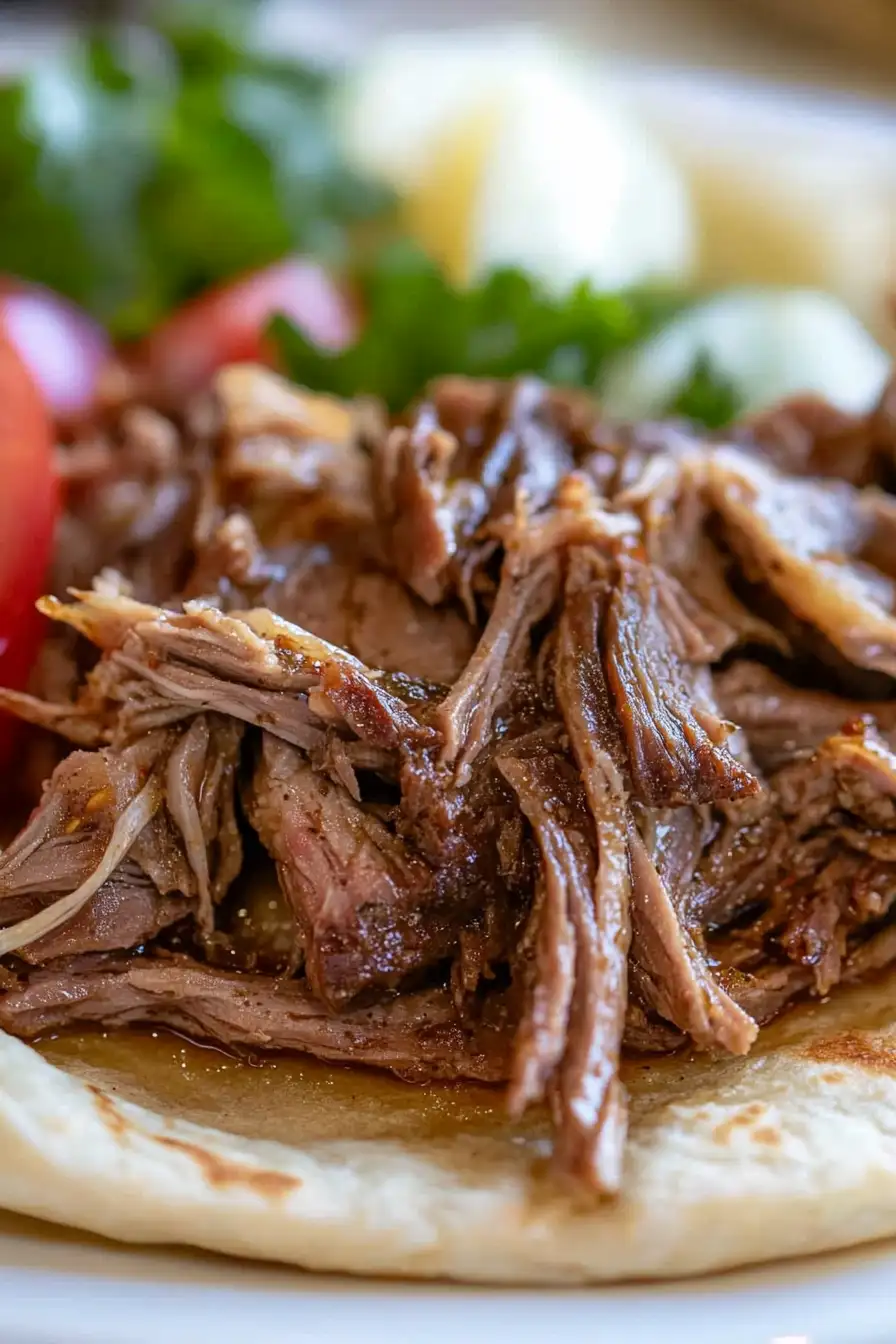
What to Serve With Turkish Roasted Lamb?
While this roasted lamb is already paired with naan bread, there are lots of other tasty sides you can add to make it a complete meal. Rice pilaf with pine nuts makes a perfect base for soaking up all those wonderful meat juices. I love serving this dish with a simple cucumber and yogurt salad (cacik) or a fresh shepherd’s salad made with diced tomatoes, cucumbers, and red onions. For a true Turkish feast, add some grilled vegetables like zucchini and eggplant, or whip up a batch of bulgur wheat with herbs. These sides keep things traditional while making sure everyone leaves the table satisfied!
Storage Instructions
Keep Fresh: Got leftover roasted lamb? Place it in an airtight container and pop it in the fridge within 2 hours of cooking. It’ll stay good for up to 3-4 days. Pro tip: store the meat with some of its juices to keep it moist and flavorful!
Freeze: This Turkish lamb freezes really well! Wrap it tightly in foil or place it in a freezer-safe container, making sure to include some cooking juices. It’ll keep nicely for up to 3 months in the freezer. Just remember to label it with the date!
Reheat: To bring your lamb back to life, place it in a baking dish with a splash of broth or water, cover with foil, and warm in a 325°F oven for about 15-20 minutes. You can also microwave individual portions, but use medium power and check frequently to avoid drying out the meat.
| Preparation Time | 15-30 minutes |
| Cooking Time | 180-210 minutes |
| Total Time | 195-240 minutes |
| Level of Difficulty | Medium |
Estimated Nutrition
Estimated nutrition for the whole recipe (without optional ingredients):
- Calories: 3000-3500
- Protein: 200-240 g
- Fat: 200-220 g
- Carbohydrates: 220-240 g
Ingredients
For the lamb:
- 2 tsp salt
- 5.5 lb lamb shoulder
- 2 cloves garlic (chopped)
- 1 tsp dried thyme (for earthy notes)
- 1 tsp black pepper
- 1 tbsp olive oil (I like Pompeian Pure Olive Oil for roasting)
To serve:
- 8 naan breads
- 1 tomato
- 1 bell pepper
- 1 onion
Step 1: Prepare the Marinade
Preheat your oven to 220° C (430° F).
In a small bowl, mix together olive oil, garlic, salt, pepper, and dried thyme (or oregano) to create a flavorful marinade for the lamb shoulder.
Step 2: Marinate the Lamb Shoulder
Using a small sharp knife, make slits on the top of the fatty side of the lamb shoulder joint.
This will help the marinade penetrate through the meat.
Rub the prepared mixture all over the lamb, gently massaging it into the meat for a couple of minutes to ensure it’s well-coated.
Step 3: Wrap and Start Cooking
Wrap the lamb shoulder tightly with two layers of large pieces of parchment paper followed by two layers of tin foil.
Place the wrapped lamb on a cooking rack set over a baking tray, and put it in the preheated oven.
Cook for 2 ½ hours.
Step 4: Slow-Cook the Lamb
After the initial cooking time, reduce the oven’s heat to 140° C (285° F) and let the lamb continue to cook for another 2-3 hours, or until it is fork-tender and succulent.
Step 5: Shred and Brown the Lamb
Remove the lamb from the oven and carefully open the wrappings, taking caution as steam may escape.
Separate the meat from the bone using a thong or a fork, shred it, and transfer it to a baking dish along with the cooking juices.
Set the oven temperature to 180° C (360° F), and place the lamb meat back in the oven for 15 to 20 minutes, allowing it to lightly brown.
Step 6: Warm the Bread and Serve
Place naan bread or pita bread in the oven for about 10 minutes to warm them up.
Serve the browned and tender Kuzu Tandir Kebab with the warmed bread for an authentic and delicious meal.