There’s something about a big bowl of pasta that just feels like a warm hug. As someone who’s been cooking plant-based meals for years, I’ve learned that giving up cheese doesn’t mean giving up comfort food. This vegan pasta primavera has become my go-to dinner when I want something that’s both satisfying and filled with veggies.
I like to make this dish on busy weeknights when I need something quick but still want to get plenty of vegetables on the table. The best part? You can use whatever seasonal vegetables you have in your fridge – it’s that kind of flexible recipe. Sometimes I’ll toss in mushrooms, other times I’ll stick to classic carrots and broccoli. Either way, it always turns out great.
What makes this recipe special is how creamy and rich it tastes without any dairy. Trust me, even my non-vegan friends ask for seconds when I serve this at dinner parties. And if you’re new to plant-based cooking, this is the perfect place to start.

Why You’ll Love This Pasta Primavera
- Plant-based and customizable – This dairy-free pasta works for both vegans and vegetarians, plus you can easily swap in gluten-free pasta to make it suitable for everyone at your table.
- Loaded with vegetables – With colorful bell peppers, zucchini, broccoli, and cherry tomatoes, you’re getting plenty of nutrients and fiber in every bite.
- Creamy cashew sauce – The homemade cashew sauce gives you that rich, creamy texture you crave in pasta dishes, without any dairy products.
- Make-ahead friendly – You can prep the vegetables and make the sauce ahead of time, making dinner assembly quick and easy when you’re ready to eat.
What Kind of Pasta Should I Use?
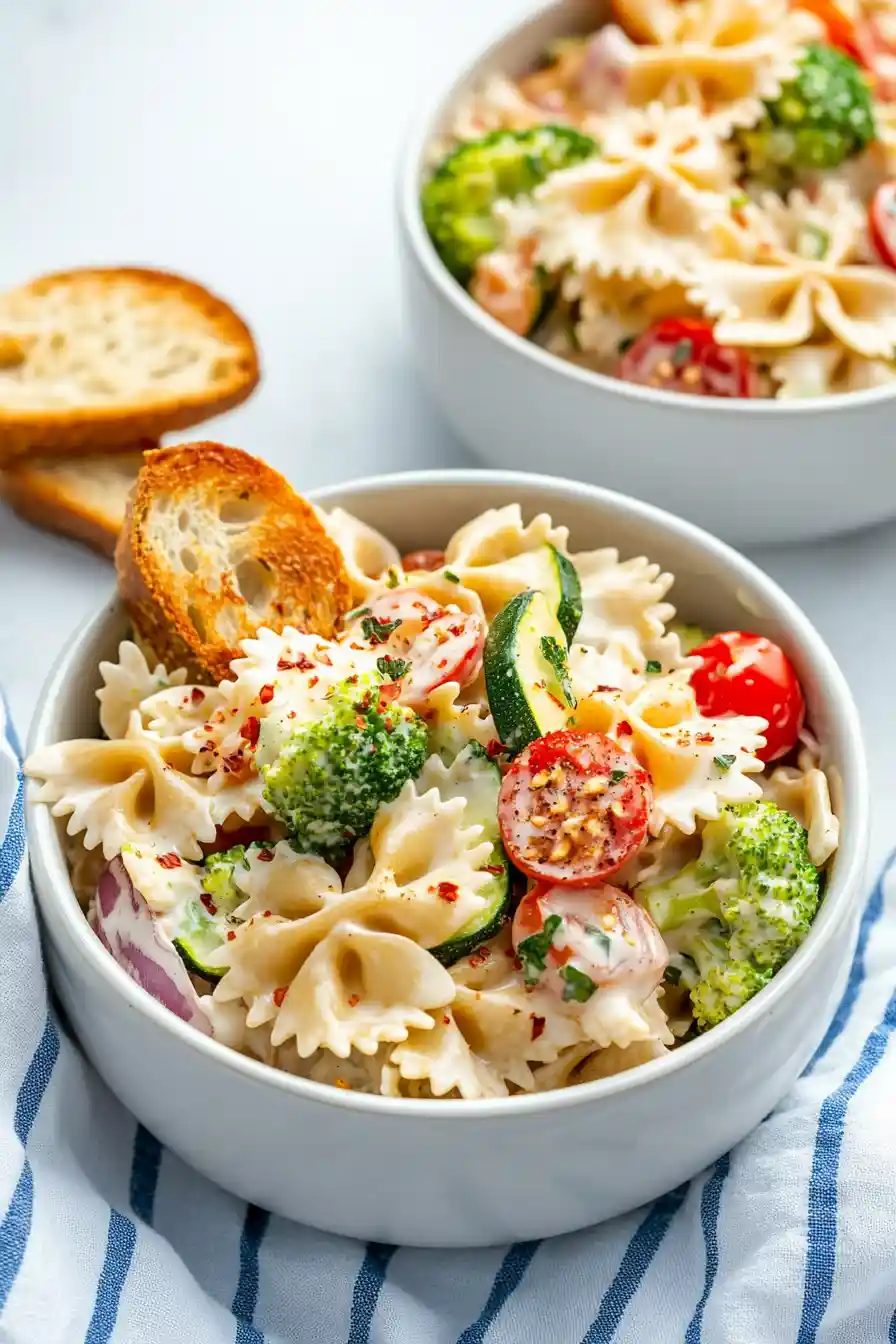
For pasta primavera, you’ve got plenty of options that’ll work great with all those fresh veggies. Penne is a classic choice because its tube shape catches the sauce nicely, but other medium-sized pasta shapes like fusilli, rotini, or bow ties would work just as well. If you’re going gluten-free, brown rice pasta or chickpea pasta are solid alternatives that hold up well with the vegetables and sauce. Just make sure to choose a pasta with ridges or curves rather than smooth ones like spaghetti – these texture elements help the creamy cashew sauce cling better to each bite. And remember to cook your pasta just until al dente, as it’ll continue to soften slightly when tossed with the hot vegetables and sauce.
Options for Substitutions
This pasta dish is super adaptable and perfect for using whatever veggies you have on hand! Here are some helpful substitutions:
- Pasta: Any pasta shape works great here – try bowties, rotini, or fettuccine. For a low-carb option, you can use zucchini noodles or chickpea pasta.
- Cashews: For the cream sauce, if you can’t use cashews, try blanched almonds or sunflower seeds (soak them first). You can also use store-bought vegan cream cheese or coconut cream, though you’ll need to adjust the water content.
- Vegetables: Feel free to swap any veggies based on what’s in season or in your fridge. Green beans, asparagus, mushrooms, or yellow squash all work great. Just keep the total amount of vegetables about the same.
- Italian herbs: If you don’t have an Italian herb blend, use any mix of dried basil, oregano, and thyme. Fresh herbs work too – just double the amount.
- Lemon juice: Apple cider vinegar or white wine vinegar can work instead – start with half the amount and adjust to taste.
Watch Out for These Mistakes While Cooking
The biggest mistake when making pasta primavera is overcooking the vegetables, which can turn them mushy and dull – instead, add them to the pan in stages based on their cooking times, with harder vegetables like carrots going in first and tomatoes last. A common error is not soaking the cashews long enough for the sauce (at least 4 hours or overnight), which can result in a grainy texture instead of the smooth, creamy consistency you want. To prevent your pasta from clumping together, make sure to cook it in plenty of well-salted water and don’t rinse it after draining – just toss it immediately with a bit of olive oil. For the best flavor development, don’t skip seasoning in layers – add a pinch of salt when cooking the vegetables and taste the sauce before combining everything together.
What to Serve With Pasta Primavera?
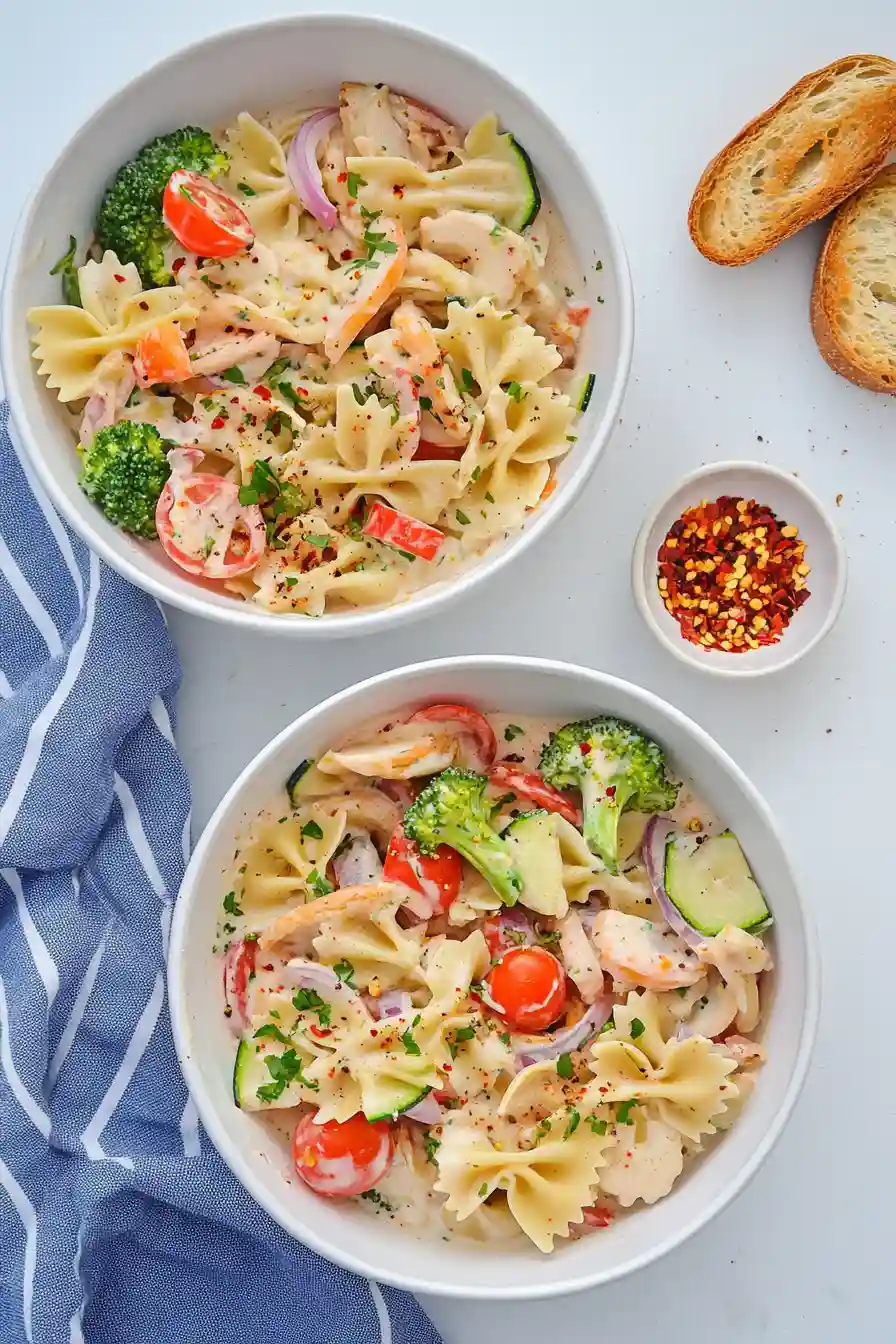
Since pasta primavera is already packed with veggies, I like to focus on simple sides that complement without overwhelming the dish. A light mixed green salad dressed with lemon vinaigrette makes a perfect starter, while warm garlic bread is great for soaking up any extra cashew sauce. If you’re serving this for a special dinner, try adding some roasted mushrooms on the side – they bring an extra savory note that works really well with the fresh vegetables. For a protein boost, you could add some pan-seared chickpeas or white beans, which keep the meal vegan-friendly while making it more filling.
Storage Instructions
Keep Fresh: This pasta primavera stays good in an airtight container in the fridge for about 3-4 days. The veggies might soften a bit, but the flavors actually get better as they meld together! I like to make a big batch on Sunday for easy lunches throughout the week.
Make Ahead: You can prep all the veggies and make the cashew sauce up to 2 days ahead. Store the cut veggies in containers in the fridge, and keep the sauce separate. When you’re ready to eat, just cook the pasta fresh and toss everything together – dinner will be ready in no time!
Refresh: When serving leftover pasta primavera, add a splash of water or vegetable broth while warming it up on the stovetop over medium-low heat. Give it a good stir now and then. This helps bring back the creamy texture of the sauce and prevents the pasta from drying out.
| Preparation Time | 15-30 minutes |
| Cooking Time | 25-40 minutes |
| Total Time | 40-70 minutes |
| Level of Difficulty | Medium |
Estimated Nutrition
Estimated nutrition for the whole recipe (without optional ingredients):
- Calories: 1200-1400
- Protein: 35-45 g
- Fat: 80-90 g
- Carbohydrates: 120-140 g
Ingredients
For the pasta and vegetables:
- 1/2 tsp Italian herbs (dried for consistent flavor)
- 1 1/2 cups cherry tomatoes (halved for easier cooking)
- 1 large carrot (julienned or thinly sliced)
- 2 zucchini (cut into 1/2-inch half moons)
- 2 cups broccoli florets (cut into bite-sized pieces)
- 12 oz penne pasta
- 1/2 red onion (finely diced)
- 1 red bell pepper (diced into 1/2-inch pieces)
- 2 tbsp olive oil
For the sauce:
- 1 tsp salt (I use Redmond Real Salt)
- 3/4 cup raw cashews (soaked in hot water for 15 mins, then drained)
- black pepper (freshly ground, to taste)
- 1/4 tsp onion powder
- 2 tbsp lemon juice (freshly squeezed for best flavor)
- 2 garlic cloves (peeled and smashed)
- 1/2 cup water
For serving:
- crushed red pepper (for a little heat)
- garlic crostini or garlic bread
Step 1: Prepare the Cashew Sauce
Start by soaking the cashews.
You have two options: soak the cashews in 2 cups of warm water for at least 2 hours, or speed up the process by bringing a pot of water to a boil with the raw cashews, then turning off the heat immediately and letting them sit in the hot water for about 30 minutes.
Once the cashews are done soaking, drain them well.
To make the sauce, add the drained cashews to a blender along with ½ cup of fresh water, fresh lemon juice, garlic, salt, onion powder, and black pepper.
Blend on high until the sauce is smooth and comes together.
If the sauce is too thick for your liking, add 1-2 tablespoons more water to thin it out.
Set the sauce aside until you’re ready to use it.
Step 2: Cook the Pasta
Cook your pasta until al dente, following the instructions on the package.
Once the pasta is cooked, drain it and set it aside.
The pasta will be combined with the sauce and vegetables later.
Step 3: Sauté the Vegetables
While the pasta is boiling, heat olive oil in a large pot over medium heat.
Once the oil is hot, add the onion, carrot, red bell pepper, and broccoli.
Sauté the vegetables for 3-4 minutes, stirring occasionally to ensure even cooking.
Next, add the zucchini and cook for another 2 minutes until all veggies are tender yet crisp.
Stir in the tomatoes and Italian seasoning, and cook for an additional minute.
Step 4: Combine Pasta, Sauce, and Vegetables
Finally, add the cooked pasta and prepared cashew sauce to the pot with the sautéed vegetables.
Stir everything together until the pasta and vegetables are well-coated in the creamy sauce.
Serve the dish hot, garnished with red pepper flakes if desired.
Step 5: Serve and Enjoy
This delicious pasta dish pairs wonderfully with a side of garlic bread or garlic crostini.
Enjoy your nutrient-packed, flavorful, and satisfying meal!