I never really understood frittatas until I moved out on my own. Growing up, eggs meant scrambled or over-easy – that’s all we knew in our house. When Mom tried anything fancier, it usually ended up as a messy omelet with broken pieces everywhere.
That’s because she was trying too hard to make it perfect – flipping and folding like they do in diners. A frittata is way more forgiving. You just throw everything in the pan, let it cook slowly, and pop it under the broiler. No fancy flipping required. For someone who used to be scared of egg dishes, it’s become my go-to breakfast when company comes over.
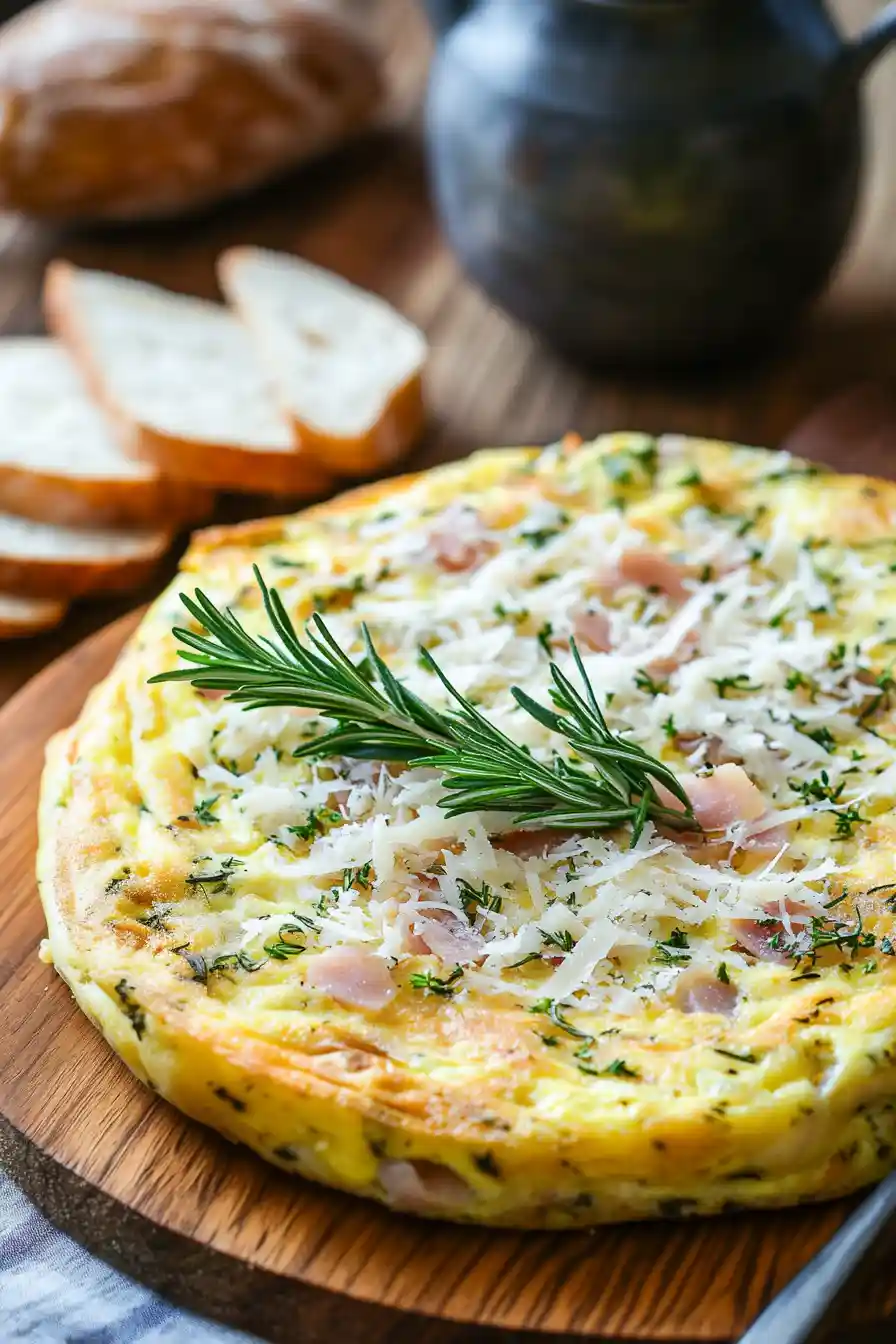
Why You’ll Love This Frittata
- Quick preparation – Ready in just 35 minutes or less, this frittata is perfect for busy mornings or when you need a fast dinner option.
- Simple ingredients – With basic pantry staples and just a handful of fresh ingredients, you can whip up this satisfying meal without a special grocery store trip.
- High protein – Packed with eggs and cheese, this frittata gives you a protein-rich meal that will keep you feeling full and energized.
- Perfect for meal prep – Make it once and enjoy it for several meals – it reheats beautifully and tastes great warm or at room temperature.
What Kind of Eggs Should I Use?
For a frittata, regular large chicken eggs from the grocery store will work perfectly fine, but if you can get your hands on farm-fresh eggs, they’ll give you an even better flavor and a gorgeous golden color. The most important thing is making sure your eggs are fresh – you can test this by placing them in a bowl of water; fresh eggs will sink and lay flat on their sides. When it comes to size, this recipe specifically calls for large eggs, which is important for getting the right texture. If you’re using medium eggs, you might need to add an extra egg or two, while if you’re using extra-large eggs, you may want to use one or two fewer to maintain the right egg-to-filling ratio.
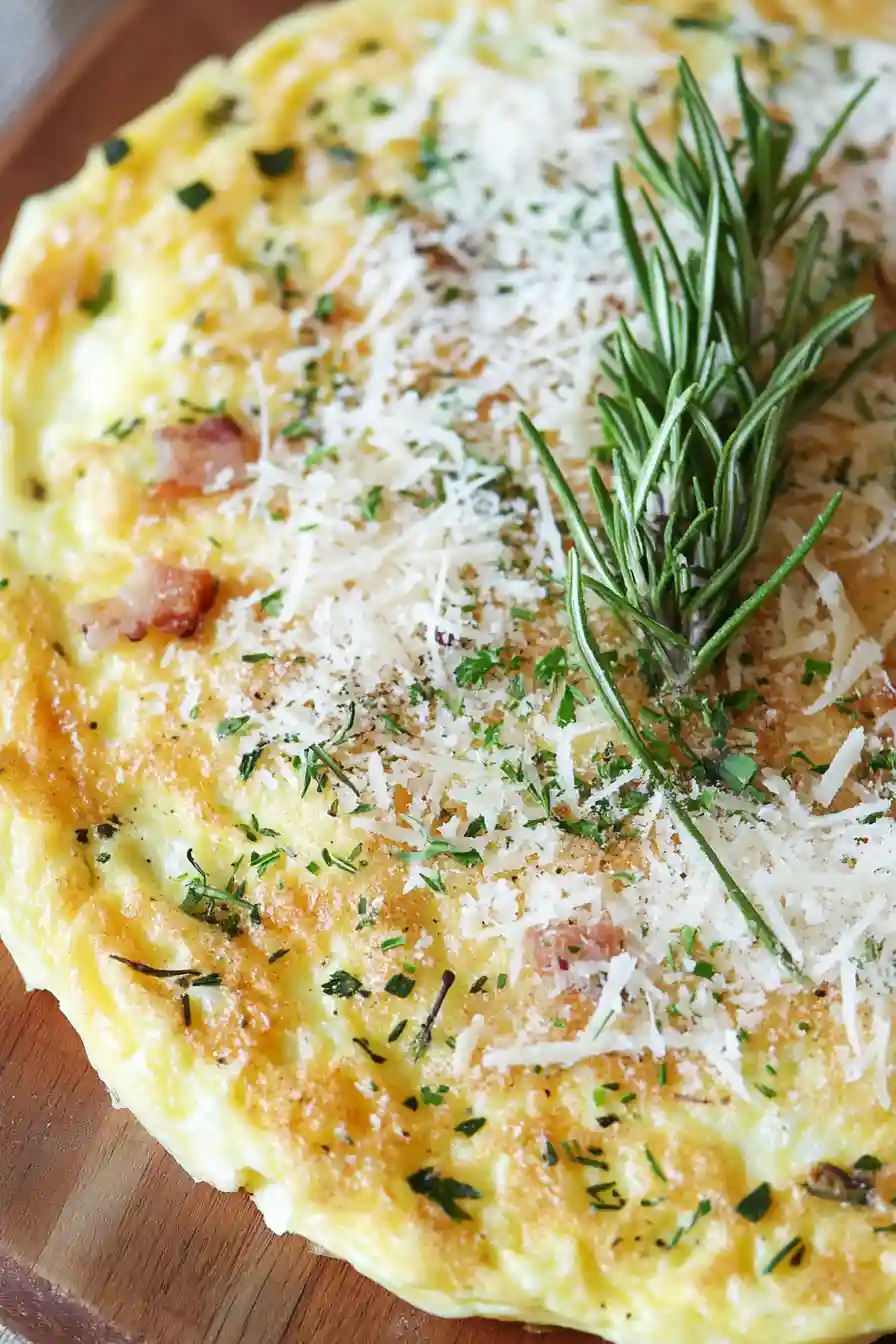
Options for Substitutions
This frittata recipe is pretty forgiving and allows for several substitutions if you need them:
- Pancetta: If you can’t find pancetta, regular bacon works great as a substitute. You could also use prosciutto or ham, just add them a bit later in the cooking process since they’re already cooked. For a meat-free version, try sautéed mushrooms.
- Parmigiano Reggiano: While Parmigiano Reggiano gives the best flavor, you can use Pecorino Romano or aged Asiago. Regular parmesan works too, though you might want to add a bit more since it’s usually milder in flavor.
- Russet potato: Any potato variety will work here – try Yukon Gold or red potatoes. Just make sure to cut them in small, even pieces so they cook through. Sweet potato is another good option for a different flavor profile.
- Eggs: The eggs are essential and can’t be substituted, but if you’re looking to cut down on whole eggs, you can use 6 whole eggs plus 8 egg whites instead of 10 whole eggs.
- Fresh herbs: No fresh herbs? Dried herbs work too – just use about 1/3 of the amount called for fresh. You can also swap parsley and rosemary for basil, thyme, or oregano.
Watch Out for These Mistakes While Cooking
The biggest challenge when making a frittata is getting that perfect texture – overcooking will leave you with a rubbery, dry egg dish instead of a light and fluffy one. A common mistake is cooking the eggs on too high heat; instead, keep your stovetop at medium-low and watch for the edges to set while the middle remains slightly jiggly before transferring to the broiler. Your potato prep can make or break the dish – cutting them too large means they won’t cook through before the eggs are done, so aim for small, uniform 1/4-inch cubes and pre-cook them until tender. To prevent the frittata from sticking (and potentially breaking apart when serving), make sure your pan is well-oiled and hot before adding the egg mixture, and don’t forget to run a spatula around the edges occasionally while cooking. For the best results, let your eggs come to room temperature before cooking, and resist the urge to overmix them – a few gentle stirs will give you that desired tender texture.
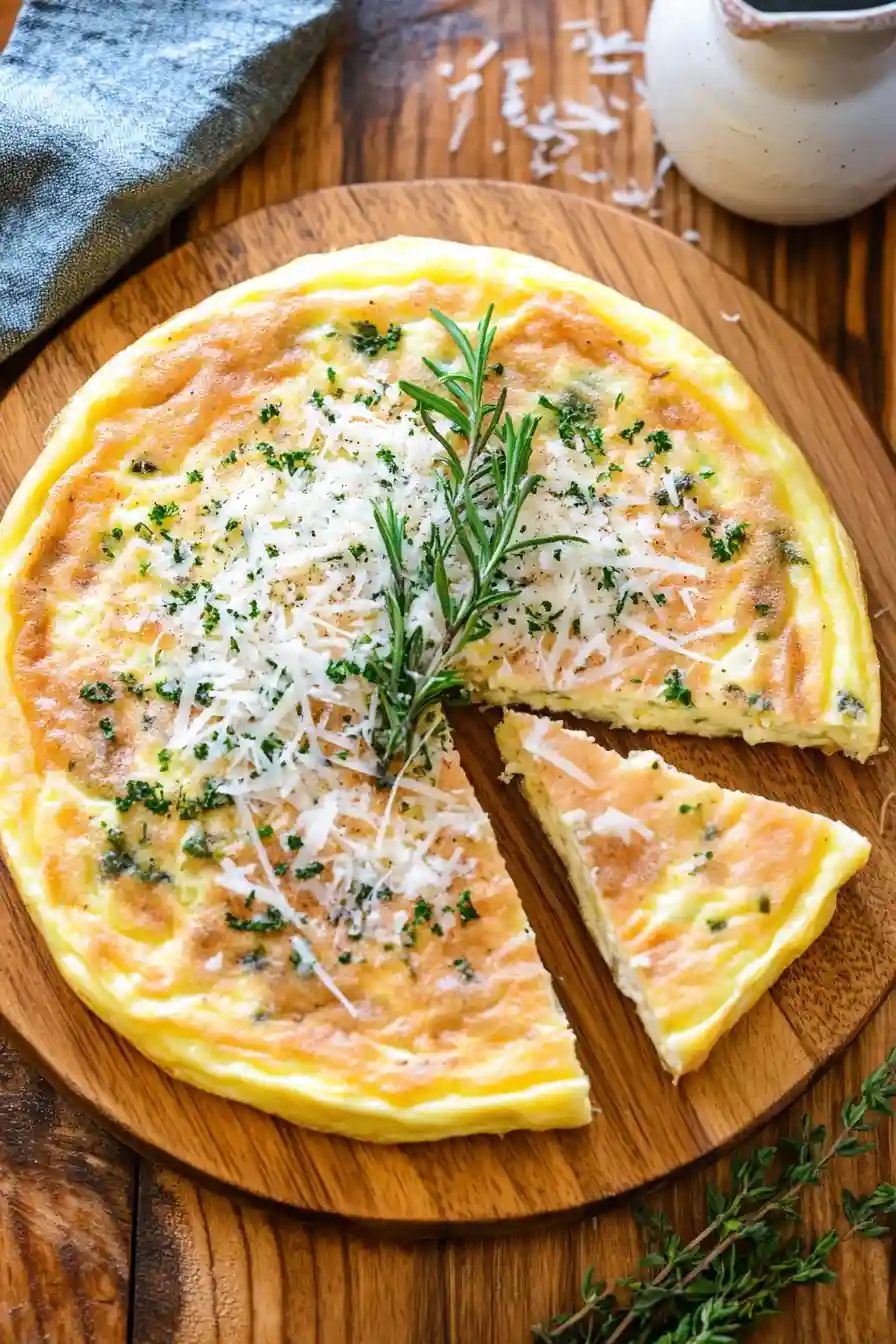
What to Serve With Frittata?
This hearty Italian egg dish is perfect for breakfast, brunch, or even dinner, and there are lots of tasty ways to round out your meal. A simple arugula salad dressed with lemon juice and olive oil adds a nice peppery crunch that balances the rich, creamy eggs. If you’re serving this for brunch, add some crusty Italian bread on the side with butter or olive oil for dipping, and maybe a plate of crispy bacon or Italian sausage links. For a light dinner option, roasted cherry tomatoes or sautéed mushrooms make great sides that complement the savory flavors of the pancetta and Parmigiano in the frittata.
Storage Instructions
Keep Fresh: This tasty frittata is perfect for meal prep! Place any leftover slices in an airtight container and pop them in the fridge – they’ll stay good for up to 4 days. I like to separate the slices with pieces of parchment paper to prevent them from sticking together.
Freeze: Want to save some for later? Cut the frittata into individual portions, wrap them well in plastic wrap or foil, and place them in a freezer bag. They’ll keep nicely for up to 2 months. Just remember to squeeze out as much air as possible to prevent freezer burn.
Warm Up: When you’re ready to enjoy your leftover frittata, you’ve got options! For refrigerated pieces, a quick 20-30 seconds in the microwave works great. If frozen, let it thaw overnight in the fridge first. You can also warm it in a 350°F oven for about 5-10 minutes – this helps keep the texture nice and fluffy.
| Preparation Time | 10-15 minutes |
| Cooking Time | 15-20 minutes |
| Total Time | 25-35 minutes |
| Level of Difficulty | Medium |
Estimated Nutrition
Estimated nutrition for the whole recipe (without optional ingredients):
- Calories: 1200-1400
- Protein: 80-90 g
- Fat: 90-100 g
- Carbohydrates: 50-60 g
Ingredients
For the frittata base:
- 1/2 sweet onion (diced into 1/4-inch pieces)
- 2 tbsp olive oil (I use Bertolli Extra Virgin Olive Oil)
- 1 medium russet potato (thinly sliced or diced)
- 1/4 cup diced pancetta
For the egg mixture:
- salt to taste
- pepper to taste
- 10 large eggs
- 1 cup grated parmesan cheese (freshly grated for best flavor)
For the garnish:
- fresh rosemary (optional, chopped)
- fresh parsley (optional, chopped)
Step 1: Cook Pancetta, Onions, and Potatoes
Start by adding some oil to a 10-inch cast-iron skillet over medium heat.
Add the pancetta, onions, and potatoes to the skillet and cook them until tender and fully cooked.
This should take about 8 to 10 minutes.
Stir every few minutes, making sure the pancetta turns crispy and the potatoes become tender.
Season the mixture with salt and pepper to taste.
Step 2: Prepare the Egg Mixture
While the pancetta mixture is cooking, prepare the egg mixture.
In a medium-sized bowl, combine the eggs, cheese, a pinch of salt, and some pepper.
Whisk these ingredients until they are entirely smooth and well combined.
Step 3: Cook the Frittata
Once the pancetta, onions, and potatoes are ready, pour the egg mixture into the cast-iron skillet.
Cook the eggs by gently pushing them from the outside of the pan to the inside, similar to the technique for an omelet.
If needed, reduce the heat to medium-low to prevent any burning.
Step 4: Finish Cooking the Frittata
Allow the eggs to cook until they are slightly runny on top, which should take about 4 to 6 minutes.
Carefully invert the frittata using a plate, then return it to the skillet, runny side down, and finish cooking for an additional 2 to 3 minutes until fully set.
Step 5: Serve and Garnish
Serve the frittata directly from the skillet or transfer it to a serving platter.
Garnish with extra Parmesan cheese, fresh parsley, and rosemary for added flavor.
Pair with fresh bread to complete the meal.