If you ask me, eggplant pesto is a total game-changer.
This fresh take on traditional pesto brings together the mild, creamy texture of roasted eggplant with the classic combo of basil and pine nuts. The eggplant adds a smooth, velvety quality that makes the sauce even more spreadable than the original.
It’s blended with fresh garlic and good olive oil until smooth, then finished with just the right amount of Parmesan cheese. The roasting brings out the eggplant’s natural sweetness while keeping the flavors balanced and light.
It’s a clever twist on an Italian favorite that works just as well tossed with pasta as it does spread on crusty bread.
Why You’ll Love This Eggplant Pesto
- Creative twist on classic pesto – This unique spread swaps traditional basil for roasted eggplant, creating a rich, smoky flavor that’s different from anything you’ve tried before.
- Budget-friendly – Using eggplant instead of expensive pine nuts and basil makes this pesto much more affordable than traditional versions, while still delivering amazing flavor.
- Quick preparation – You’ll have this ready in just 35 minutes, making it perfect for busy weeknight cooking or last-minute entertaining.
- Versatile spread – Use it on pasta, spread it on sandwiches, or serve it as a dip – this pesto works in so many different ways.
What Kind of Eggplant Should I Use?
The most common type you’ll find at the grocery store is the large Globe eggplant, which works perfectly for this pesto recipe. These Italian-style eggplants have a meaty texture and mild flavor that takes on other ingredients really well. If you spot Japanese or Chinese eggplants (the long, skinny ones), they’ll work great too – they tend to be a bit sweeter and less bitter than their larger cousins. When shopping, look for eggplants that feel heavy for their size and have smooth, shiny skin without any soft spots. Give them a gentle squeeze – they should be firm but not hard as a rock, and smaller eggplants usually have fewer seeds and tend to be less bitter than really large ones.
Options for Substitutions
This tasty pesto recipe can be adapted with several ingredient swaps if needed:
- Eggplant: Since eggplant is the star here, it’s best not to substitute it. However, if you have different varieties of eggplant available, feel free to use Italian, Japanese, or even fairy tale eggplants – they’ll all work well.
- Walnuts: You can easily swap walnuts with pine nuts (traditional for pesto), almonds, or even pecans. Just make sure to toast them lightly first for the best flavor.
- Parmesan cheese: Pecorino Romano makes a great substitute, or for a dairy-free version, try nutritional yeast (use about 3 tablespoons instead of 1/4 cup).
- Parsley: Feel free to use basil instead of parsley, or try a mix of both. You could also experiment with other herbs like cilantro or mint for a different flavor profile.
- Lemon juice: You can use lime juice instead, or even a mild vinegar like white wine vinegar or apple cider vinegar (start with half the amount as they’re stronger).
- Olive oil: While olive oil works best here, you could use avocado oil as an alternative. Just avoid oils with strong flavors that might overpower the other ingredients.
Watch Out for These Mistakes While Cooking
The biggest mistake when making eggplant pesto is not roasting the eggplant properly – you’ll want to cook it until it’s completely soft and slightly charred, as undercooked eggplant can taste bitter and make your pesto grainy. A common error is skipping the step of letting the roasted eggplant drain in a colander, but this extra 10-15 minutes prevents your pesto from becoming watery and helps concentrate the flavors. To get the smoothest texture, make sure to process the walnuts and garlic first before adding other ingredients, and don’t forget to stream in the olive oil slowly while the food processor is running – dumping it all at once can make your pesto break and become oily. For the best flavor balance, taste and adjust the lemon juice and salt gradually, since these ingredients can quickly overpower the delicate eggplant flavor.
What to Serve With Eggplant Pesto?
This rich and nutty eggplant pesto is super flexible – you can use it in so many different ways! The most obvious choice is to toss it with your favorite pasta (I love it with linguine or penne), but don’t stop there. Try spreading it on toasted baguette slices for a quick appetizer, or use it as a sandwich spread with fresh mozzarella and tomatoes. You can also serve it as a dip with warm pita bread and fresh vegetables, or dollop it onto grilled chicken or fish for an easy flavor boost. If you’re making it ahead, the flavors actually get better after a day in the fridge!
Storage Instructions
Keep Fresh: This eggplant pesto stays good in the fridge for about 5-7 days when stored in an airtight container. Pro tip: pour a thin layer of olive oil on top before closing the container – this helps prevent the pesto from browning and keeps it fresh longer!
Freeze: Want to save some for later? Spoon the pesto into ice cube trays or small freezer-safe containers and freeze for up to 3 months. These frozen pesto cubes are perfect for dropping into pasta or soups whenever you need them. Just remember to leave a little space at the top since liquids expand when frozen.
Make Ahead: You can totally make this pesto a day or two before you need it – in fact, I think it tastes even better after the flavors have had time to mingle in the fridge. Just give it a good stir before using, and if it seems a bit thick, thin it out with a splash of olive oil.
| Preparation Time | 15-20 minutes |
| Cooking Time | 20 minutes |
| Total Time | 35-40 minutes |
| Level of Difficulty | Easy |
Estimated Nutrition
Estimated nutrition for the whole recipe (without optional ingredients):
- Calories: 900-1100
- Protein: 20-25 g
- Fat: 80-90 g
- Carbohydrates: 40-50 g
Ingredients
- salt
- 2 eggplants
- 1/4 cup fresh parsley
- 1/4 cup extra virgin olive oil
- 1/4 cup grated Parmesan cheese (I like Sartori brand)
- 1 to 2 garlic cloves (freshly minced for best flavor)
- 1/4 cup lemon juice (freshly squeezed for brighter taste)
- 1/3 cup chopped walnuts (toasted for deeper flavor)
- freshly ground pepper
Step 1: Prepare and Broil the Eggplant
Set your oven to the high broil setting.
Brush the eggplant with a little oil and pierce it all around with a knife to prevent bursting.
Place a sheet of aluminum foil in a baking pan and put the eggplant on top.
Broil for 20 minutes, turning halfway through the cooking time to ensure even roasting.
Step 2: Cool and Peel the Eggplant
Once the eggplant is cooked, remove it from the oven and wrap it in the foil it was broiled on.
Allow it to cool for about 20 minutes.
After cooling, remove and discard the skin by gently peeling it off, retaining as much of the tender flesh and juices as possible.
Step 3: Prepare the Flavor Base
In a food processor, pulse the garlic and parsley until finely chopped.
Add the walnuts and cheese, then puree the mixture to create a flavorful base for your dip.
Step 4: Blend the Eggplant Mixture
Add the peeled eggplant with all of its juices to the food processor.
Add a splash of lemon juice and pulse the mixture while gradually adding olive oil until the dip reaches a smooth consistency.
Feel free to keep it a bit chunky if you prefer.
It’s delicious either way.
Step 5: Season and Garnish
Season the eggplant dip with salt and pepper to taste.
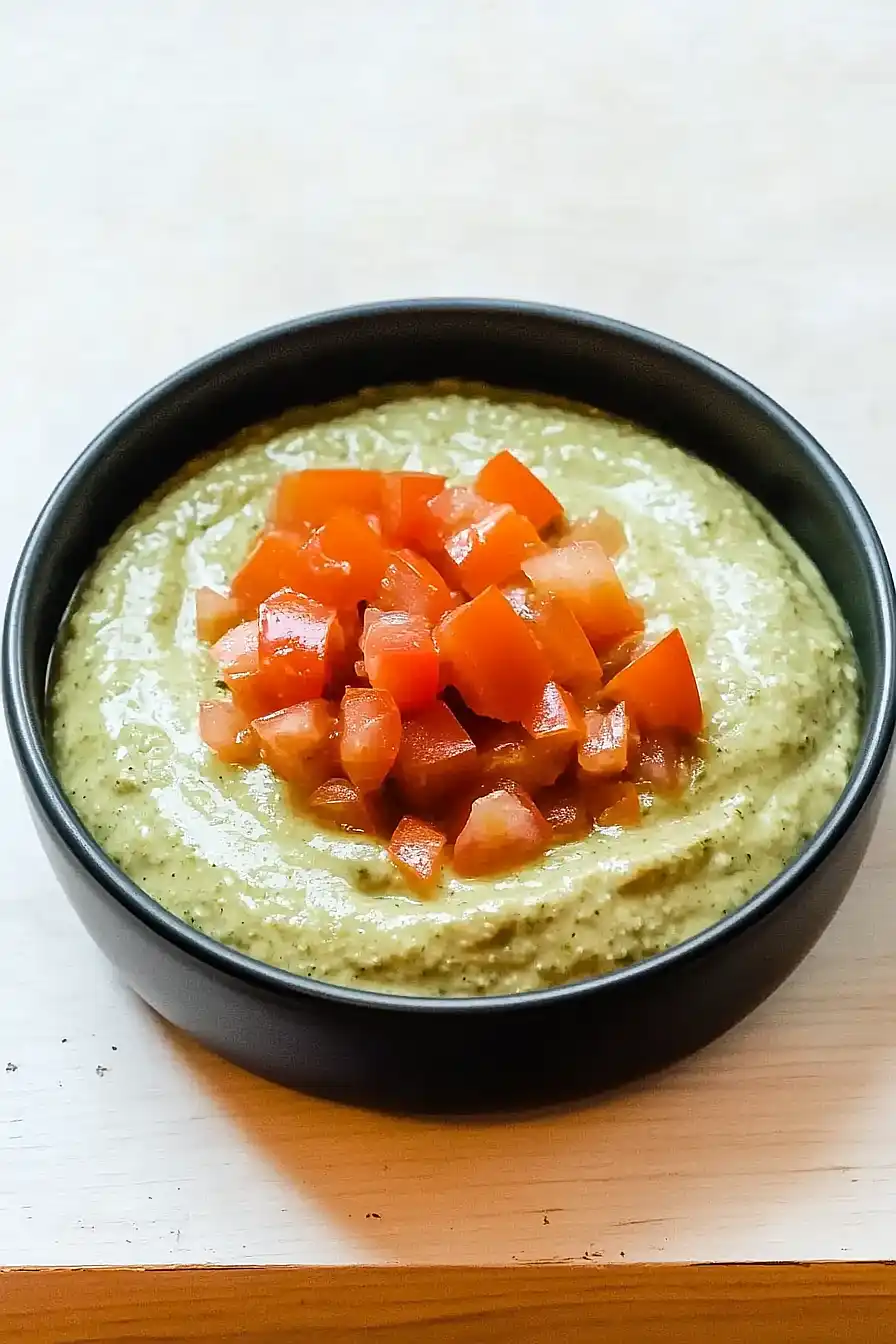
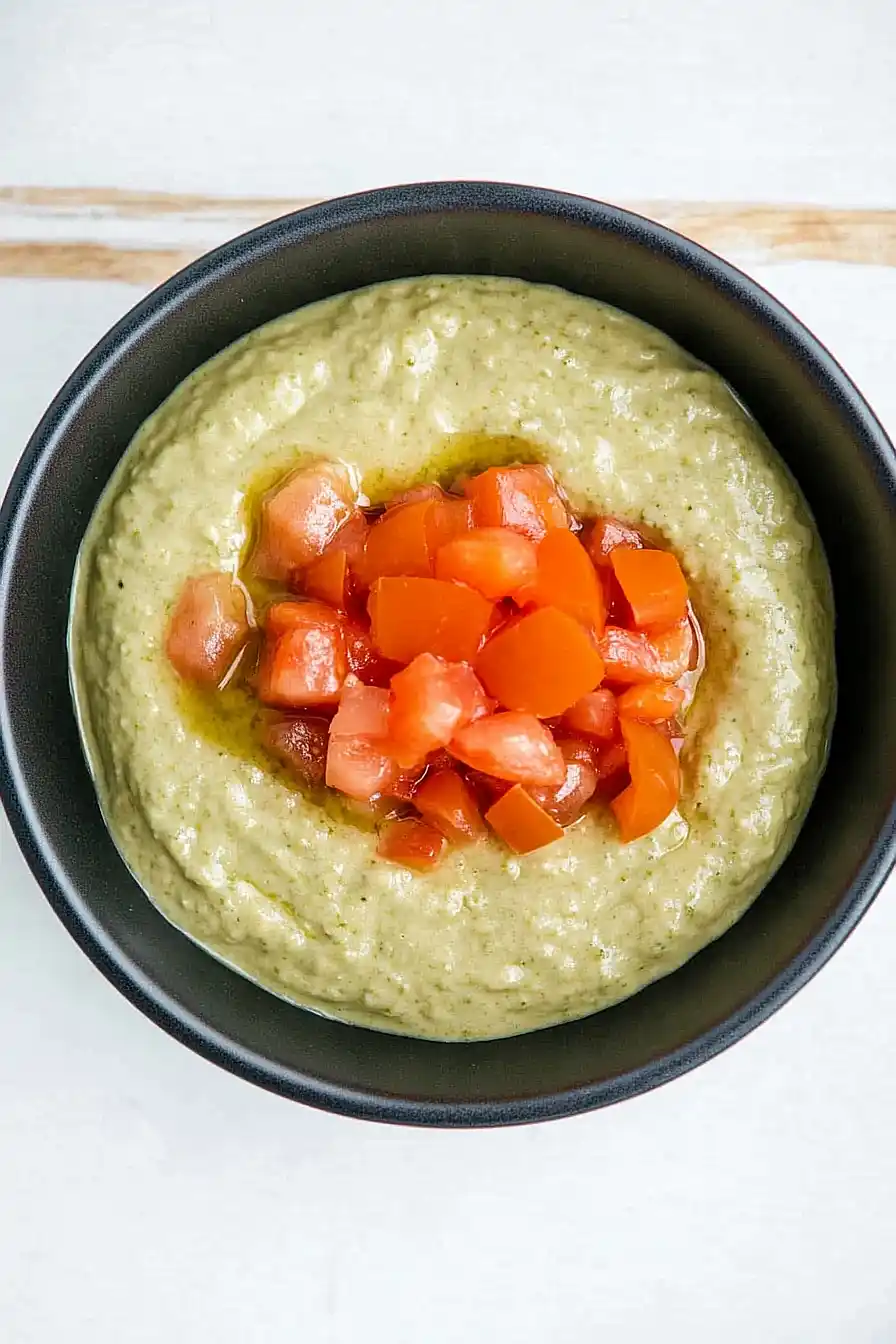
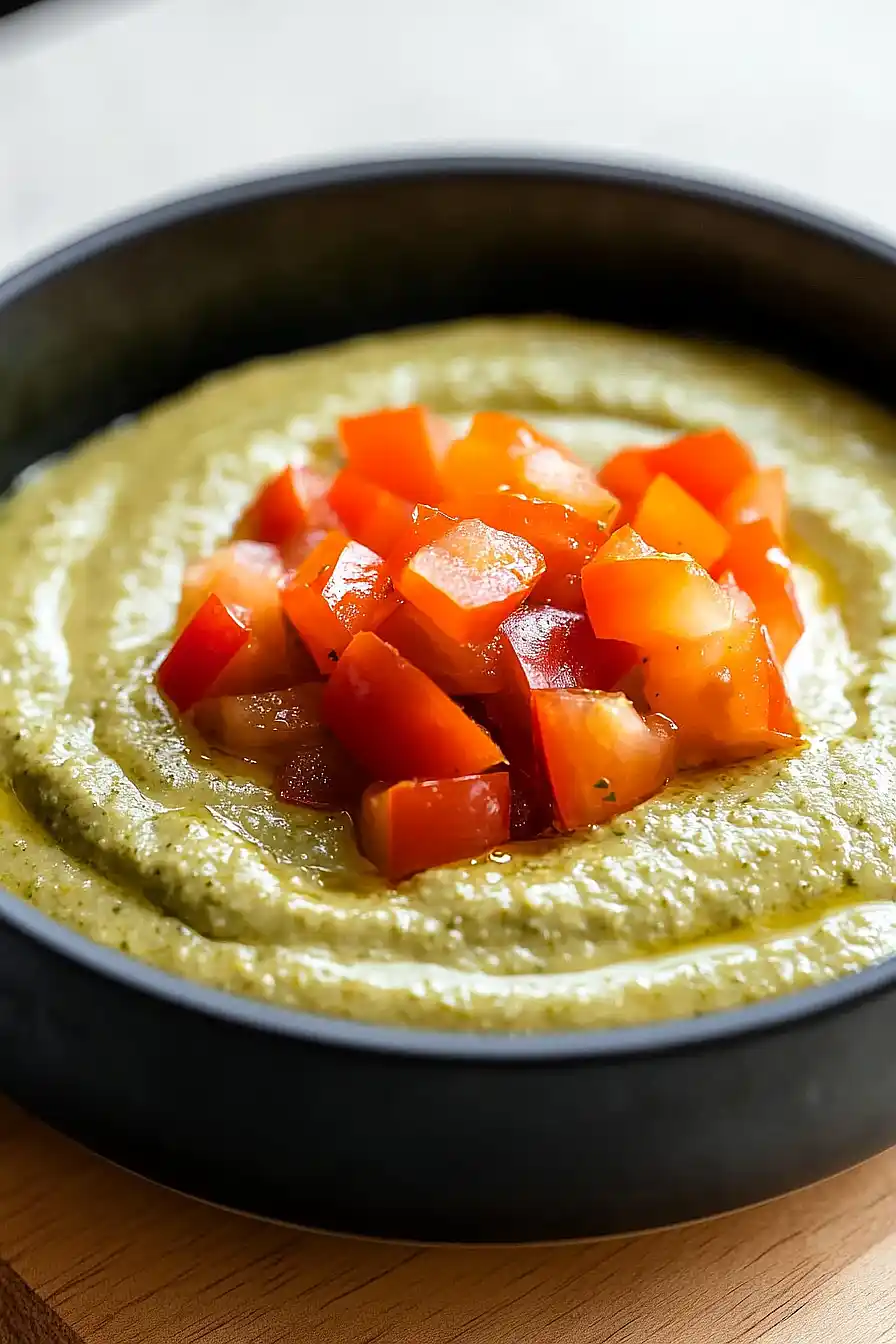
For added brightness, chop up some tomatoes and use them as a garnish on top of the dip.
This will enhance not only the flavor but also the visual appeal of your dish.
Step 6: Serve and Customize
Enjoy the roasted eggplant dip smothered on bread, over fish, in sandwiches, or any way you like.
Feel free to make it your own by adding ingredients such as roasted red peppers, fresh basil, pine nuts, scallions, or even crumbled feta cheese.