I was well into my thirties before I discovered how easy it is to make homemade fig jam. Growing up, jam always came from the store, and the idea of making it myself seemed way too complicated. When my neighbor gave me a bag of fresh figs from her tree, I figured I’d give it a shot.
Turns out, making fig jam isn’t nearly as tricky as I’d imagined. You don’t need fancy equipment or special skills – just some basic ingredients and a bit of patience. And once you’ve made your first batch, you’ll wonder why you ever bought the store-bought stuff in the first place.
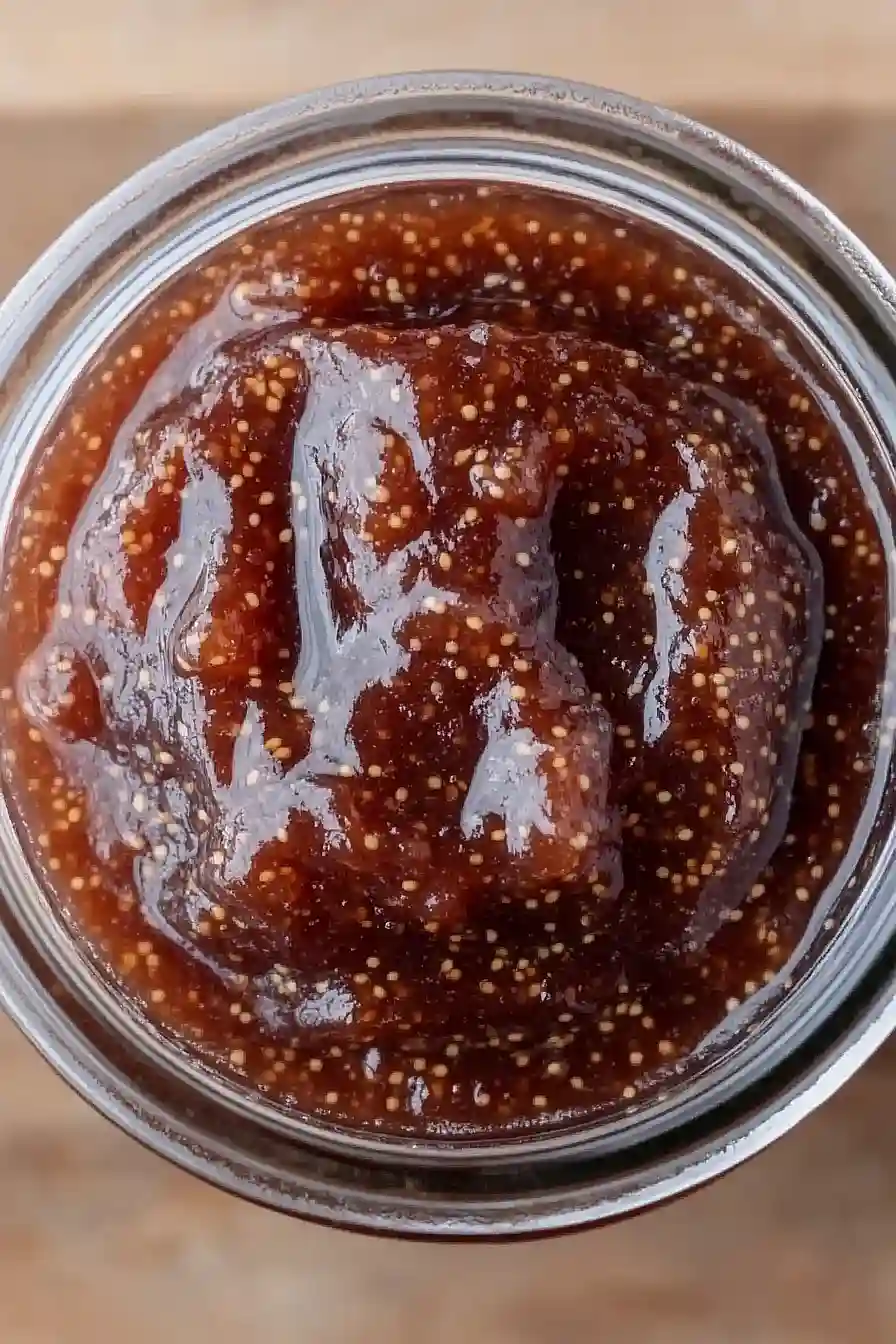
Why You’ll Love This Fig Jam
- Just 3 ingredients – This recipe keeps things wonderfully simple with only figs, sugar, and lemon juice – no fancy ingredients or complicated additions needed.
- Perfect for preserving – When figs are in season and abundant, this jam lets you capture their sweet flavor to enjoy all year long through simple home canning.
- Homemade gift option – A jar of this fig jam makes a thoughtful homemade present that friends and family will appreciate far more than store-bought versions.
- Natural ingredients – Unlike commercial jams, this recipe contains no artificial preservatives, colors, or flavors – just pure, simple ingredients you can feel good about.
What Kind of Figs Should I Use?
For making fig jam, you’ve got several good options when it comes to choosing your figs. Black Mission figs are a popular choice because they have a deep, sweet flavor and make a beautiful dark-colored jam. Brown Turkey figs work great too, though they’re a bit milder in taste. The key is picking figs that are fully ripe – they should be soft to the touch but not mushy, and have a slight bend when you gently squeeze them. If your figs aren’t quite ripe when you buy them, let them sit at room temperature for a day or two. Just don’t wait too long, since overripe figs can ferment and won’t make the best jam.
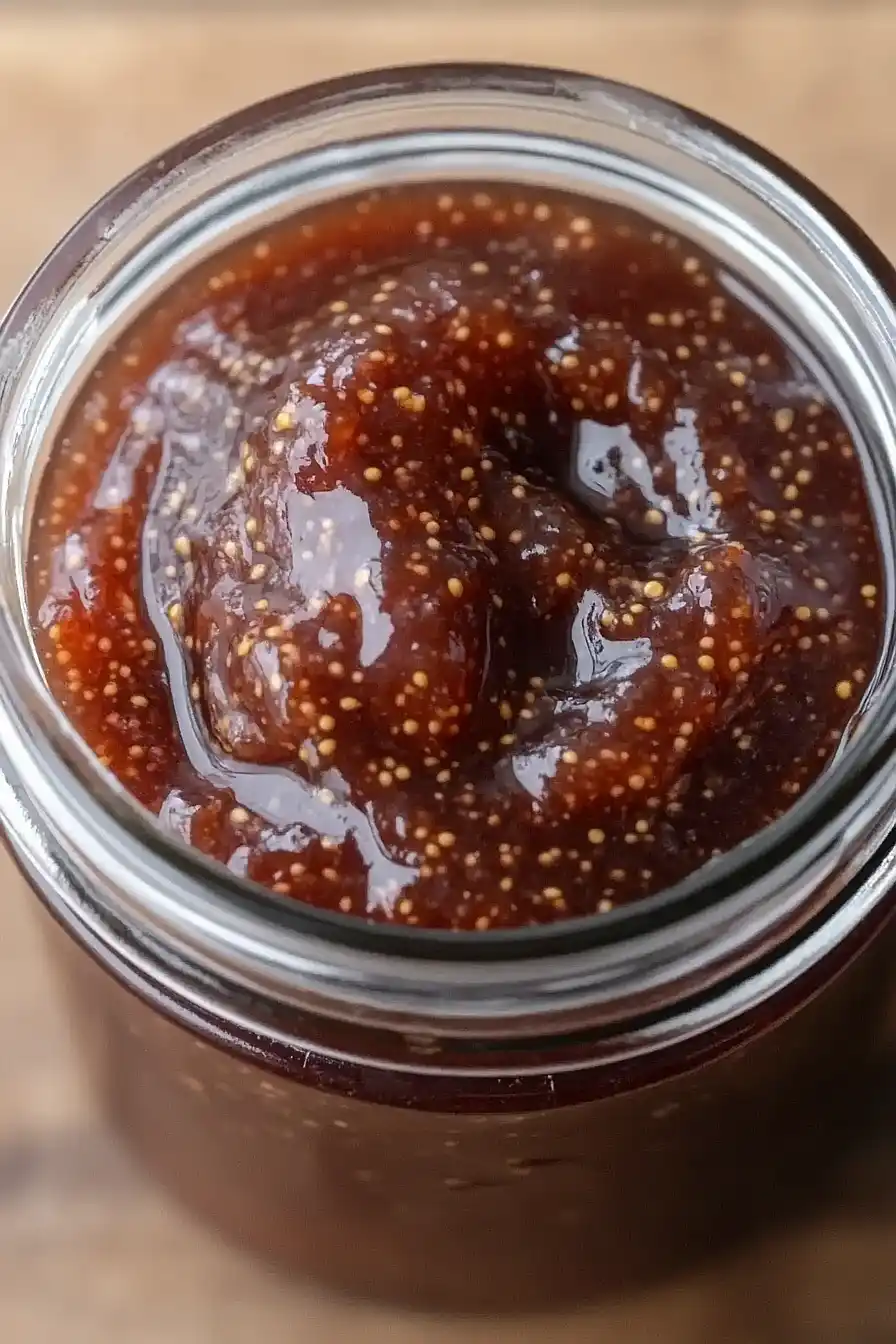
Options for Substitutions
When making this jam, there’s some wiggle room with ingredients, but keep in mind that proper ratios are important for safe canning:
- Figs: While fresh figs are best, you can use dried figs in a pinch. If using dried, soak them overnight in warm water and use only 2 pounds instead of 4. The texture will be different, but still tasty.
- White sugar: Sugar is necessary for proper preservation, but you can try using honey for up to half the amount of sugar. Don’t reduce the total sweetener amount though – it’s crucial for safe canning and proper set.
- Lemon juice: Fresh lemon juice is ideal, but bottled lemon juice is actually a safer choice for canning because it has consistent acidity. Don’t skip or substitute this ingredient – it’s essential for safe preservation and prevents spoilage.
Watch Out for These Mistakes While Cooking
The biggest challenge when making fig jam is achieving the right consistency – using underripe figs will result in less natural pectin and a runny jam, so make sure your figs are soft and fully ripe before starting.
Temperature control is crucial during cooking – if you rush the process with high heat, the jam can scorch on the bottom or fail to set properly, so maintain a gentle simmer and stir frequently to prevent sticking.
When testing for doneness, many cooks pull the jam off too early – place a small amount on a chilled plate and if it wrinkles when pushed with your finger after 30 seconds, it’s ready (if not, continue cooking and testing every 5 minutes).
For safe canning, always check that your jars are properly sterilized and still hot when filling, and don’t skip the lemon juice – it’s essential for safe preservation and helps balance the sweetness while ensuring proper acidity levels.
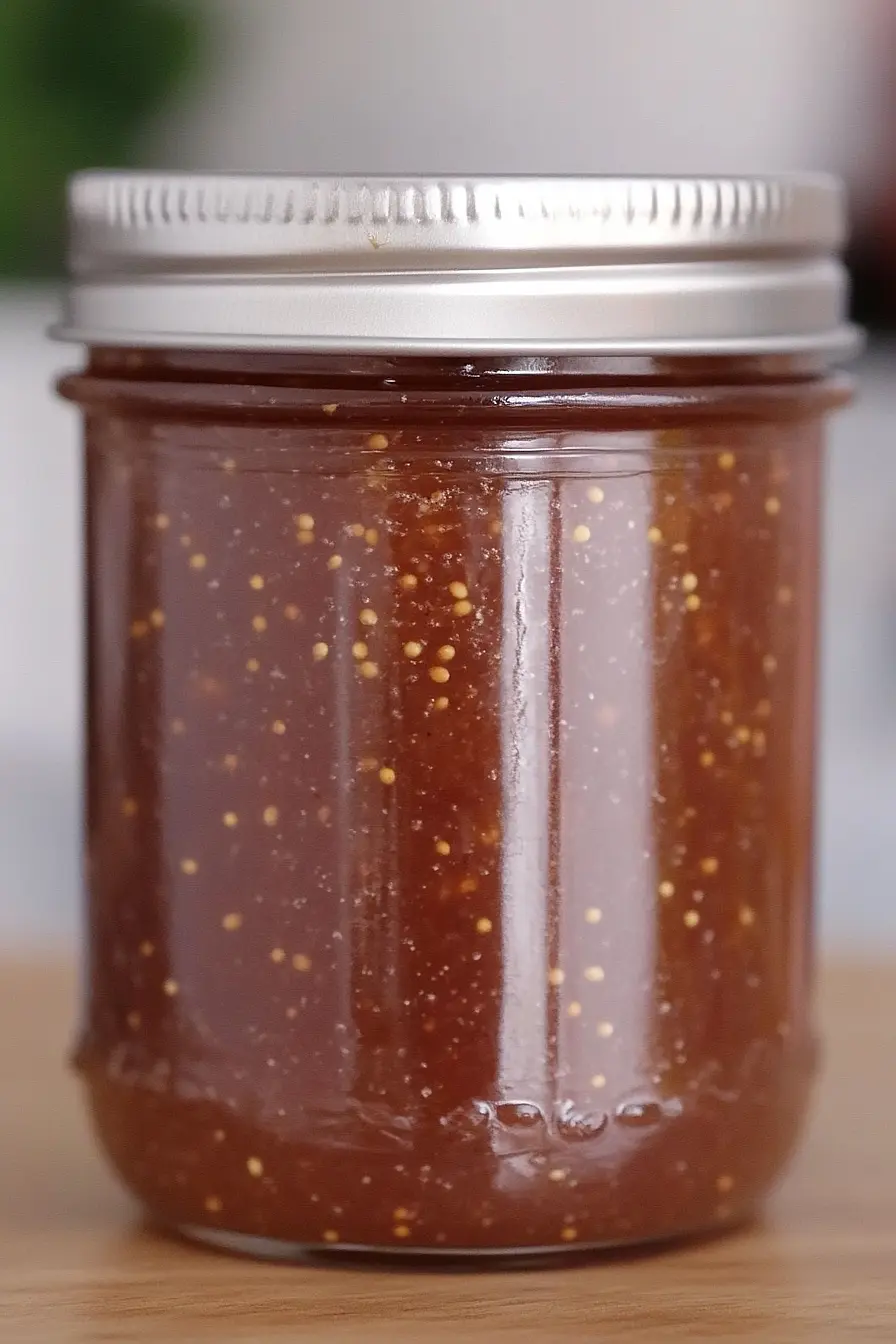
What to Serve With Fig Jam?
This sweet and fruity fig jam is super versatile and pairs perfectly with so many breakfast and appetizer options! The most classic way to enjoy it is spread on warm toast, croissants, or English muffins alongside your morning coffee. For a really nice cheese board, try serving this jam with soft cheeses like brie, goat cheese, or cream cheese – the sweet and tangy combo is always a hit at parties. You can also use it as a topping for vanilla ice cream, yogurt parfaits, or even as a glaze for roasted pork or chicken when you want to add a touch of sweetness to savory dishes.
Storage Instructions
Preserve: When properly canned in sterilized jars with tight-fitting lids, your homemade fig jam will keep for up to 18 months in a cool, dark pantry or cupboard. Just make sure each jar has sealed properly – you should hear that satisfying ‘pop’ as they cool!
Keep Fresh: Once you’ve opened a jar of fig jam, keep it in the fridge. It’ll stay good for about 3-4 weeks, though in my house it rarely lasts that long! The sugar and lemon juice act as natural preservatives, helping maintain its fresh taste.
Gift: This fig jam makes wonderful holiday gifts or hostess presents. Just add a cute label with the date it was made and store it in a cool place until giving. I like to include a note suggesting refrigeration after opening.
| Preparation Time | 60-1440 minutes |
| Cooking Time | 15-30 minutes |
| Total Time | 75-1470 minutes |
| Level of Difficulty | Medium |
Estimated Nutrition
Estimated nutrition for the whole recipe (without optional ingredients):
- Calories: 3200-3400
- Protein: 8-12 g
- Fat: 0-5 g
- Carbohydrates: 800-840 g
Ingredients
- 4 lb ripe figs (stems removed, quartered for faster cooking)
- 1/2 cup lemon juice (freshly squeezed for best flavor)
- 2 lb granulated sugar
Step 1: Prepare the Figs
Begin by washing the figs thoroughly.
Cut away the woody stems and quarter the figs.
Place the prepped figs in a large container and add the sugar.
Stir well to combine.
Allow the figs and sugar to macerate for at least 1 hour, and up to 24 hours for deeper flavors.
If macerating for a longer period, place the container in the refrigerator until you are ready to cook.
Step 2: Cook the Fig Jam
Once the figs have macerated, scrape them along with the sugar into a low, wide, non-reactive pan.
Add the lemon juice and stir to mix everything together.
Place the pan on the stove and set to high heat.
Bring the figs to a boil, then reduce the heat to medium-high, maintaining a controlled boil.
Stir every 2-3 minutes to prevent sticking to the pan.
Step 3: Set Up the Canning Equipment
While the fig jam cooks, prepare a boiling water bath canner and gather jars to hold approximately 4 pints of jam.
You can use a combination of pints, half pints, and quarter pints.
Wash new lids and rings in hot, soapy water and set them aside to dry.
Step 4: Monitor Jam Setting
Boil the jam for about 15 minutes and begin checking for signs of setting, which can take up to 30 minutes.
Look for a thicker consistency as you stir, a red and rosy color, and a glossy appearance.
When droplets of jam on a spatula are thick and slow-moving, the jam is reaching its set point.
Step 5: Jar the Jam
Once the jam has reached the desired consistency, remove the pot from heat.
Use a funnel to fill the prepared jars, leaving about 1/4 inch headspace.
Wipe the rims clean to remove any drips, and apply the lids and rings firmly.
Step 6: Process and Store the Jam
Process the jars in a boiling water bath canner for 10 minutes, starting the timer once the water returns to a boil.
After processing, turn off the heat, remove the lid, and allow the jars to cool in the water for five minutes.
Then, remove the jars and place them on a folded kitchen towel to cool completely.
Once cooled, check the seals.
Jars with proper seals can be stored at room temperature for up to a year.
Refrigerate and use any unsealed jars promptly.