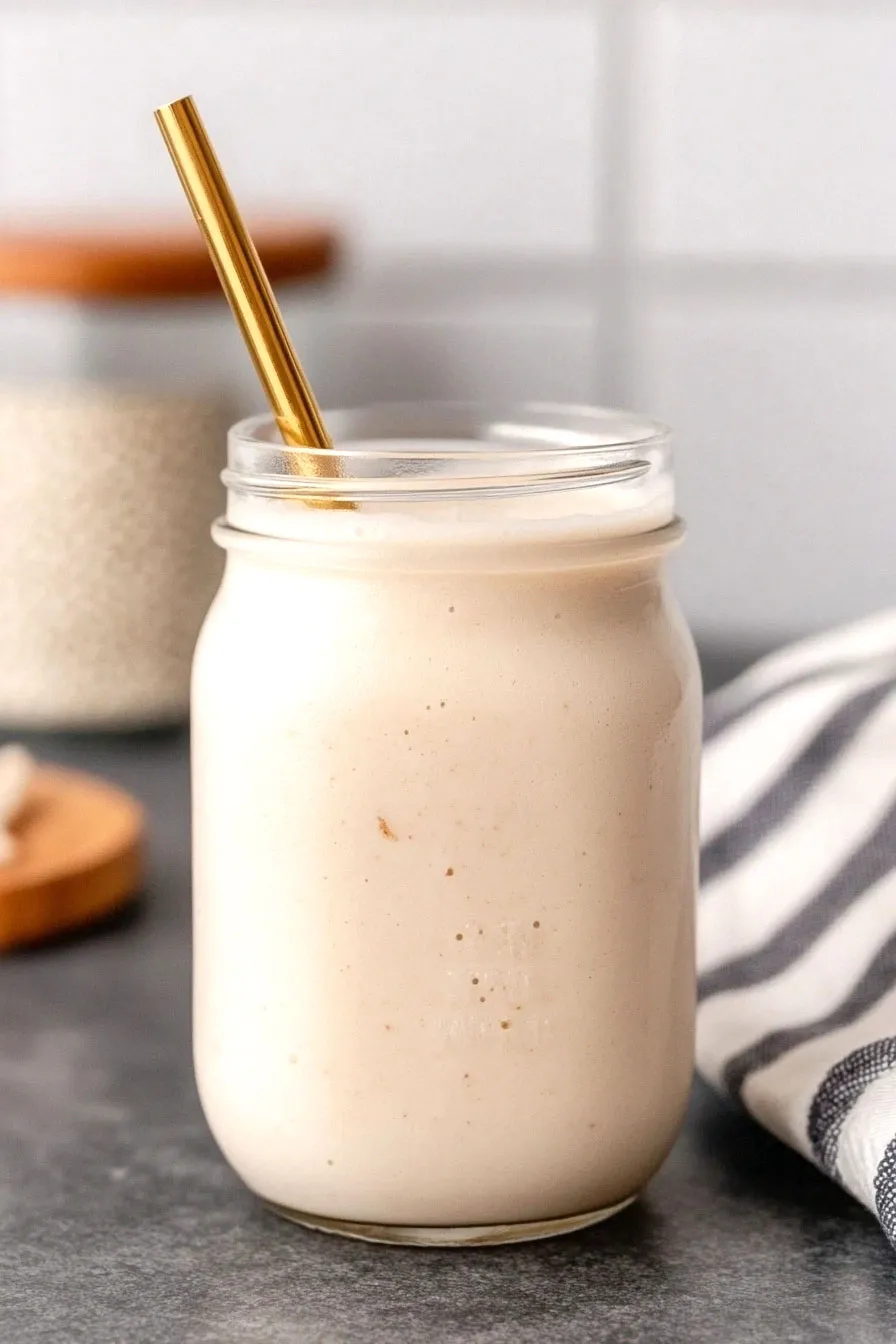
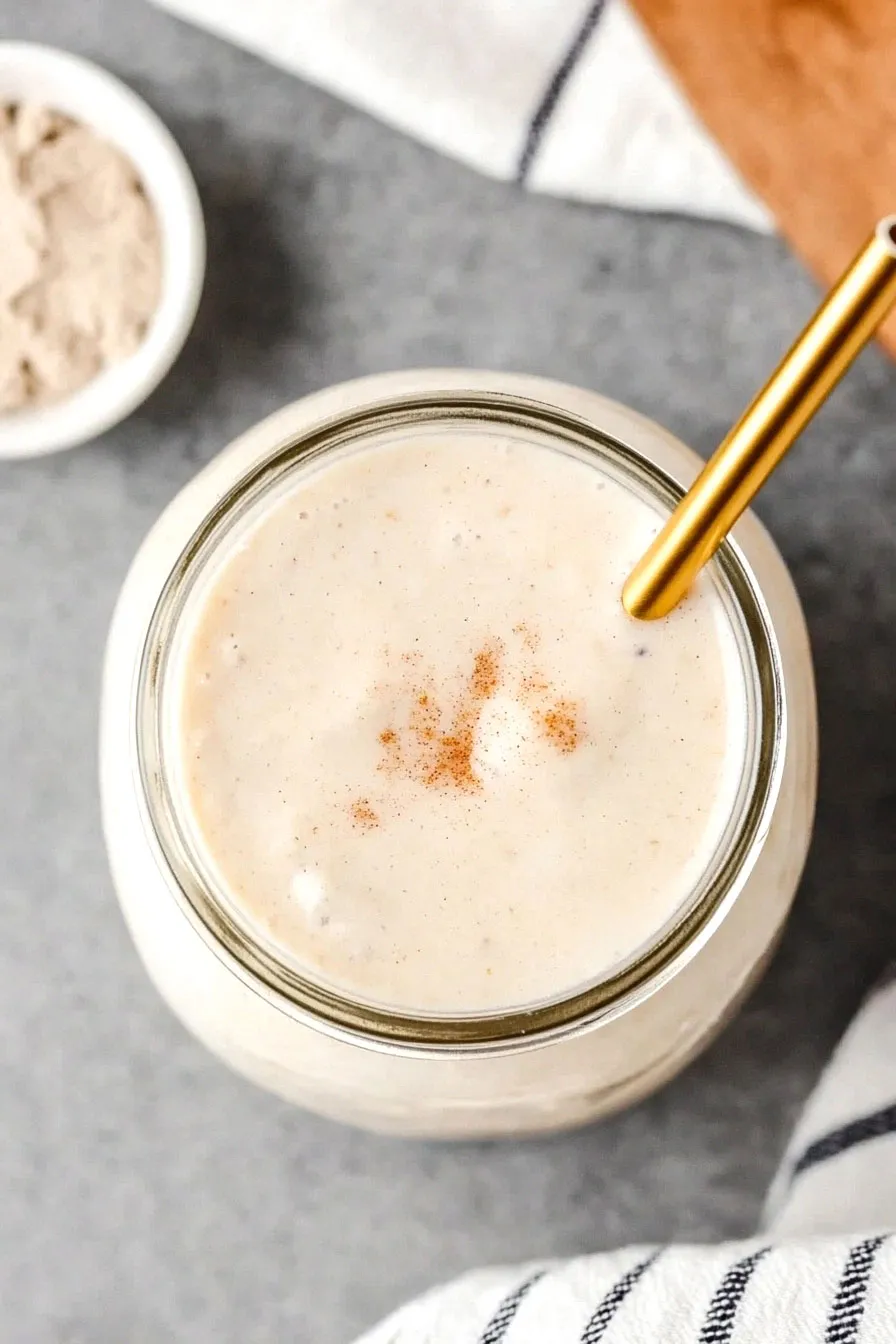
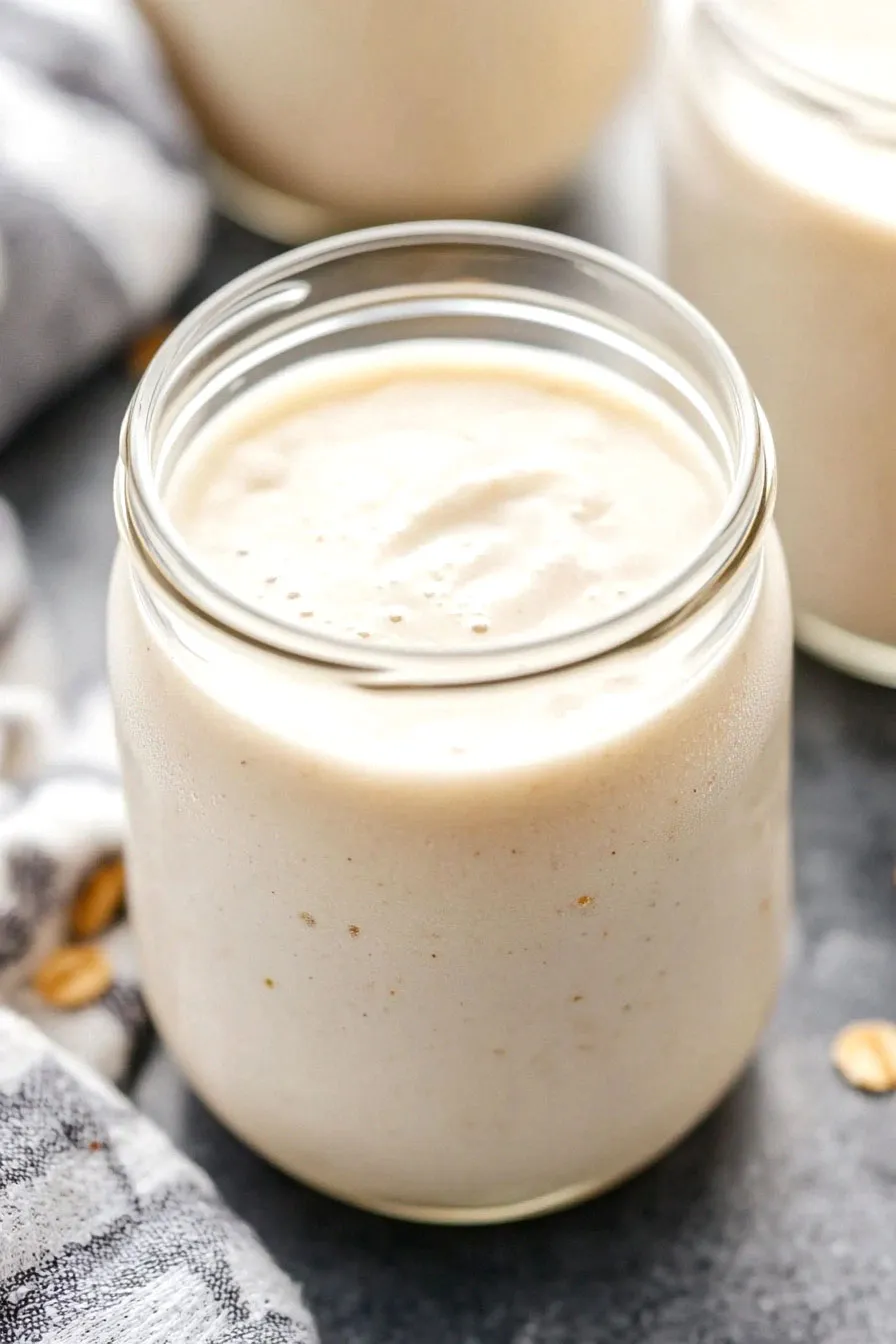
Here’s my go-to dairy free protein smoothie recipe that’s perfect for busy mornings or post-workout refueling. It’s creamy and filling, even without any milk or yogurt, thanks to a mix of plant-based ingredients, natural protein sources, and fresh fruit.
I make this smoothie almost every day after my morning run, and my kids have started asking for it too. It’s become our family’s favorite breakfast-on-the-go – and who doesn’t love starting their day with something that tastes like a treat but is actually good for you?
Why You’ll Love This Protein Smoothie
- Customizable recipe – This smoothie is like a blank canvas – add your favorite fruits, nut butters, or superfoods to make it exactly how you like it. The recipe includes plenty of mix-in options to keep things interesting.
- Diet-friendly – It’s naturally dairy-free and can easily fit into vegan, paleo, or keto eating plans depending on your choice of ingredients.
- Quick preparation – You’ll have this smoothie ready in 5 minutes or less – just throw everything in the blender and hit start. Perfect for busy mornings when you need breakfast in a hurry.
- Nutrient-packed – With protein powder, optional greens, and healthy fats from MCT oil or nut butter, this smoothie delivers a complete meal’s worth of nutrition in drinkable form.
What Kind of Plant-Based Milk Should I Use?
The type of plant-based milk you choose can really change the taste and texture of your smoothie. Unsweetened almond milk is a popular choice because it’s low in calories and has a mild flavor that won’t overpower your other ingredients. If you’re looking for something creamier, oat milk or cashew milk can give your smoothie a richer texture, while coconut milk adds a subtle tropical note. Just keep in mind that some plant milks, like rice milk, tend to be thinner and may result in a less creamy smoothie. For the best results, check that your plant milk doesn’t contain added sugars or thickeners if you’re trying to keep things clean and simple.
Options for Substitutions
This smoothie recipe is super adaptable – here’s how you can mix things up:
- Plant-based milk: Any unsweetened non-dairy milk works great here – try almond, oat, coconut, or soy milk. Just keep in mind that coconut milk from a can might be too thick, so stick to the carton version.
- Protein powder: While vanilla protein powder is suggested, you can use any flavor you like – chocolate, unflavored, or even flavored ones like strawberry. Just make sure it’s plant-based if you need to keep it dairy-free.
- MCT oil: You can skip this or replace it with coconut oil, though you’ll miss out on some of the quick energy benefits. If using coconut oil, start with 1-2 teaspoons as it has a stronger taste.
- Frozen spinach: Fresh spinach works just as well – use about 1 cup since fresh leaves take up more space. You can also swap in kale or swiss chard, or skip the greens entirely.
- Maca powder: This is totally optional – you can leave it out or swap it with other superfood powders like cacao, matcha, or spirulina.
- Peanut powder: Any nut-based protein powder works here – try almond or cashew powder. You can also just skip it if you’re happy with the protein content from your protein powder.
Watch Out for These Mistakes While Blending
The biggest mistake when making protein smoothies is adding ingredients in the wrong order – always start with liquids at the bottom, followed by powders, soft ingredients, and ice on top to prevent powder from sticking to the blender walls. Another common error is using room temperature ingredients, which can result in a thin, lukewarm smoothie – try freezing your plant milk in ice cube trays or using frozen fruits to achieve that thick, creamy texture. If you’re adding leafy greens like spinach, blend them with the liquid first before adding other ingredients to avoid green chunks in your smoothie, and when using protein powder, start with less than you think you need since you can always add more but can’t take it away once it’s blended. For the smoothest results, let your blender run for at least 60 seconds, even if it looks well-mixed after 30 seconds – this ensures all ingredients are properly incorporated and creates that perfect, silky consistency.
What to Serve With a Protein Smoothie?
A protein smoothie makes a great breakfast or post-workout meal, but adding a few simple sides can turn it into a more filling experience. I like to pair my smoothie with a piece of whole grain toast topped with almond butter or avocado for some extra staying power. If you’re having this as a post-workout snack, a small handful of nuts or a few whole grain crackers can help balance out the meal. For breakfast, you might want to add a hard-boiled egg on the side for extra protein, or some chia seed pudding that you prepped the night before.
Storage Instructions
Drink Fresh: This protein smoothie tastes best when enjoyed right after blending. The ingredients stay perfectly combined and you’ll get the smoothest, creamiest texture this way. Plus, all those good nutrients are at their peak!
Save for Later: If you need to make it ahead, pour your smoothie into an airtight container or mason jar, filling it almost to the top to minimize air exposure. It’ll keep in the fridge for up to 24 hours, though you might notice some separation – that’s totally normal!
Prep Ahead: Want to save time in the morning? Portion out all your dry ingredients (protein powder, maca, peanut powder) in small containers or bags, and freeze your chosen fruits and veggies in individual portions. When you’re ready, just dump everything in the blender with your liquid ingredients!
| Preparation Time | 5-10 minutes |
| Cooking Time | 0-5 minutes |
| Total Time | 5-15 minutes |
| Level of Difficulty | Easy |
Estimated Nutrition
Estimated nutrition for the whole recipe (without optional ingredients):
- Calories: 300-350
- Protein: 25-30 g
- Fat: 15-20 g
- Carbohydrates: 30-35 g
Ingredients
For the base smoothie:
- 1 1/4 cups plant milk (unsweetened almond or soy works well)
- 1 tbsp MCT oil (for healthy fats and sustained energy)
- 1 cup ice
- 1/4 cup + 2 tbsp vanilla plant protein powder (I like Orgain Organic Protein Powder)
For optional add-ins:
- 1 tbsp paleo chocolate chunks
- 2 tbsp peanut powder
- 1/2 cup frozen spinach (you won’t taste it, I promise!)
- 2 tbsp unsweetened nut butter
- 1/2 to 3/4 cup frozen fruit (strawberries, peaches, or blueberries)
- 1/4 tsp maca powder
Step 1: Gather and Layer Ingredients
Begin by gathering your ingredients.
The optimal order to achieve the smoothest blend, without clumping, is as follows:
- Pour 3/4 cup of non-dairy milk into your blender first.
- Add your vegan protein powder next.
- Drizzle in some MCT oil for added creaminess and energy.
- Add a handful of ice cubes.
- Finish by pouring in an additional 1/2 cup of milk.
This layering will help prevent the protein powder from clumping.
Step 2: Optional Add-ins
Customize your smoothie based on your daily nutritional needs.
Consider adding any of the following optional ingredients:
- Maca powder for an energy boost.
- Peanut powder for added flavor and protein.
- Your choice of nut butter for creaminess and nutrition.
- More MCT oil if desired for extra healthy fats.
Add these items after the initial layering ingredients if you’re including them in your smoothie.
Step 3: Blend and Enjoy
Secure the lid onto your blender tightly.
Start the blender and let it run until the mixture is smooth and no ice chunks remain.
Thanks to the efficient design of the blender, you can walk away and let it finish blending on its own.
Once done, pour the smoothie into your favorite glass, and enjoy immediately for the best taste and texture.