When it comes to seafood, halibut has always been a family favorite in our house. There’s something so satisfying about a perfectly cooked piece of fish, especially when it’s dressed up with garlic and butter. I’ve found that many people shy away from cooking fish at home, worried they’ll mess it up or that it’s too complicated. But here’s the thing – this garlic butter halibut recipe is actually one of the easiest dishes I make.
I started making this recipe on busy weeknights when I needed something quick but still wanted dinner to feel special. The combination of garlic and butter creates such a nice flavor that my kids actually get excited when they smell it cooking. And the best part? It only takes about 20 minutes from start to finish, which means less time in the kitchen and more time around the dinner table.
If you’ve been nervous about cooking fish, this is the perfect recipe to build your confidence. Trust me, once you try it, you’ll wonder why you waited so long to make halibut at home.
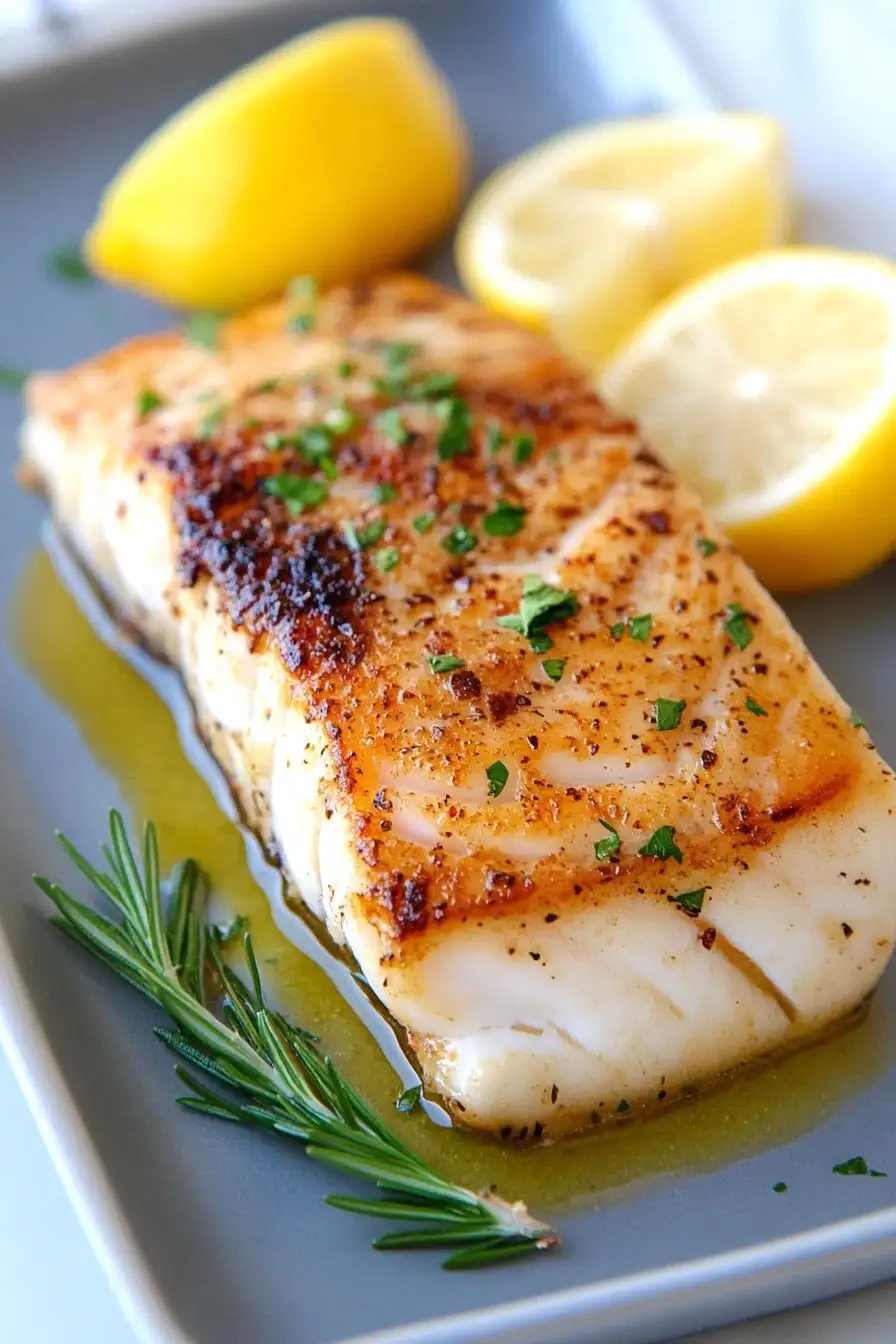
Why You’ll Love This Garlic Butter Halibut
- Quick preparation – This elegant fish dinner comes together in just 20-30 minutes, making it perfect for both busy weeknights and last-minute dinner guests.
- Restaurant-quality results – The combination of garlic butter and perfectly cooked halibut gives you the same quality you’d expect at a seafood restaurant, right in your own kitchen.
- Healthy main dish – Halibut is naturally lean and packed with protein, while also being rich in omega-3 fatty acids and essential nutrients.
- Simple ingredients – You’ll only need a handful of basic ingredients that are easy to find at any grocery store – perfect for when you want something special without a complicated shopping list.
What Kind of Halibut Should I Use?
Fresh Pacific halibut is your best bet for this recipe, though Atlantic halibut will work just as well if that’s what’s available at your fish counter. If you’re buying fresh, look for fillets that are firm to the touch and have a clean, ocean-like smell – any fishy odors are a red flag. While fresh is fantastic, don’t rule out frozen halibut, which is often frozen right after catching to maintain quality. Just make sure to thaw it slowly in the refrigerator overnight rather than using quick-thaw methods. For the most even cooking, try to choose fillets that are similar in thickness, ideally about 1 to 1½ inches thick.
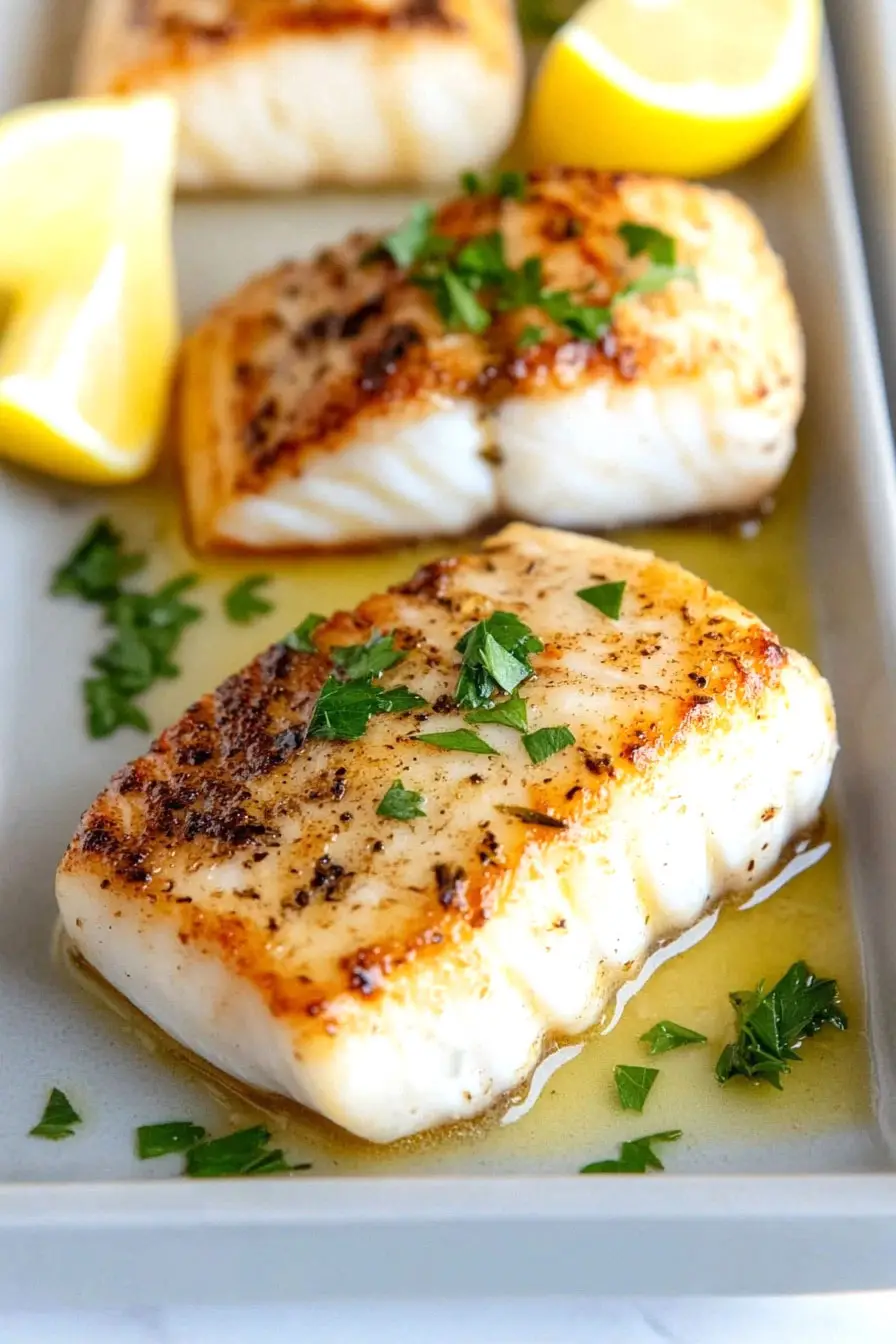
Options for Substitutions
This recipe is pretty flexible and you can make several swaps if needed:
- Halibut: While halibut makes for a great meal, it can be pricey. You can use other firm white fish like cod, haddock, or sea bass. Just keep in mind that cooking times might need to be adjusted – thinner fillets will cook faster.
- Fresh garlic: No fresh garlic? Use 1 teaspoon of garlic powder instead. Though fresh is better here, powdered garlic will still give you good flavor.
- Fresh parsley: You can swap fresh parsley with dried (use 1 teaspoon) or try other fresh herbs like dill or chives for a different flavor profile.
- Olive oil: Any neutral cooking oil works here – try avocado oil, grapeseed oil, or even melted butter if you want extra richness.
- Lemon: If you’re out of fresh lemon, you can use 2 tablespoons of bottled lemon juice, though fresh really does work best for this recipe.
- Butter: For a dairy-free version, try ghee or olive oil, though you’ll miss some of that classic buttery taste.
Watch Out for These Mistakes While Cooking
The biggest mistake when cooking halibut is overcooking, which can turn this delicate fish from moist and flaky to dry and tough in just a matter of minutes – aim for an internal temperature of 135°F and remember that the fish will continue cooking even after you remove it from the heat. Another common error is moving the fish too much while it’s cooking; let it develop a nice golden crust by leaving it undisturbed for 3-4 minutes on each side. To prevent the garlic from burning and becoming bitter, add it to the butter mixture towards the end of cooking, as burnt garlic can ruin the entire dish. For the best results, pat the halibut fillets completely dry before seasoning and make sure your pan is properly heated before adding the fish – you should hear a gentle sizzle when the fillet hits the surface.
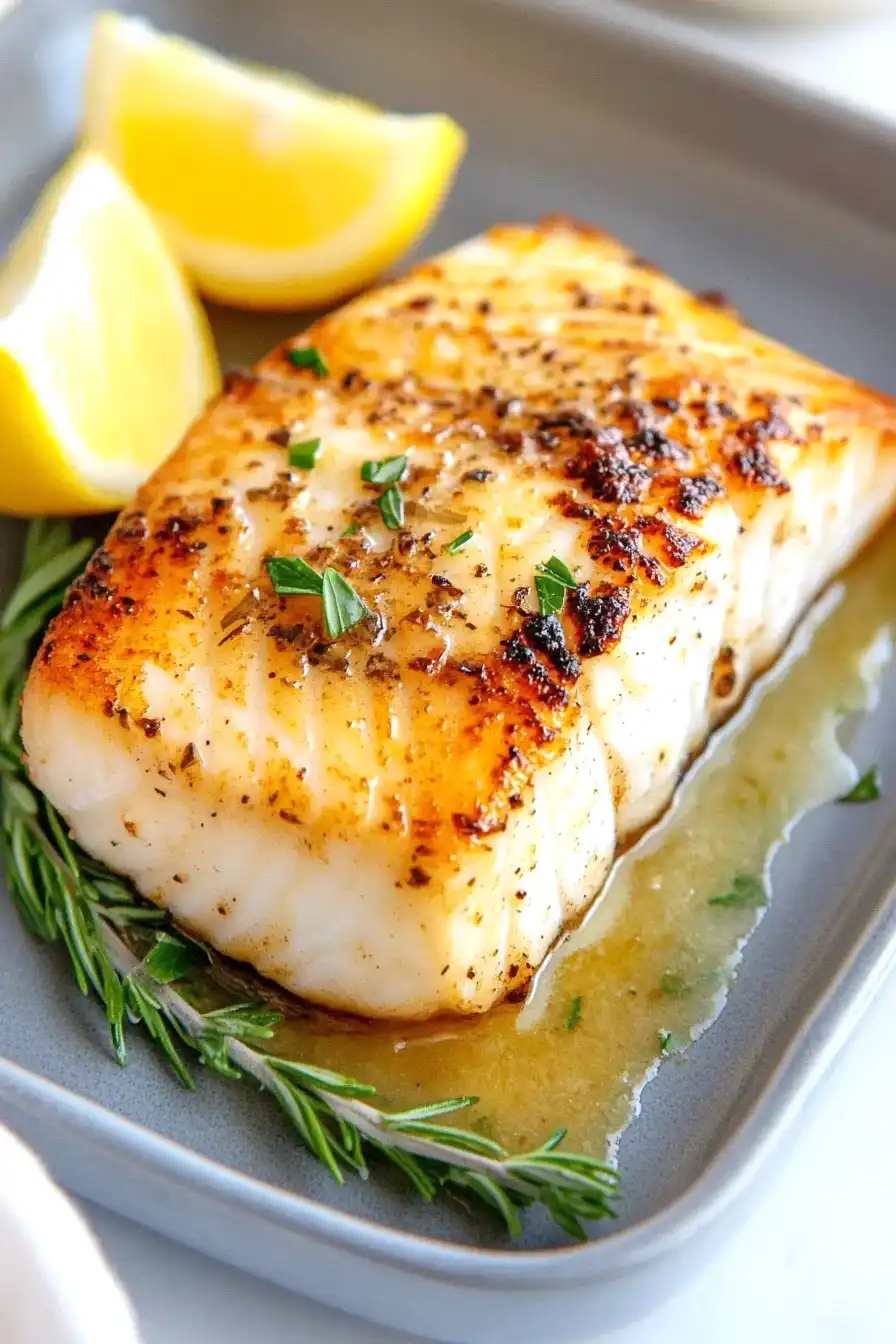
What to Serve With Halibut?
This buttery, garlic-infused halibut pairs wonderfully with simple sides that let the fish remain the star of the show. A bed of fluffy rice pilaf or roasted baby potatoes makes a perfect base to soak up all that tasty garlic butter sauce. For vegetables, try roasted asparagus, sautéed green beans, or a mix of colorful roasted vegetables – they’ll complement the fish without overwhelming its mild flavor. If you want to keep things light and fresh, a simple green salad with lemon vinaigrette or steamed broccoli with a squeeze of lemon works beautifully alongside this dish.
Storage Instructions
Keep Fresh: If you have any leftover garlic butter halibut, place it in an airtight container and pop it in the fridge. It’ll stay good for up to 2 days, though fish is always best enjoyed fresh. The garlic butter sauce can be stored separately in the fridge for up to 5 days.
Make Ahead: You can mix up the garlic butter sauce a day in advance and keep it in the fridge. When you’re ready to cook, just warm it up slightly. The seasoning mix for the halibut can also be prepared ahead and stored in a sealed container at room temperature.
Warm Up: To enjoy leftover halibut, gently warm it in the microwave at 50% power in 30-second intervals until just heated through. You can also warm it in a covered skillet over low heat with a splash of water to keep it moist. Be careful not to overheat, as fish can quickly become dry.
| Preparation Time | 10-15 minutes |
| Cooking Time | 10-15 minutes |
| Total Time | 20-30 minutes |
| Level of Difficulty | Medium |
Estimated Nutrition
Estimated nutrition for the whole recipe (without optional ingredients):
- Calories: 1000-1100
- Protein: 100-110 g
- Fat: 70-80 g
- Carbohydrates: 0-5 g
Ingredients
For the halibut:
- 1/2 tsp paprika
- 4 halibut fillets (6 oz each)
- 1 tsp sea salt (fine grain preferred for even seasoning)
- 1/2 tsp garlic powder
- 1/4 tsp black pepper
- 2 tbsp olive oil (I use California Olive Ranch extra virgin olive oil)
For the lemon garlic butter sauce:
- 1 tbsp fresh parsley (finely chopped)
- 2 tbsp fresh garlic (minced; about 4-5 cloves)
- 1 medium lemon (for both juice and zest)
- 3 tbsp melted butter (I like Kerrygold unsalted butter for this)
- 1/4 tsp pepper
- 1/4 tsp salt
Step 1: Prepare the Halibut
Begin by patting dry the halibut fillets with paper towels to remove as much moisture as possible.
This will help achieve a nice, golden crust when searing.
Season the fillets generously with garlic powder, paprika, pepper, and sea salt to taste.
Step 2: Sear the Halibut
Heat olive oil or butter in a large non-stick skillet over medium-high heat.
Once the oil or butter is hot, carefully place the seasoned halibut fillets in the pan.
Allow the fish to sear undisturbed for 4 minutes, developing a golden crust and turning opaque around the edges.
Step 3: Finish Cooking the Halibut
After 4 minutes, carefully flip the halibut fillets using a spatula.
Continue to cook for an additional 3-4 minutes, or until the fish is cooked through and flakes easily with a fork.
Once done, remove the halibut from the pan and keep warm.
Step 4: Make the Lemon Butter Sauce
In the same skillet, melt a bit of butter.
Add minced garlic and cook for approximately 30 seconds until fragrant, being careful not to burn it.
Pour in the lemon juice and season with salt and pepper.
Let the sauce simmer for a few minutes to blend the flavors.
Step 5: Serve
Place the cooked halibut fillets on a serving plate.
Drizzle the warm lemon butter sauce over the fish before serving.
This dish can be enjoyed with or without the garlic in the sauce, depending on personal preference, as the lemon sauce is delightful either way.