Love houseplants?
Beware: some might be hiding dangers!
Discover 16 popular houseplants that could pose risks.
Curious to know which ones?
Let’s uncover the hidden hazards together!
1. Peace Lily
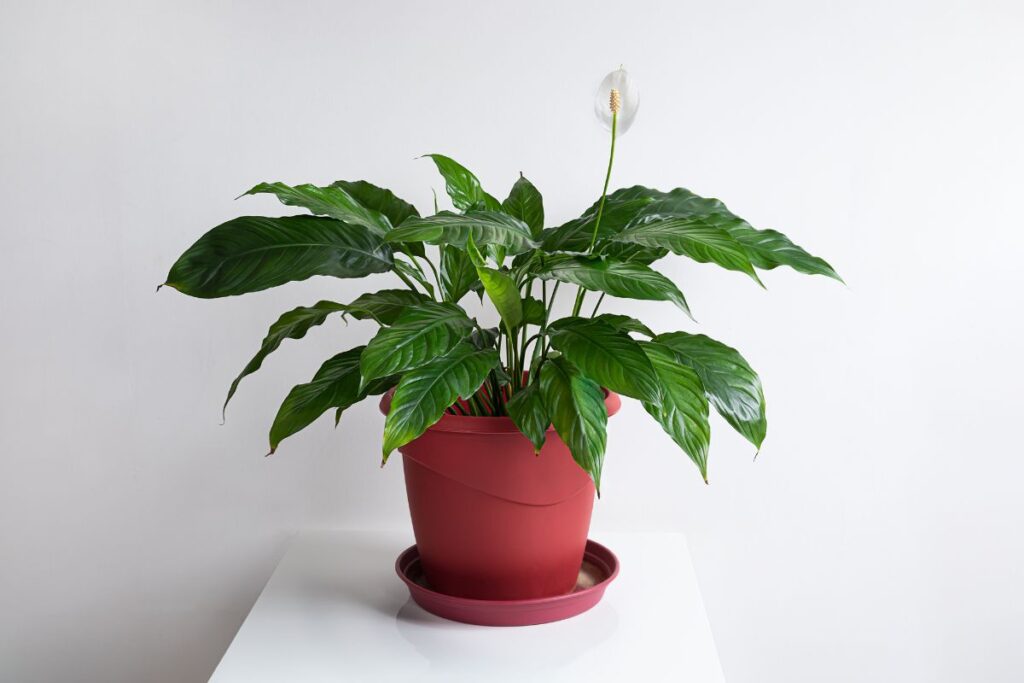
The Peace Lily, despite its name, isn’t as serene as it sounds! These lovely plants are a favorite in many homes, but they’re not as innocent as they appear. Accidentally consuming any part of this plant can lead to severe mouth ulcers, nausea, and trouble swallowing. This is because Peace Lilies contain insoluble calcium oxalates, which are harmful to both humans and pets. To prevent any mishaps, keep your Peace Lily high and out of reach from children and pets.
TIP: If you’re interested in growing these beauties, check out guides on the various stunning Peace Lily types and growth tips to ensure your plant thrives safely in your home.
2. Dumb Cane Plant
Dumb cane is a low-maintenance plant that doesn’t need drainage holes. While it may seem like a simple addition to your home, it carries hidden dangers. The leaves contain calcium oxalate crystals, similar to Peace lilies. If ingested, these crystals can cause temporary paralysis of the mouth, tongue, throat, and vocal cords. Contact with the eyes can lead to swollen eyelids and temporary vision loss.
To keep your home safe, ensure this plant stays out of reach of children and pets. Dumb cane’s attractive variegated leaves can tempt curious hands and mouths, so placement is key for a worry-free environment.
3. Sago Palm
Sago palm is a striking plant that looks wonderful in a decorative pot, adding a touch of elegance to your space. Yet, beware, it comes with a significant warning, especially for pet owners. This plant includes cycasin, a toxin that can cause severe digestive issues, seizures, and liver failure if eaten. Dogs are particularly at risk since the symptoms appear rapidly and can quickly escalate if not treated.
4. Aloe Vera

Aloe vera can be a bit tricky despite its healing reputation. If the gel isn’t extracted properly, it could lead to a not-so-pleasant experience. You can’t just chop off a leaf and eat it; it needs careful preparation. Unprocessed Aloe acts like a laxative, potentially causing digestive distress.
When using Aloe, make sure to avoid the yellow latex layer just beneath the skin. This layer contains aloin, a compound that can make you feel quite uncomfortable. Thoroughly washing the gel and keeping kids and pets away from the leaves is essential. Imagine the mess if they got into it!
Related: How To Make And Use Aloe Vera Foliar Spray To Nurture Your Plants
5. Rubber Plant
Pruning your Rubber plant (Ficus elastica) can be a bit messy due to the white, sticky sap that it’s known for. This sap isn’t just annoying; it’s also toxic. Because it contains ficusin, you definitely want to wear gloves when handling the plant to avoid skin irritation. Additionally, be cautious not to ingest the sap as it can cause stomach issues. Always handle with care!
6. Snake Plant
Snake plants are popular for their sleek, sword-like leaves and low upkeep. Besides their visual appeal, they also help in purifying indoor air. Be cautious, though: these plants contain saponins, which are mildly toxic and can act as a laxative if ingested. It’s important to keep them out of reach from pets and children to prevent any accidents.
7. Lily Of The Valley
Lily of the Valley, while stunning, is super toxic. It contains cardiac glycosides that can lead to nausea, vomiting, and more severe issues like a slowing heart rate. Keep this pretty plant far away from pets and people!
8. Philodendron
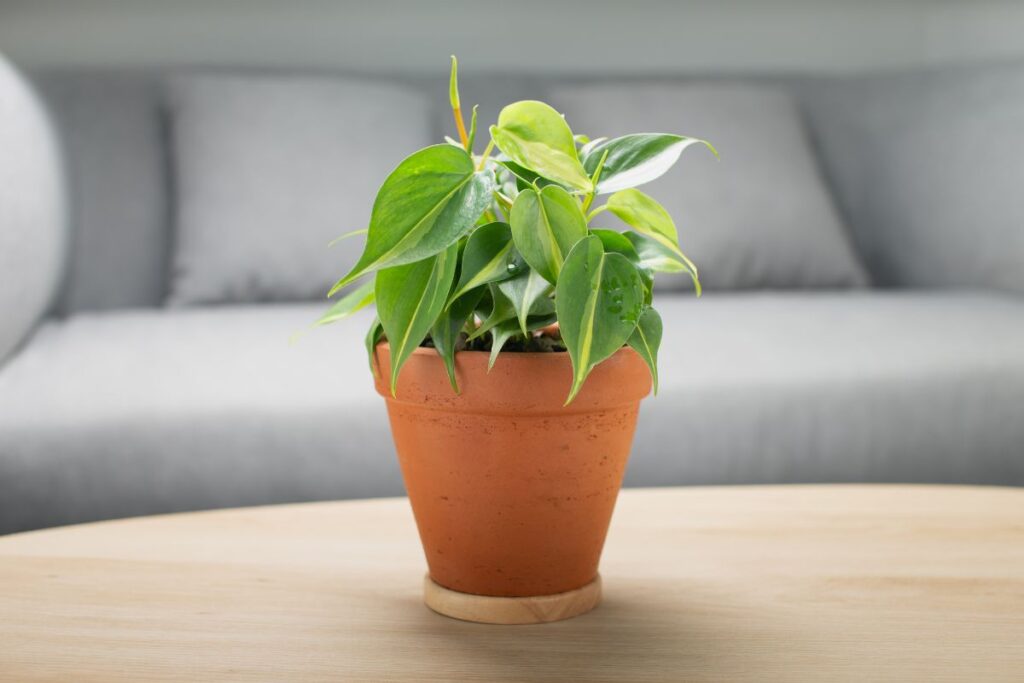
Philodendrons may look tasty with their vibrant colors and smooth leaves, but eating them is not a great idea. These popular houseplants contain calcium oxalate crystals, which can cause a burning feeling in your mouth and stomach if ingested. Swallowing can also become difficult. So, it’s best to admire their beauty without reaching for a fork and knife.
9. Pothos
Pothos, also called Devil’s ivy, is a fun plant that kids often try to nibble on. The name is fitting – it contains calcium oxalate crystals, which cause a burning feeling and swelling. If you truly love pothos, check out these 19 different types that are absolutely stunning.
10. English Ivy
English Ivy is a favorite among gardeners for both indoor and outdoor use. It contains triterpenoid saponins which act as laxatives if ingested. This plant is quite aggressive and can overtake your garden, potentially suffocating other plants. Be cautious when deciding to grow it.
11. Alocasia
Alocasias are stunning plants with large leaves that make an impressive indoor statement. Be cautious: they contain oxalates that can cause burning, swelling, diarrhea, nausea, and vomiting.
12. Euphorbia
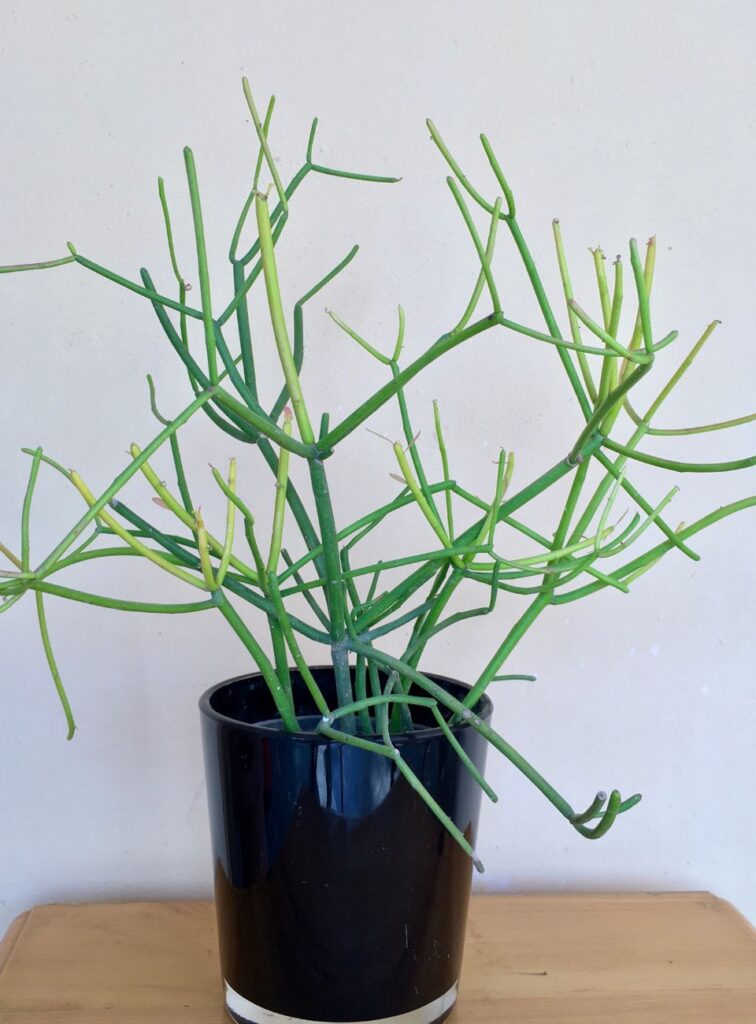
Euphorbia, also called Crown of Thorns, is a succulent that produces a latex sap known to irritate the skin. You should definitely avoid ingesting it, as it can make you sick. Since the plant looks intimidating, it’s unlikely anyone would try to eat it, but it’s still a good idea to keep it out of reach.
13. ZZ Plant
The ZZ plant is a favorite among houseplants for its low-maintenance needs. It can thrive in various light conditions, making it a versatile choice for different spaces. However, be cautious as this plant carries calcium oxalate crystals which can cause issues if ingested. Those large, potato-like things in the soil? They’re rhizomes, and definitely not for eating!
Related: What A ZZ Plant Bulb Is And The Best Ways To Use It
14. Cyclamen
Cyclamen are stunning plants, but they come with a big warning. The flowers contain cycline, a substance that is highly toxic and can be fatal in serious cases. It’s best to keep these plant beauties out of your home and garden.
15. Kalanchoe
You see these plants everywhere in garden centers as winter arrives, bringing a splash of color to brighten up homes. Be cautious, though—Kalanchoe contains bufadienolide, which can lead to heart problems and stomach issues if ingested. If someone, whether human or pet, happens to nibble on one of these, seek medical help immediately!
16. Oleander
Oleander, often dubbed the king of toxic plants, is incredibly dangerous. Consuming any part of this plant can cause severe heart problems and can be fatal even in small amounts. While it’s an attractive shrub often grown outdoors, it’s also popular as an indoor plant. Despite its beauty, Oleander is highly poisonous and should be kept out of reach of pets and children.