I thought gluten-free cookies would never taste like the real thing until I finally cracked the code with these snickerdoodles. For years, every batch I made came out either too crumbly or weirdly chewy. Nothing like the soft, cinnamon-sugar classics I remembered.
The secret turned out to be simple—the right blend of gluten-free flours and not overthinking it. These cookies have that perfect tender bite and warm spice flavor that makes snickerdoodles so good. Plus, nobody will guess they’re gluten-free unless you tell them.

Why You’ll Love These Gluten-Free Snickerdoodle Cookies
- Naturally gluten-free – Made with almond flour instead of regular flour, these cookies are perfect for anyone avoiding gluten without sacrificing that classic snickerdoodle taste.
- Quick and easy – Ready in just 20-30 minutes from start to finish, these cookies are perfect when you need a sweet treat fast.
- Simple pantry ingredients – You probably already have most of these ingredients at home, making this recipe super convenient for spontaneous baking.
- Classic cinnamon sugar flavor – That warm, spicy cinnamon coating gives you all the nostalgic snickerdoodle vibes you’re craving.
- Healthier alternative – Using coconut oil and coconut sugar instead of butter and white sugar makes these cookies a bit more wholesome than traditional versions.
What Kind of Almond Flour Should I Use?
For these gluten-free snickerdoodle cookies, you’ll want to use blanched almond flour rather than almond meal for the best results. Blanched almond flour is made from almonds with the skins removed, giving you a finer texture and lighter color that works perfectly for cookies. You can find it in most grocery stores, often in the baking aisle or health food section. If you can only find almond meal (which includes the skins), your cookies will still taste great but might have a slightly grittier texture and darker appearance. Store-bought brands like Bob’s Red Mill or Anthony’s work well, but make sure the package says “blanched” for the smoothest cookie texture.
Options for Substitutions
This gluten-free recipe is pretty adaptable, but here are some swaps you can make:
- Almond flour: You can substitute with other nut flours like hazelnut or pecan flour in a 1:1 ratio. For a nut-free option, try sunflower seed flour, but the cookies may spread a bit more and have a slightly different texture.
- Coconut oil: Butter works great here – use the same amount but make sure it’s softened. You can also try avocado oil or melted ghee for dairy-free options.
- Coconut sugar: Regular granulated sugar or brown sugar work perfectly as 1:1 substitutes. Brown sugar will make the cookies a bit chewier and add a deeper flavor.
- Egg: For egg-free cookies, try 1 tablespoon of ground flaxseed mixed with 3 tablespoons of water (let it sit for 5 minutes until gel-like). The texture will be slightly different but still tasty.
- Lemon juice: Apple cider vinegar works as a substitute here – it helps activate the baking powder just like the lemon juice does.
- Cinnamon sugar coating: Feel free to mix up the coating with different spices like cardamom, nutmeg, or even a pinch of ginger for a fun twist on the classic snickerdoodle flavor.
Watch Out for These Mistakes While Baking
The biggest mistake with gluten-free snickerdoodles is using cold coconut oil, which creates a crumbly dough that won’t hold together – make sure your coconut oil is soft but not melted for the perfect texture.
Another common error is skipping the room temperature egg, as cold eggs don’t mix well with coconut oil and can cause the dough to seize up or become lumpy.
Don’t forget to chill your dough for at least 30 minutes before rolling and coating in cinnamon sugar, as this prevents the cookies from spreading too much and helps them keep their classic snickerdoodle shape.
Finally, resist the urge to overbake these cookies – they should look slightly underdone when you pull them out since they’ll continue cooking on the hot pan and become perfectly chewy once cooled.
What to Serve With Gluten-Free Snickerdoodle Cookies?
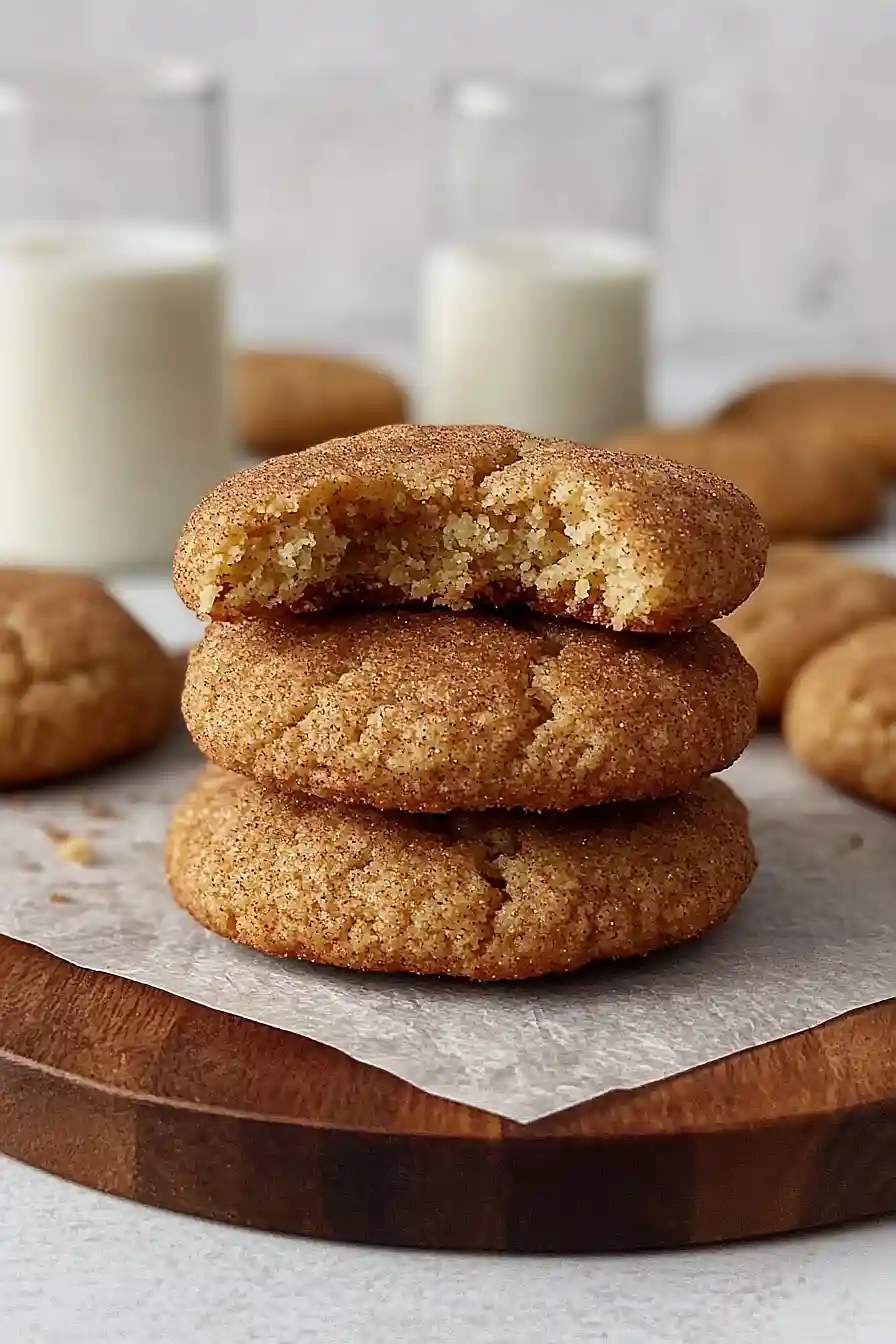
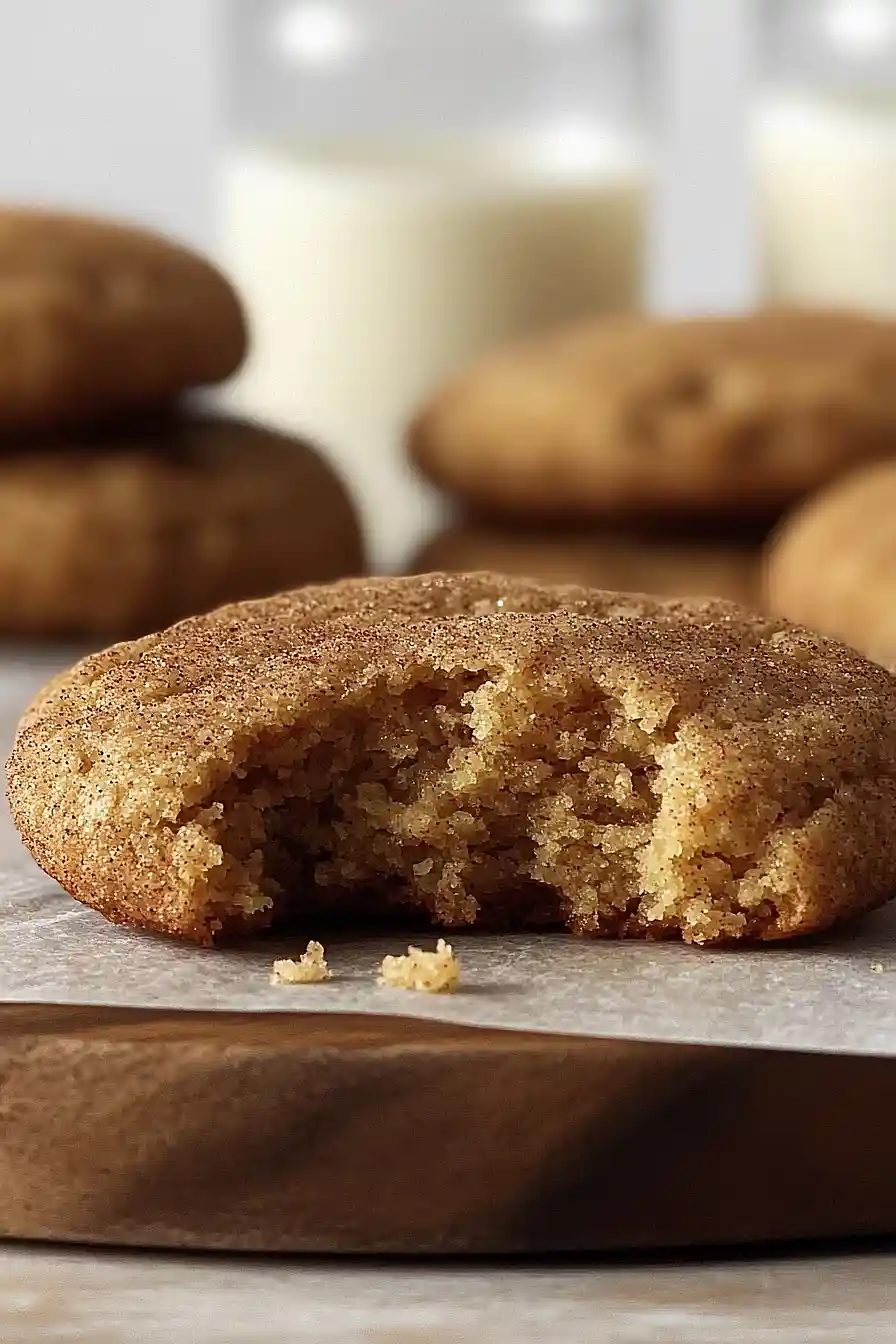
These soft, cinnamon-sugar cookies are perfect on their own, but they really shine when paired with a cold glass of milk or your favorite coffee. I love serving them alongside vanilla ice cream for an easy dessert, or you can crumble them over Greek yogurt for a sweet breakfast treat. They also make a great addition to a cookie platter with other gluten-free treats, and the warm cinnamon flavor pairs beautifully with hot apple cider during the fall months. For something extra special, try sandwiching some cream cheese frosting between two cookies to make little cookie sandwiches.
Storage Instructions
Store: These snickerdoodle cookies stay soft and chewy when kept in an airtight container at room temperature for up to a week. I like to toss a piece of bread in the container to help keep them extra soft – just replace the bread slice every couple days.
Freeze: You can freeze the baked cookies in a freezer-safe container for up to 3 months, or freeze the cookie dough balls on a baking sheet before rolling in cinnamon sugar. Once frozen solid, transfer the dough balls to a zip-top bag and bake straight from frozen when you’re craving fresh cookies.
Enjoy: Frozen cookies taste great at room temperature after thawing for about 30 minutes. If you want them warm and fresh-tasting, pop them in a 300°F oven for just 3-5 minutes to bring back that just-baked texture and make your kitchen smell amazing again.
| Preparation Time | 10-15 minutes |
| Cooking Time | 10-15 minutes |
| Total Time | 20-30 minutes |
| Level of Difficulty | Easy |
Estimated Nutrition
Estimated nutrition for the whole recipe (without optional ingredients):
- Calories: 1800-1950
- Protein: 28-34 g
- Fat: 125-135 g
- Carbohydrates: 155-170 g
Ingredients
For the cookie dough:
- 1 egg (room temperature, about 70°F, for better emulsion)
- 1/2 cup coconut sugar
- 1/3 cup coconut oil (softened, use refined for neutral flavor)
- 2 1/4 cups almond flour
- 1/4 tsp salt
- 2 tsp lemon juice (freshly squeezed for best flavor)
- 1 tsp baking powder
- 1 1/2 tsp vanilla extract
For the coating:
- 2 tbsp sugar
- 1 tbsp ground cinnamon (I use McCormick cinnamon)
Step 1: Preheat the Oven and Prepare Ingredients
- 2 1/4 cups almond flour
- 1/3 cup coconut oil, softened (refined for neutral flavor)
- 1/2 cup coconut sugar
- 1 egg, room temperature
- 2 tsp lemon juice, freshly squeezed
- 1 1/2 tsp vanilla extract
- 1 tsp baking powder
- 1/4 tsp salt
Preheat your oven to 350°F (175°C) so it reaches the proper baking temperature while you prepare the cookie dough.
Measure out all ingredients to ensure a smooth workflow.
Step 2: Mix Wet Ingredients
- 1 egg, room temperature
- 1/3 cup coconut oil, softened (refined for neutral flavor)
- 1/2 cup coconut sugar
- 1 1/2 tsp vanilla extract
In a medium-sized bowl, whisk together the room temperature egg, softened coconut oil, coconut sugar, and vanilla extract until the mixture is smooth and well combined.
Step 3: Combine Dry Ingredients and Form Dough
- 2 1/4 cups almond flour
- 1 tsp baking powder
- 2 tsp lemon juice, freshly squeezed
- 1/4 tsp salt
Gently fold the almond flour, baking powder, lemon juice, and salt into the wet mixture.
Mix until a soft dough forms with no streaks of dry ingredients remaining.
If the dough feels sticky, you can refrigerate it for 10-15 minutes for easier handling—I find this makes shaping the cookies much simpler.
Step 4: Form Cookies and Coat in Cinnamon Sugar
- 2 tbsp sugar (granulated, brown, or coconut)
- 1 tbsp ground cinnamon
- cookie dough from Step 3
Line a baking tray with parchment paper.
In a small bowl, mix together the granulated sugar and ground cinnamon to make the cinnamon sugar coating.
Scoop out 2 tablespoons of dough per cookie, roll into balls, and then roll each ball in the cinnamon sugar mixture.
Place the coated balls on the prepared baking sheet, spacing them about 1 inch apart.
Step 5: Bake and Flatten Cookies
- cookie dough balls coated in cinnamon sugar from Step 4
Bake the cookies in the preheated oven for 10 minutes, or until lightly golden around the edges.
If the cookies have not spread enough, gently press down in the center with a spoon to flatten slightly.
I like to do this for a perfect, classic cookie shape.
Step 6: Cool and Store Cookies
Allow the cookies to cool on the baking tray for 10 minutes before transferring them to a wire rack.
Once completely cool, store in an airtight container for up to 1 week, or freeze for up to 3 months.