Growing up in an American household, I never knew about Humba until my neighbor shared some with me a few years ago. This Filipino dish of braised pork belly has since become a regular at our family table. It’s one of those recipes that fills your kitchen with the most wonderful smell while it cooks – sweet, savory, and just a bit tangy.
What I really like about Humba is how simple it is to put together, even though the flavors are complex. Just toss everything in the pot and let it do its thing. The pork belly gets so tender it practically melts in your mouth, and the sauce? Well, let’s just say you’ll want extra rice to soak up every last drop.
I often make a big batch on Sunday afternoons. The leftovers taste even better the next day, which makes it perfect for busy weeknight dinners. If you’re new to Filipino cooking like I was, this is a great recipe to start with.
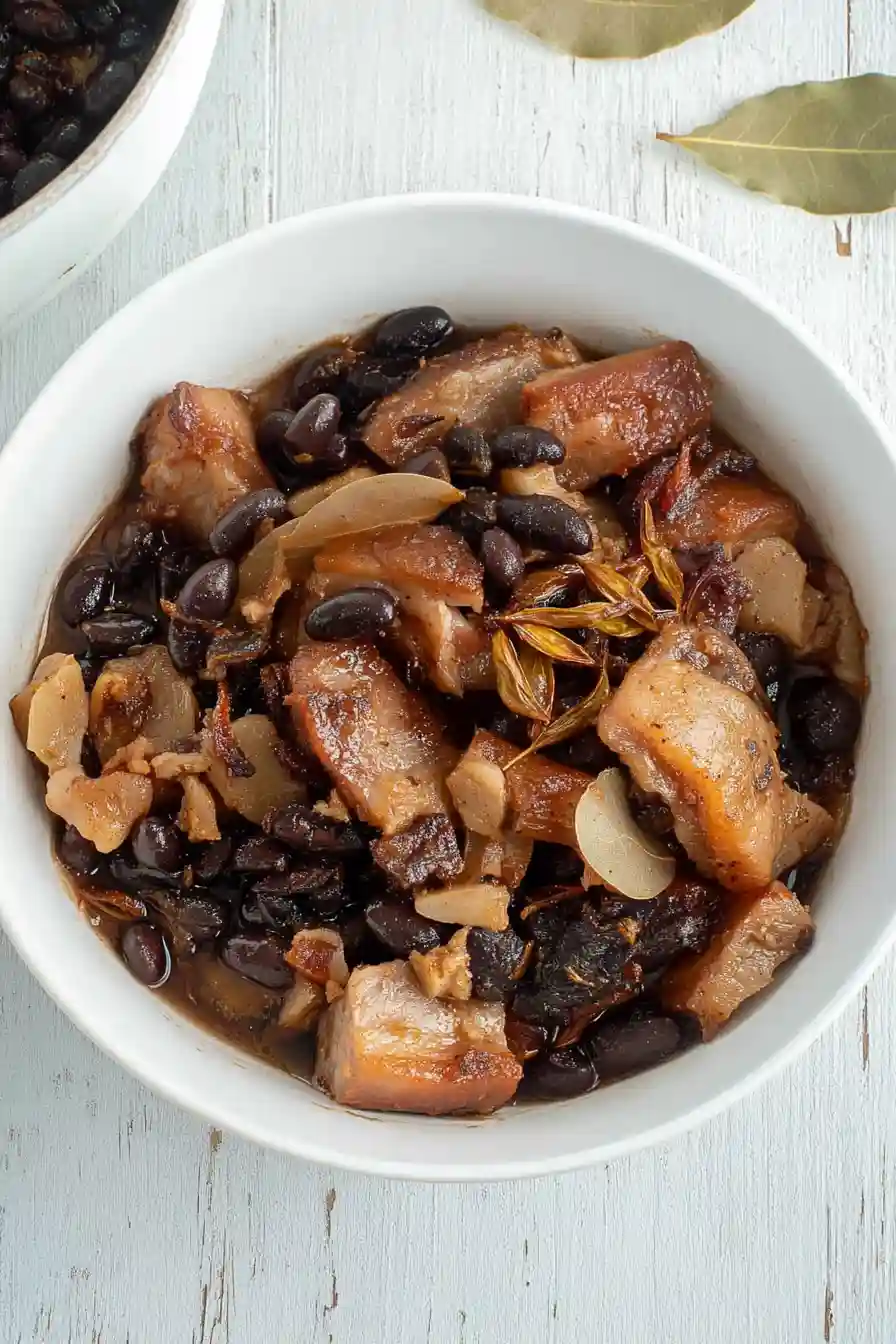
Why You’ll Love This Pork Belly Humba
- Rich flavor combination – The mix of soy sauce, pineapple, and black beans creates a perfect balance of sweet, salty, and tangy flavors that make this Filipino dish truly special.
- Tender meat – The slow cooking process turns the pork belly incredibly soft and juicy, while the fat renders down to create melt-in-your-mouth bites.
- One-pot meal – Everything cooks in a single pot, which means less cleanup and more time to enjoy your meal.
- Make-ahead friendly – This dish actually tastes better the next day as the flavors continue to develop, making it perfect for meal prep or family gatherings.
- Authentic Filipino taste – With traditional ingredients like banana blossoms and black beans, you’ll get to experience a true taste of Filipino home cooking.
What Kind of Pork Belly Should I Use?
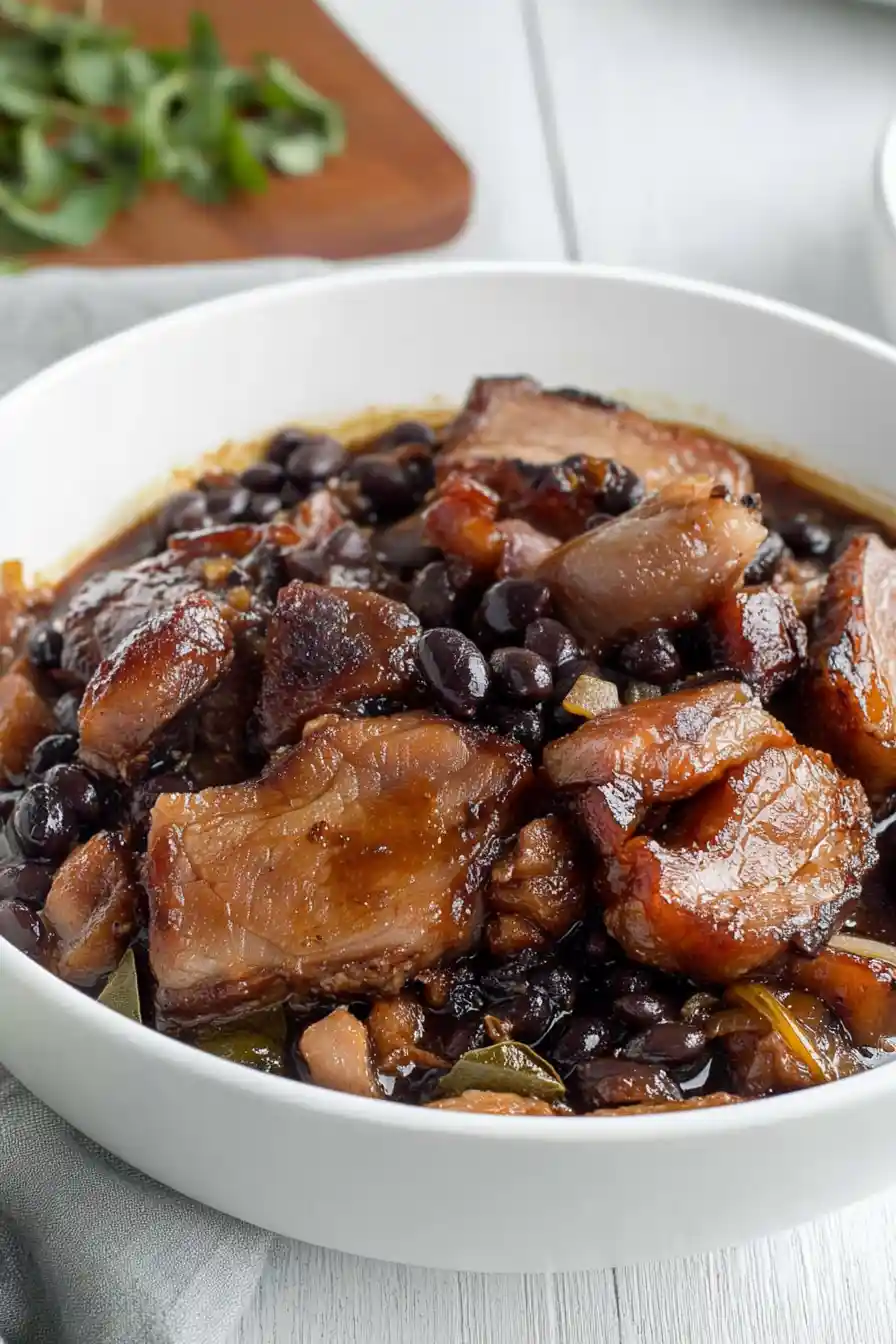
For humba, you’ll want to look for pork belly that has a good mix of meat and fat layers – this balance is key to getting that melt-in-your-mouth texture that makes this dish special. Fresh pork belly is available at most grocery stores, but Asian markets often have the best cuts for this particular dish. When selecting your piece, look for meat that’s pink with white fat layers and avoid any cuts that appear gray or have dark spots. It’s perfectly fine to ask your butcher to cut the belly into 1.5-inch cubes for you, but if you’re cutting it yourself, make sure the meat is slightly firm by chilling it in the fridge for about 30 minutes before cutting – this makes it much easier to get clean, even pieces.
Options for Substitutions
This Filipino dish is pretty adaptable and here are some helpful substitutions you can try:
- Pork belly: While pork belly gives the best flavor and texture, you can use pork shoulder or butt cut into similar-sized chunks. Just note that these cuts might be slightly less fatty and tender.
- Dried banana blossoms: If you can’t find dried banana blossoms, you can skip them or use canned banana blossoms (drained and rinsed). In a pinch, you could add some chopped cabbage for a similar texture, though the taste will be different.
- Salted black beans: These give a unique flavor, but if unavailable, you can use regular fermented black beans or add an extra tablespoon of soy sauce (though the taste won’t be exactly the same).
- Pineapple juice and pieces: Fresh pineapple is great, but canned pineapple and juice work just fine. If you don’t have pineapple, you can use apple juice mixed with a splash of lemon juice, though this will change the dish’s character somewhat.
- Vinegar: Rice vinegar is traditional, but white vinegar or apple cider vinegar can work too. Each type will bring its own subtle flavor difference.
- Brown sugar: You can replace this with palm sugar, coconut sugar, or even regular white sugar if needed.
Watch Out for These Mistakes While Cooking
The biggest challenge when cooking pork belly humba is rushing the cooking process – this cut needs time to become tender, so resist the urge to increase the heat to speed things up, as this will only result in tough, chewy meat.
A common error is skipping the step of properly browning the pork belly pieces before adding the liquid ingredients – taking an extra 5-7 minutes to sear the meat on all sides creates a richer flavor and better texture in the final dish.
When adding the black beans and pineapple, timing is crucial – add them too early and they’ll break down completely, so it’s best to introduce these ingredients during the last 15-20 minutes of cooking.
For the best balance of flavors, make sure to taste and adjust the seasoning gradually throughout cooking, as the soy sauce and salted black beans can make the dish too salty if you’re not careful with the proportions.
What to Serve With Pork Belly Humba?
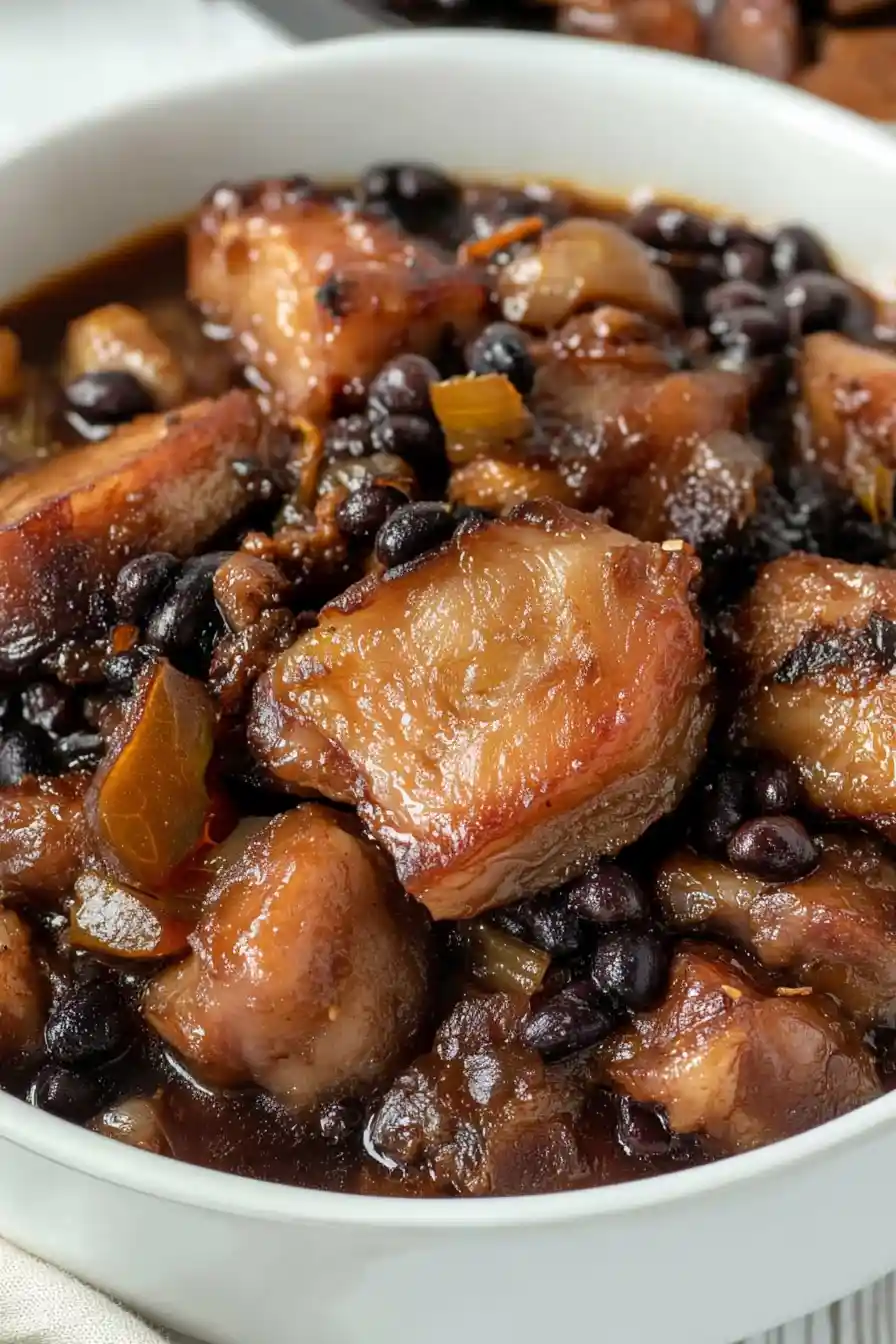
This Filipino braised pork dish calls for plenty of steamed white rice to soak up all that sweet and savory sauce! The rich, tender pork belly pairs perfectly with simple vegetable sides like stir-fried bok choy or Chinese broccoli to balance out the meal. I love serving it with pickled vegetables (atchara) on the side – the tangy crunch provides a nice contrast to the tender meat. For a complete Filipino feast, you can also add some lumpia (spring rolls) or pancit (noodles) as side dishes to round out your spread.
Storage Instructions
Keep Fresh: Got leftover humba? No problem! Place it in an airtight container and pop it in the fridge for up to 4 days. The flavors actually get better over time as the pork belly continues to soak up all those tasty juices. Just make sure to let it cool completely before storing.
Freeze: This Filipino dish freezes really well. Transfer it to a freezer-safe container, making sure to include the sauce, and it’ll keep for up to 3 months. I like to portion it out into smaller containers – perfect for when you need a quick meal!
Reheat: To warm up your humba, simply place it in a pot over low heat and stir occasionally until heated through. You can also use the microwave – just cover and heat in 1-minute intervals, stirring between each. If the sauce seems a bit thick, add a splash of water to thin it out.
| Preparation Time | 30-45 minutes |
| Cooking Time | 60-90 minutes |
| Total Time | 90-135 minutes |
| Level of Difficulty | Medium |
Estimated Nutrition
Estimated nutrition for the whole recipe (without optional ingredients):
- Calories: 2200-2500
- Protein: 130-150 g
- Fat: 180-200 g
- Carbohydrates: 100-120 g
Ingredients
For the marinade:
- 1 cup pineapple juice
- 1/4 cup vinegar
- 1/2 cup soy sauce
For the pork belly humba:
- 6 cloves garlic, finely chopped (freshly minced for best flavor)
- 1 can salted black beans (drained and rinsed well)
- salt as needed
- 1 tbsp brown sugar
- 2 lb pork belly (cut into 1.5-inch cubes for even cooking)
- 2 bay leaves
- 1 tbsp cooking oil (like a neutral vegetable oil)
- 1 tsp whole black peppercorns (freshly ground preferred for more aroma)
- 1 small onion, thinly sliced
- 1 oz dried banana blossoms
- 1 cup pineapple pieces (I use Dole canned pineapple chunks)
Step 1: Marinate the Pork
In a bowl, combine pork with vinegar, soy sauce, and pineapple juice.
Mix well to ensure the pork is fully coated in the marinade.
Place the bowl in the refrigerator and let the pork marinate for about 30 minutes.
Once marinated, drain the meat, making sure to reserve the marinade for later use.
Step 2: Sauté the Aromatics
In a wide pot over medium heat, heat some oil.
Add the onions and garlic, cooking while stirring occasionally until they become limp and aromatic.
This step will infuse the oil with flavors that will complement the pork.
Step 3: Cook the Pork
Add the marinated pork belly to the pot with the sautéed aromatics.
Cook while stirring occasionally until the pork is lightly browned on all sides.
This step helps to lock in the flavors and give a nice texture to the pork.
Step 4: Incorporate the Marinade
Pour the reserved marinade into the pot with the browned pork.
Allow it to come to a boil without stirring for about 2 to 3 minutes.
Then, add the peppercorns and bay leaf to the mix, enhancing the overall flavor profile.
Step 5: Add Remaining Ingredients
Add tausi, pineapple chunks, and banana blossoms to the pot.
Stir everything well to combine all the ingredients and to distribute the flavors evenly throughout the dish.
Step 6: Simmer and Finish the Dish
Lower the heat, cover the pot, and let it simmer until the pork becomes tender.
Add brown sugar and stir until it dissolves completely.
Season with salt to taste, adjusting to your preference.
Continue cooking until the liquid reduces and starts to render fat, creating a rich sauce.
Serve the dish hot, and enjoy your flavorful creation!