Nature is full of beautiful plants, but not all of them are safe to handle. Some can cause nasty rashes, burns, or even more serious problems if you touch them without knowing what they are. The scary part? Many of these dangerous plants look totally harmless and might already be growing in your yard or local park.
Before you start pulling weeds or exploring the outdoors, you need to know which plants to avoid. Let’s look at some common plants that can hurt you and how to spot them from a safe distance.
1.) Giant Hogweed
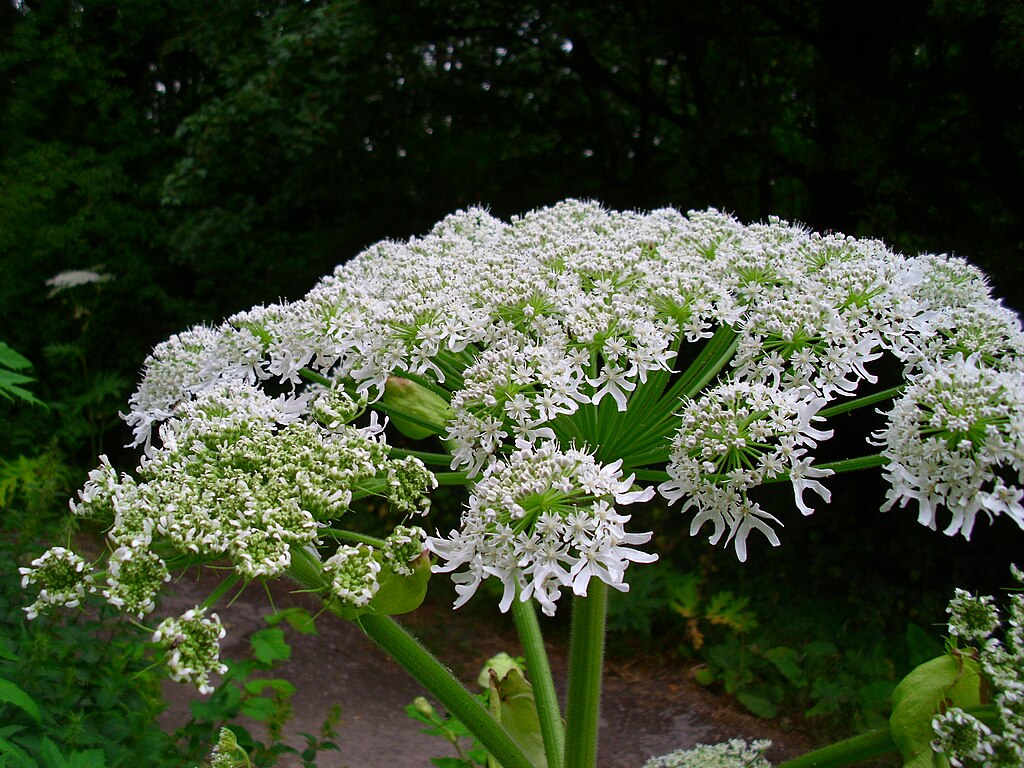
Giant Hogweed looks like an overgrown Queen Anne’s Lace, reaching heights of 15 feet with white umbrella-shaped flower clusters. It grows in moist areas along streams and roadsides across northern states, thriving in zones 3-8.
The real danger comes from its sap, which causes severe burns and blisters when exposed to sunlight. Even brushing against the plant can transfer enough sap to cause painful reactions lasting for months.
If you spot it, report it to local authorities and never try removing it yourself without full protective gear.
2.) Poison Ivy
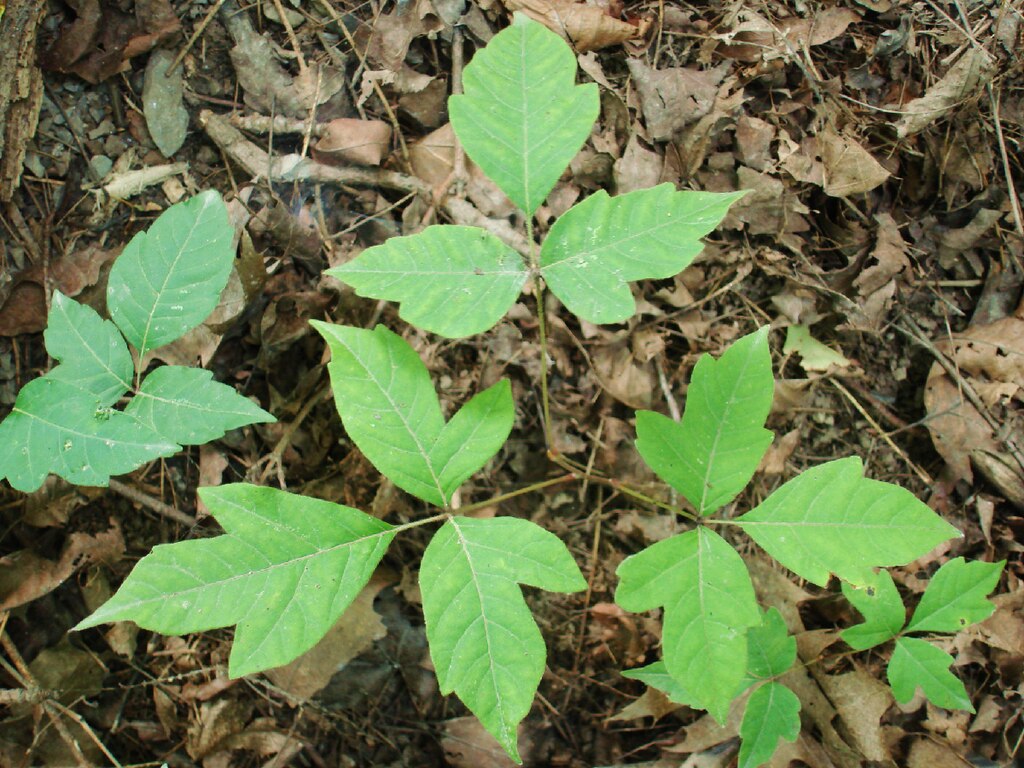
You’ve probably heard the saying “leaves of three, let it be,” and that’s your best defense against poison ivy. This plant grows as a vine or shrub throughout most of North America, thriving in wooded areas, along trails, and even in your backyard.
The leaves grow in clusters of three and turn reddish in fall. Contact with any part of the plant releases urushiol oil, which causes an itchy, blistering rash that can last for weeks.
If you spot it on your property, don’t try pulling it yourself. The oil stays active even on dead plants.
3.) Poison Oak

Poison oak grows wild across the western United States, typically in woody areas and along hiking trails. You’ll recognize it by its clusters of three oak-like leaves that turn reddish in fall. The plant contains urushiol oil, which causes severe itching and painful rashes that can last for weeks.
The saying “leaves of three, let it be” applies here. Poison oak can grow as a shrub or climbing vine, thriving in zones 5-10. Even dead plants remain toxic, so never burn them since the smoke can affect your lungs and eyes.
4.) Poison Sumac

Poison sumac grows in wet, swampy areas throughout the eastern United States, thriving in zones 3-8. You’ll find it along streams, ponds, and marshes where most other sumacs won’t grow. The plant produces small white berries that hang down in clusters, and its leaves turn red or orange in fall.
Each leaf has 7-13 smooth-edged leaflets arranged in pairs. The oil in this plant causes severe skin reactions that are worse than poison ivy. If you spot it in wet areas on your property, call a professional to remove it safely—don’t try this yourself.
5.) Stinging Nettle
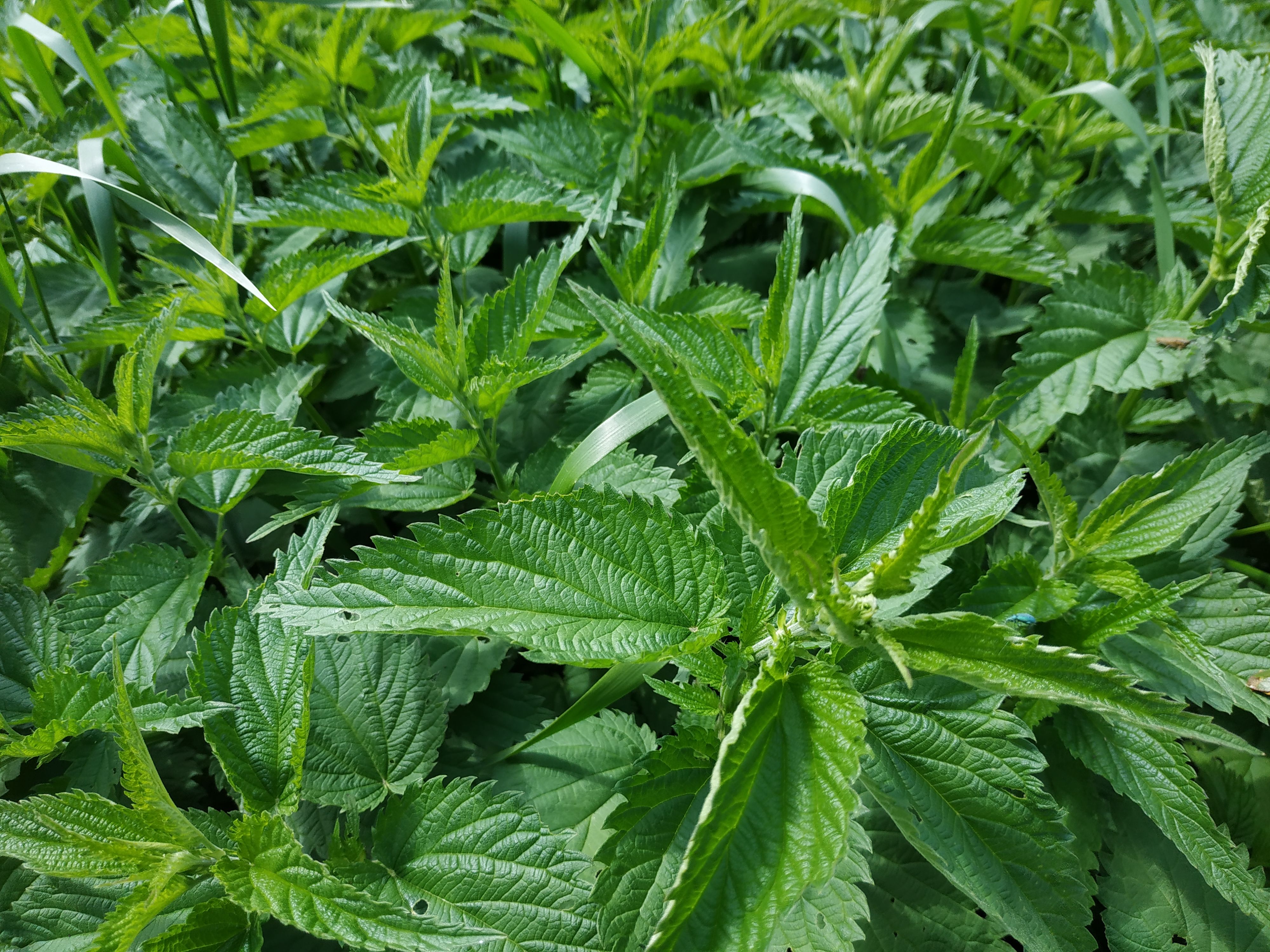
Stinging nettle grows wild across most of North America and thrives in damp soil near streams and forests. You’ll recognize it by its heart-shaped leaves with serrated edges and tiny hair-like needles covering the stems and leaf undersides.
Those tiny hairs inject histamine and other chemicals when touched, causing an immediate burning sensation and raised welts that can last for hours. The plant spreads quickly in zones 3-10 and often forms dense patches.
Wear gloves and long sleeves if you need to remove it from your garden.
6.) Manchineel Tree
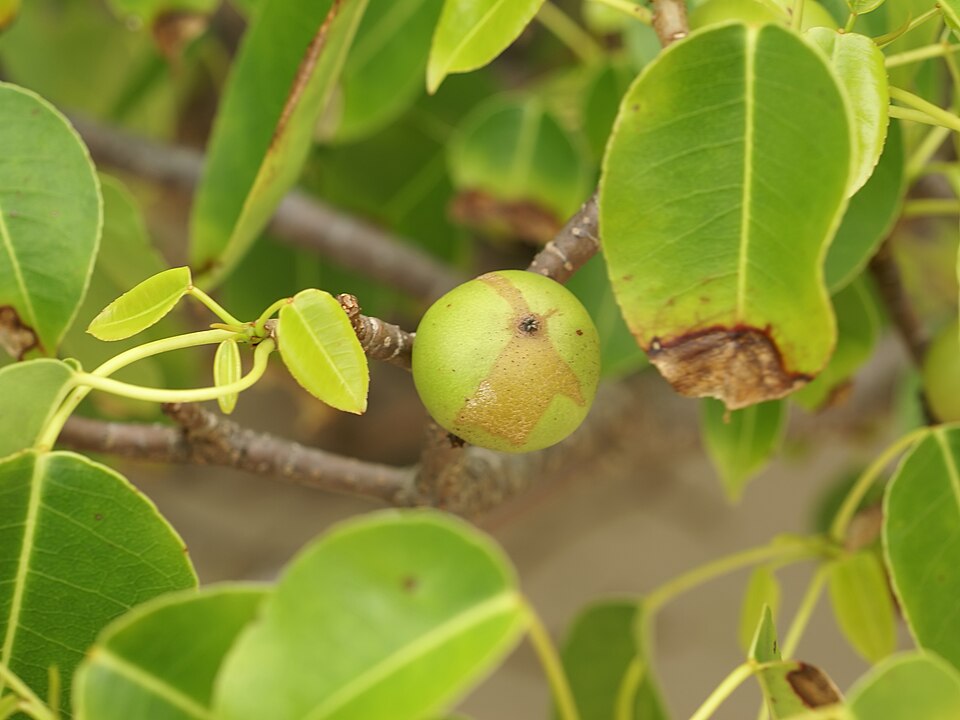
The manchineel tree grows along tropical beaches in Florida, the Caribbean, and Central America. Every single part of it is toxic—bark, leaves, and especially the small apple-like fruit. Even standing under it during rain can cause severe skin blistering from the sap dripping down.
You’ll find it in coastal areas and sandy soils near the ocean. Look for small green fruits that resemble crabapples and shiny green leaves. Many trees are marked with warning signs or red paint on the trunk.
If you spot one, keep your distance and warn others nearby.
7.) Gympie Gympie

The Gympie Gympie plant from Australia might look harmless with its soft, fuzzy leaves, but it’s actually one of the most painful plants on Earth. Those innocent-looking hairs contain a venom that causes burning pain for weeks or even months after contact.
You’ll find this plant in rainforests along Australia’s east coast. The heart-shaped leaves are covered in hollow, silica-tipped hairs that inject toxins when touched. If you’re hiking in Queensland or New South Wales, watch for these plants near creek beds and disturbed forest areas.
8.) Wild Parsnip

Wild parsnip looks a lot like Queen Anne’s lace with its yellow-green flower clusters and feathery leaves. It grows along roadsides and fields across most of North America, especially in sunny spots with disturbed soil. You’ll see it blooming from late spring through summer in zones 3-10.
The real danger comes from its sap. When it touches your skin and you’re exposed to sunlight, it causes serious burns and blisters that can last for months. The reaction is called phytophotodermatitis.
Always wear long sleeves and gloves if you need to remove it from your property.
9.) Angel’s Trumpet

Angel’s Trumpet might look pretty with its large, hanging flowers, but every part of this plant contains dangerous toxins. The trumpet-shaped blooms can be white, yellow, pink, or orange, and they often smell sweet at night. Just touching the leaves or flowers can irritate your skin, and eating any part can cause serious health problems.
This plant grows in zones 9-11 and prefers warm weather with partial shade. If you spot one in a garden or growing wild, keep your distance and definitely keep kids and pets away from it.
10.) Castor Bean Plant

The Castor Bean Plant grows tall spiky stalks with large palmate leaves that look tropical and interesting. You’ll spot it by its reddish-purple stems and seed pods covered in soft spines. It thrives in zones 9-11 but grows as an annual elsewhere.
Every part of this plant contains ricin, one of the deadliest natural toxins known. The seeds are especially dangerous if chewed or crushed. Just one seed can be fatal to a child, and three to four can kill an adult.
Keep this plant far away from kids and pets, or better yet, skip planting it altogether.