Here is my take on homemade mulberry kombucha, a fizzy fermented tea that combines fresh mulberries with traditional kombucha for a naturally sweet and refreshing drink.
This mulberry kombucha has become my go-to summer beverage, and I always keep a batch brewing in my kitchen. The best part? My kids love helping me bottle it up, and they get excited watching the bubbles form during fermentation.
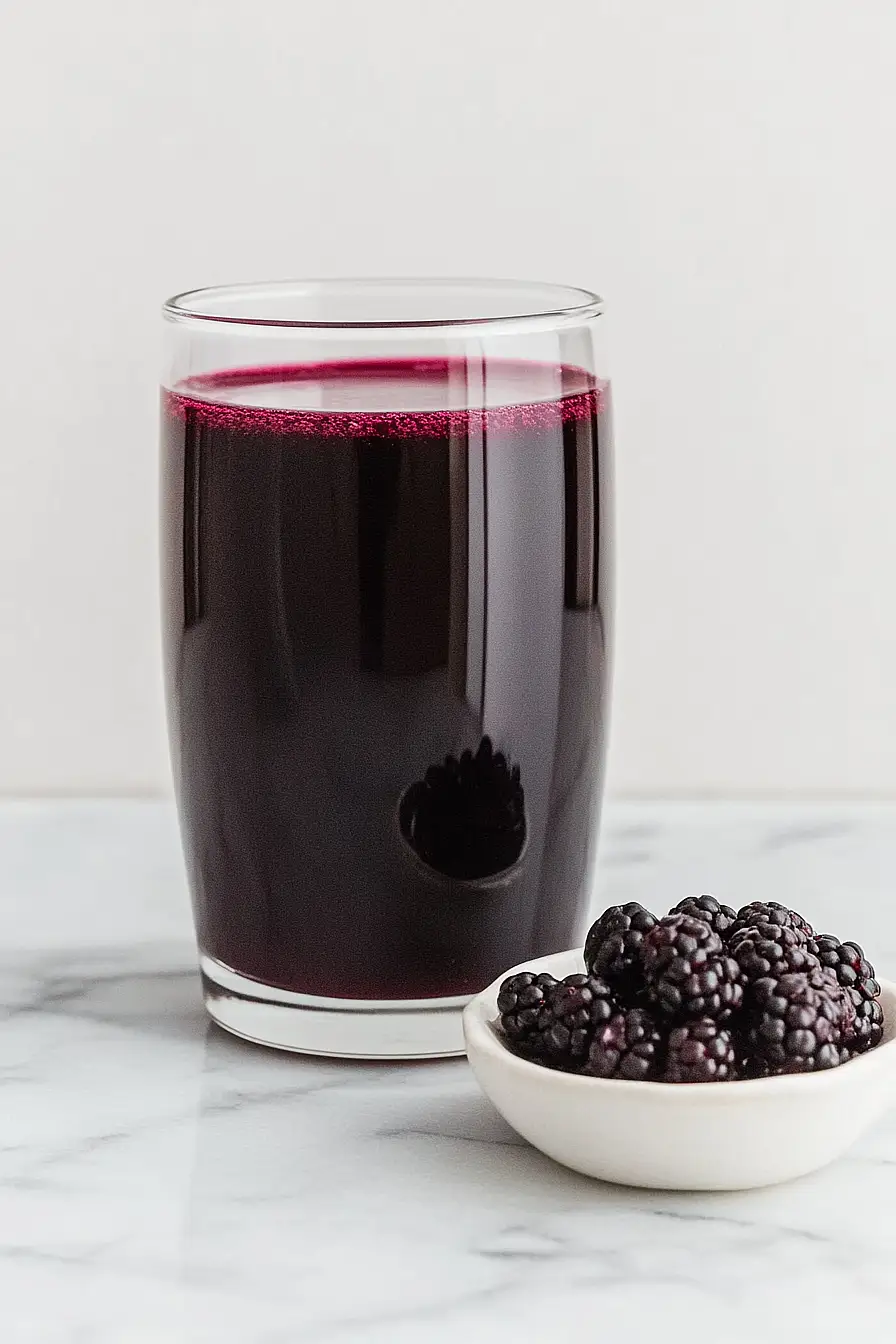
Why You’ll Love This Mulberry Kombucha
- Homemade probiotic drink – Making your own kombucha lets you control the ingredients and sugar content while getting all those good-for-your-gut probiotics.
- Cost-effective – Once you have your SCOBY, you can make endless batches of kombucha for a fraction of the store-bought price.
- Customizable flavoring – The mulberry addition gives a unique twist to traditional kombucha, and you can adjust the sweetness and fermentation time to match your taste preferences.
- Simple ingredients – With just tea, sugar, water, and mulberries, you’re creating a refreshing drink that’s free from artificial additives and preservatives.
- Sustainable drink option – Making kombucha at home reduces plastic waste from store-bought bottles, and your SCOBY will keep producing new batches indefinitely.
What Kind of Tea Should I Use?
For kombucha brewing, you’ll want to stick with plain, unflavored tea – avoid anything with oils or added flavors that could harm your SCOBY. Black tea is the traditional and most reliable choice, providing the nutrients your SCOBY needs to thrive, but you can also use a mix of black and green tea as mentioned in the recipe. Regular orange pekoe black tea works great, and for green tea, basic sencha is a solid choice. Just make sure to use organic tea when possible, since pesticides can interfere with fermentation. Skip the fancy stuff – your basic organic tea bags from the grocery store will do the job perfectly well.

Options for Substitutions
Making kombucha at home allows for some creative substitutions, though a few ingredients are absolute must-haves:
- Scoby and starter liquid: This is non-negotiable – you need both a healthy scoby and starter liquid to make kombucha. These can’t be substituted with anything else.
- Tea: While the recipe calls for black or green tea, you can experiment with different organic unflavored teas. Just avoid Earl Grey or strongly flavored teas as the oils can harm your scoby. Stick to plain black, green, or white tea.
- Raw sugar: You can swap raw sugar with plain white sugar or cane sugar. Honey isn’t recommended as it can harm the scoby. Avoid artificial sweeteners – the scoby needs real sugar to ferment properly.
- Mulberry puree: Don’t have mulberries? Try other fruit purees like strawberry, blueberry, or raspberry. You can use fresh or frozen fruit, just make sure to puree it well. Start with the same amount (2 tablespoons per bottle) and adjust to taste.
- Filtered water: If you don’t have filtered water, you can use spring water. Avoid tap water unless you let it sit out for 24 hours to remove chlorine, which can harm the scoby.
Watch Out for These Mistakes While Brewing
The biggest challenge when brewing kombucha is temperature control – keeping your brew between 68-78°F (20-26°C) is crucial, as too cold will slow fermentation while too hot can kill your SCOBY.
Another common mistake is using tap water containing chlorine or metal containers, which can harm your SCOBY – always use filtered water and glass containers for brewing, and keep your kombucha away from direct sunlight.
During the second fermentation with mulberry puree, don’t fill your bottles completely to the top – leave about 1-2 inches of headspace to prevent explosion from carbonation buildup, and remember to “burp” your bottles daily by quickly opening and closing them.
For the cleanest taste, strain your mulberry puree before adding it to the bottles, and avoid letting the second fermentation go beyond 3-4 days, as this can result in an overly sour and vinegary flavor.
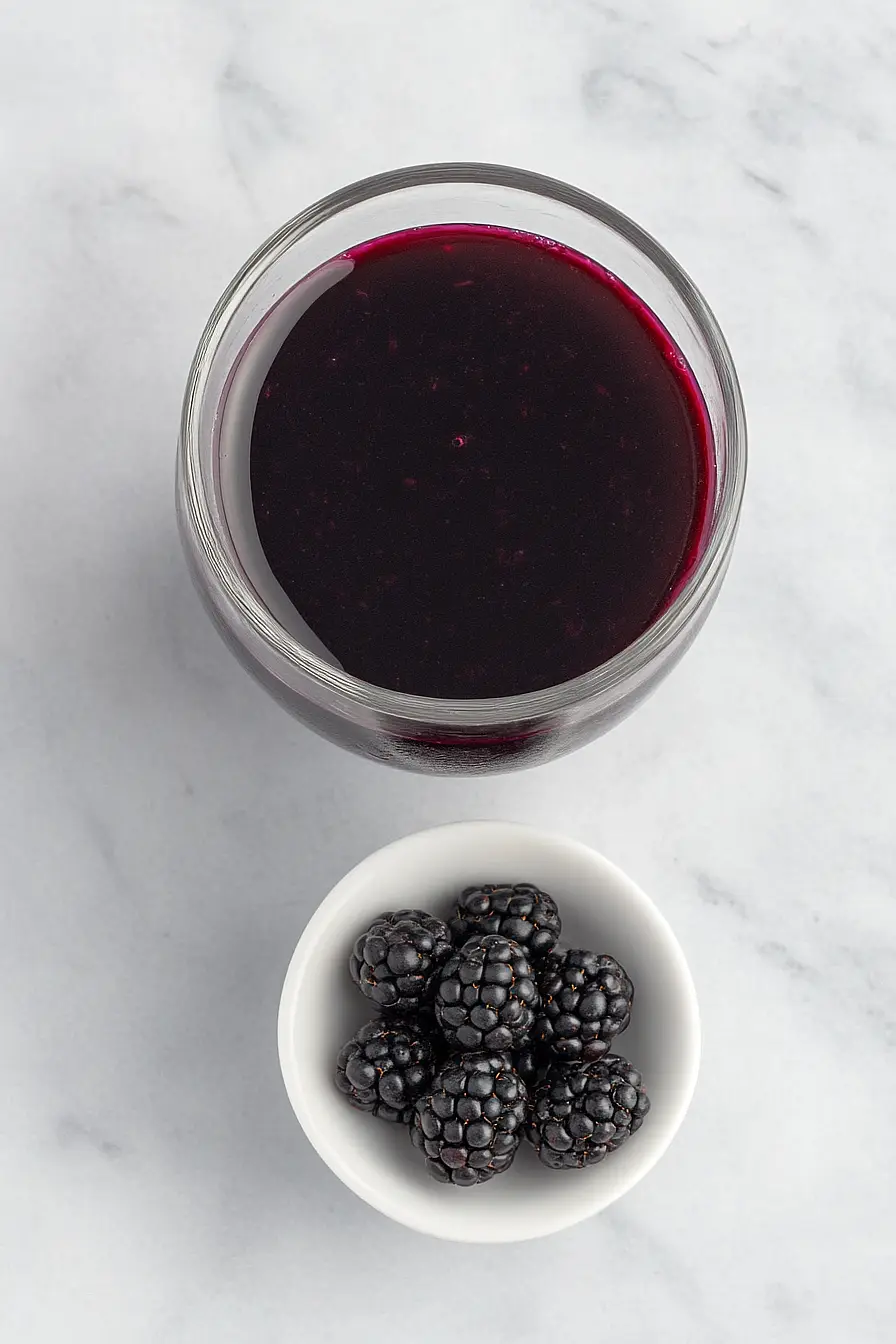
What to Serve With Mulberry Kombucha?
This fizzy, fruity mulberry kombucha makes a great companion to light meals and snacks throughout the day. I like to serve it with breakfast items like avocado toast, yogurt parfaits, or overnight oats since the tangy flavors help wake up your taste buds. For lunch or dinner, it pairs really nicely with salads, grain bowls, or sandwiches – the bright, bubbly drink helps cut through richer foods. Since this is a probiotic drink, it’s also perfect alongside other fermented foods like kimchi, sauerkraut, or pickled vegetables for an extra gut-healthy boost.
Storage Instructions
Bottle: Once your kombucha is ready, transfer it to airtight, swing-top bottles and keep them in the fridge. The cold temperature will slow down fermentation and help maintain that perfect fizz. Your mulberry kombucha will stay fresh and bubbly for up to 3 weeks when properly stored.
Keep Cold: After opening a bottle, make sure to keep it refrigerated and tightly sealed. The kombucha will maintain its carbonation better if you don’t open and close the bottle too often. Give it a gentle swirl before serving to mix up any settled mulberry puree.
Safety Note: Never store your finished kombucha at room temperature for extended periods, as it will continue to ferment and could become too acidic or over-carbonated. If you notice any off smells or unusual growth, it’s best to play it safe and start fresh.
| Preparation Time | 30-60 minutes |
| Cooking Time | 5-10 minutes |
| Total Time | 7-14 days (including fermentation time) |
| Level of Difficulty | Medium |
Estimated Nutrition
Estimated nutrition for the whole recipe (without optional ingredients):
- Calories: 200-250
- Protein: 0-1 g
- Fat: 0-1 g
- Carbohydrates: 50-60 g
Ingredients
For the kombucha base:
- 6 organic tea bags
- 60.9 fl oz filtered water
- 1/2 cup raw sugar (or organic cane sugar for a cleaner ferment)
- 1 scoby (with 6.75 fl oz starter liquid)
For flavoring:
- 2 tbsp mulberry puree
Step 1: Gather and Prepare Your Supplies
Start by gathering all necessary supplies: tea bags, sugar, a pan to heat water, a large heatproof glass jar, coffee filter, and cheesecloth.
Wash your glass jar thoroughly, then rinse it with white vinegar to cure and sanitize it.
Rinse your hands with vinegar as well, as the Scoby must be handled with clean, vinegar-rinsed hands.
Step 2: Brew the Sweet Tea
Boil 1.8 liters of water in a kettle or on the stove.
Once the water is boiling, pour it into the heatproof jar.
Place 6 tea bags in the hot water and let them steep for about 15 minutes.
Remove the tea bags and add sugar, stirring with a wooden spoon to dissolve it completely.
Allow the sweet tea to cool to room temperature before proceeding.
Step 3: Start the Fermentation Process
Pour the cooled tea into your designated kombucha jar.
Carefully place the Scoby and its starter tea into the jar as well.
Cover the jar with a cone-shaped coffee filter and wrap it with a cheesecloth.
Secure with a large rubber band if desired.
Place the jar in a dark, still location where the temperature remains around 70-75°F (21-24°C).
Start tasting the tea on day 6 to see if it’s tangy enough for your preference.
It should taste mildly sweet and slightly vinegary.
Remember to use a plastic or wooden spoon for tasting.
Step 4: Prepare for Second Fermentation (Optional)
Once the kombucha reaches your desired taste, prepare your bottles for the second fermentation by rinsing each 16 oz bottle with white vinegar.
You can stop here and bottle the kombucha as is, or enhance it with flavors.
Step 5: Add Flavor and Continue Fermentation
Puree mulberries by placing them in a blender.
Add 2 tablespoons of mulberry puree into each jar you’re using for the second fermentation.
Wipe the top of the bottles clean.
Remove the Scoby using clean, vinegar-rinsed hands, and place it in a bowl with 200 ml of kombucha tea to save for your next batch.
Pour the kombucha tea into each bottle, using a plastic funnel, leaving 1-2 inches of space at the top.
During the second fermentation, “burp” the bottles daily by slowly uncapping them to release air.
Place the bottles in the refrigerator after 3-5 days.
Prolonging fermentation will increase fizziness and alcohol content, so keep this in mind, especially if serving to children.
Step 6: Chill and Serve
Once the second fermentation reaches your desired flavor and carbonation level, chill the kombucha in the fridge before serving.
Enjoy your homemade, refreshing mulberry-flavored kombucha!