There’s something so comforting about a classic bundt cake with a simple powdered sugar glaze. It reminds me of the desserts my mom would make when company was coming over – nothing fancy, just reliable and good. I’ve always loved how a basic glaze can make even the plainest cake feel a little more special, without any fussy steps or complicated ingredients.
The best part? You probably have everything you need in your pantry right now. I often whip up this glaze when I want to dress up a store-bought bundt cake (yes, I totally do that sometimes!) or when I need a quick finishing touch for my weekend baking. It’s one of those recipes I make without even thinking about it anymore, like tying my shoes or making my morning coffee.
Whether you’re glazing a chocolate bundt, a lemon cake, or a simple vanilla one, this powdered sugar glaze works every time. It’s my go-to when I want something that looks nice but doesn’t steal the show from the cake itself.

Why You’ll Love This Powdered Sugar Glaze
- Quick 5-minute preparation – This glaze comes together in just minutes – simply mix, drizzle, and you’re done! Perfect when you need a last-minute finishing touch.
- Just 4 basic ingredients – You probably already have everything you need in your pantry right now. No special shopping trip required!
- Customizable consistency – You can easily adjust the thickness by adding more milk or powdered sugar until it’s exactly how you want it.
- Multi-purpose topping – This classic glaze works perfectly on bundt cakes, cookies, cinnamon rolls, or any baked treat that needs a sweet finishing touch.
What Kind of Powdered Sugar Should I Use?
Regular powdered sugar (also called confectioner’s sugar or icing sugar) is perfect for making a smooth, pourable glaze. The most important step is to sift your powdered sugar before using it – this removes any lumps that could make your glaze bumpy or uneven. While both 10X and 6X powdered sugar will work, 10X is the most common type you’ll find at grocery stores and creates the smoothest texture. If your glaze seems too thick, you can always add milk a few drops at a time, and if it’s too thin, just mix in a bit more sifted powdered sugar until you reach that perfect drizzling consistency.
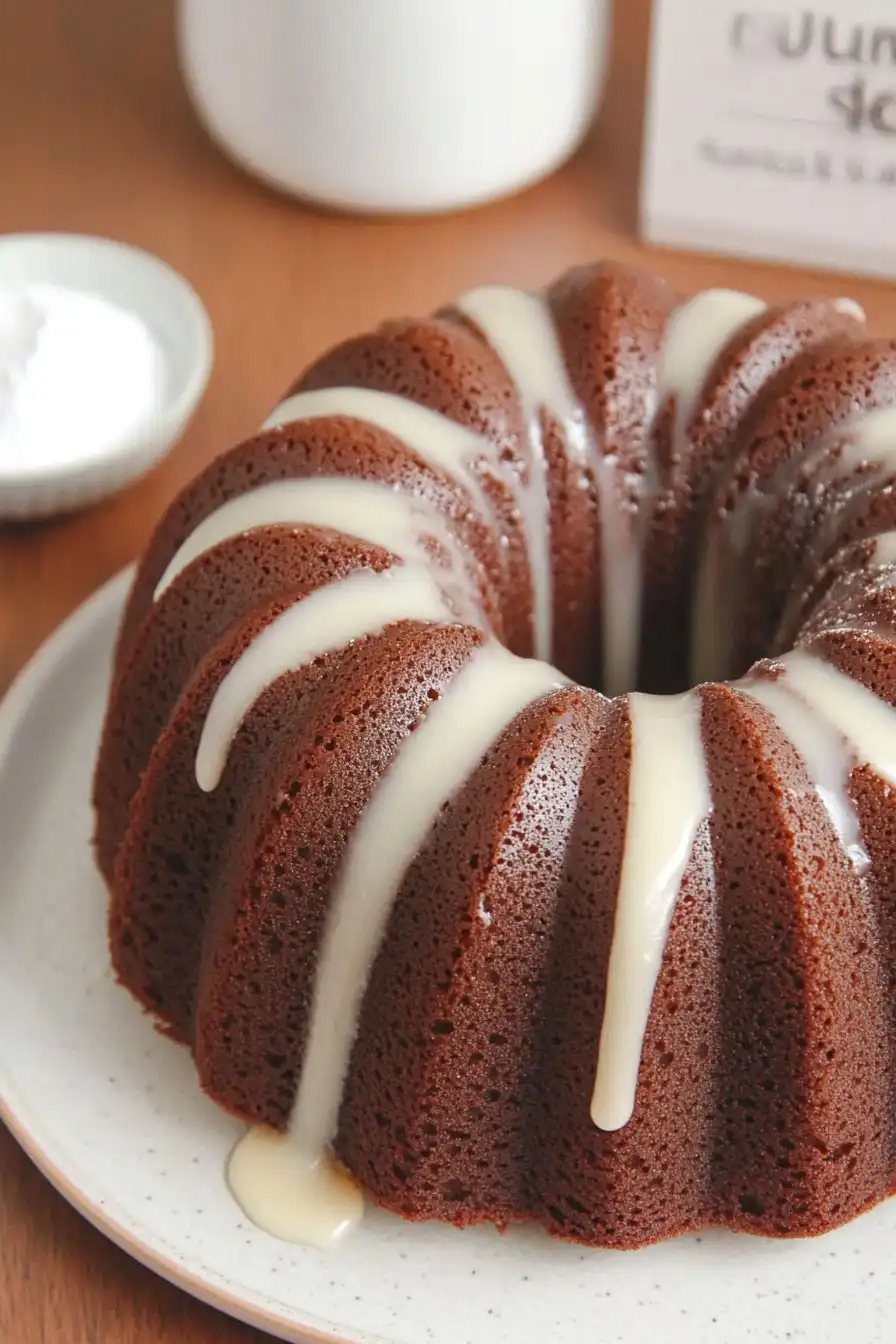
Options for Substitutions
This simple glaze recipe can be adjusted with several easy substitutions:
- Icing sugar: This is a must-have ingredient that can’t really be substituted – it’s what gives the glaze its smooth texture and proper consistency. Just make sure to sift it to avoid lumps!
- Melted butter: You can swap the butter with margarine, coconut oil, or even heavy cream. For a dairy-free version, use plant-based butter or coconut oil.
- Milk: Feel free to use any liquid you like – heavy cream, half-and-half, plant-based milk, or even coffee or fruit juice for different flavors. Just adjust the amount to get the right consistency.
- Vanilla essence: You can skip vanilla or try other flavors like almond extract, lemon extract, or orange extract. Start with less than the recipe calls for as some extracts are stronger than vanilla.
Watch Out for These Mistakes While Making
The biggest mistake when making a powdered sugar glaze is adding too much liquid at once, which can quickly turn your perfect drizzle into a thin, runny mess – start with just one tablespoon of milk and add more in tiny amounts until you reach the desired consistency. A common error is using hot melted butter, which can make your glaze separate and look grainy, so let your butter cool slightly before mixing it with the sugar. To avoid lumpy glaze, don’t skip the sifting step for your powdered sugar, as even the smallest clumps will show up in your final product and can clog your piping bag or spoon. For the smoothest results, mix your glaze in a zigzag pattern rather than stirring in circles, and let your bundt cake cool completely before glazing – otherwise, the glaze will melt and run right off.
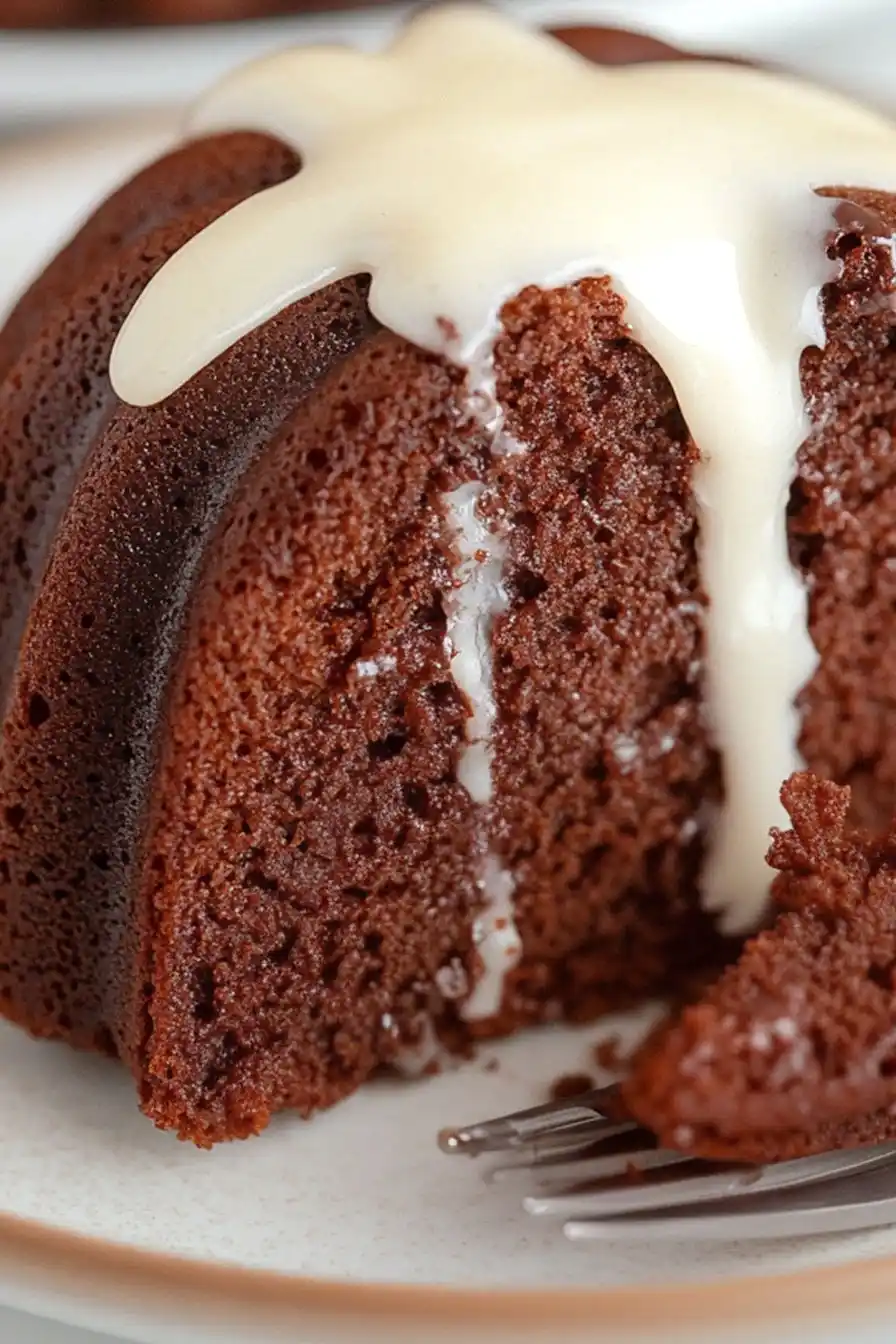
What to Serve With Glazed Bundt Cake?
A slice of bundt cake with this sweet, buttery glaze pairs perfectly with a hot cup of coffee or tea for an afternoon treat. If you want to make it more of a dessert, add a scoop of vanilla ice cream on the side – the cold ice cream tastes amazing next to the room temperature cake. For a fruity touch, serve with some fresh berries or a dollop of whipped cream (or both!). You can also drizzle some caramel sauce alongside the glaze if you’re feeling extra indulgent.
Storage Instructions
Keep Fresh: Once you’ve glazed your bundt cake, the glaze will set after about 30 minutes at room temperature. If you have leftover glaze, pop it in an airtight container in the fridge for up to 5 days. Just know that it might thicken up a bit, but that’s totally normal!
Make Ahead: You can mix up this glaze a day before you need it – just keep it in the fridge. When you’re ready to use it, let it come to room temperature and give it a good stir. If it’s too thick, add a tiny splash of milk until you get the right consistency.
Consistency Fix: If your stored glaze becomes too firm, no worries! Just add milk, a few drops at a time, and stir until it’s pourable again. If it gets too thin, sprinkle in a bit more powdered sugar until you reach that perfect drizzling consistency.
| Preparation Time | 10-15 minutes |
| Cooking Time | 0-0 minutes |
| Total Time | 30-120 minutes |
| Level of Difficulty | Easy |
Estimated Nutrition
Estimated nutrition for the whole recipe (without optional ingredients):
- Calories: 400-450
- Protein: 2-4 g
- Fat: 20-25 g
- Carbohydrates: 60-70 g
Ingredients
- 2 tbsp melted butter (I like Kerrygold unsalted butter for this)
- 1 cup confectioners’ sugar (sifted to prevent lumps)
- 1 to 2 tbsp whole milk
- 1/4 tsp vanilla extract
Step 1: Combine Ingredients for the Glaze
In a large bowl, start by whisking together powdered sugar, softened butter, 1 tablespoon of milk, and vanilla extract.
Mix until you have a smooth base, ensuring that the butter is fully integrated with the sugar.
Step 2: Adjust Consistency
Gradually whisk in the remaining 1 tablespoon of milk a little at a time, until you reach a pourable consistency.
You may not need to use all the milk.
If the glaze becomes too thin, add a bit more powdered sugar and whisk until smooth.
To check for the right consistency, take a spoonful of glaze and drizzle it back into the bowl.
It should leave a ribbon trail that remains visible for a few seconds before blending back into the rest of the glaze.
Step 3: Apply the Glaze
Once your glaze has reached the desired consistency, pour it over your cooled cake.
Make sure the glaze spreads evenly and covers the top of the cake as desired.
Allow it to set at room temperature for about 2 hours or place the cake in the refrigerator for 30 minutes to let the glaze harden more quickly.

