I never thought making pizza dough could be this straightforward until I discovered flatbread pizza. Growing up, my mom always ordered takeout because she believed making dough from scratch was too complicated. When she tried it once, it came out tough as a rock.
That’s because she was overthinking it—treating it like a traditional pizza dough that needs hours to rise. Flatbread pizza dough, though, is much more forgiving. It needs just a few basic ingredients and minimal kneading. For anyone who’s felt intimidated by yeast and rising times, this recipe is exactly what you need.
Why You’ll Love This Flatbread Pizza Dough
- Quick preparation – This dough comes together in just minutes – no lengthy rising time needed like traditional pizza dough. Perfect for those last-minute dinner cravings!
- Basic pantry ingredients – You only need 4 main ingredients that you probably already have in your kitchen – flour, salt, water, and olive oil.
- Customizable base – This versatile dough works as a blank canvas for any toppings you love, from classic margherita to creative combinations.
- Beginner-friendly recipe – No special skills or equipment needed – if you can mix ingredients together, you can make this flatbread pizza dough.
What Kind of Flour Should I Use?
For flatbread pizza dough, all-purpose flour is your most reliable choice, but you’ve got some other options too. Bread flour works great if you want a chewier crust with more structure, thanks to its higher protein content. While whole wheat flour can be used, I’d suggest starting with a mix of whole wheat and all-purpose (like 1 cup whole wheat to 2 cups all-purpose) since using only whole wheat can make your flatbread dense and heavy. Just make sure whatever flour you choose is fresh – flour that’s been sitting in your pantry for ages can affect the taste and texture of your final product. When measuring, use the spoon-and-level method rather than scooping directly with the measuring cup to avoid using too much flour.
Options for Substitutions
This simple flatbread pizza dough recipe can be adapted with several substitutions if needed:
- Plain flour: You can swap plain flour with bread flour for a chewier crust, or use whole wheat flour for up to half the amount of plain flour (note: using all whole wheat will make the dough dense). For a gluten-free version, try a 1:1 gluten-free flour blend, but the texture might be slightly different.
- Olive oil: While olive oil adds nice flavor, you can use other neutral oils like vegetable or canola oil. Melted butter also works, though it will change the taste slightly.
- Cornmeal: If you don’t have cornmeal for sprinkling, you can use semolina flour, or just use a little extra plain flour to prevent sticking.
- Water: The warm water is necessary for proper dough formation – this isn’t something you should substitute. Just make sure it’s warm (not hot) to the touch, about 110°F (43°C).
- Salt: Regular table salt works fine here, but you can also use sea salt or kosher salt. If using kosher salt, you might need to add a bit extra as the crystals are larger.
Watch Out for These Mistakes While Making
The biggest challenge when making flatbread pizza dough is overworking the dough, which can lead to tough, chewy results – mix just until the ingredients come together and the dough feels smooth.
Temperature control is crucial: using water that’s too hot will kill the yeast, while too cold water won’t activate it properly – aim for lukewarm water that feels comfortable when touched to your wrist (around 100-110°F).
Rolling the dough too thin can cause it to tear or burn quickly in the oven, while rolling it too thick will result in an undercooked center – aim for about 1/4 inch thickness and don’t forget to dock the dough with a fork to prevent bubbling.
For the crispiest crust, preheat your baking sheet or pizza stone for at least 30 minutes before baking, and remember to sprinkle cornmeal generously to prevent sticking and add that perfect crunch.

What to Serve With Flatbread Pizza?
When it comes to serving flatbread pizza, I love to pair it with a simple arugula salad tossed in lemon juice and olive oil – the peppery greens are a perfect match for the warm, crispy crust. A side of marinated olives or roasted garlic makes for great nibbling while the pizza’s in the oven. Since flatbread pizza is typically lighter than traditional pizza, you can round out the meal with a bowl of tomato soup or a small cup of minestrone. And if you’re hosting friends, try setting up a DIY flatbread station where everyone can add their own toppings – it’s always a hit at casual get-togethers!
Storage Instructions
Keep Fresh: If you’ve made extra dough, wrap it tightly in plastic wrap or place it in an airtight container. It’ll stay good in the fridge for up to 3 days. The dough might even develop more flavor as it rests – just like they do it in pizzerias!
Freeze: This dough is perfect for freezing! After kneading, divide it into individual portions, wrap each one in plastic wrap, and pop them in a freezer bag. They’ll keep well for up to 3 months. When you’re craving pizza, just move a portion to the fridge the night before.
Make Ahead: Want to prep for a pizza party? Make the dough up to 24 hours ahead and keep it in the fridge. Just remember to bring it to room temperature about 30 minutes before you plan to roll it out – this makes it much easier to work with and helps it stretch without springing back.
| Preparation Time | 10-15 minutes |
| Cooking Time | 10-18 minutes |
| Total Time | 20-33 minutes |
| Level of Difficulty | Easy |
Estimated Nutrition
Estimated nutrition for the whole recipe (without optional ingredients):
- Calories: 1200-1300
- Protein: 30-35 g
- Fat: 60-65 g
- Carbohydrates: 150-160 g
Ingredients
- 1 cup warm water (about 105-115°F, for activating yeast)
- favorite toppings
- 1 tsp salt
- 3 tbsp olive oil
- 3 cups all-purpose flour (I always use King Arthur all-purpose flour)
- cornmeal (for dusting the pizza peel or baking sheet)
Step 1: Prepare the Dough
Begin by preheating your oven to 475°F (245°C).
In a food processor, combine flour and salt, then pulse until they are well mixed.
Add water and oil to the processor.
Continue to pulse until a dough ball forms, which should take about 1 minute.
Be sure to scrape down the sides as needed to ensure all ingredients are fully incorporated.
Step 2: Knead and Shape the Dough
Transfer the dough ball onto a lightly floured surface.
Knead the dough for about 1 minute or until it becomes smooth.
Divide the dough into 2 equal portions.
Use a rolling pin to roll each portion into a long oval, achieving your desired thickness (remember, thinner is better for this recipe).
Step 3: Prepare Baking Sheets and Crust
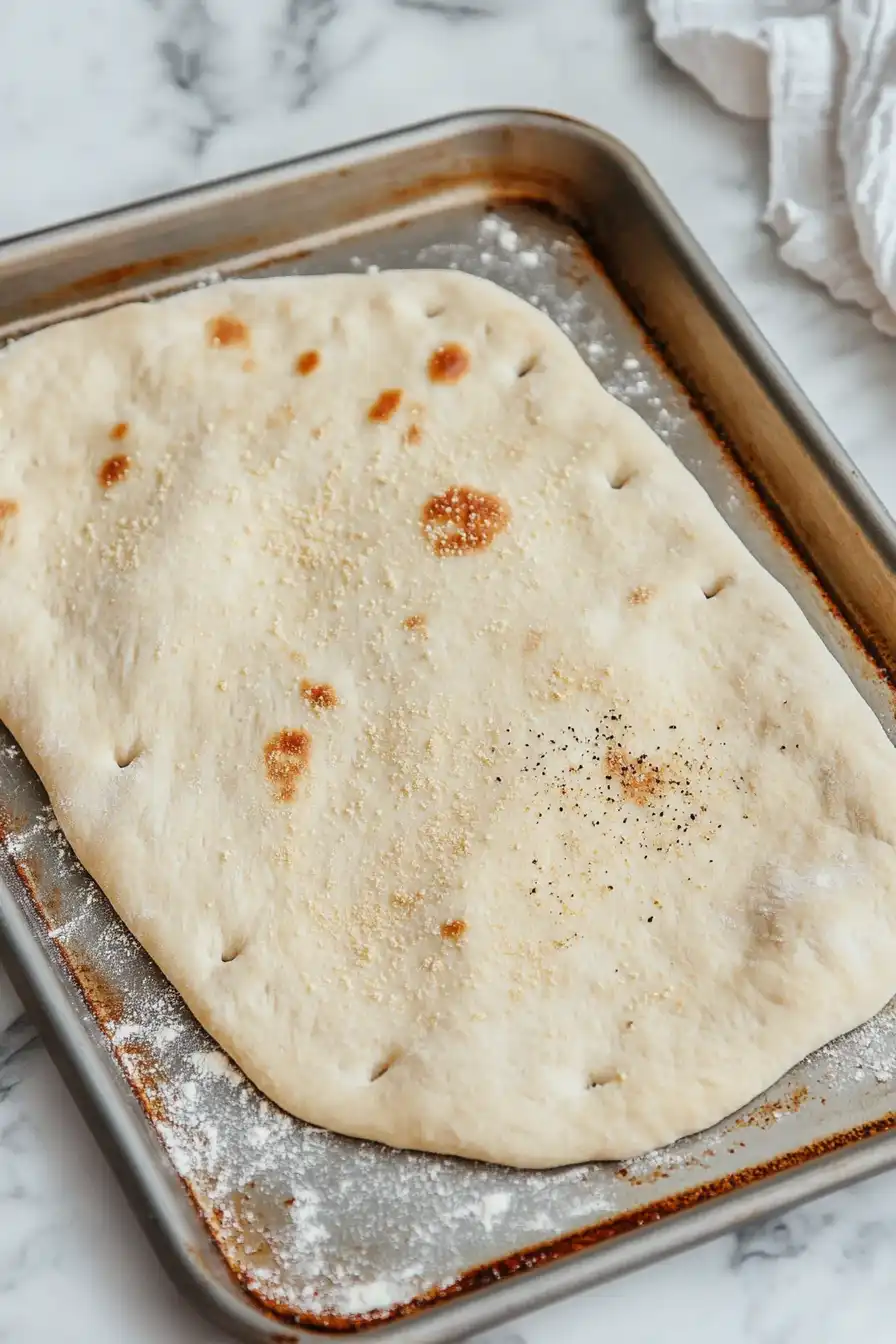
Dust 2 baking sheets with cornmeal to prevent sticking.
Place a flatbread crust on each baking sheet.
Use a fork to poke the surface of each flatbread all over, which helps prevent air bubbles while baking.
Step 4: Pre-Bake the Flatbread
Bake the flatbreads in the preheated oven for 5-8 minutes.
You’ll want to see the edges of the flatbread turn golden brown and the flatbread nearly cooked through.
Remove the flatbreads from the oven once they reach this stage.
Step 5: Top and Finish Baking
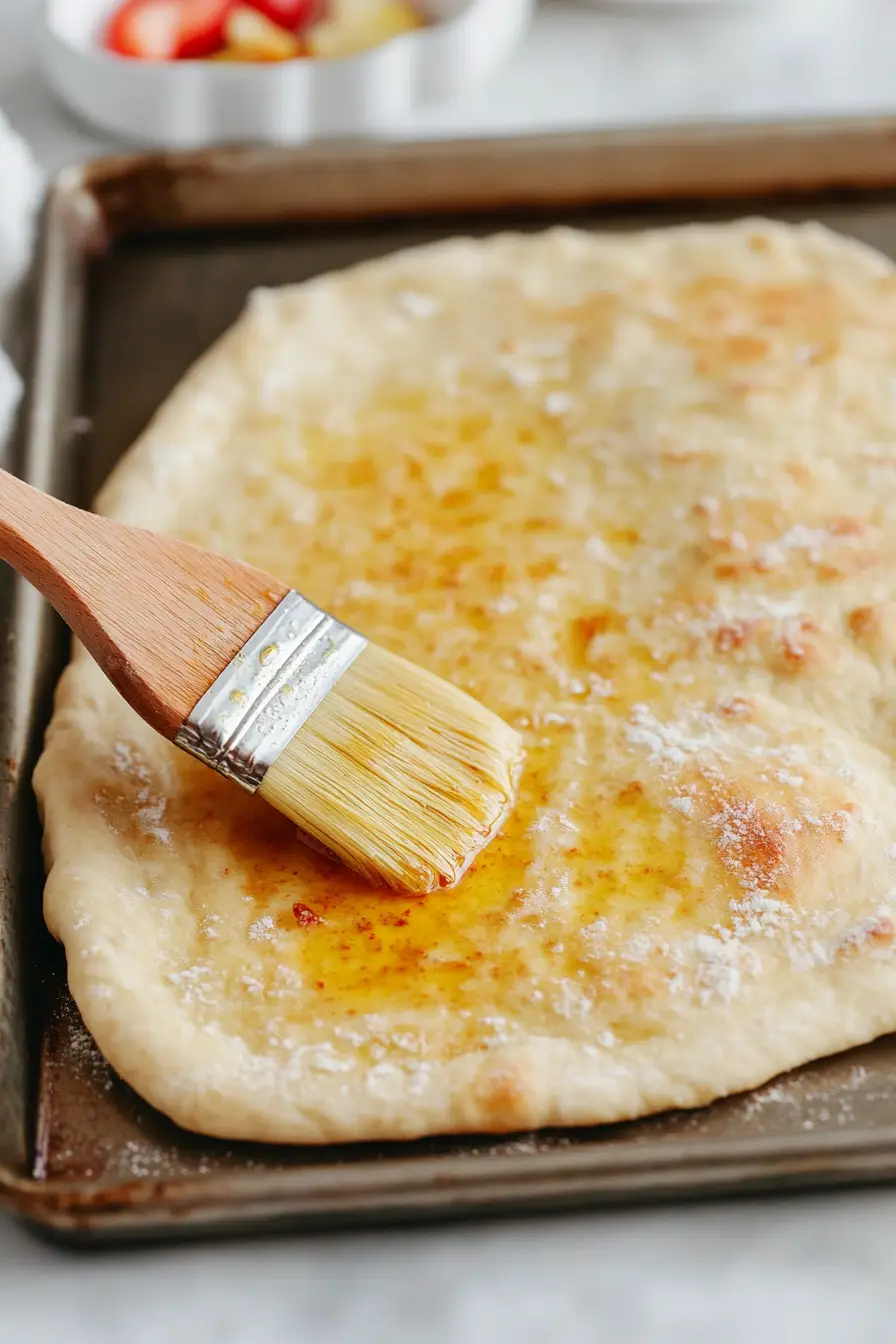
Brush each flatbread with olive oil, then add your desired toppings.
For an exciting option, consider trying an Easy Caprese Flatbread with your favorite toppings.
Return the topped flatbreads to the oven and bake for an additional 5-10 minutes, or until everything is heated through and the toppings are cooked to your liking.
Step 6: Serve and Enjoy
Once the flatbreads are finished baking, remove them from the oven, allow them to cool slightly, then slice and serve.
Enjoy your delicious homemade flatbread!