Looking for a way to make your cakes even better? This pineapple glaze has become my go-to topping whenever I want to add a bit of tropical sweetness. I started making it years ago when my kids asked for something different than regular frosting, and now it’s a family favorite. It’s so simple to make – just a few ingredients you probably already have in your kitchen.
The best part about this glaze is how it soaks into the cake, making every bite super moist and flavorful. I often prep it while my cake is in the oven, and by the time it’s done baking, the glaze is ready to go. No complicated steps or fancy techniques needed. Whether you’re dressing up a plain vanilla cake or want to give your special occasion dessert a tropical twist, this pineapple glaze won’t let you down.
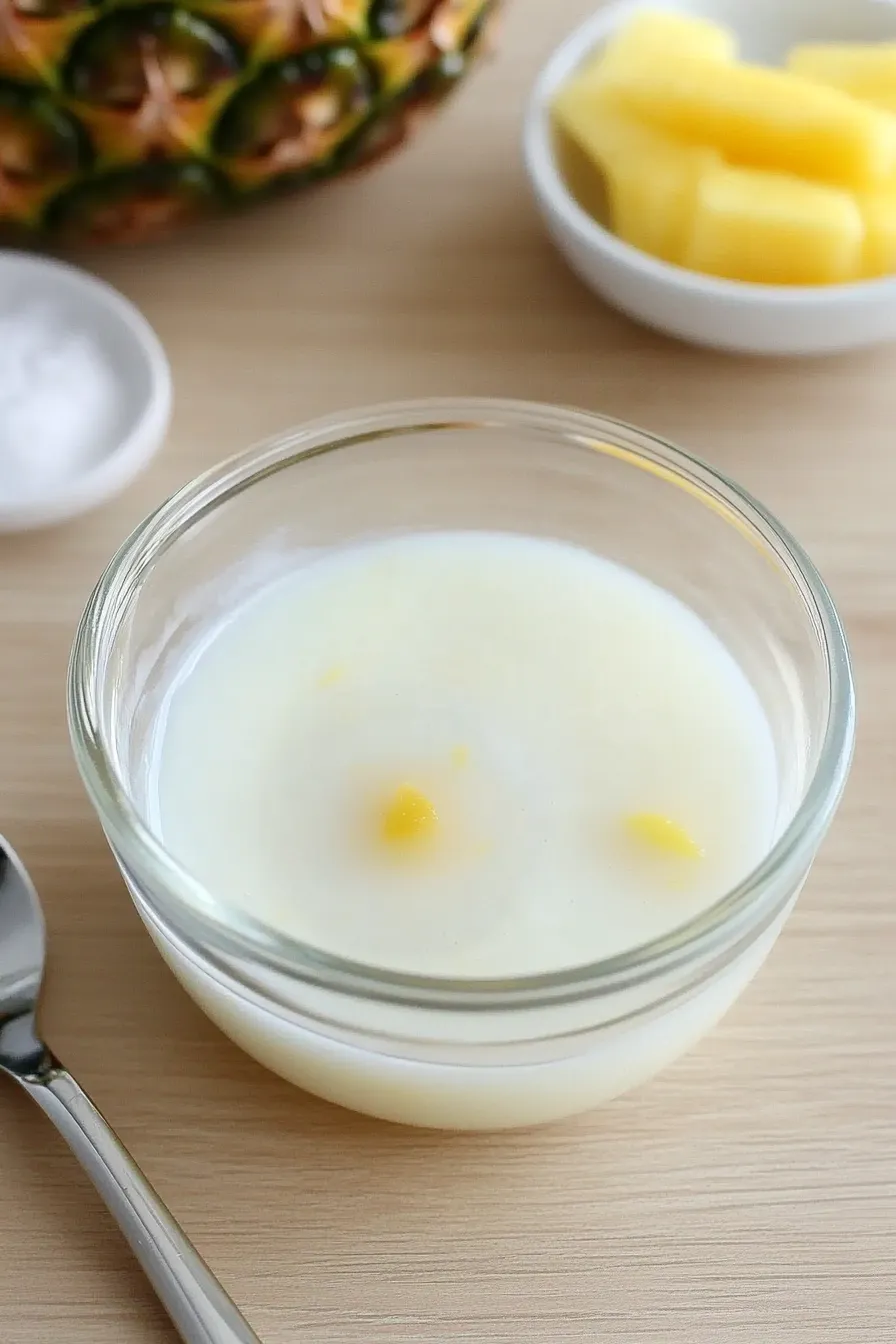
Why You’ll Love This Pineapple Glaze
- Quick 5-minute recipe – This glaze comes together in just minutes with absolutely no cooking required – just mix and pour!
- Two-ingredient simplicity – You only need powdered sugar and pineapple juice to make this sweet tropical topping that’s perfect for cakes, muffins, or pastries.
- Customizable sweetness – You can easily adjust the consistency by adding more juice or sugar, and there’s even a sugar-free option using powdered erythritol instead.
- Fresh tropical flavor – The sweet-tart pineapple taste adds a bright, sunny flavor that makes any dessert feel special.
What Kind of Pineapple Should I Use?
Both fresh and canned pineapple will work great for making this glaze, so use whichever you have on hand. If you’re going with fresh pineapple, make sure it’s fully ripe – you’ll know it’s ready when it smells sweet at the base and has a slight give when you press it. For the easiest option, canned pineapple in juice (not syrup) works perfectly fine and gives you consistent results every time. Just be sure to strain out any pulp if you want a completely smooth glaze, or leave in some of the small pieces for added texture and visual appeal.
Options for Substitutions
This simple glaze recipe can be tweaked in a few ways to suit your needs:
- Powdered sugar: Besides powdered erythritol, you can use monk fruit sweetener or powdered coconut sugar. If using granulated sweeteners, blend them first in a coffee grinder or food processor until they become powder-like. Keep in mind that alternative sweeteners might make the glaze slightly less smooth.
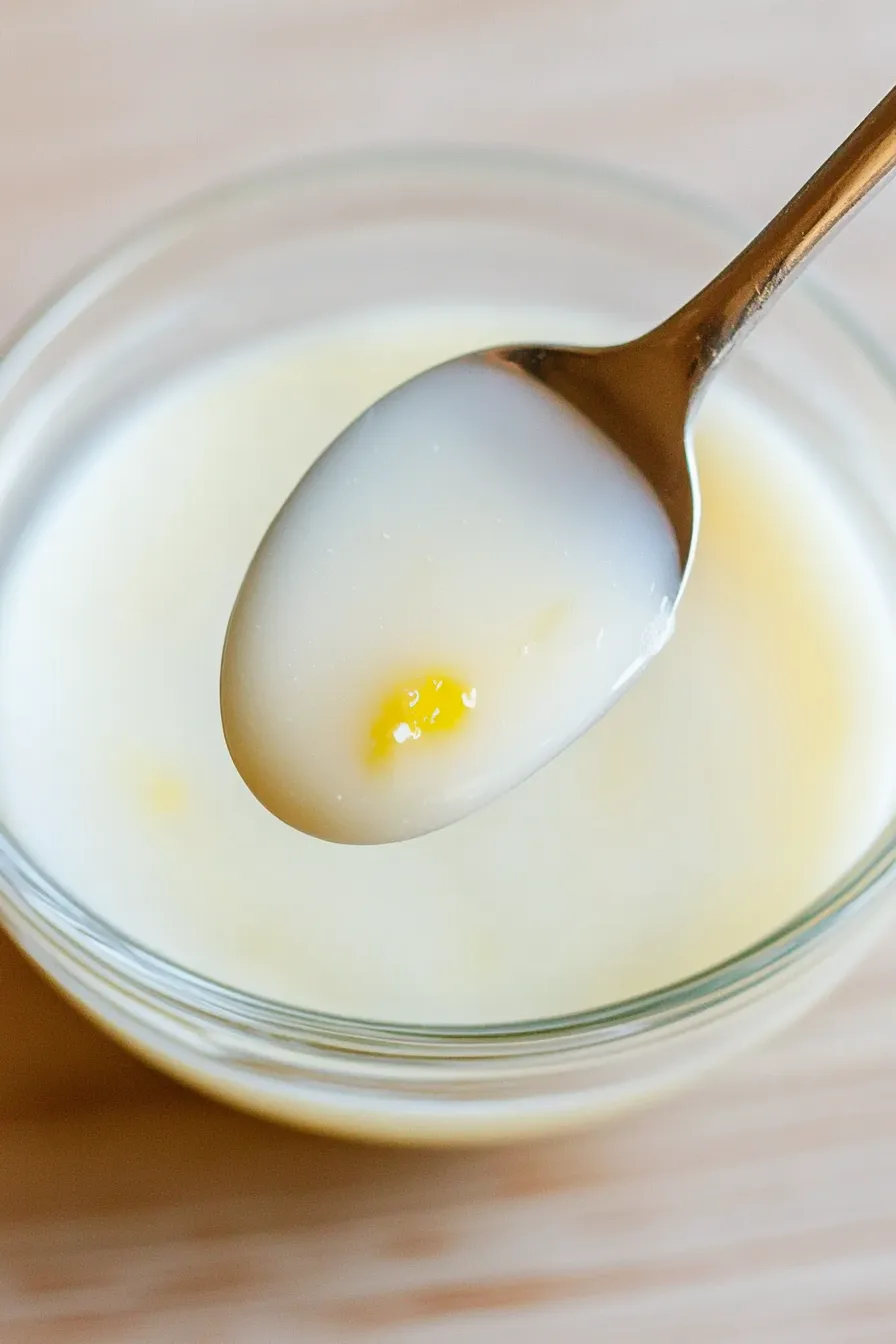
- Pineapple juice: Out of pineapple juice? Try orange juice for a citrusy twist, or coconut milk mixed with a drop of lemon juice for a tropical flavor. You can also use apple juice, though the flavor will be milder. Just remember that any juice substitute will change the final taste of your glaze.
- Consistency adjustment: If your glaze becomes too thick with any of these substitutions, add liquid 1/4 teaspoon at a time. If it’s too thin, gradually add more powdered sweetener until you reach the right consistency.
Watch Out for These Mistakes While Making
The biggest challenge when making pineapple glaze is getting the right consistency – adding too much liquid at once can quickly turn your glaze from perfectly pourable to runny and unusable. To avoid this, start with half the pineapple juice and add the remaining liquid gradually while stirring until you reach your desired thickness.
Temperature matters more than you might think – using warm pineapple juice can cause the glaze to become too thin, so make sure both your juice and powdered sugar are at room temperature before mixing.
If your glaze becomes too thin, don’t panic and add more powdered sugar all at once – instead, sift in small amounts while stirring continuously to prevent lumps from forming. For the smoothest results, always sift your powdered sugar before mixing, as this eliminates any clumps that could make your glaze look grainy.
What to Serve With Pineapple Glaze?
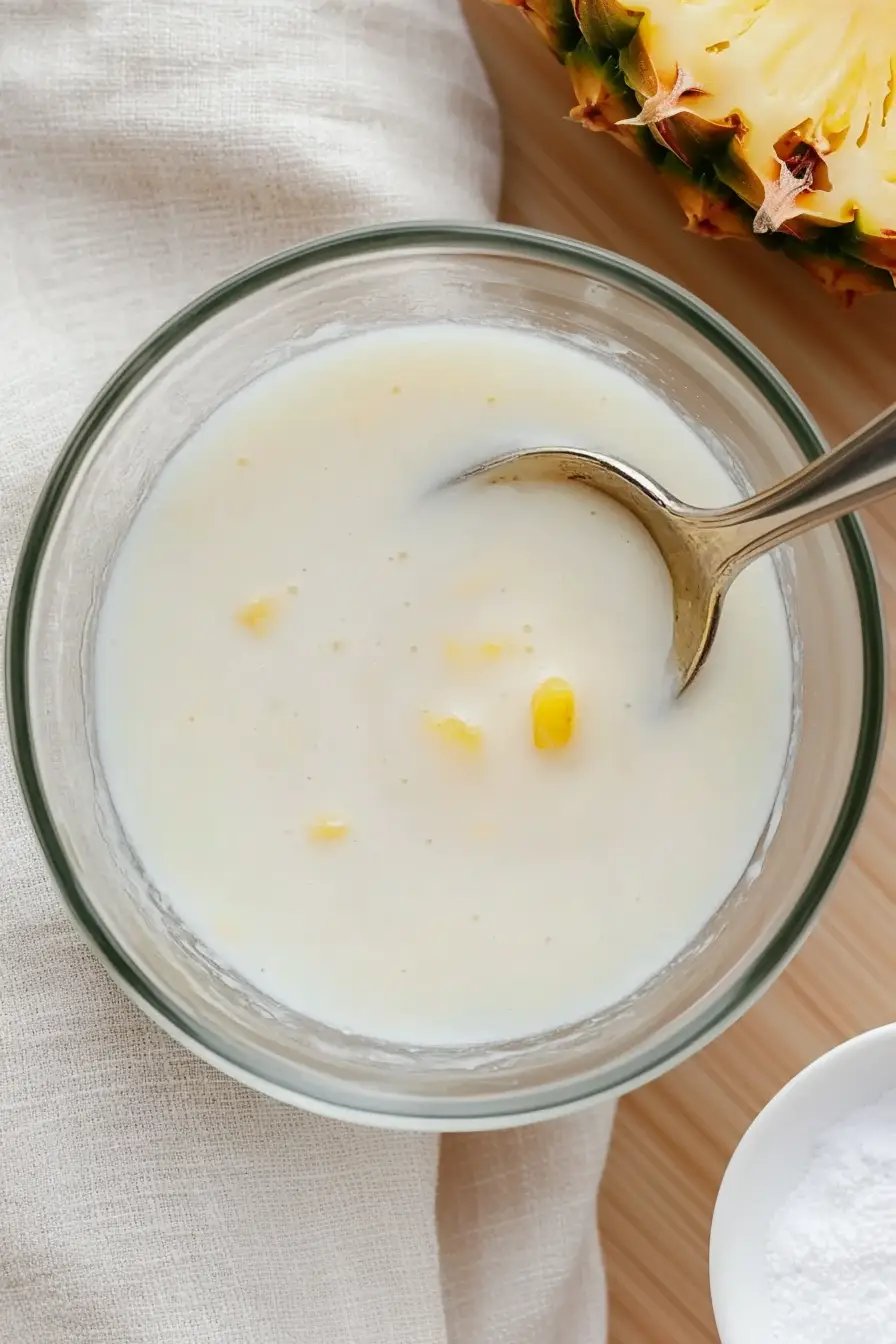
This sweet and tropical pineapple glaze works great on so many different desserts! Pour it over a classic vanilla bundt cake or pound cake for a taste of the tropics, or use it to add a fruity twist to coconut cake or lemon cake. The glaze also makes a tasty topping for breakfast treats like scones, muffins, or even pancakes – just drizzle it on while they’re still warm. If you want to keep things simple, try it as a dip for fresh fruit chunks or sugar cookies.
Storage Instructions
Keep Fresh: If you’ve got leftover pineapple glaze, just pop it in an airtight container and keep it in the fridge. It’ll stay good for about 3-4 days. The glaze might thicken up a bit in the fridge, but that’s totally normal!
Make Ahead: You can whip up this glaze a day before you need it. Just remember to give it a good stir before using, as it might separate a bit while sitting in the fridge. If it’s too thick, add a tiny splash of pineapple juice to thin it out.
Use: For the best results, let the glaze come to room temperature before pouring it over your cake. This helps it spread more evenly and gives you that perfect, smooth finish. If you’re using the sugar-free version with erythritol, you might notice it gets a bit grainy when cold, so room temp is definitely the way to go!
| Preparation Time | 5-10 minutes |
| Cooking Time | 0 minutes |
| Total Time | 5-10 minutes |
| Level of Difficulty | Easy |
Estimated Nutrition
Estimated nutrition for the whole recipe (without optional ingredients):
- Calories: 200-250
- Protein: 0-1 g
- Fat: 0-1 g
- Carbohydrates: 50-60 g
Ingredients
- 1 tbsp pineapple juice
- 1/2 cup powdered sugar (sifted to remove lumps for a smooth glaze)
Step 1: Combine Sugar and Pineapple Juice
Begin by adding the confectioners’ sugar (powdered sugar) to a medium-sized mixing bowl.
Gradually pour in the pineapple juice, whisking the mixture together until it is smooth and well combined.
The goal is to create a smooth glaze without any lumps.
Step 2: Adjust Consistency
If the glaze isn’t the thickness you desire, you can adjust it by adding more liquid or sugar.
For a thinner glaze, gradually add lemon juice in small increments, mixing well after each addition until you reach a smooth and pourable consistency.
Be cautious not to make it too runny.
Step 3: Thicken if Necessary
If the glaze becomes too thin, you can easily thicken it up.
Add more confectioners’ sugar, a tablespoon at a time, whisking thoroughly after each addition.
Continue this process until you achieve the desired thickness of the glaze.