Cooking a roast leg of lamb can seem like a daunting task that’s best left for special occasions or professional chefs. After all, lamb isn’t your everyday protein, and getting the cooking time just right while keeping the meat juicy can make even experienced home cooks a bit nervous. But here’s the thing – it doesn’t have to be complicated at all.
This roast half leg of lamb recipe breaks everything down into simple steps that anyone can follow. It’s perfect for Sunday family dinners, and the best part is that you’ll have plenty of delicious leftovers for sandwiches and salads throughout the week.
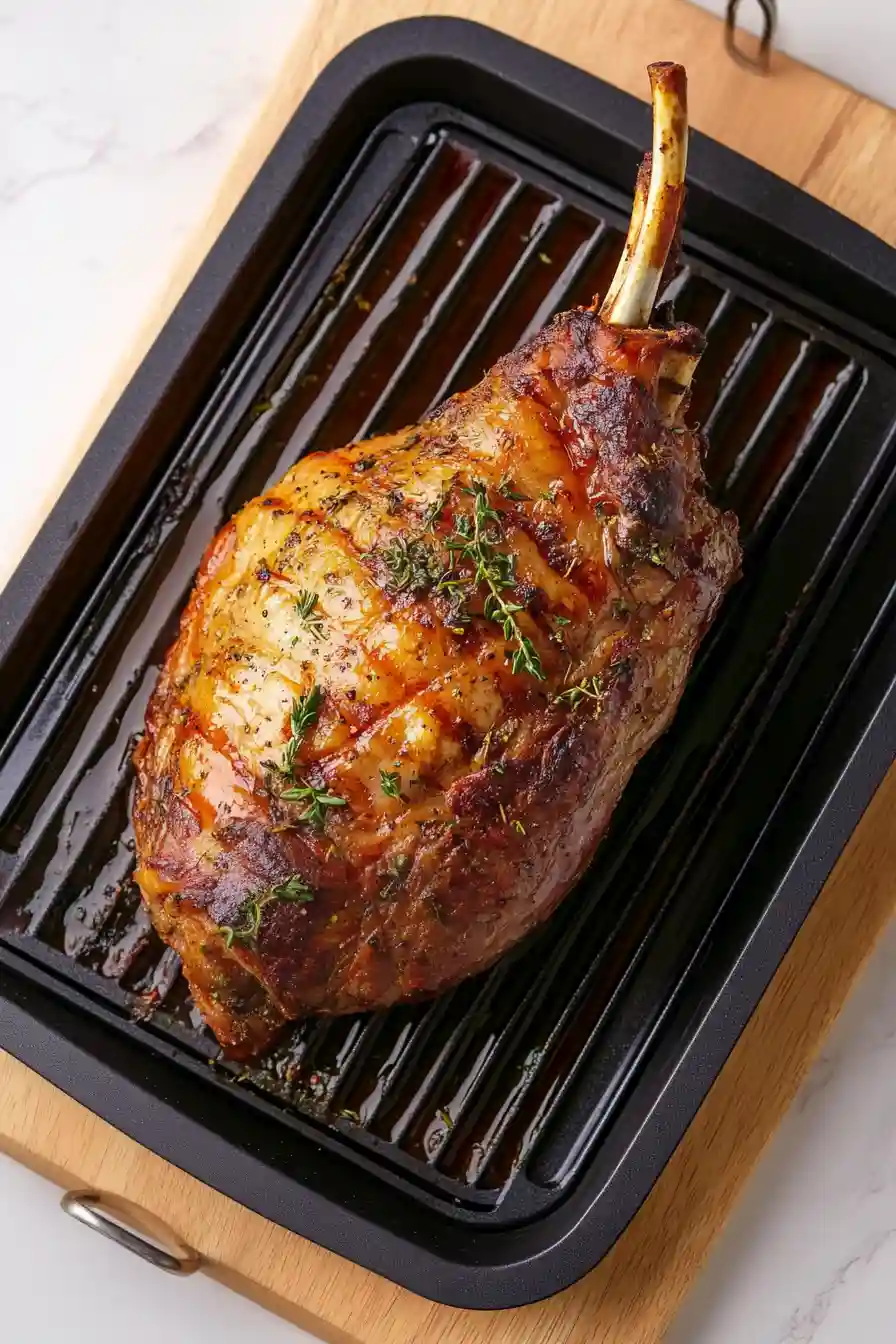
Why You’ll Love This Roast Lamb
- Simple ingredients – With just a handful of basic ingredients like rosemary, garlic, and olive oil, you can create a restaurant-worthy main dish that looks impressive.
- Foolproof preparation – The straightforward cooking method takes away the intimidation factor of cooking lamb – just season, roast, and make a quick gravy from the drippings.
- Perfect for special occasions – This roast lamb makes any dinner feel like a celebration, whether it’s Easter, Sunday dinner, or having friends over.
- Rich homemade gravy – The natural lamb drippings create a flavorful gravy that’s miles better than anything store-bought, making every bite even more delicious.
What Kind of Lamb Should I Use?
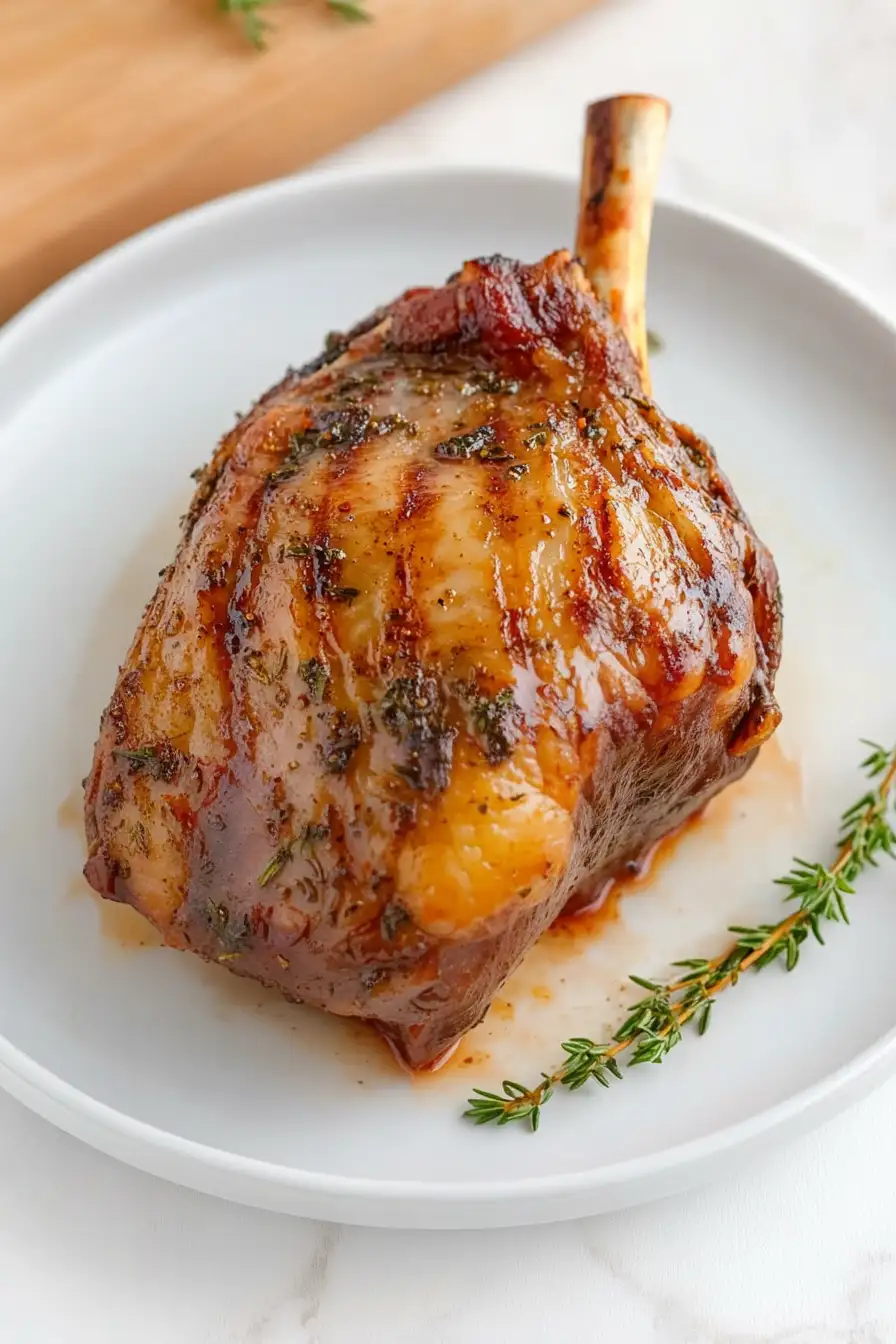
For a roast leg of lamb, you’ll want to look for a half leg that’s pink to light red in color with white marbling throughout. The most common options you’ll find are American lamb, which tends to be larger and milder in flavor, or New Zealand/Australian lamb, which is usually smaller and has a more distinct, gamey taste. When shopping, try to choose a piece with a thin layer of fat on the outside – this will help keep the meat moist during roasting and add flavor. If you’re buying from a butcher, ask for the shank end of the leg, as it’s easier to carve and tends to be more tender than the sirloin end. Just make sure your lamb is fresh – the meat should be firm to the touch and shouldn’t have any strong or off-putting smells.
Options for Substitutions
While this classic roast recipe has some must-haves, there are still several ingredients you can swap around:
- Lamb: The lamb is the star here and can’t really be substituted if you want a true roast lamb. However, if you’re working with a different size, just adjust cooking time (about 25 minutes per 500g for medium-rare).
- Olive oil: Any neutral cooking oil works fine here – try vegetable oil, canola oil, or even melted butter for a different flavor profile.
- Rosemary: Fresh rosemary works best, but in a pinch, use 2 teaspoons dried rosemary. You could also try fresh thyme or a mix of Mediterranean herbs.
- Garlic: If fresh garlic isn’t available, use 1 teaspoon of garlic powder. You’ll miss out on those lovely roasted garlic pieces, but you’ll still get good flavor.
- Lamb broth cube: Beef or vegetable stock cube works as an alternative. If you have neither, use 1 tablespoon of Worcestershire sauce mixed with the hot water instead.
- All-purpose flour: For thickening the gravy, you can use cornstarch (1 tablespoon mixed with cold water) or instant gravy granules if you prefer.
Watch Out for These Mistakes While Roasting
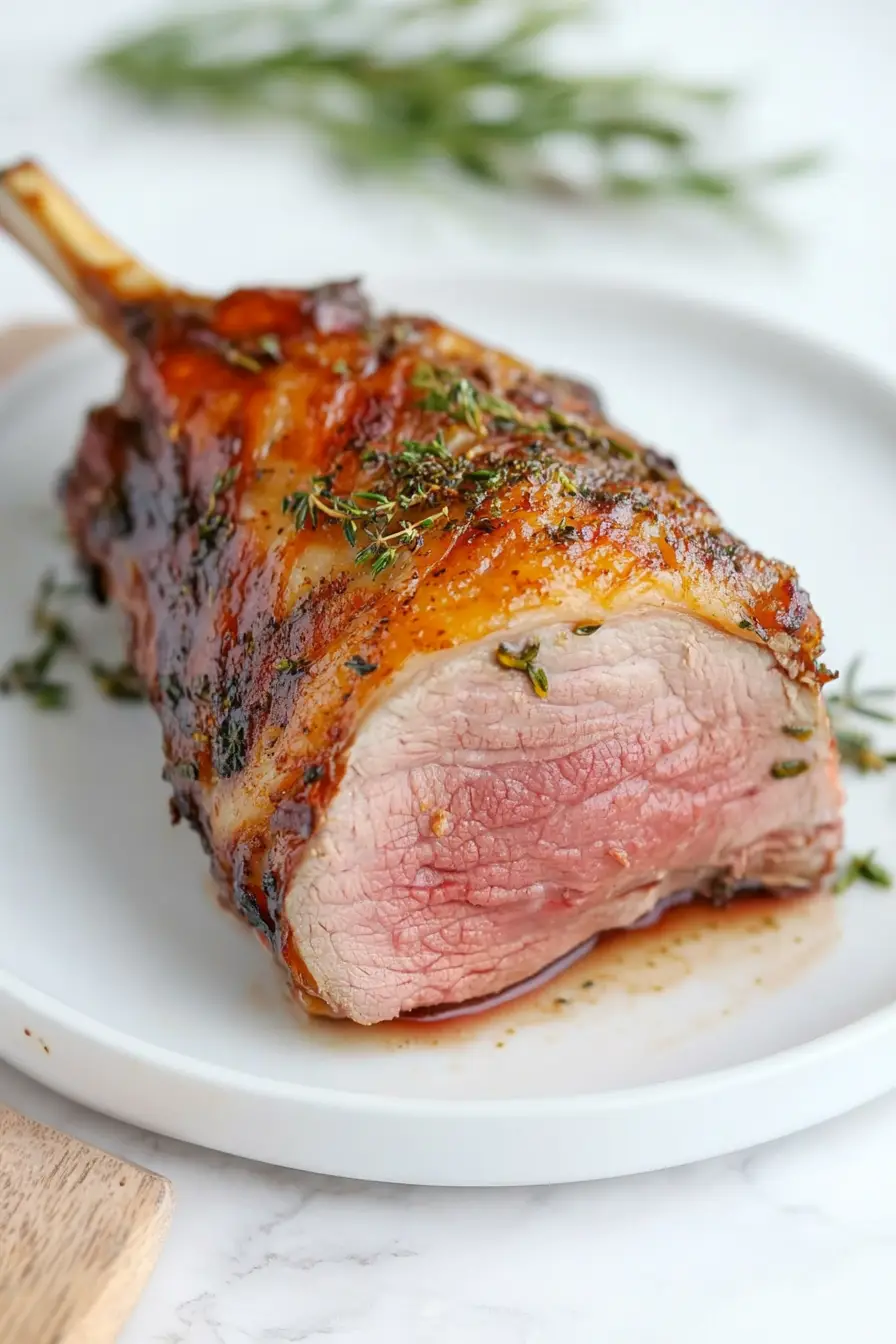
The biggest mistake when cooking lamb is not letting it come to room temperature before roasting – take it out of the fridge at least 30 minutes before cooking to ensure even cooking from edge to center. Another common error is rushing the cooking process – lamb needs time to develop its rich flavors, so resist the urge to crank up the heat, and instead maintain a steady temperature of 325-350°F (165-175°C). For the juiciest results, use a meat thermometer and pull the lamb out when it reaches 135°F (57°C) for medium-rare, as the temperature will continue rising while it rests – skipping the crucial 15-20 minute resting period is a mistake that leads to dry meat and lost juices. To make the most flavorful gravy, don’t forget to scrape up those browned bits from the bottom of the pan when adding your liquid, as they contain concentrated flavors that will make your sauce extra tasty.
What to Serve With Roast Lamb?
When it comes to roast lamb, I love going with classic sides that soak up all those amazing pan drippings and gravy. Creamy mashed potatoes are my go-to choice, but roasted baby potatoes with herbs work just as well. A mix of roasted vegetables like carrots, parsnips, and Brussels sprouts adds nice color to the plate and complements the rich meat perfectly. For a fresh element, try a simple mint sauce or mint jelly on the side – this traditional pairing really brings out the best in the lamb. If you want to round out the meal, some warm dinner rolls or crusty bread are perfect for mopping up every last bit of that delicious gravy.
Storage Instructions
Keep Fresh: Got leftover roast lamb? Place it in an airtight container and pop it in the fridge within 2 hours of cooking. It’ll stay good for up to 3 days. Pro tip: store the gravy separately in another container – this helps keep the meat from getting too soggy.
Freeze: If you want to save your lamb for later, it freezes really well! Wrap it tightly in foil or place it in a freezer bag with as much air removed as possible. It’ll keep its flavor for up to 3 months in the freezer. The gravy can be frozen separately in a freezer-safe container.
Reheat: To bring your lamb back to life, let it thaw overnight in the fridge if frozen. Then wrap it in foil and warm it in the oven at 325°F (165°C) for about 15-20 minutes, or until heated through. Adding a splash of broth before wrapping helps keep the meat moist. The gravy can be warmed separately on the stovetop or in the microwave.
| Preparation Time | 15-20 minutes |
| Cooking Time | 70-75 minutes |
| Total Time | 85-95 minutes |
| Level of Difficulty | Medium |
Estimated Nutrition
Estimated nutrition for the whole recipe (without optional ingredients):
- Calories: 2400-2600
- Protein: 190-210 g
- Fat: 150-170 g
- Carbohydrates: 30-40 g
Ingredients
For the lamb:
- 4 large rosemary sprigs, chopped
- Black pepper (freshly ground for best aroma)
- Salt (generous amount for seasoning)
- Olive oil (I use extra virgin olive oil)
- 3 garlic cloves, sliced thin
- 1.5 kg lamb (choose a bone-in half leg for best flavor)
For the gravy:
- Lamb drippings (from the roasted lamb)
- 1 lamb broth cube
- 400 ml hot water
- 2 tbsp all-purpose flour
Step 1: Prepare the Lamb for Roasting
Preheat your oven to 220°C / 200°C fan / gas mark 7 / 425°F.
Take the lamb out of its packaging and place it on a cutting board.
Use a small knife to cut several small holes all over the surface of the lamb.
Drizzle olive oil over the lamb and sprinkle it with salt and pepper.
Rub the oil, salt, and pepper thoroughly over the entire piece.
Insert a small sprig of rosemary and a sliver of garlic into each hole for added flavor.
Step 2: Roast the Lamb
Place the prepared lamb in the preheated oven and roast for about 1 hour and 10 minutes.
This will give the lamb a perfect roast, ensuring it’s juicy and flavorful.
Step 3: Rest the Lamb
Once the lamb is done roasting, carefully remove it from the oven.
Transfer it onto a plate or board, or even a clean roasting tin.
Allow the lamb to rest for 15 minutes—this helps the juices redistribute, making the meat more tender.
After resting, carve the lamb and prepare to serve.
Step 4: Make the Gravy
While the lamb is resting, you can start making a simple but flavorful gravy.
Begin by crumbling a stock cube into a jug.
Add some plain flour and mix with a small amount of cold water to form a smooth paste.
Pour 400ml of boiling water into the jug while stirring continuously.
This will create the base of your gravy.
Step 5: Finish the Gravy on the Stove
Remove most of the fat from the tin in which you roasted the lamb.
Place the tin on the hob over low heat.
Pour in the prepared gravy from the jug, stirring to incorporate any bits from the bottom of the tin (these add great flavor).
Include any juices from the resting lamb into the gravy.
Continue to cook the mixture on low heat for about 5 minutes, allowing it to thicken slightly.
Pour the finished gravy back into the jug for serving.
Step 6: Serve the Lamb and Gravy
Once your gravy is ready and your lamb has been carved, serve the succulent roast lamb alongside the rich, homemade gravy.
Enjoy this classic dish as a comforting and satisfying meal.


Instructions for the cooking temperature in the body of your article is incongruous with the recipe instructions. In the body of the article is says to roast at a lower temp (325-350). The recipe instructions say to preheat the oven at 425, but then never say to turn the temp down. It may just be how I read it, but I’m very literal. So. There you have it:)