Here’s my take on Whole30 hummus – a creamy, homemade dip made without chickpeas, using cauliflower instead, and seasoned with fresh lemon, garlic, and tahini.
This hummus has become my go-to snack during Whole30, and I always keep a batch in the fridge. My kids even prefer it to regular hummus now, which is saying something! Perfect for dipping vegetables or adding to your lunch bowl.
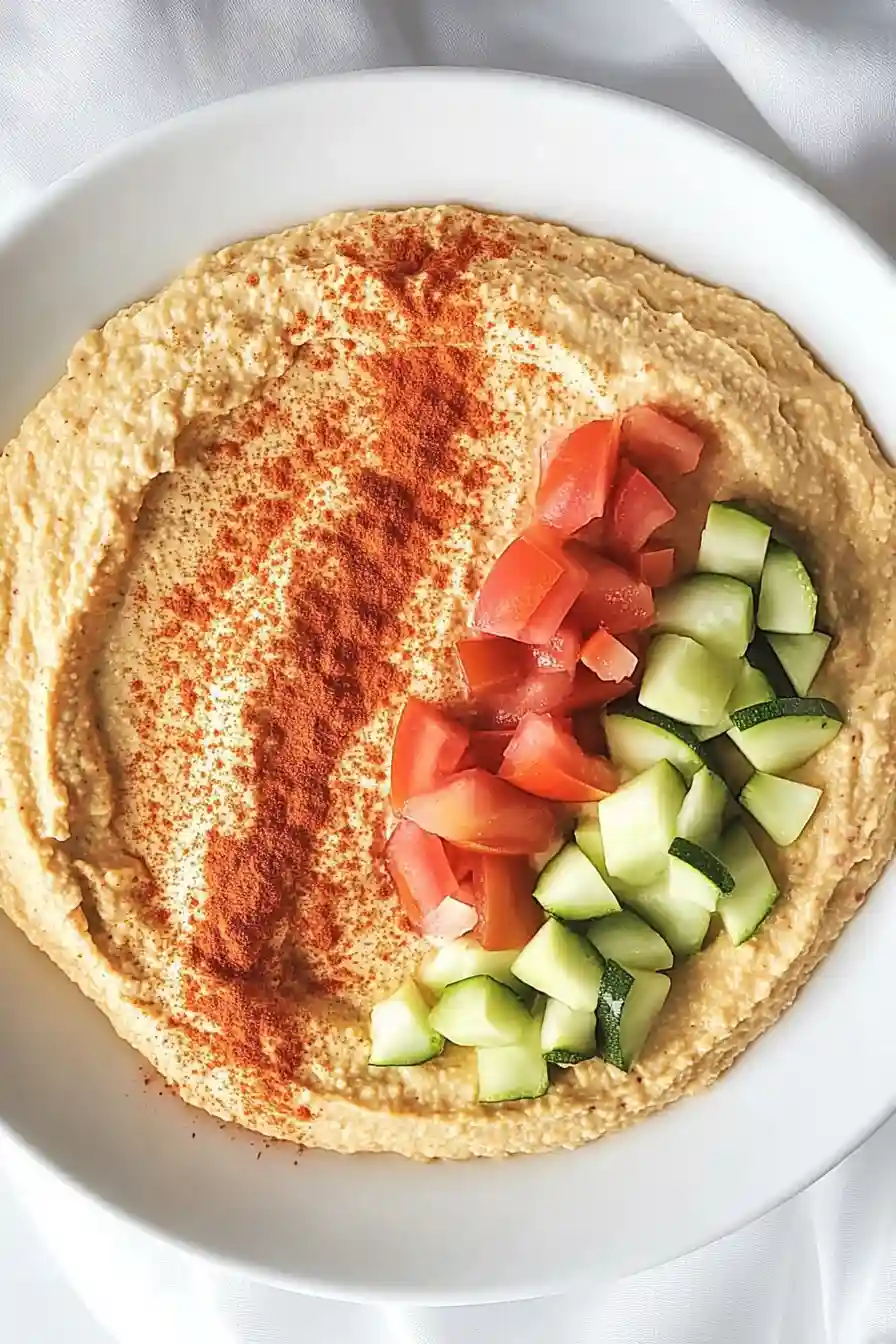
Why You’ll Love This Whole30 Hummus
- Diet-friendly – This legume-free hummus fits perfectly into your Whole30, paleo, and low-carb lifestyle while still giving you that classic hummus experience you crave.
- Veggie-packed – Using zucchini as the base sneaks in extra vegetables while keeping all the creamy texture you expect from traditional hummus.
- Simple ingredients – You only need a handful of clean, whole ingredients that are easy to find at your local grocery store.
- Versatile dip – Perfect for dipping vegetables, spreading on compliant wraps, or adding to your meal prep bowls – this hummus works as a snack or meal addition.
What Kind of Zucchini Should I Use?
For this mock hummus recipe, you can use any size zucchini you have on hand – just adjust the quantity based on their size. Medium-sized zucchinis (about 6-8 inches long) are usually your best bet since they tend to have smaller seeds and firmer flesh than larger ones. When shopping, look for zucchinis that feel heavy for their size and have smooth, blemish-free skin with a dark green color. If you can only find larger zucchinis, just be sure to scoop out the seedy center before using them, as the seeds can make your hummus slightly watery.
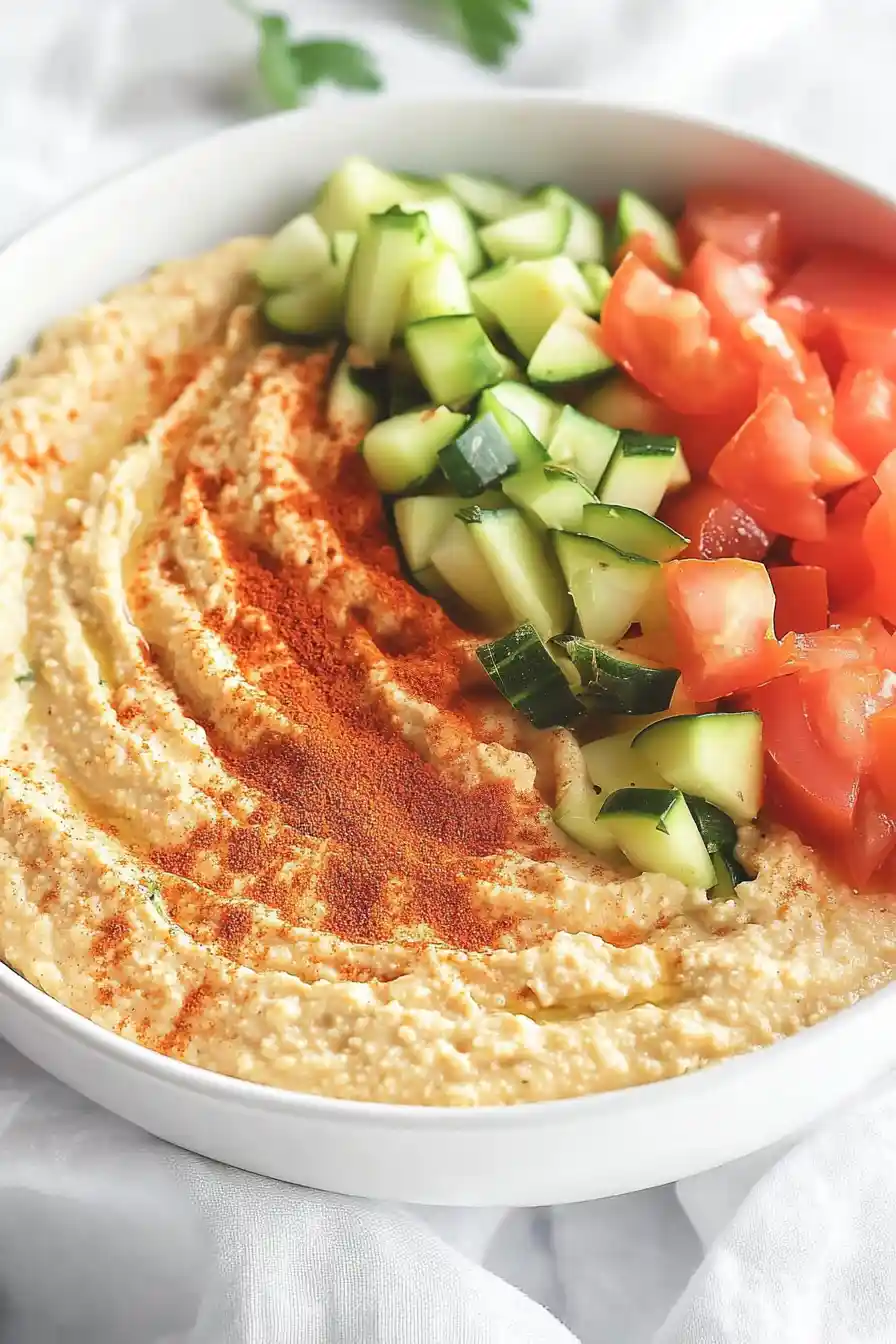
Options for Substitutions
This Whole30-friendly hummus recipe can be tweaked in several ways while keeping it compliant:
- Zucchini: Since zucchini is the base that replaces chickpeas, you could use yellow summer squash instead – it has a similar texture and water content. Just make sure to drain it well like you would the zucchini.
- Coconut oil: You can swap coconut oil with olive oil or avocado oil – both are Whole30 approved and work great in this recipe.
- Tahini: Tahini is pretty important for that classic hummus flavor, but if you’re in a pinch, you can use sunflower seed butter. Keep in mind this will change the taste quite a bit.
- Roasted red peppers: If you don’t have jarred roasted peppers, you can easily make your own by roasting a fresh red bell pepper under the broiler until charred, or leave them out completely for a simpler dip.
- Fresh lemon juice: While fresh is best, you can use lime juice instead, or if needed, a splash of apple cider vinegar will add that tangy kick.
Watch Out for These Mistakes While Cooking
The biggest challenge when making zucchini-based hummus is dealing with excess moisture, which can make your dip watery and diluted – be sure to roast the zucchini until it’s well-browned and let it cool completely before blending.
Getting the right consistency depends on properly draining the roasted zucchini; after cooling, press it gently between paper towels to remove any remaining liquid that could make your hummus runny.
When blending, start with less tahini and lemon juice than the recipe calls for, then adjust to taste – it’s much easier to add more than to fix an overly strong or tart hummus.
A common mistake is rushing the blending process; for the smoothest results, let your food processor run for at least 3-4 minutes, stopping occasionally to scrape down the sides of the bowl.
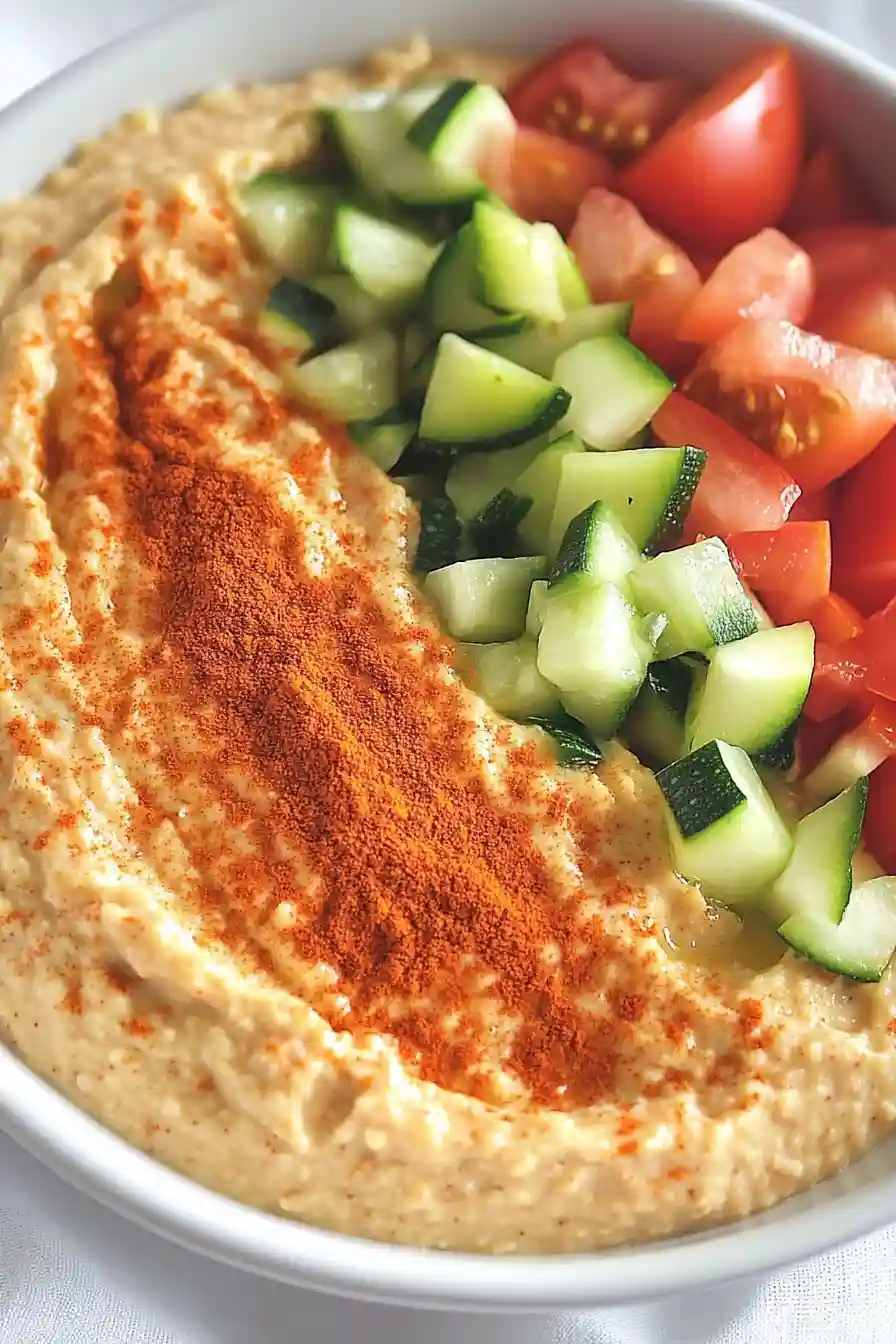
What to Serve With Whole30 Hummus?
Since this zucchini-based hummus is perfect for snacking and entertaining, you’ll want plenty of dipping options that stick to Whole30 guidelines! Fresh vegetables like carrot sticks, cucumber rounds, bell pepper strips, and celery make perfect partners for scooping up this creamy dip. For something more substantial, try serving it with roasted sweet potato wedges or plantain chips (just make sure they’re Whole30 compliant). You can also use this hummus as a spread in lettuce wraps filled with grilled chicken and fresh vegetables, or dollop it onto a Mediterranean-style salad bowl with olives, grilled vegetables, and compliant protein of your choice.
Storage Instructions
Keep Fresh: This zucchini-based hummus stays good in the fridge for up to 5 days when kept in an airtight container. The flavors actually get better after a day or two as they have time to mingle together! Give it a quick stir before serving if you notice any separation.
Pack: This makes a great meal prep option! Portion it into smaller containers and pack with cut veggies or compliant crackers for easy grab-and-go snacks throughout the week. If you notice it getting a bit thick after storing, just stir in a tiny splash of water or lemon juice to reach your desired consistency.
Note: Unlike traditional chickpea hummus, this zucchini version isn’t ideal for freezing since zucchini can get watery when thawed. It’s best to make this in batches you’ll enjoy within the week!
| Preparation Time | 10-15 minutes |
| Cooking Time | 20-30 minutes |
| Total Time | 200-150 minutes |
| Level of Difficulty | Easy |
Estimated Nutrition
Estimated nutrition for the whole recipe (without optional ingredients):
- Calories: 600-700
- Protein: 15-20 g
- Fat: 50-60 g
- Carbohydrates: 30-35 g
Ingredients
For the roasted zucchini:
- 1 tsp salt
- 1/2 tsp black pepper
- 1 tbsp melted coconut oil (I use Nutiva refined coconut oil)
- 2 large zucchinis
For the hummus:
- 2 tbsp fresh lemon juice (for brightness and acidity)
- 4 oz roasted red pepper
- 3-4 garlic cloves (freshly minced for best flavor)
- 1/2 cup tahini
Step 1: Prepare and Roast the Zucchini
Preheat your oven to 400°F (200°C) and line a sheet tray with parchment paper.
Cut the zucchini into small, evenly-sized pieces and arrange them on the prepared tray.
Drizzle the zucchini pieces with coconut oil and season with salt and pepper.
Roast the zucchini in the oven for 20 minutes, or until they are tender.
After roasting, allow them to cool for about 10 minutes.
Step 2: Blend the Zucchini Mixture
Once the zucchini has cooled slightly, transfer the pieces to a food processor or blender.
Add in tahini, garlic, and lemon juice.
Process the mixture until it becomes completely smooth and well combined.
Step 3: Incorporate Roasted Red Pepper
Add the roasted red pepper to the zucchini mixture in the food processor or blender.
Blend again until the red pepper is thoroughly mixed in, and the dip achieves a creamy and smooth consistency.
Step 4: Chill and Serve
For the best flavor, chill the zucchini and red pepper dip in the refrigerator for a couple of hours before serving.
Serve the chilled dip with fresh veggies for a delicious snack or appetizer.
Step 5: Storage Instructions
Store any leftover dip in an airtight container in the fridge.
It will keep well for up to a week, making it a convenient option for snacking throughout the week.

