Sometimes the simplest dishes are the ones that hit the spot. After a long day of work and getting the kids to their activities, I don’t want to spend an hour in the kitchen. I want something that tastes good and comes together fast.
That’s where these garlic udon noodles come in. They’re ready in about 15 minutes, use ingredients I always have on hand, and make everyone at the table happy. The thick, chewy noodles soak up all that garlicky goodness, and there’s something so satisfying about twirling them around your fork.
I started making these on busy weeknights when I needed dinner on the table quick. Now they’ve become a regular request from my family. Sometimes I’ll add whatever vegetables are in the fridge, but honestly, they’re perfect just as they are.
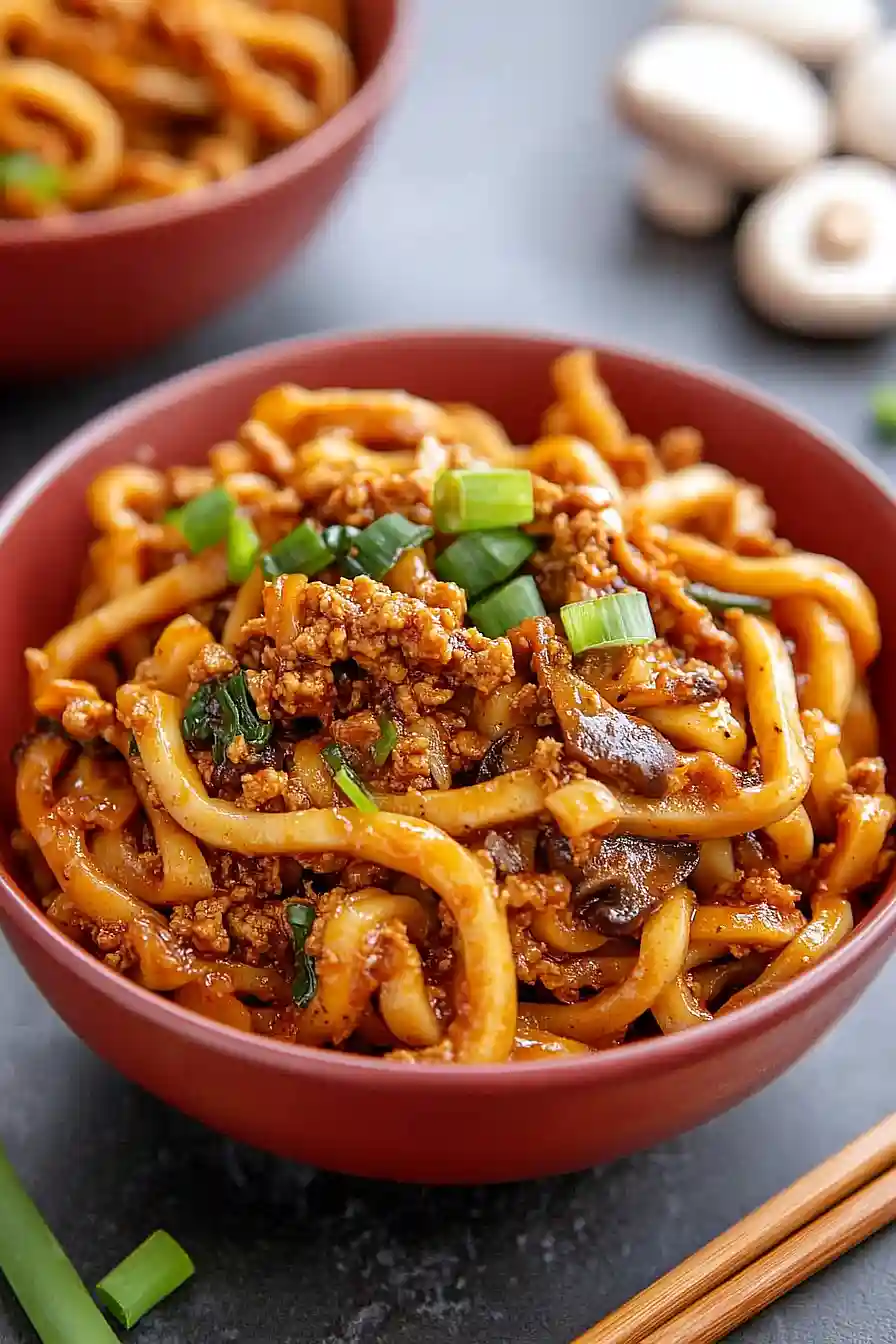
Why You’ll Love These Garlic Udon Noodles
- Quick weeknight dinner – Ready in just 25-35 minutes, this recipe is perfect when you want something satisfying without spending hours in the kitchen.
- Plant-based protein – The crumbled tofu adds hearty texture and makes this a complete, filling meal that vegetarians and meat-eaters alike will enjoy.
- Bold, savory flavors – The combination of garlic, gochugaru, and sesame oil creates an addictive umami-packed sauce that coats every chewy noodle perfectly.
- Simple pantry ingredients – Most of these ingredients are Asian pantry staples you probably already have, making it easy to whip up whenever a craving hits.
- Customizable heat level – You can adjust the gochugaru to your spice preference, making it mild for sensitive palates or fiery for heat lovers.
What Kind of Udon Noodles Should I Use?
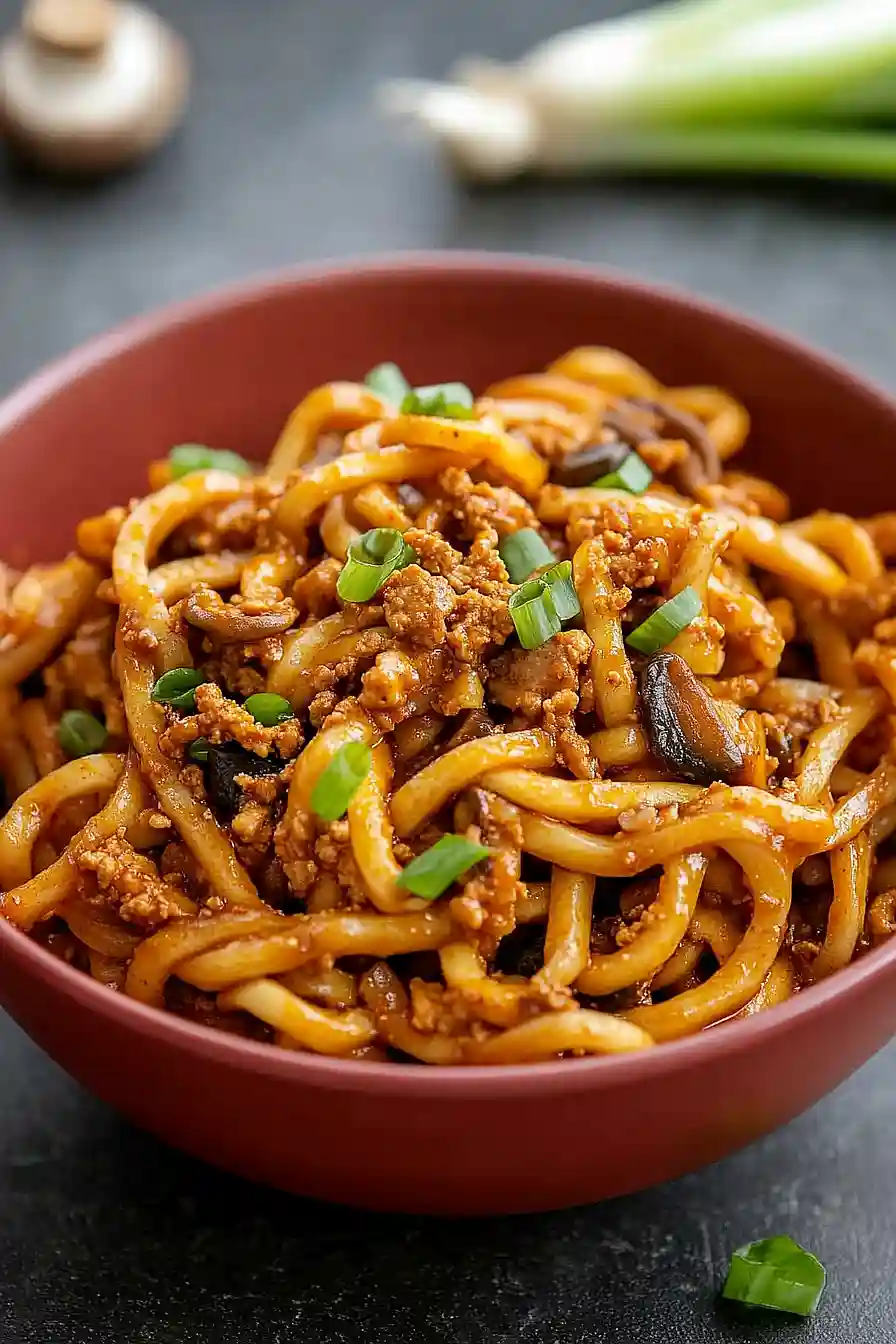
For this recipe, fresh udon noodles are your best bet since they have that perfect chewy texture that makes udon so satisfying. You can find them in the refrigerated section of most Asian grocery stores, and they usually come in vacuum-sealed packages. If you can’t find fresh udon, frozen ones work great too – just thaw them out first and give them a quick rinse. Dried udon noodles are also an option, but you’ll need to cook them according to the package directions before adding them to your stir-fry. The key is to look for thick, white wheat noodles that will hold up well to all that garlic and sauce without getting mushy.
Options for Substitutions
This udon recipe is pretty forgiving when it comes to swaps, so here are some options if you’re missing ingredients:
- Fresh udon noodles: If you can’t find fresh udon, dried udon works great – just cook according to package directions first. You can even use thick rice noodles or ramen noodles in a pinch, though the texture will be different.
- Gochugaru: No gochugaru? Try red pepper flakes, cayenne pepper, or paprika for heat. Start with less since gochugaru is milder than most chili powders.
- Vegetarian mushroom oyster sauce: Regular oyster sauce works if you’re not vegetarian, or you can use hoisin sauce or teriyaki sauce. Just taste and adjust the sugar since these sauces have different sweetness levels.
- Extra firm tofu: You can swap this with firm tofu (just press out extra water first), or go completely different with scrambled eggs, ground meat, or even more mushrooms for a vegetarian option.
- Shiitake mushrooms: Any mushroom works here – button mushrooms, cremini, or king oyster mushrooms are all good choices. Just slice them similarly to the shiitakes.
- Dark soy sauce: If you only have regular soy sauce, that’s fine – you’ll just miss out on some of the deeper color and slightly richer flavor that dark soy provides.
Watch Out for These Mistakes While Cooking
The biggest mistake when making garlic udon noodles is overcooking the fresh udon, which can turn them mushy and sticky – since they’re already cooked, you only need to heat them through for about 2-3 minutes in the pan. Another common error is not preparing all your ingredients beforehand, because this dish cooks quickly and you won’t have time to mince garlic or slice mushrooms once you start cooking. Don’t skip draining your tofu properly and patting it dry before crumbling, as excess moisture will make your noodles watery and prevent the tofu from getting a nice texture. Finally, resist the urge to add too much water when loosening the noodles – start with just 2 tablespoons and add more only if needed, since too much liquid will dilute your sauce and make the dish bland.
What to Serve With Garlic Udon Noodles?
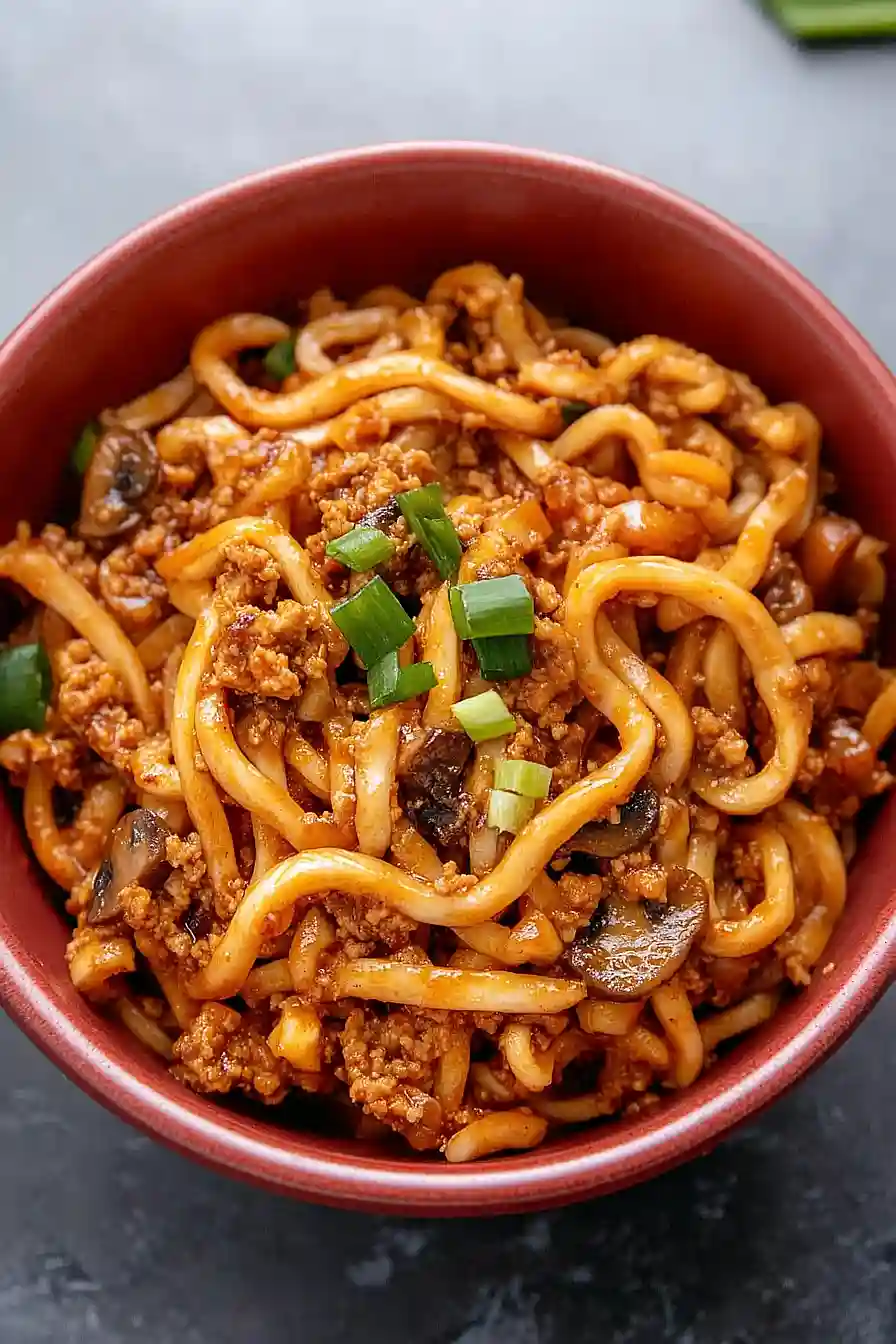
These savory garlic udon noodles are pretty satisfying on their own, but I love pairing them with some crispy Korean-style vegetables like pickled radish or cucumber salad to cut through the rich, garlicky flavors. A simple side of steamed edamame or some quick-pickled cabbage adds a nice fresh crunch that complements the chewy noodles perfectly. If you want to make it more of a complete meal, try serving it alongside some pan-fried dumplings or spring rolls for extra texture and flavor. You can also add a fried egg on top of each bowl – the runny yolk mixes beautifully with the sauce and makes everything even more delicious.
Storage Instructions
Refrigerate: These garlic udon noodles taste great as leftovers! Store them in the fridge in an airtight container for up to 3 days. The noodles will absorb some of the sauce as they sit, which actually makes them even more flavorful the next day.
Freeze: You can freeze portions of this dish for up to 1 month, though the noodle texture might change slightly after thawing. I like to portion it out in freezer-safe containers so I can grab individual servings when I need a quick meal.
Warm Up: To bring your udon back to life, add a splash of water or soy sauce to a pan and stir-fry the noodles over medium heat for 2-3 minutes. You can also microwave them with a tablespoon of water, stirring halfway through. Fresh green onions on top make it taste like new again!
| Preparation Time | 10-15 minutes |
| Cooking Time | 15-20 minutes |
| Total Time | 25-35 minutes |
| Level of Difficulty | Easy |
Estimated Nutrition
Estimated nutrition for the whole recipe (without optional ingredients):
- Calories: 900-1100
- Protein: 26-34 g
- Fat: 42-50 g
- Carbohydrates: 110-130 g
Ingredients
For the sauce:
- 1 tbsp gochugaru (Korean chili powder for vibrant color and moderate heat)
- 1 tbsp soy sauce (I use Kikkoman low-sodium)
- 1 tbsp vegetarian oyster sauce
- 1 tsp sesame seeds
- 1 tbsp water
- 1 tbsp sugar
- 1 tbsp sesame oil
For the noodles and tofu:
- 1 tsp dark soy sauce
- 14 oz fresh udon noodles
- 2 tbsp neutral oil (such as canola or grapeseed), divided
- 1/2 lb extra firm tofu (crumbled into small pieces, about 1/4-inch)
For the aromatics and mushrooms:
- 1 tbsp minced garlic (freshly minced for best flavor)
- 3.5 oz shiitake mushrooms (sliced thinly)
- 2 green onions (thinly sliced, white and green parts separated)
For stir-frying and finishing:
- 2-4 tbsp water (to add as needed while cooking noodles)
- Extra sliced green onions (for garnish)
Step 1: Prepare Udon Noodles
- 14 oz fresh udon noodles (2 packets)
If using instant fresh udon noodles or ‘cakes’ in packets, soak them in hot water for a few minutes or run them under hot water to carefully separate.
Avoid forcing the noodles if they are clumped together, as they can break easily.
Drain and set aside.
Step 2: Mix the Sauce
- 1 tbsp gochugaru or other chili powder
- 1 tbsp vegetarian mushroom oyster sauce or stir-fry sauce
- 1 tbsp soy sauce
- 1 tbsp granulated sugar
- 1 tsp sesame seeds
- 1 tbsp sesame oil
- 1 tbsp water
In a bowl, combine gochugaru or other chili powder, vegetarian mushroom oyster sauce or stir-fry sauce, soy sauce, granulated sugar, sesame seeds, sesame oil, and 1 tablespoon of water.
Mix well until the sugar dissolves and the sauce is uniform.
Taste and adjust the spice level to your preference.
Set the sauce aside.
Step 3: Cook and Season the Tofu
- 1/2 lb extra firm tofu, crumbled
- 1 tbsp neutral oil
- 1 tsp dark soy sauce
Heat a large wok or non-stick pan over medium-high heat.
Add 1 tablespoon neutral oil.
Once hot, add the crumbled tofu and continue to crumble it in the pan if there are any large chunks.
Let the tofu cook undisturbed for 3-4 minutes to crisp and brown at the bottom.
As it cooks, it will dry up and resemble minced meat.
Season with dark soy sauce and mix well.
Continue to cook for another 3-4 minutes until the tofu completely dries out to a meaty texture, then push it to one side of the pan.
Step 4: Sauté Aromatics and Mushrooms
- 1 tbsp minced garlic
- 1 tbsp neutral oil
- 2 green onions or scallions, thinly sliced and divided
- 3.5 oz shiitake or assorted mushrooms, sliced
Add the remaining 1 tablespoon neutral oil to the empty side of the pan.
Add minced garlic and sauté over medium heat until fragrant, about 30 seconds.
Add half of the sliced green onions or scallions and cook for 1 minute.
Stir in the sliced shiitake or assorted mushrooms and stir-fry for 2-3 minutes until tender.
I recommend letting the mushrooms brown slightly for extra flavor.
Step 5: Combine Noodles, Sauce, and Finish Cooking
- noodles (from Step 1)
- sauce (from Step 2)
- crumbled tofu from Step 3
- mushrooms and aromatics from Step 4
- 2 to 4 tbsp water (to add as needed while cooking noodles)
Add the prepared udon noodles (from Step 1) to the pan with the tofu and mushroom mixture.
Pour the sauce (from Step 2) over the noodles and toss everything together until the noodles are evenly coated.
Cook over medium-high heat for 2-3 minutes.
If the noodles seem dry or need more cooking, add 2 to 4 tablespoons water gradually and mix well.
Taste the noodles and season with a pinch of salt and pepper if desired.
I like to add a splash more sesame oil at this stage for a richer finish.
Step 6: Garnish and Serve
- extra sliced green onions or scallions, for serving
Turn off the heat.
Top the finished noodles with the remaining sliced green onions or scallions, a sprinkle of sesame seeds if desired, and serve hot.
I always find that a little extra green onion makes each bite more vibrant.