If you ask me, mashed potatoes don’t have to be boring.
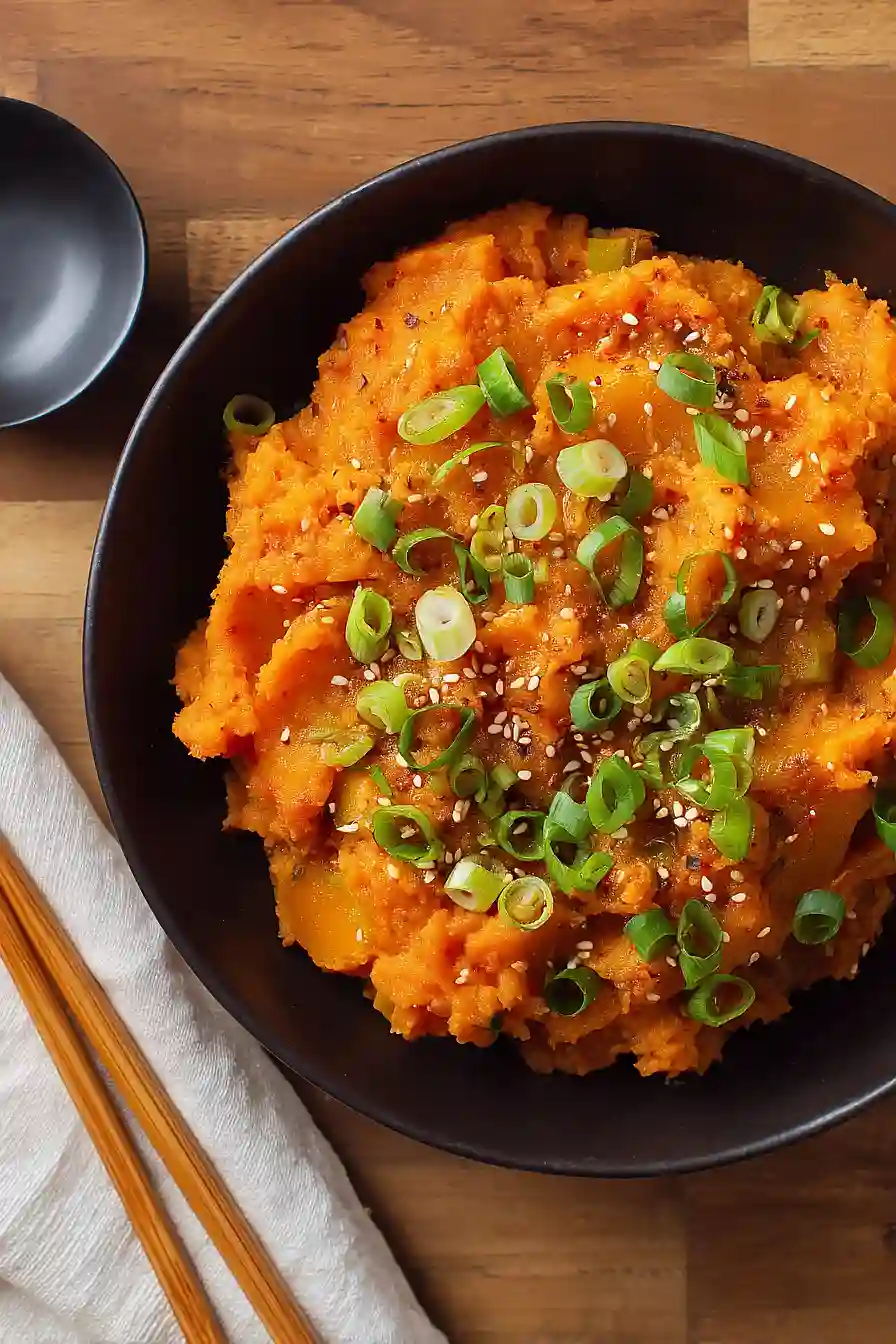
This Korean-inspired side dish takes regular red potatoes and gives them a spicy, savory twist with gochujang and soy sauce. The creamy texture comes from soy milk instead of heavy cream, keeping things on the lighter side.
Toasted sesame oil adds a nutty depth, while rice vinegar brings a slight tang that balances out the heat. Fresh scallions and cilantro mixed throughout give it pops of flavor in every bite.
It’s a simple weeknight side that pairs well with grilled meats or stands on its own as a comfort food dish with a kick.
Why You’ll Love These Korean Mashed Potatoes
- Unique twist on a classic – The gochujang adds a spicy, savory kick that takes ordinary mashed potatoes to a whole new level of flavor.
- Ready in 30-40 minutes – This side dish comes together quickly, making it perfect for weeknight dinners when you want something special without spending hours in the kitchen.
- Simple ingredients – You only need a handful of pantry staples and red potatoes to create this flavorful dish.
- Naturally vegan-friendly – Using plant-based milk and oil instead of butter and cream makes this a great option for anyone following a vegan diet or looking for a lighter side dish.
What Kind of Potatoes Should I Use?
Red skinned potatoes are the go-to choice for this recipe because they have a naturally creamy texture and hold their shape well when boiled. You can leave the skins on for extra texture and nutrients, or peel them if you prefer a smoother mash. If you can’t find red potatoes, Yukon Golds are a great substitute since they’re also buttery and smooth when mashed. Regular russet potatoes will work in a pinch, but they tend to be a bit more starchy and may need a little extra liquid to get that creamy consistency you’re looking for.
Options for Substitutions
This recipe is pretty forgiving when it comes to swaps, so here are some options if you need them:
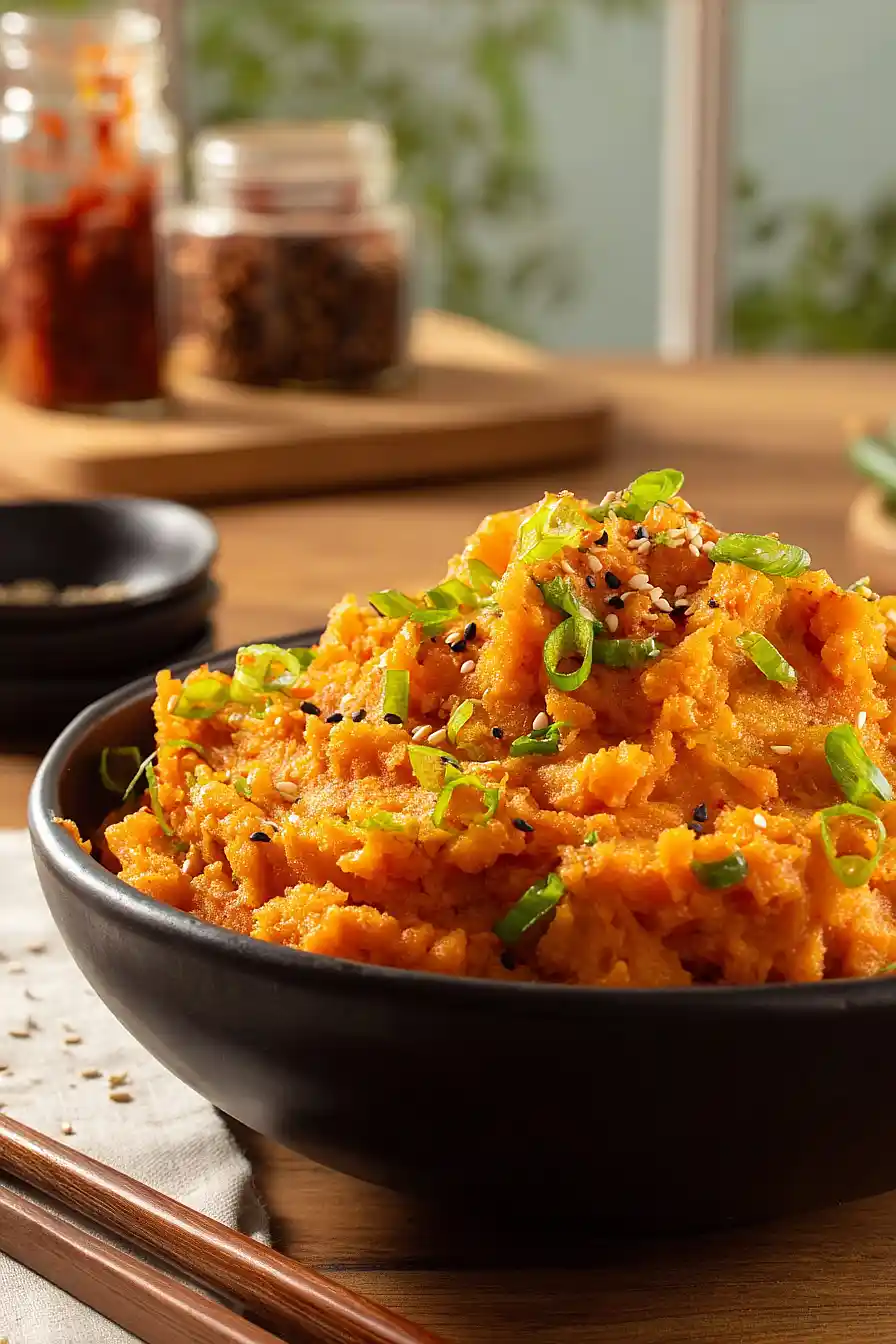
- Red skinned potatoes: Yukon golds work great here and give you a creamier texture. Russets are fine too, but they’ll make your mash a bit fluffier and less dense. Just stick with the same amount.
- Gochujang: This Korean chili paste is really what makes these potatoes special, so I’d recommend keeping it if possible. But if you’re in a bind, you can mix sriracha with a bit of miso paste to get a similar spicy-savory vibe, though the flavor won’t be quite the same.
- Rice vinegar: Apple cider vinegar or white wine vinegar work just fine. Start with a little less since they can be sharper than rice vinegar, then adjust to taste.
- Soy sauce or tamari: These are pretty interchangeable – tamari is just gluten-free. Coconut aminos work too if you’re avoiding soy, though they’re a bit sweeter.
- Grape seed oil: Any neutral oil like canola, vegetable, or avocado oil works here. You can also use vegan butter or regular butter if you prefer.
- Soy or almond milk: Any plant-based milk works – oat, cashew, or coconut milk are all good choices. Regular dairy milk is fine too if you’re not keeping it vegan.
Watch Out for These Mistakes While Cooking
The biggest mistake when making Korean mashed potatoes is adding all the milk at once, which can quickly turn your potatoes into soup – start with just 1/4 cup and gradually add more until you reach your preferred consistency.
Leaving the skins on your red potatoes adds texture and nutrients, but make sure to scrub them well and cut them into even quarters so they cook at the same rate.
Another common error is mashing the potatoes when they’re not hot enough, as cold potatoes absorb liquid differently and can become gummy, so mash them right after draining while they’re still steaming.
Finally, taste as you go when adding the gochujang since different brands vary in spice level – you can always add more heat, but you can’t take it away.
What to Serve With Korean Mashed Potatoes?
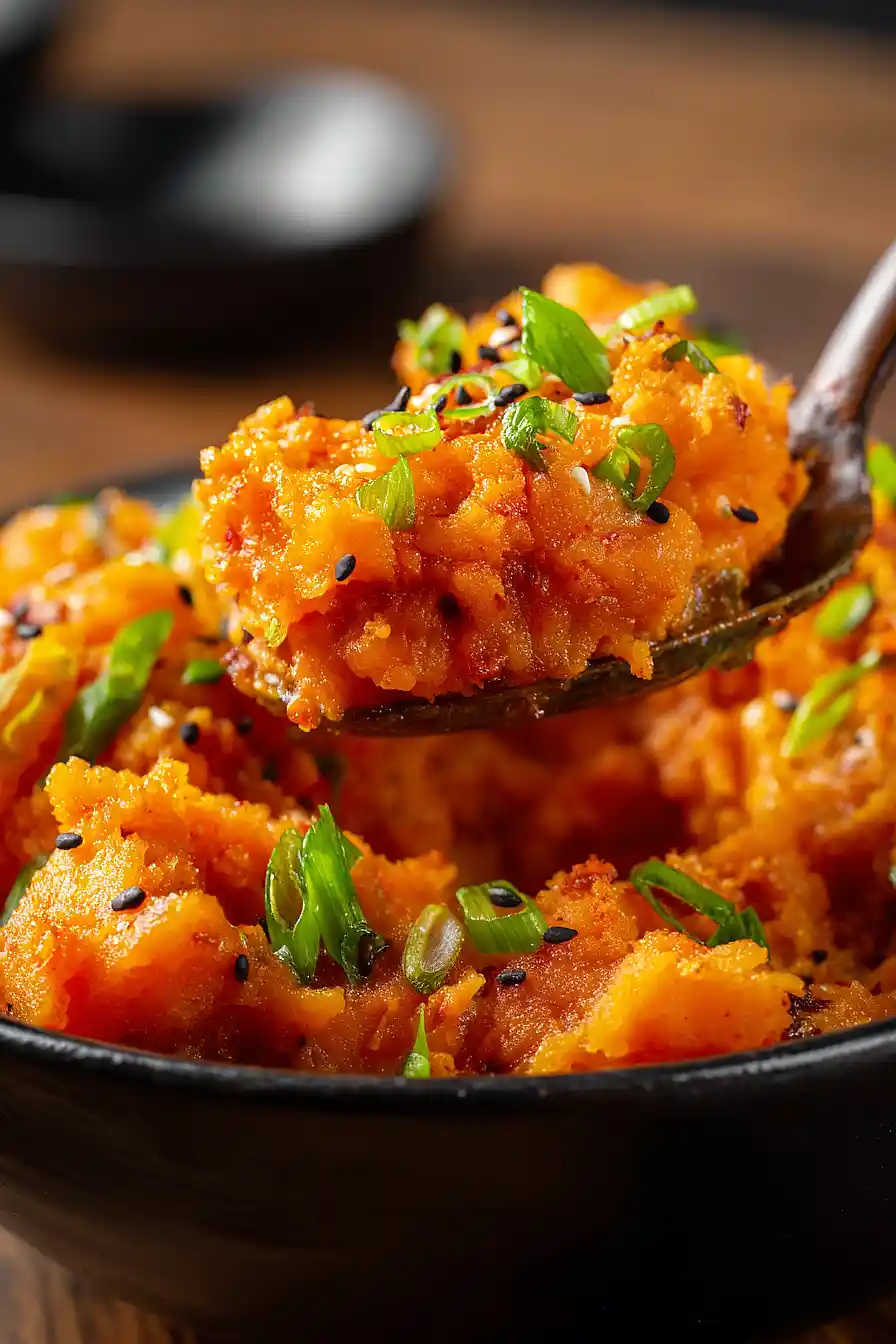
These Korean mashed potatoes are packed with bold flavors from the gochujang and sesame oil, so they pair really well with simple grilled or baked proteins like chicken thighs, salmon, or tofu. I love serving them alongside some quick sautéed bok choy or steamed broccoli to balance out the richness and add some green to the plate. If you want to go all-in on Korean flavors, try them with bulgogi beef or Korean-style short ribs. You can also serve them as a side dish at a barbecue – they’re a fun twist on regular mashed potatoes that everyone will want to try.
Storage Instructions
Store: Keep your Korean mashed potatoes in an airtight container in the fridge for up to 4 days. The flavors actually get even better after a day or two as everything melds together. Just give them a good stir before serving since they might separate a bit.
Freeze: These mashed potatoes freeze pretty well for up to 2 months. Let them cool completely first, then store in a freezer-safe container. Just know that the texture might be slightly different after freezing, but the flavor will still be there.
Reheat: Warm them up in the microwave with a splash of extra soy or almond milk to bring back that creamy texture. You can also reheat on the stovetop over low heat, stirring often and adding a bit more liquid if needed to loosen them up.
| Preparation Time | 5-10 minutes |
| Cooking Time | 20-30 minutes |
| Total Time | 30-40 minutes |
| Level of Difficulty | Easy |
| Servings | 4 servings |
Estimated Nutrition
Estimated nutrition for the whole recipe (without optional ingredients):
- Calories: 1100-1250
- Protein: 22-28 g
- Fat: 17-23 g
- Carbohydrates: 220-250 g
Ingredients
- 1 tbsp grapeseed oil (or any neutral oil like canola)
- 2 tbsp soy sauce
- scallions (thinly sliced, about 1/4-inch pieces)
- 2 lb red potatoes (unpeeled, cut into 1-inch chunks)
- sesame seeds (for garnish and crunch)
- fresh cilantro (chopped, optional but recommended)
- 2 tbsp rice vinegar
- 1/4 cup gochujang (Korean red chili paste, for authentic flavor)
- 1/2 cup soy milk (unsweetened preferred)
- 1 tsp sesame oil (adds rich, toasted flavor)
Step 1: Prepare Ingredients and Start Cooking Potatoes
- 2 lb red potatoes, cut into 1-inch chunks
- scallions
- fresh cilantro
- 1/4 cup gochujang
- 2 tbsp rice vinegar
- 2 tbsp soy sauce
- 1/2 cup soy milk
- 1 tbsp grapeseed oil
- 1 tsp sesame oil
Cut the red potatoes into 1-inch chunks, leaving the skin on for texture and nutrients.
Thinly slice the scallions, separating the white and light green parts from the darker green tops (we’ll use these separately for better flavor).
Chop the cilantro if using.
Measure out the gochujang, rice vinegar, soy sauce, soy milk, grapeseed oil, and sesame oil into small bowls for easy access.
Bring a large pot of salted water to a boil, then add the potato chunks.
Simmer for about 20 minutes until the potatoes are very tender and easily pierced with a fork.
Step 2: Mash Potatoes and Build the Sauce Base
- cooked potatoes from Step 1
Drain the cooked potatoes thoroughly in a colander, reserving about 1/4 cup of the starchy cooking water.
Return the drained potatoes to the hot pot off the heat.
Begin mashing them with a potato masher, leaving some texture—we want some small chunks remaining for an authentic Korean-style consistency.
I prefer not to over-mash because it creates a gluey texture; a few small lumps add character to the dish.
Step 3: Incorporate Flavoring and Cream the Mixture
- mashed potatoes from Step 2
- 1/4 cup gochujang
- 2 tbsp rice vinegar
- 2 tbsp soy sauce
- 1 tbsp grapeseed oil
- 1 tsp sesame oil
- 1/2 cup soy milk
- reserved potato cooking water
While the potatoes are still warm, add the gochujang, rice vinegar, soy sauce, grapeseed oil, sesame oil, and soy milk to the pot.
Stir vigorously to combine, using the heat of the potatoes to help blend the gochujang smoothly into the mixture.
If the consistency feels too thick, add some of the reserved cooking water a tablespoon at a time until you reach your desired texture—creamy but still slightly chunky.
The sesame oil adds a wonderful nutty depth that’s characteristic of Korean cuisine, so don’t skip it even though it’s just a teaspoon.
Step 4: Finish with Fresh Garnishes and Serve
- creamed potato mixture from Step 3
- sesame seeds
- scallion greens
- fresh cilantro
Transfer the mashed potatoes to a serving bowl or individual portions.
Top generously with toasted sesame seeds for crunch and visual appeal, then scatter the reserved darker green scallion tops and fresh cilantro over the top.
The contrast of the warm, spiced potatoes with these fresh, bright garnishes is essential to the dish’s final flavor profile.
Tasty Korean Mashed Potatoes
Ingredients
- 1 tbsp grapeseed oil (or any neutral oil like canola)
- 2 tbsp soy sauce
- scallions (thinly sliced, about 1/4-inch pieces)
- 2 lb red potatoes (unpeeled, cut into 1-inch chunks)
- sesame seeds (for garnish and crunch)
- fresh cilantro (chopped, optional but recommended)
- 2 tbsp rice vinegar
- 1/4 cup gochujang (Korean red chili paste, for authentic flavor)
- 1/2 cup soy milk (unsweetened preferred)
- 1 tsp sesame oil (adds rich, toasted flavor)
Instructions
- Cut the red potatoes into 1-inch chunks, leaving the skin on for texture and nutrients. Thinly slice the scallions, separating the white and light green parts from the darker green tops (we'll use these separately for better flavor). Chop the cilantro if using. Measure out the gochujang, rice vinegar, soy sauce, soy milk, grapeseed oil, and sesame oil into small bowls for easy access. Bring a large pot of salted water to a boil, then add the potato chunks. Simmer for about 20 minutes until the potatoes are very tender and easily pierced with a fork.
- Drain the cooked potatoes thoroughly in a colander, reserving about 1/4 cup of the starchy cooking water. Return the drained potatoes to the hot pot off the heat. Begin mashing them with a potato masher, leaving some texture—we want some small chunks remaining for an authentic Korean-style consistency. I prefer not to over-mash because it creates a gluey texture; a few small lumps add character to the dish.
- While the potatoes are still warm, add the gochujang, rice vinegar, soy sauce, grapeseed oil, sesame oil, and soy milk to the pot. Stir vigorously to combine, using the heat of the potatoes to help blend the gochujang smoothly into the mixture. If the consistency feels too thick, add some of the reserved cooking water a tablespoon at a time until you reach your desired texture—creamy but still slightly chunky. The sesame oil adds a wonderful nutty depth that's characteristic of Korean cuisine, so don't skip it even though it's just a teaspoon.
- Transfer the mashed potatoes to a serving bowl or individual portions. Top generously with toasted sesame seeds for crunch and visual appeal, then scatter the reserved darker green scallion tops and fresh cilantro over the top. The contrast of the warm, spiced potatoes with these fresh, bright garnishes is essential to the dish's final flavor profile.