I have a soft spot for Italian food that feels fancy but isn’t complicated to make. Ricotta gnudi is one of those dishes that sounds like it came from a high-end restaurant menu, but it’s actually just a simple mix of cheese, flour, and a few basic ingredients. Think of them as the lighter, pillowy cousin of gnocchi – without all the potato-peeling work.
I stumbled upon this recipe years ago when I was looking for ways to use up extra ricotta cheese. Now it’s become one of those dishes I make when I want to impress friends without spending hours in the kitchen. The best part? You can prep these little dumplings ahead of time and cook them right before dinner. That’s my kind of cooking – simple but special enough to make any weeknight feel like a treat.
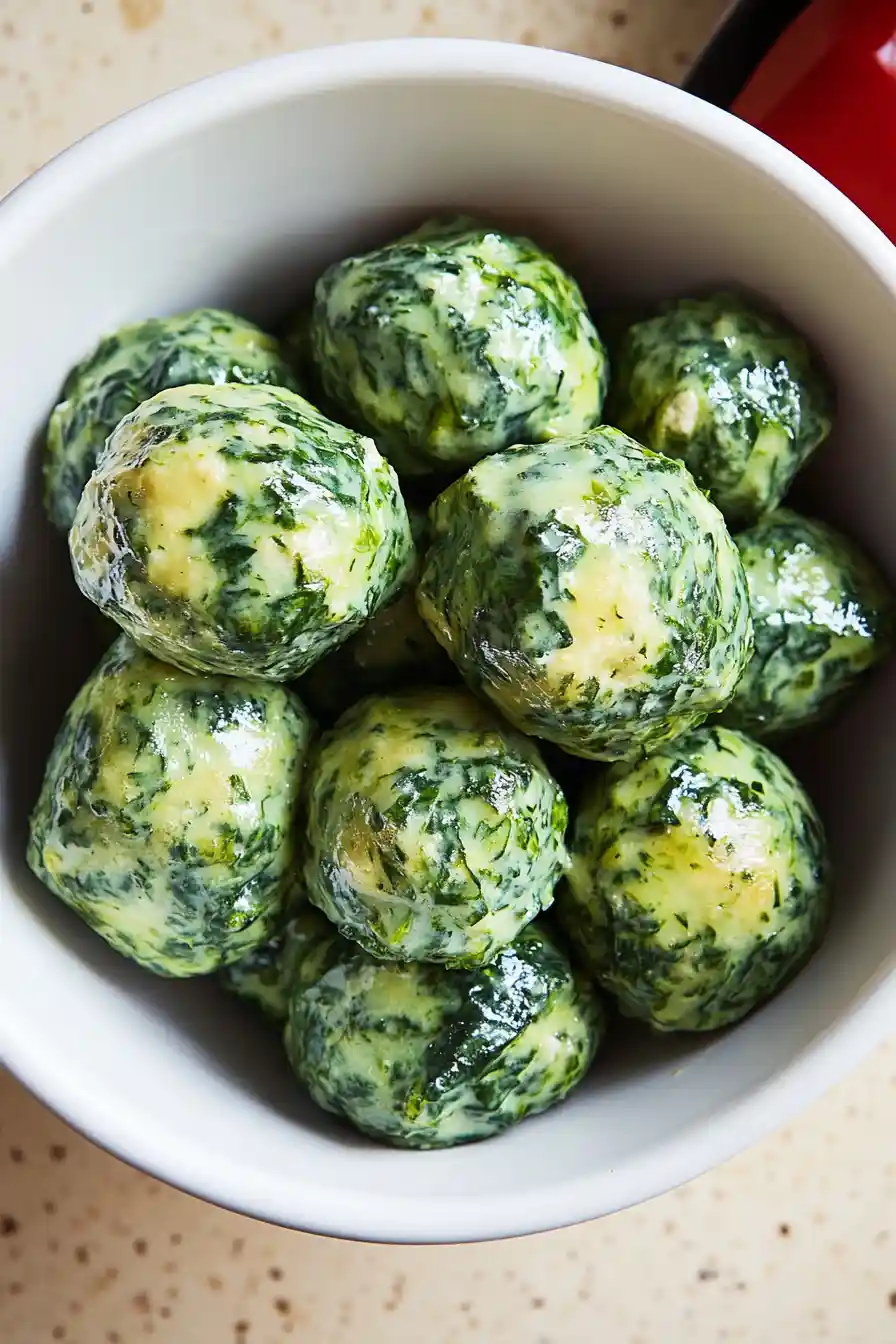
Why You’ll Love This Gnudi
- Quick homemade pasta alternative – These light, pillowy dumplings come together in just 30-45 minutes – much faster than traditional homemade pasta, but just as impressive.
- Simple ingredients – You only need a handful of basic ingredients that you can find at any grocery store, making this an accessible Italian dish you can make any night of the week.
- Foolproof preparation – Unlike fussy pasta dough, gnudi are very forgiving to make – just mix, shape, and cook. No special equipment or advanced techniques needed.
- Restaurant-quality results – These delicate cheese dumplings taste like something from an Italian restaurant, but cost a fraction of the price to make at home.
What Kind of Ricotta Should I Use?
For making gnudi, you’ll want to start with whole milk ricotta rather than part-skim, as it provides a better texture and richer flavor. The most important thing is to use fresh, good-quality ricotta that’s as dry as possible – the excess moisture can make your gnudi too soft to hold together. If your ricotta seems wet, you can strain it in a cheesecloth-lined strainer for a few hours or overnight in the fridge. Store-bought ricotta works fine, but if you can find fresh ricotta from an Italian deli or cheese shop, it’s worth the splurge. Just avoid any ricotta that feels grainy or has a sour smell, as these are signs it’s past its prime.
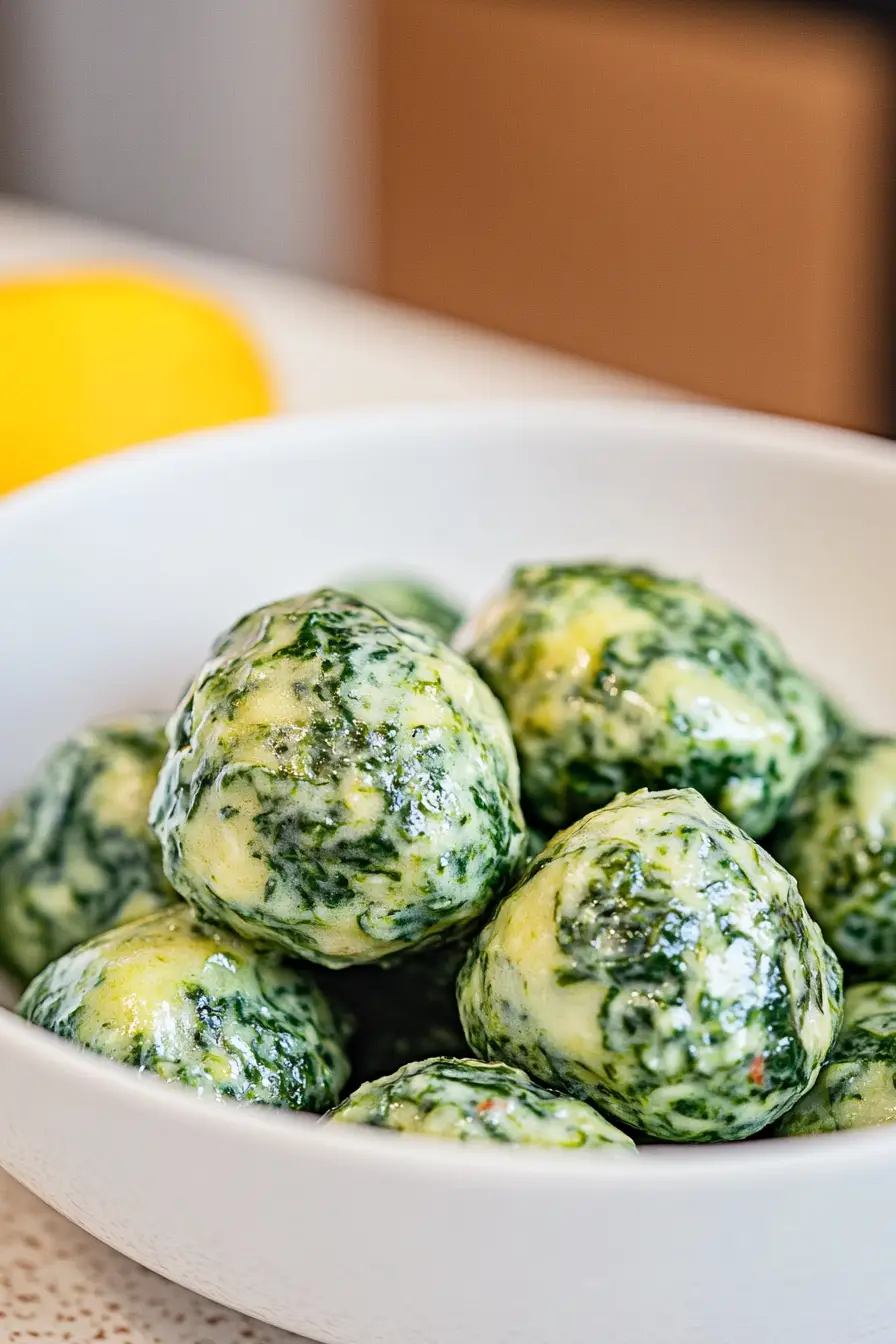
Options for Substitutions
While gnudi are pretty specific in their makeup, you do have some wiggle room with certain ingredients:
- Ricotta cheese: This is the star ingredient and can’t really be substituted – it’s what gives gnudi their signature texture and taste. Just make sure to drain it well before using.
- Spinach: You can swap spinach with well-drained Swiss chard or kale. Just make sure to cook and squeeze out all excess moisture, just like you would with spinach.
- Parmigiano cheese: Pecorino Romano or Grana Padano make good alternatives. They’re both hard Italian cheeses with similar salty, sharp flavors.
- Sage: Fresh thyme or basil can work instead. If using dried herbs, remember to use about 1/3 of the amount called for fresh herbs.
- All-purpose flour: You can use ’00’ flour if you have it, or cake flour for an even more tender result. Just avoid whole wheat flour as it will make the gnudi too heavy.
- Butter: For the sauce, you could use olive oil instead of butter, though you’ll miss out on that classic brown butter flavor.
Watch Out for These Mistakes While Cooking
The biggest challenge when making gnudi is getting the right consistency – too much moisture in your ricotta can lead to a mixture that’s impossible to shape, so make sure to drain your ricotta in a cheesecloth-lined strainer for at least 2 hours before starting. Another common mistake is adding too much flour, which can make your gnudi heavy and dense instead of light and pillowy – you’ll want to use just enough to hold the mixture together and coat the outside. When cooking these delicate dumplings, avoid overcrowding the pot as they need space to float freely, and never let the water reach a rolling boil as this can cause the gnudi to fall apart. For the best texture, remove them from the water as soon as they float to the surface (usually about 3-4 minutes) and immediately toss them in your prepared butter sauce.

What to Serve With Gnudi?
These light and pillowy ricotta dumplings are perfect with a simple brown butter and sage sauce, but there are lots of other tasty ways to serve them too! A fresh arugula salad with lemon dressing makes a nice side dish that cuts through the richness of the gnudi. If you want to make it more of a meal, try serving them with some roasted cherry tomatoes or sautéed mushrooms on top. Since gnudi are pretty filling on their own, I like to keep the portions modest and pair them with some crusty Italian bread to soak up all that good sauce.
Storage Instructions
Keep Fresh: If you’ve got uncooked gnudi, place them on a flour-dusted tray, cover with plastic wrap, and keep them in the fridge for up to 24 hours. For cooked gnudi, pop them in an airtight container and they’ll stay good in the fridge for 2-3 days.
Freeze: These little ricotta dumplings are perfect for freezing! Place uncooked gnudi on a baking sheet, freeze until solid (about 2 hours), then transfer to a freezer bag. They’ll keep well for up to 3 months. No need to thaw before cooking – just drop them straight into boiling water and add an extra minute or two to the cooking time.
Prepare Ahead: Want to get ahead? You can make the gnudi mixture a day before and keep it in the fridge. Just wait to shape them until you’re ready to cook. This makes them perfect for entertaining – do the prep work early, then cook them fresh when your guests arrive.
| Preparation Time | 20-30 minutes |
| Cooking Time | 10-15 minutes |
| Total Time | 30-45 minutes |
| Level of Difficulty | Medium |
Estimated Nutrition
Estimated nutrition for the whole recipe (without optional ingredients):
- Calories: 800-900
- Protein: 35-45 g
- Fat: 50-60 g
- Carbohydrates: 60-70 g
Ingredients
For the gnudi:
- 1/4 tsp black pepper
- 1/2 tsp nutmeg (freshly grated for best aroma)
- 1/2 cup grated Parmigiano cheese
- 1 cup all-purpose flour
- 16 oz ricotta cheese (whole milk preferred for richer flavor)
- 1/2 tsp salt
- 1 large egg
- 1 cup fresh spinach (blanched and squeezed dry)
For the sage butter sauce:
- 8 sprigs fresh sage
- 1/2 cup unsalted butter (I like Kerrygold unsalted butter)
Step 1: Prepare and Wilt the Spinach
Begin by boiling a large pot of water.
Once the water is at a rolling boil, add a generous amount of spinach and cook it for less than one minute, just until it wilts.
Drain the spinach thoroughly and transfer it to a bowl.
Squeeze the spinach to remove as much excess moisture as possible before chopping it finely.
Step 2: Mix Spinach with Ricotta and Seasoning
In a large bowl, combine the finely chopped spinach with ricotta cheese, one egg, a generous pinch of nutmeg, black pepper, and salt.
Mix the ingredients well until they are thoroughly combined, forming a uniform mixture.
Step 3: Form the Dough
Gradually incorporate all-purpose flour into the spinach and ricotta mixture.
Continue adding the flour and mixing until you achieve a dough-like consistency.
The exact amount of flour needed may vary, depending on the moisture content of the spinach and ricotta.
Once the dough is ready, shape it into small balls or dumplings and dust them lightly with more flour to prevent sticking.
Step 4: Cook the Sage Butter
In a pan over medium heat, melt some butter and add fresh sage leaves.
Let the butter infuse with the sage flavor while you prepare to cook the gnudi.
Step 5: Cook the Gnudi
Gently drop the formed gnudi into the pan with the sage butter, making sure not to overcrowd the pan by cooking them in batches.
Cook the gnudi until they float to the surface, which is an indication that they are done.
Step 6: Finish and Serve
Carefully transfer the cooked gnudi to a serving dish, basting them with the fragrant sage butter from the pan.
Serve immediately to enjoy the delicate flavor and texture of your homemade gnudi!
Actually, you can substitute. Here in Georgia (the country), we have nadugi which substitutes quite well for ricotta, especially in savory recipes.