Every gardener knows the frustration of persistent weeds that seem impossible to eliminate. These stubborn invaders can quickly take over gardens, lawns, and landscaped areas despite repeated removal attempts. They compete with desirable plants for nutrients, water, and sunlight while diminishing the beauty of your outdoor space.
Knowing exactly which products effectively target specific weeds can save you time, money, and endless frustration. Rather than using general weed killers that may provide inconsistent results, matching the right herbicide to each particular weed species ensures maximum effectiveness. This guide identifies the ten most challenging weeds and provides precise product recommendations to help you reclaim your garden with confidence.
1. Knotweed – Roundup Weed & Grass Killer
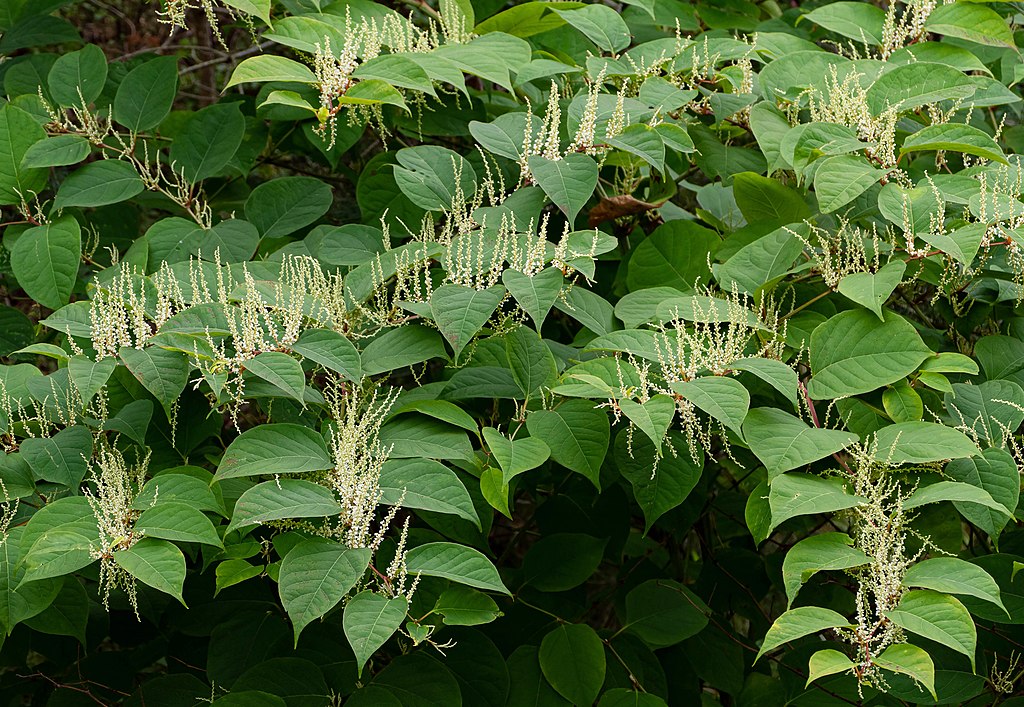
Japanese knotweed is one of the most resilient invasive plants with extensive underground rhizome systems. Its bamboo-like stems and heart-shaped leaves can grow through concrete and damage foundations, making it a property owner’s nightmare.
Roundup Weed & Grass Killer, containing glyphosate, effectively targets knotweed’s extensive root system. For best results, apply during late summer or early fall when the plant is transferring nutrients to its rhizomes.
Multiple applications are typically necessary for complete eradication. Cut stems to about 2 inches above ground before treatment to improve absorption. Always follow the product’s specific instructions for concentration and application method.
2. Bindweed – Ortho GroundClear Vegetation Killer
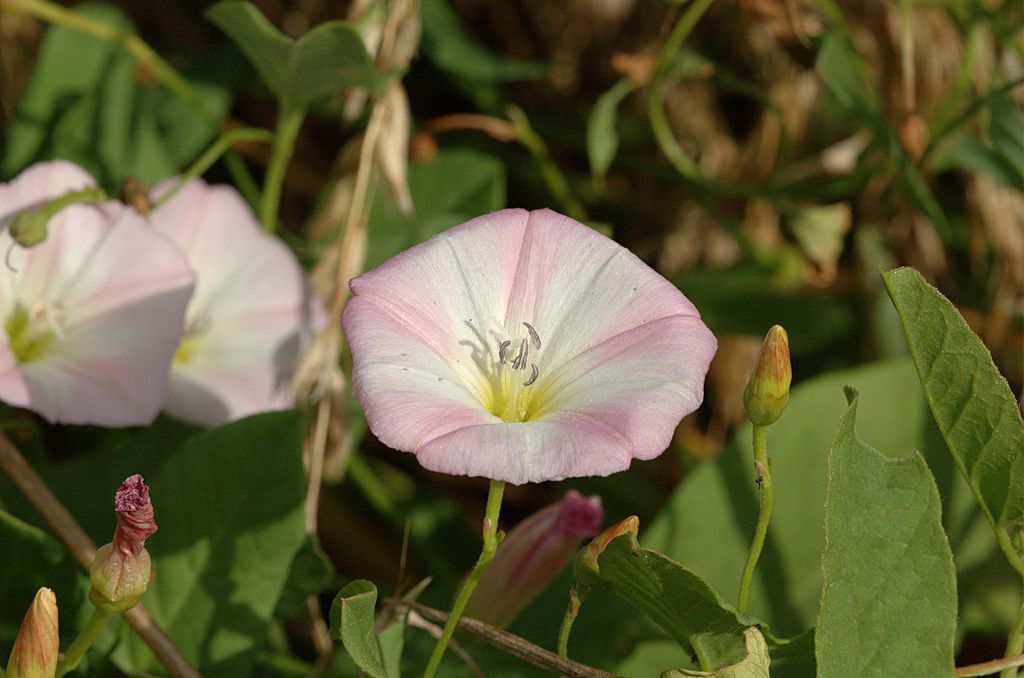
Bindweed is one of the most frustrating perennial weeds gardeners encounter. Its deep root system can extend up to 30 feet into the soil, making manual removal nearly impossible.
This climbing vine wraps around other plants, slowly choking them while stealing vital nutrients and sunlight. Once established, bindweed can spread rapidly through both its extensive root network and seed dispersal.
Ortho GroundClear Vegetation Killer effectively targets bindweed with its systemic formula. The active ingredients penetrate the waxy leaf surface and travel throughout the entire plant, including the deep root system.
For best results, apply when bindweed is actively growing and temperatures are above 60°F. Multiple applications may be necessary for complete control of severe infestations.
3. Poison Ivy – Bayer Advanced Poison Ivy & Tough Brush Killer
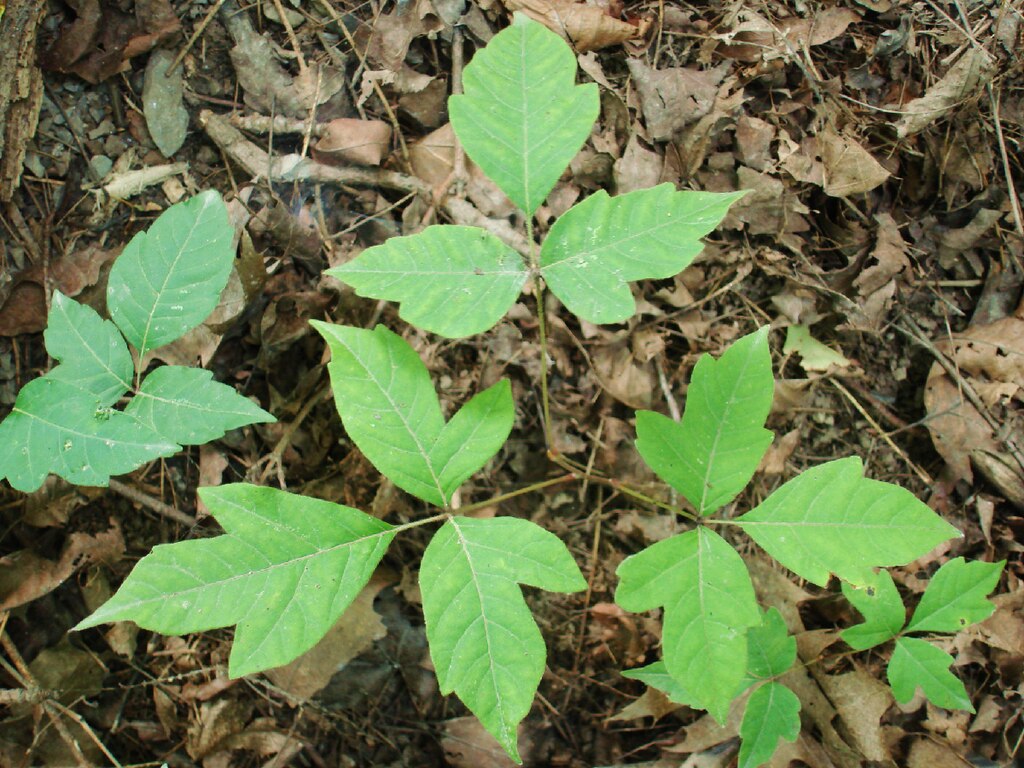
Poison ivy presents a stubborn challenge for gardeners, causing painful rashes upon contact. This tenacious plant spreads through both seeds and underground rhizomes, making complete eradication difficult.
Bayer Advanced Poison Ivy & Tough Brush Killer specifically targets poison ivy’s extensive root system. Its triclopyr-based formula penetrates deep into the plant, destroying it from within.
For best results, apply this product when poison ivy is actively growing in late spring through summer. Homeowners should expect to see wilting within 1-2 days and complete death within 2-3 weeks.
Always wear protective clothing when treating poison ivy to avoid skin contact with the plant’s urushiol oil.
4. Quackgrass – Preen Garden Weed Preventer
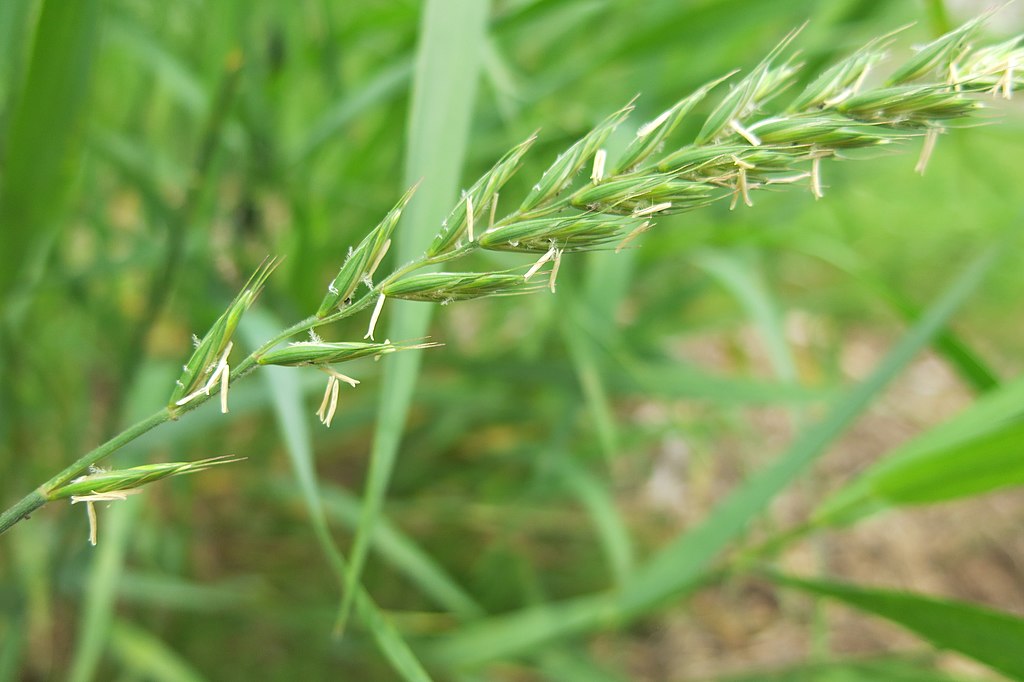
Quackgrass ranks among the most resilient weeds due to its extensive rhizome system that can spread rapidly underground. These underground stems make it particularly difficult to eliminate through manual pulling alone.
Preen Garden Weed Preventer offers an effective solution by creating a barrier that prevents quackgrass seeds from germinating. The product contains trifluralin, which disrupts cell division in emerging seedlings.
For established quackgrass, gardeners should first remove visible growth, then apply Preen to prevent new growth. Application is most effective in early spring before the growing season begins.
5. Japanese Knotweed – Spectracide Weed Stop for Lawns
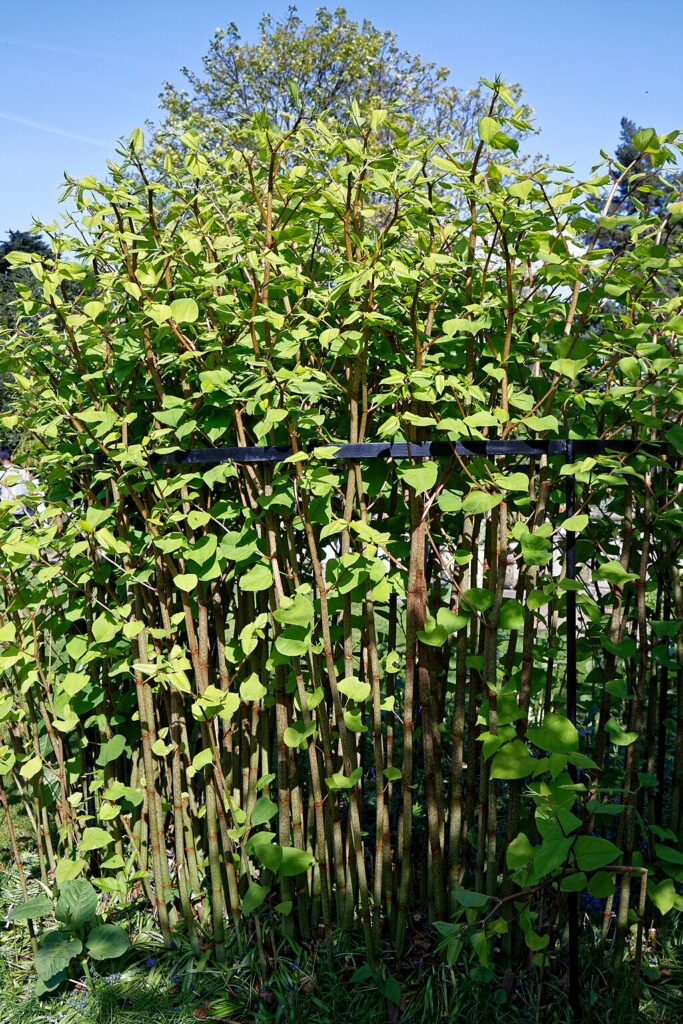
Japanese Knotweed is a resilient invasive species with bamboo-like stems and heart-shaped leaves. It can grow through concrete and asphalt, making it particularly difficult to eliminate once established.
Spectracide Weed Stop for Lawns targets Japanese Knotweed through its specialized formula containing multiple active ingredients. The product works by disrupting the plant’s growth processes at the cellular level.
For effective control, application should occur during the knotweed’s active growing season. Multiple treatments spaced 2-3 weeks apart are typically necessary for complete eradication, as this persistent weed often requires follow-up applications to address regrowth.
6. Crabgrass – Scotts Turf Builder Crabgrass Control
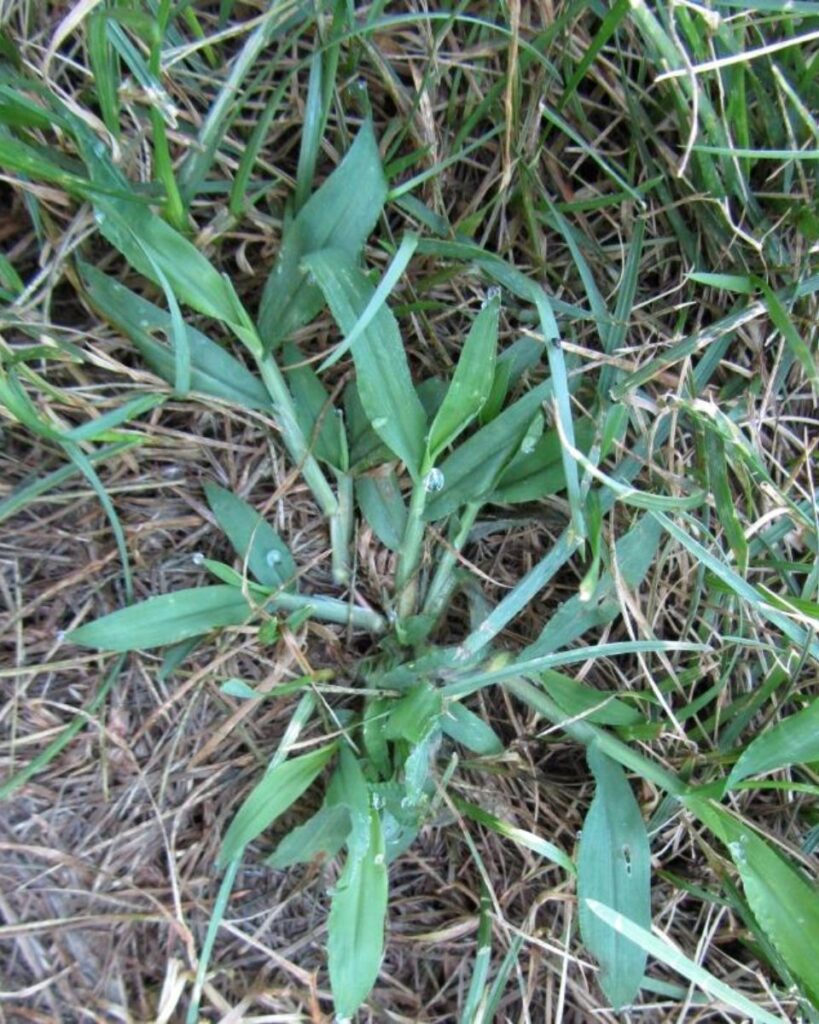
Crabgrass is a persistent summer annual weed that spreads aggressively through lawns during warm months. Its low-growing, sprawling habit makes it difficult to eliminate once established.
Scotts Turf Builder Crabgrass Control works as both a pre-emergent and early post-emergent solution. The product contains pendimethalin, which creates a barrier that prevents crabgrass seeds from developing properly.
For best results, application should occur in early spring before soil temperatures reach 55°F. A second application may be necessary in regions with extended growing seasons.
7. Dandelion – Bayer 2,4-D Amine Weed Killer
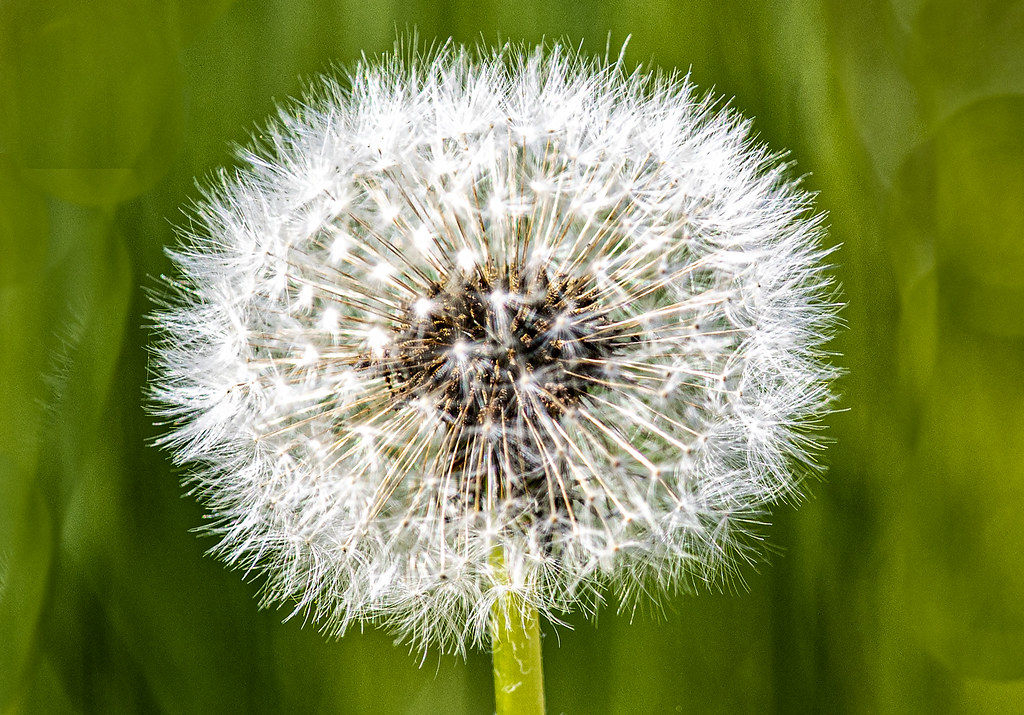
Dandelions present a significant challenge for homeowners due to their deep taproots and prolific seed production. These persistent perennials can quickly overtake lawns and gardens if left unchecked.
Bayer 2,4-D Amine Weed Killer effectively targets dandelions by disrupting their growth processes at the cellular level. The selective herbicide attacks broadleaf weeds while leaving most grasses unharmed.
For best results, apply when dandelions are actively growing in spring or fall. A single application often provides control, though severe infestations may require follow-up treatments. The herbicide travels to the roots, ensuring complete elimination of the plant.
8. Thistle – Ortho Weed B Gon Plus Crabgrass Control
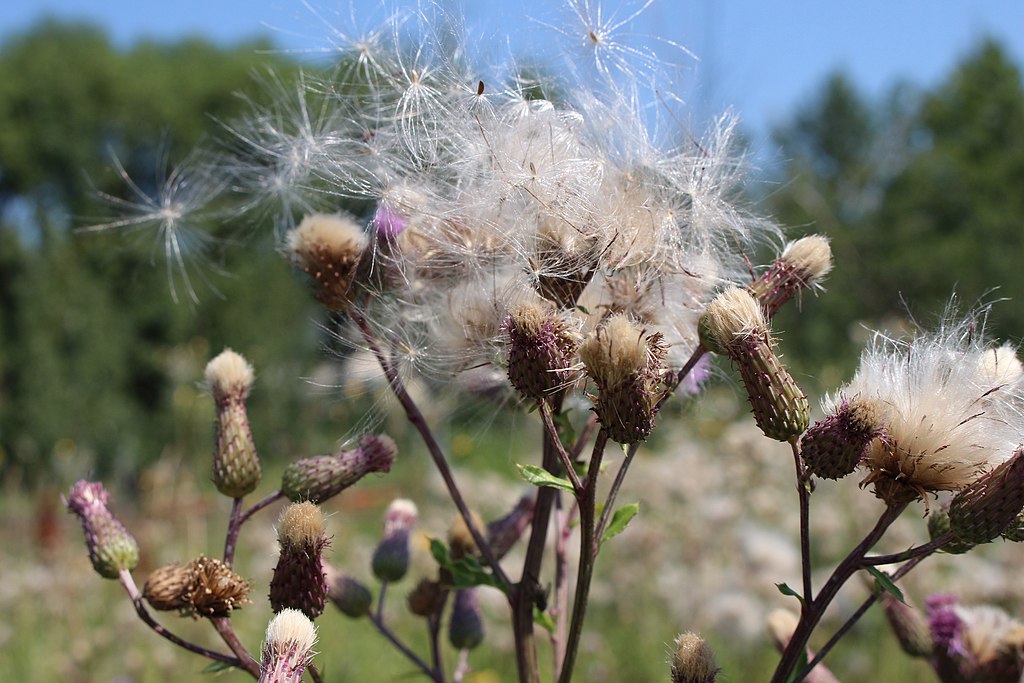
Thistles are notorious perennial weeds with sharp spines and deep taproots that make them particularly resilient against removal attempts. Their extensive root systems can regenerate even when the visible plant is removed.
Ortho Weed B Gon Plus Crabgrass Control contains triclopyr and 2,4-D, which effectively targets thistle at its root system. The formula penetrates the waxy cuticle of thistle leaves to deliver the herbicide throughout the entire plant.
For best results, application should occur when thistles are actively growing but before they flower. Homeowners typically see results within 1-2 weeks, with complete control requiring up to 4 weeks.
9. Chickweed – Bonide Weed Beater Ultra
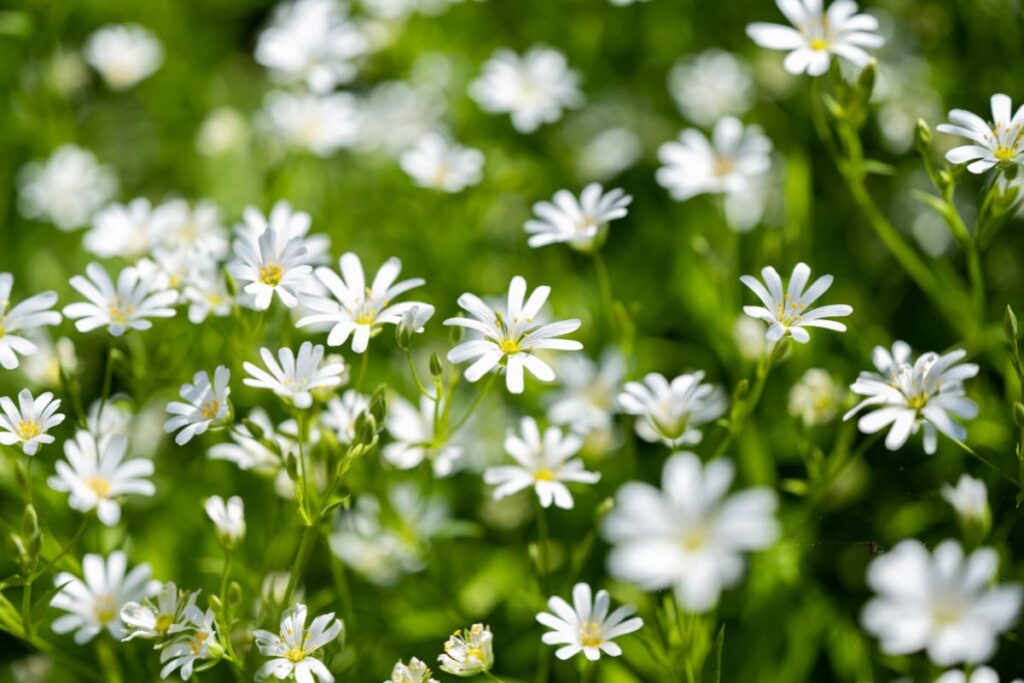
Chickweed is a persistent broadleaf weed that thrives in cool, moist conditions. It creates dense mats that can quickly overtake lawns and gardens with its rapid growth rate.
This annual weed is particularly challenging because of its ability to produce seeds throughout the growing season. Each plant can produce thousands of seeds that remain viable in soil for years.
Bonide Weed Beater Ultra effectively targets chickweed with its specialized formula containing triclopyr and 2,4-D. The herbicide penetrates chickweed’s waxy leaf surface and attacks the plant systemically.
For best results, apply when chickweed is actively growing and temperatures are between 45-90°F. Most homeowners see complete control within 7-14 days after application.
10. Creeping Charlie – Roundup Extended Control Weed Killer
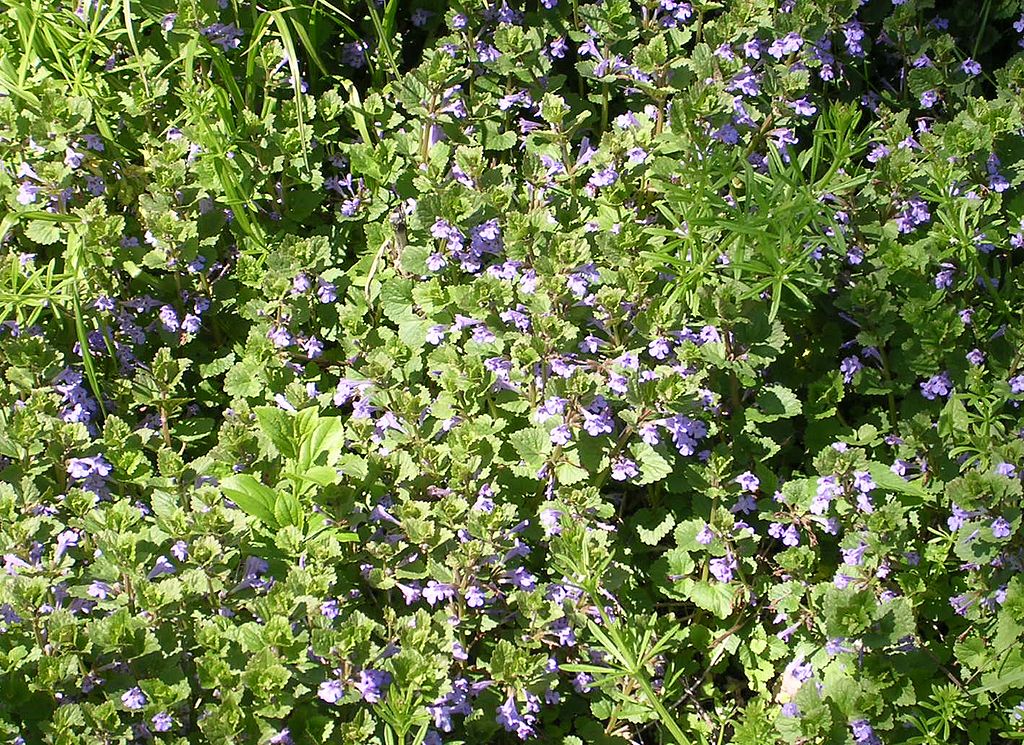
Creeping Charlie, also known as ground ivy, spreads rapidly through gardens and lawns with its vine-like stems. This persistent perennial weed creates a dense mat that chokes out grass and other desired plants.
Roundup Extended Control Weed Killer offers an effective solution for eliminating Creeping Charlie. Its formula penetrates the waxy leaf surface and travels down to the roots for complete plant death.
For best results, apply when temperatures are between 60-80°F and no rain is expected for 24 hours. Treatment works most effectively in spring or fall when the plant is actively growing.