I used to think meal prep meant spending my entire Sunday in the kitchen. Then I’d open my freezer on a busy Wednesday and find nothing but ice packs and frozen peas staring back at me. Not exactly helpful when everyone’s hungry and I’m running on empty.
That’s when I started making freezer meatloaf. It takes about the same amount of time to make two loaves as it does one, so I bake one for dinner and freeze the other for later. When that chaotic weeknight rolls around, I just pull it out in the morning to thaw. Dinner is basically done before the school bus even shows up.
The best part? This isn’t your dry, boring meatloaf. The ketchup and egg keep it moist, and that little pinch of cinnamon adds something special without anyone being able to put their finger on what it is. Trust me, even picky eaters go back for seconds.
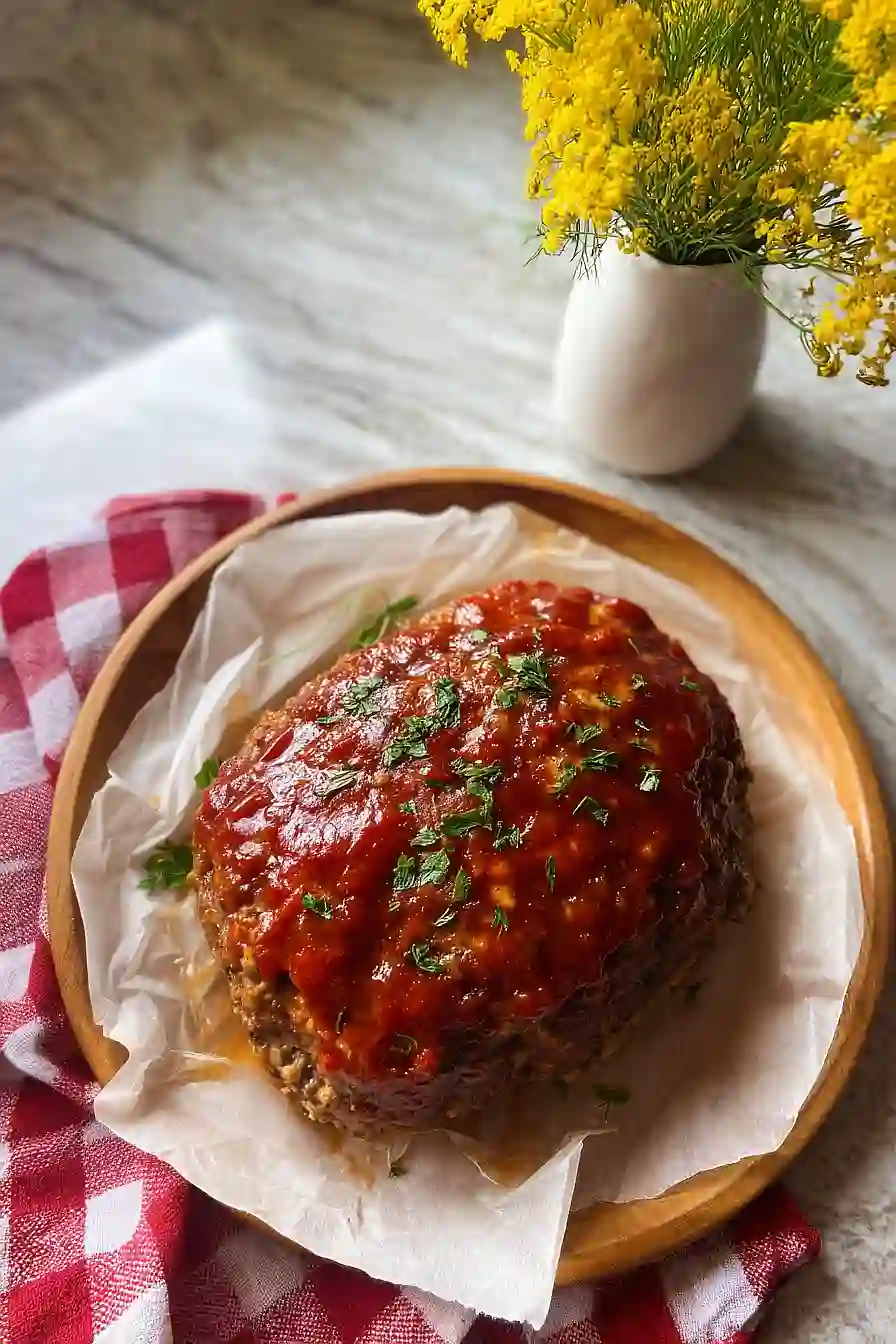
Why You’ll Love This Meatloaf
- Freezer-friendly convenience – You can prep this meatloaf ahead of time and stash it in the freezer, making busy weeknights so much easier when you need dinner on the table fast.
- Classic comfort food – This is the kind of hearty, satisfying dinner that brings everyone to the table with no complaints.
- Simple pantry ingredients – You probably already have most of these staples in your kitchen, so no special shopping trip required.
- Great for meal prep – Make a double batch and freeze one for later, or enjoy leftovers for sandwiches and quick lunches throughout the week.
What Kind of Ground Beef Should I Use?
For meatloaf, you’ll want to use ground beef with a fat content between 80/20 and 85/15 for the best results. If you go too lean, like 90/10 or higher, your meatloaf can turn out dry and crumbly since there isn’t enough fat to keep it moist during cooking. On the flip side, anything fattier than 80/20 might make your meatloaf greasy and cause it to shrink quite a bit as it cooks. The middle ground of 80/20 or 85/15 gives you a juicy, flavorful meatloaf that holds together nicely and is especially great for freezing and reheating later.
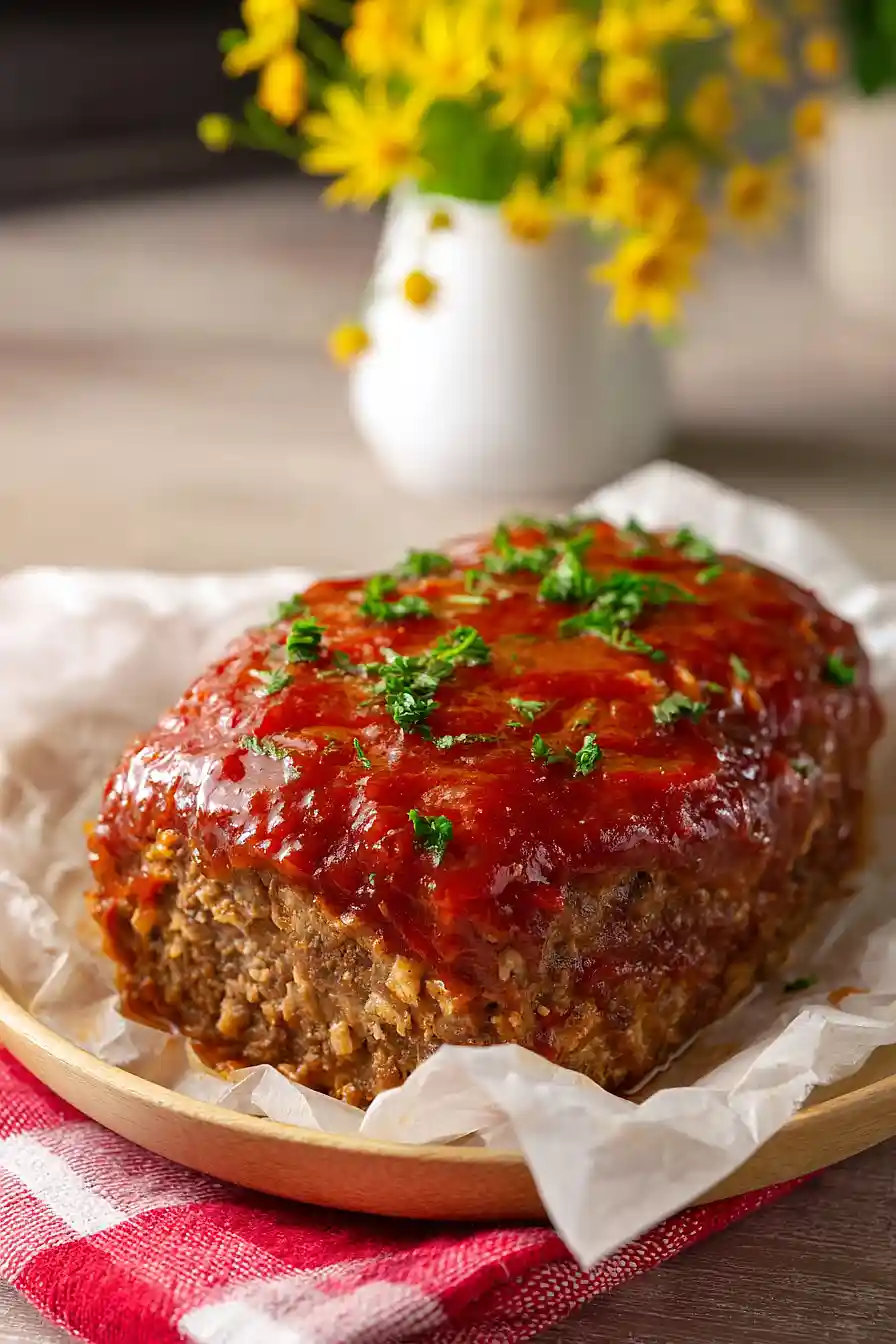
Options for Substitutions
This meatloaf recipe is pretty forgiving when it comes to swaps:
- Ground beef: You can use ground turkey or a mix of ground beef and pork for different flavors. Just keep in mind that leaner meats like turkey might result in a slightly drier meatloaf, so consider adding an extra tablespoon of ketchup to the mix.
- Breadcrumbs: Out of breadcrumbs? Crushed crackers, oats, or even crushed tortilla chips work great as binders. The recipe already mentions chips as an option, and they add a nice flavor twist.
- Ketchup: BBQ sauce or tomato sauce mixed with a bit of brown sugar can replace ketchup if that’s what you have on hand.
- Dijon mustard: Regular yellow mustard works just fine here. You can also use whole grain mustard for a bit more texture.
- Egg: If you’re out of eggs, try 3 tablespoons of milk or 2 tablespoons of mayo as a binder instead.
- Thyme: Italian seasoning or oregano can step in for thyme without any issues. Use the same amount.
Watch Out for These Mistakes While Cooking
The biggest mistake people make with meatloaf is overmixing the meat, which activates the proteins too much and creates a dense, tough texture – mix just until the ingredients are combined, using your hands gently rather than a spoon.
Another common error is skipping the resting time after baking, but letting your meatloaf sit for 10 minutes before slicing helps it hold together and keeps all those juices from running out onto your cutting board.
If you’re cooking from frozen, resist the urge to crank up the oven temperature to speed things along, as this will cook the outside too fast while leaving the center raw – instead, thaw it overnight in the fridge or bake at 350°F covered with foil for the first hour.
To prevent a watery meatloaf, make sure to drain any excess fat halfway through cooking, and use an instant-read thermometer to check that the internal temperature reaches 160°F in the center.
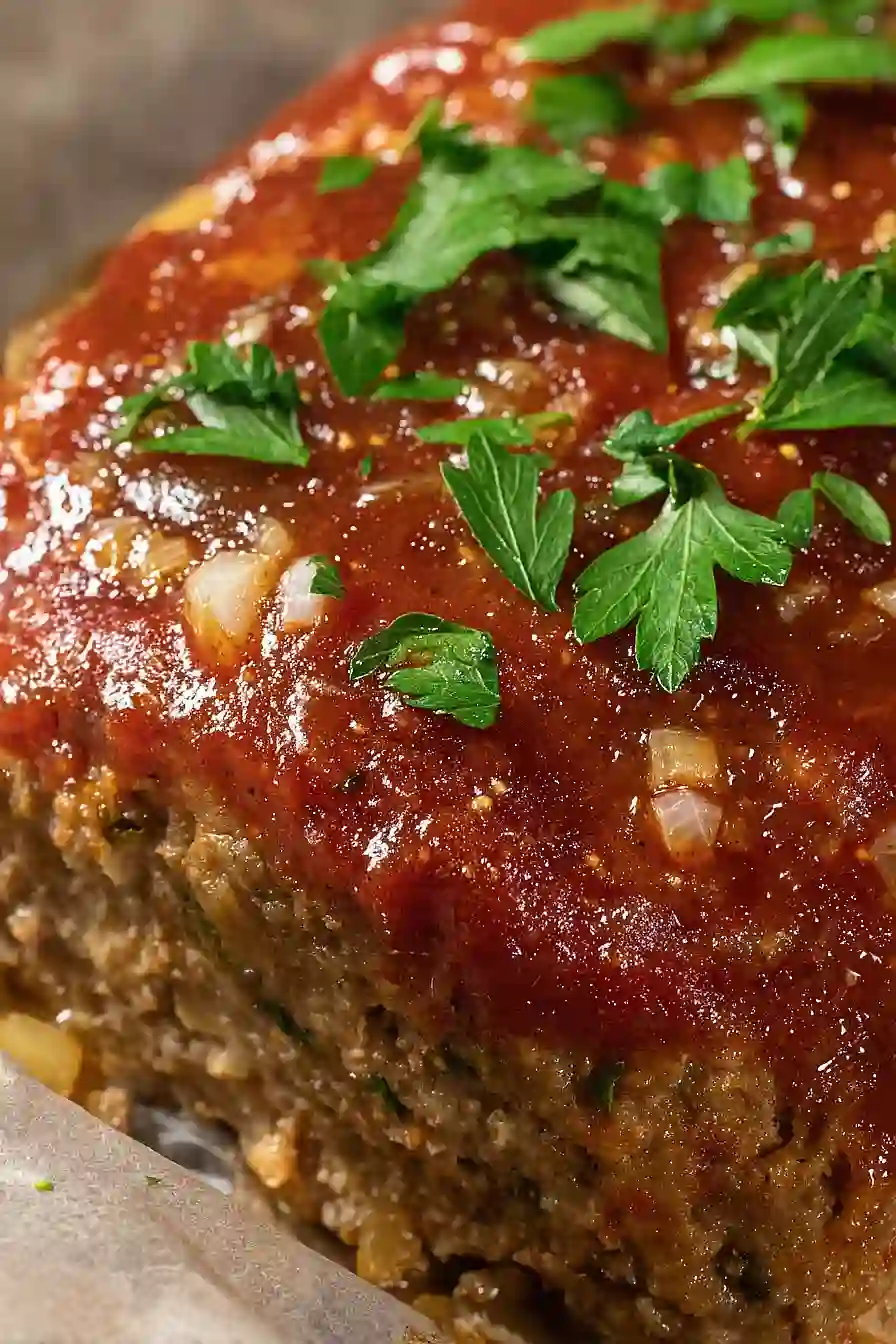
What to Serve With Meatloaf?
Meatloaf is one of those dishes that just begs for classic comfort food sides, and my go-to is always creamy mashed potatoes – they’re perfect for soaking up any extra sauce or juices from the meatloaf. I also love serving it with roasted vegetables like carrots, green beans, or Brussels sprouts, which add a nice balance to the rich, savory meat. A simple side salad with ranch dressing works great too if you want something fresh and crunchy. For a true diner-style experience, you can’t go wrong with mac and cheese or buttered corn on the side.
Storage Instructions
Refrigerate: Leftover meatloaf keeps really well in the fridge for up to 4 days. Just wrap it tightly in plastic wrap or store it in an airtight container. It actually tastes even better the next day when all those flavors have had time to hang out together!
Freeze: This is a perfect freezer meal! You can freeze the cooked meatloaf for up to 3 months, or even better, shape the raw mixture into a loaf, wrap it well in plastic wrap and foil, and freeze it unbaked. When you’re ready to cook it, just thaw overnight in the fridge and bake as usual.
Reheat: To warm up leftover meatloaf, cover slices with foil and heat in a 350°F oven for about 15-20 minutes, or microwave individual portions for 1-2 minutes. If you’re reheating a whole loaf, it’ll take about 30 minutes in the oven until it’s heated through.
| Preparation Time | 15-30 minutes |
| Cooking Time | 330-360 minutes |
| Total Time | 345-390 minutes |
| Level of Difficulty | Medium |
Estimated Nutrition
Estimated nutrition for the whole recipe (without optional ingredients):
- Calories: 2600-2900
- Protein: 170-190 g
- Fat: 180-210 g
- Carbohydrates: 80-100 g
Ingredients
- 1 tsp salt
- 1 tsp garlic powder (freshly ground preferred)
- 1 pinch cinnamon (optional but adds subtle sweetness)
- 1 medium onion (finely diced, about 1/2-inch pieces)
- 1 tsp thyme (dried)
- 2.5 lbs ground beef (80/20 blend works best)
- 1/2 tsp black pepper
- 1 egg (helps bind mixture together)
- 1/2 cup ketchup (adds moisture and sweetness)
- 1 tbsp Dijon mustard
- 1/2 tsp paprika (smoky flavor preferred)
- 1/2 cup breadcrumbs (panko for better texture)
Step 1: Prepare Mise en Place and Build the Meatloaf Mixture
- 2.5 lbs ground beef
- 1 medium onion, finely diced
- 1 egg
- 1/2 cup breadcrumbs
- 1/2 cup ketchup
- 1 tbsp Dijon mustard
- 1 tsp salt
- 1/2 tsp black pepper
- 1 tsp garlic powder
- 1 tsp thyme
- 1/2 tsp paprika
- 1 pinch cinnamon
Finely dice the onion into roughly 1/2-inch pieces and measure out all your dry ingredients (salt, garlic powder, black pepper, thyme, paprika, and optional cinnamon) into a small bowl.
In a large mixing bowl, combine the ground beef with the dry ingredient mixture, then add the diced onion, egg, breadcrumbs, ketchup, and Dijon mustard.
Mix gently with your hands until just combined—overmixing will make the meatloaf dense and tough.
I find using my hands is the best way to ensure everything is evenly distributed without compacting the meat too much.
Step 2: Shape and Wrap the Meatloaf for Freezing
- meatloaf mixture from Step 1
On a piece of aluminum foil or parchment paper, shape the meatloaf mixture into a loaf approximately 9 inches long and 5 inches wide—this size works perfectly for slow cooker cooking and ensures even heat distribution.
Wrap the shaped meatloaf tightly with aluminum foil first (this protects it from freezer burn and helps with slow cooking), then wrap it again with plastic wrap for an extra seal.
Transfer the wrapped meatloaf into a freezer bag, label it with the date, and freeze for up to 3 months.
Step 3: Thaw and Prepare for Slow Cooking
- thawed meatloaf from Step 2
Remove the meatloaf from the freezer and place it in the refrigerator to thaw for 12-24 hours before cooking.
Once thawed, carefully remove the plastic wrap (the aluminum foil should remain on to protect the meatloaf and retain moisture during the initial slow cooking phase).
This gentle thawing method ensures even cooking throughout and prevents the outside from drying out.
Step 4: Slow Cook the Meatloaf Base
- thawed meatloaf from Step 3
Place the aluminum foil-wrapped meatloaf directly into your slow cooker (no need to add liquid—the ketchup and mustard in the mixture plus the trapped steam will keep it moist).
Cook on low for 5-6 hours until the meatloaf reaches an internal temperature of 160°F when checked with a meat thermometer.
The long, gentle cooking allows the flavors to meld beautifully and keeps the meatloaf tender and juicy.
Step 5: Add Glaze and Finish Cooking
- cooked meatloaf from Step 4
- ketchup
- Dijon mustard
Carefully remove the meatloaf from the slow cooker and unwrap the aluminum foil.
Return the unwrapped meatloaf to the slow cooker, then prepare a glaze by mixing together additional ketchup and Dijon mustard (roughly 1/4 cup ketchup and 1 teaspoon mustard, adjusted to your taste preference).
Spread this glaze evenly over the top of the meatloaf and cook on low for an additional 30 minutes, which allows the glaze to caramelize slightly and develop deeper flavor.
I like to add the glaze at the end rather than at the start because it prevents it from washing off during the longer cooking time and keeps the flavors bright and vibrant.
Step 6: Rest and Serve
- finished meatloaf from Step 5
Remove the meatloaf from the slow cooker and let it rest for 5-10 minutes before slicing.
This resting period allows the juices to redistribute throughout the meat, ensuring each slice stays moist and tender.
Slice and serve warm with your favorite sides.
Traditional Freezer Meal Meatloaf
Ingredients
- 1 tsp salt
- 1 tsp garlic powder (freshly ground preferred)
- 1 pinch cinnamon (optional but adds subtle sweetness)
- 1 medium onion (finely diced, about 1/2-inch pieces)
- 1 tsp thyme (dried)
- 2.5 lbs ground beef (80/20 blend works best)
- 1/2 tsp black pepper
- 1 egg (helps bind mixture together)
- 1/2 cup ketchup (adds moisture and sweetness)
- 1 tbsp Dijon mustard
- 1/2 tsp paprika (smoky flavor preferred)
- 1/2 cup breadcrumbs (panko for better texture)
Instructions
- Finely dice the onion into roughly 1/2-inch pieces and measure out all your dry ingredients (salt, garlic powder, black pepper, thyme, paprika, and optional cinnamon) into a small bowl. In a large mixing bowl, combine the ground beef with the dry ingredient mixture, then add the diced onion, egg, breadcrumbs, ketchup, and Dijon mustard. Mix gently with your hands until just combined—overmixing will make the meatloaf dense and tough. I find using my hands is the best way to ensure everything is evenly distributed without compacting the meat too much.
- On a piece of aluminum foil or parchment paper, shape the meatloaf mixture into a loaf approximately 9 inches long and 5 inches wide—this size works perfectly for slow cooker cooking and ensures even heat distribution. Wrap the shaped meatloaf tightly with aluminum foil first (this protects it from freezer burn and helps with slow cooking), then wrap it again with plastic wrap for an extra seal. Transfer the wrapped meatloaf into a freezer bag, label it with the date, and freeze for up to 3 months.
- Remove the meatloaf from the freezer and place it in the refrigerator to thaw for 12-24 hours before cooking. Once thawed, carefully remove the plastic wrap (the aluminum foil should remain on to protect the meatloaf and retain moisture during the initial slow cooking phase). This gentle thawing method ensures even cooking throughout and prevents the outside from drying out.
- Place the aluminum foil-wrapped meatloaf directly into your slow cooker (no need to add liquid—the ketchup and mustard in the mixture plus the trapped steam will keep it moist). Cook on low for 5-6 hours until the meatloaf reaches an internal temperature of 160°F when checked with a meat thermometer. The long, gentle cooking allows the flavors to meld beautifully and keeps the meatloaf tender and juicy.
- Carefully remove the meatloaf from the slow cooker and unwrap the aluminum foil. Return the unwrapped meatloaf to the slow cooker, then prepare a glaze by mixing together additional ketchup and Dijon mustard (roughly 1/4 cup ketchup and 1 teaspoon mustard, adjusted to your taste preference). Spread this glaze evenly over the top of the meatloaf and cook on low for an additional 30 minutes, which allows the glaze to caramelize slightly and develop deeper flavor. I like to add the glaze at the end rather than at the start because it prevents it from washing off during the longer cooking time and keeps the flavors bright and vibrant.
- Remove the meatloaf from the slow cooker and let it rest for 5-10 minutes before slicing. This resting period allows the juices to redistribute throughout the meat, ensuring each slice stays moist and tender. Slice and serve warm with your favorite sides.

