I’d never heard of shio koji until a friend served me the creamiest mashed potatoes I’d ever tasted at a dinner party last year. When I asked what her secret was, she pulled out this unassuming jar from her fridge and said, “It’s a Japanese ingredient—fermented rice. Game changer.”
I was skeptical at first because, honestly, mashed potatoes are already pretty perfect on their own. But shio koji adds this savory depth that’s hard to describe—it’s salty, but also a little sweet, and it makes everything taste more like itself somehow. Mix it with butter, cream, and two types of potatoes, and you’ve got something that’ll make people ask you what you did differently. The answer? Not much, really. Just one ingredient that does a lot of heavy lifting.
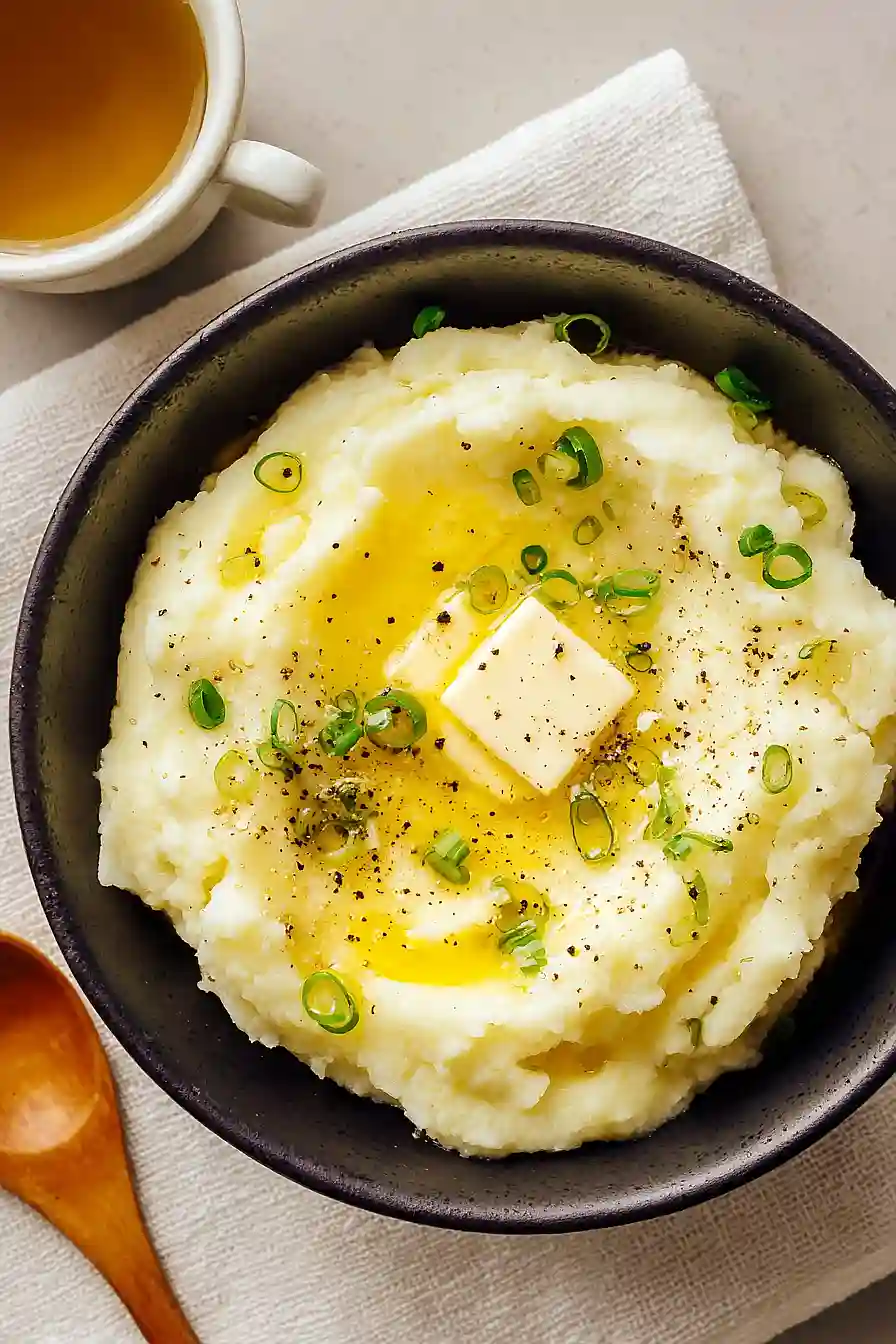
Why You’ll Love These Japanese Mashed Potatoes
- Unique umami flavor – The shio koji adds a subtle savory depth that sets these mashed potatoes apart from the regular version, making them taste more complex and interesting.
- Creamy, smooth texture – Using a mix of russet and Yukon Gold potatoes with butter and cream creates the perfect balance of fluffy and creamy that melts in your mouth.
- Simple ingredients – You probably already have most of these in your kitchen, and if you don’t have shio koji, you can easily swap it with regular salt.
- Perfect side dish – These mashed potatoes pair well with just about any protein and can dress up a weeknight dinner or work for holiday gatherings.
What Kind of Potatoes Should I Use?
This recipe calls for a mix of russet and Yukon Gold potatoes, which is actually a smart combination. Russets are starchy and give you that fluffy, light texture, while Yukon Golds add a buttery flavor and creamy consistency. If you only have one type on hand, don’t worry – you can use all russets for a fluffier mash or all Yukon Golds for a creamier result. Just make sure your potatoes are firm with no soft spots or green patches, and try to pick ones that are similar in size so they cook evenly.
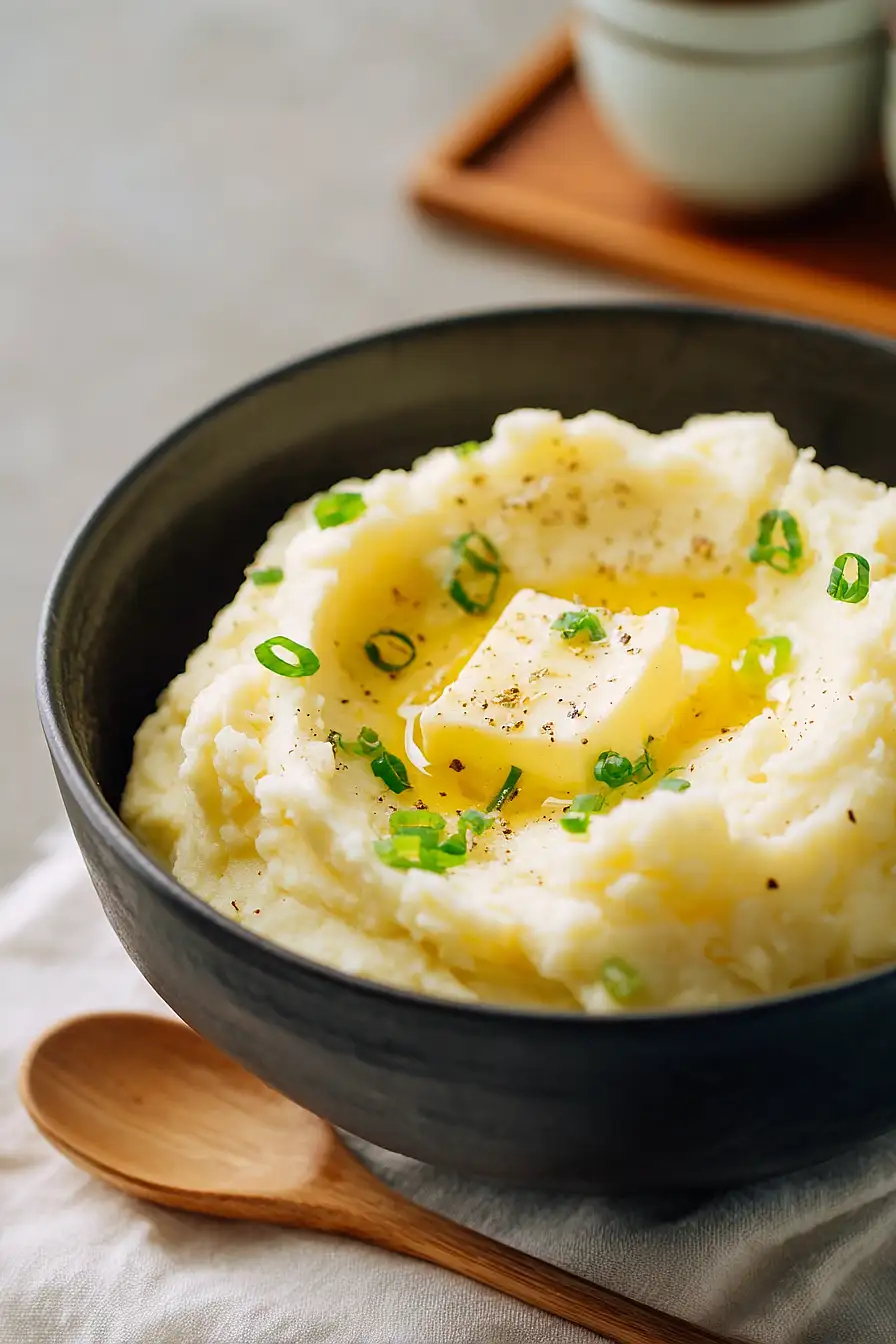
Options for Substitutions
This recipe is pretty straightforward, but here are some swaps you can make if needed:
- Russet and Yukon Gold potatoes: You can use all russets or all Yukon Golds if that’s what you have. Russets will give you fluffier mashed potatoes, while Yukon Golds create a creamier, buttery texture. Red potatoes work too, though they’ll be a bit waxier.
- Shio koji: This fermented ingredient adds a special umami flavor, but if you can’t find it, just use ½ teaspoon of kosher or sea salt instead. The taste will be slightly different but still good.
- Heavy cream: Whole milk works as a lighter substitute, though your potatoes won’t be quite as rich. You can also use half-and-half for something in between. Warm it up before adding to keep your potatoes hot.
- Chives: Green onions (just the green parts) make a great substitute and add a similar mild onion flavor. Parsley works too if you want something milder.
- Butter: While butter really makes these potatoes special, you can use olive oil or even a plant-based butter if you need a dairy-free option.
Watch Out for These Mistakes While Cooking
The biggest mistake when making Japanese mashed potatoes is skipping the rinsing step after draining, which removes excess starch and gives you that signature silky, smooth texture instead of a gluey mess.
Another common error is adding cold butter and cream directly to the potatoes – always warm them together first so they blend smoothly without cooling down your mash and creating lumps.
Overmixing or using a food processor can activate too much starch and turn your potatoes gummy, so stick to a potato masher or ricer and stop once you reach your desired consistency.
Finally, make sure to thoroughly dry the potatoes in the pot over low heat after rinsing, as any extra water will dilute the rich, creamy flavor you’re going for.
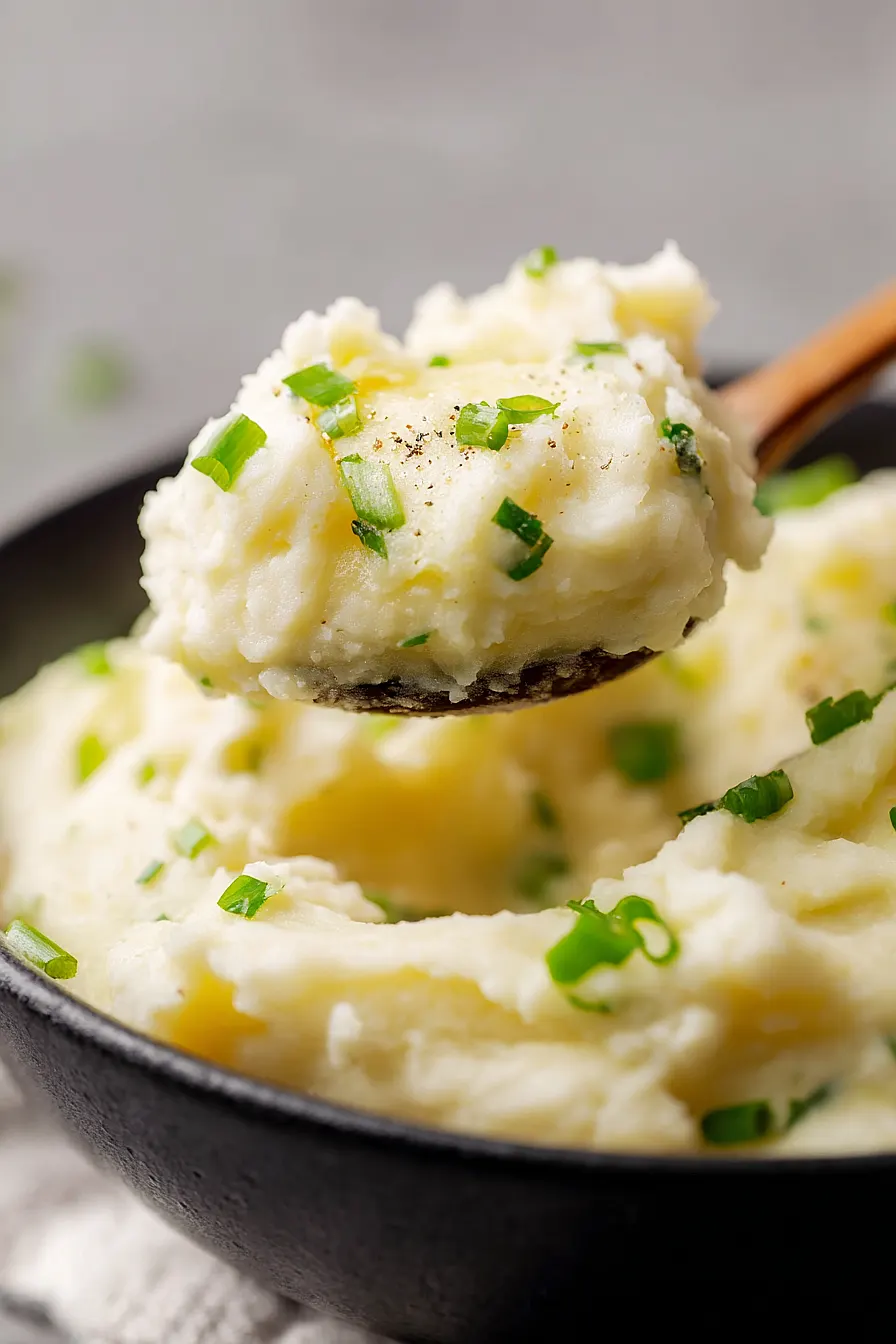
What to Serve With Japanese Mashed Potatoes?
These mashed potatoes are rich and creamy, so they pair beautifully with grilled or pan-seared proteins like teriyaki chicken, miso-glazed salmon, or simple steak. If you’re going for a full Japanese-inspired meal, serve them alongside some sautéed vegetables like bok choy or green beans, and maybe add a side of pickled cucumbers for a nice contrast. They also work great as a side for hamburger steaks with gravy, which is a popular Japanese comfort food dish. For a lighter option, pair them with a crisp salad dressed with a ginger or sesame vinaigrette to balance out the creaminess.
Storage Instructions
Store: Keep your Japanese mashed potatoes in an airtight container in the fridge for up to 3 days. They’re great for meal prep and actually taste really good the next day alongside grilled fish or chicken.
Freeze: You can freeze these mashed potatoes for up to 2 months in a freezer-safe container. Just know that the texture might be slightly different after freezing because of the cream and butter, but they’ll still be creamy and delicious.
Reheat: Warm them up gently in the microwave with a splash of cream or milk, stirring every 30 seconds until heated through. You can also reheat on the stovetop over low heat, adding a bit of butter or cream to bring back that silky texture.
| Preparation Time | 20-30 minutes |
| Cooking Time | 25-35 minutes |
| Total Time | 45-65 minutes |
| Level of Difficulty | Medium |
| Servings | 6 servings |
Estimated Nutrition
Estimated nutrition for the whole recipe (without optional ingredients):
- Calories: 400-480
- Protein: 6-8 g
- Fat: 21-26 g
- Carbohydrates: 48-56 g
Ingredients
For the potatoes:
- 1.5 lb russet potatoes (starchy variety for fluffy texture)
- 1.5 lb Yukon Gold potatoes (creamy, buttery flavor)
- 1 tsp kosher salt
For the mash:
- 2 tbsp unsalted butter (I use Kerrygold for rich flavor)
- black pepper to taste
- 2 tbsp shio koji (adds umami depth and subtle salinity)
- 1/4 cup heavy cream (cold, for smooth blending)
For the topping:
- chives (freshly chopped, about 2 tbsp)
- 1 tbsp unsalted butter
- black pepper to taste
Step 1: Prepare and Cook the Potatoes
- 1.5 lb russet potatoes
- 1.5 lb Yukon Gold potatoes
- 1 tsp kosher salt
- Cold water
Peel and cut both the russet and Yukon Gold potatoes into evenly sized chunks (about 2 inches) so they cook at the same rate.
Soak the cut potatoes in cold water for 30 minutes to remove excess starch, then drain and rinse thoroughly under cold water.
Place the potatoes in a large pot and cover with cold water, adding 1 tsp kosher salt.
Bring to a boil over medium-high heat, then reduce to medium and simmer for 15-20 minutes until completely tender when pierced with a fork.
I like using both potato varieties because the russets give fluffy texture while the Yukon Golds add creaminess—they complement each other beautifully.
Step 2: Warm the Butter and Shio Koji Mixture
- 2 tbsp unsalted butter
- 1/4 cup heavy cream
- 2 tbsp shio koji
While the potatoes are cooking, combine the 2 tbsp unsalted butter, 1/4 cup cold heavy cream, and 2 tbsp shio koji in a small saucepan over low heat.
Stir gently until the butter is melted and the shio koji is fully incorporated and warm.
The shio koji adds wonderful umami depth and a subtle salinity, so resist the urge to add extra salt—the mixture should taste balanced and warming.
Keep this on very low heat so it stays warm but doesn’t break or separate.
Step 3: Drain and Dry the Potatoes
- cooked potatoes from Step 1
Drain the cooked potatoes thoroughly in a colander.
Return them to the pot and place it on low heat for 1-2 minutes, stirring gently, to evaporate any remaining moisture.
This step is crucial—excess water will make your mashed potatoes gluey instead of fluffy.
Once they’re dry, remove from heat and begin mashing with a potato ricer or masher until you reach a creamy, lump-free consistency.
Step 4: Combine and Season
- mashed potatoes from Step 3
- butter and shio koji mixture from Step 2
- black pepper to taste
Pour the warm butter and shio koji mixture from Step 2 over the mashed potatoes and fold gently but thoroughly until fully incorporated and creamy.
Taste and adjust seasoning with black pepper to your preference—the shio koji already provides the salt component, but add more pepper as needed for depth.
I find that a generous crack of fresh black pepper really makes these stand out, so don’t be shy.
Step 5: Finish and Serve
- 1 tbsp unsalted butter
- 2 tbsp freshly chopped chives
- black pepper to taste
Transfer the mashed potatoes to a serving bowl and create a small well in the center.
Top with 1 tbsp unsalted butter and a generous sprinkle of freshly chopped chives and black pepper.
Serve immediately while hot, allowing the butter on top to melt slightly into the potatoes as guests serve themselves.
Traditional Japanese Mashed Potatoes
Ingredients
For the potatoes:
- 1.5 lb russet potatoes (starchy variety for fluffy texture)
- 1.5 lb Yukon Gold potatoes (creamy, buttery flavor)
- 1 tsp kosher salt
For the mash:
- 2 tbsp unsalted butter (I use Kerrygold for rich flavor)
- black pepper to taste
- 2 tbsp shio koji (adds umami depth and subtle salinity)
- 1/4 cup heavy cream (cold, for smooth blending)
For the topping:
- chives (freshly chopped, about 2 tbsp)
- 1 tbsp unsalted butter
- black pepper to taste
Instructions
- Peel and cut both the russet and Yukon Gold potatoes into evenly sized chunks (about 2 inches) so they cook at the same rate. Soak the cut potatoes in cold water for 30 minutes to remove excess starch, then drain and rinse thoroughly under cold water. Place the potatoes in a large pot and cover with cold water, adding 1 tsp kosher salt. Bring to a boil over medium-high heat, then reduce to medium and simmer for 15-20 minutes until completely tender when pierced with a fork. I like using both potato varieties because the russets give fluffy texture while the Yukon Golds add creaminess—they complement each other beautifully.
- While the potatoes are cooking, combine the 2 tbsp unsalted butter, 1/4 cup cold heavy cream, and 2 tbsp shio koji in a small saucepan over low heat. Stir gently until the butter is melted and the shio koji is fully incorporated and warm. The shio koji adds wonderful umami depth and a subtle salinity, so resist the urge to add extra salt—the mixture should taste balanced and warming. Keep this on very low heat so it stays warm but doesn't break or separate.
- Drain the cooked potatoes thoroughly in a colander. Return them to the pot and place it on low heat for 1-2 minutes, stirring gently, to evaporate any remaining moisture. This step is crucial—excess water will make your mashed potatoes gluey instead of fluffy. Once they're dry, remove from heat and begin mashing with a potato ricer or masher until you reach a creamy, lump-free consistency.
- Pour the warm butter and shio koji mixture from Step 2 over the mashed potatoes and fold gently but thoroughly until fully incorporated and creamy. Taste and adjust seasoning with black pepper to your preference—the shio koji already provides the salt component, but add more pepper as needed for depth. I find that a generous crack of fresh black pepper really makes these stand out, so don't be shy.
- Transfer the mashed potatoes to a serving bowl and create a small well in the center. Top with 1 tbsp unsalted butter and a generous sprinkle of freshly chopped chives and black pepper. Serve immediately while hot, allowing the butter on top to melt slightly into the potatoes as guests serve themselves.